What Is a Bridging Loan? How It Works, Rates & Uses
A bridging loan is short-term finance secured against property , used to bridge a gap until you sell or refinance. It is arranged in days rather than weeks, at rates from 0.75% pm , with loans from £30k-£3M . This guide explains how bridging works, what it costs, and when to use one.
- 0.75%
- Rate p/m
- 5 days
- To Fund
- 1-18m
- Term
- £30k-£3M
- Loan Size
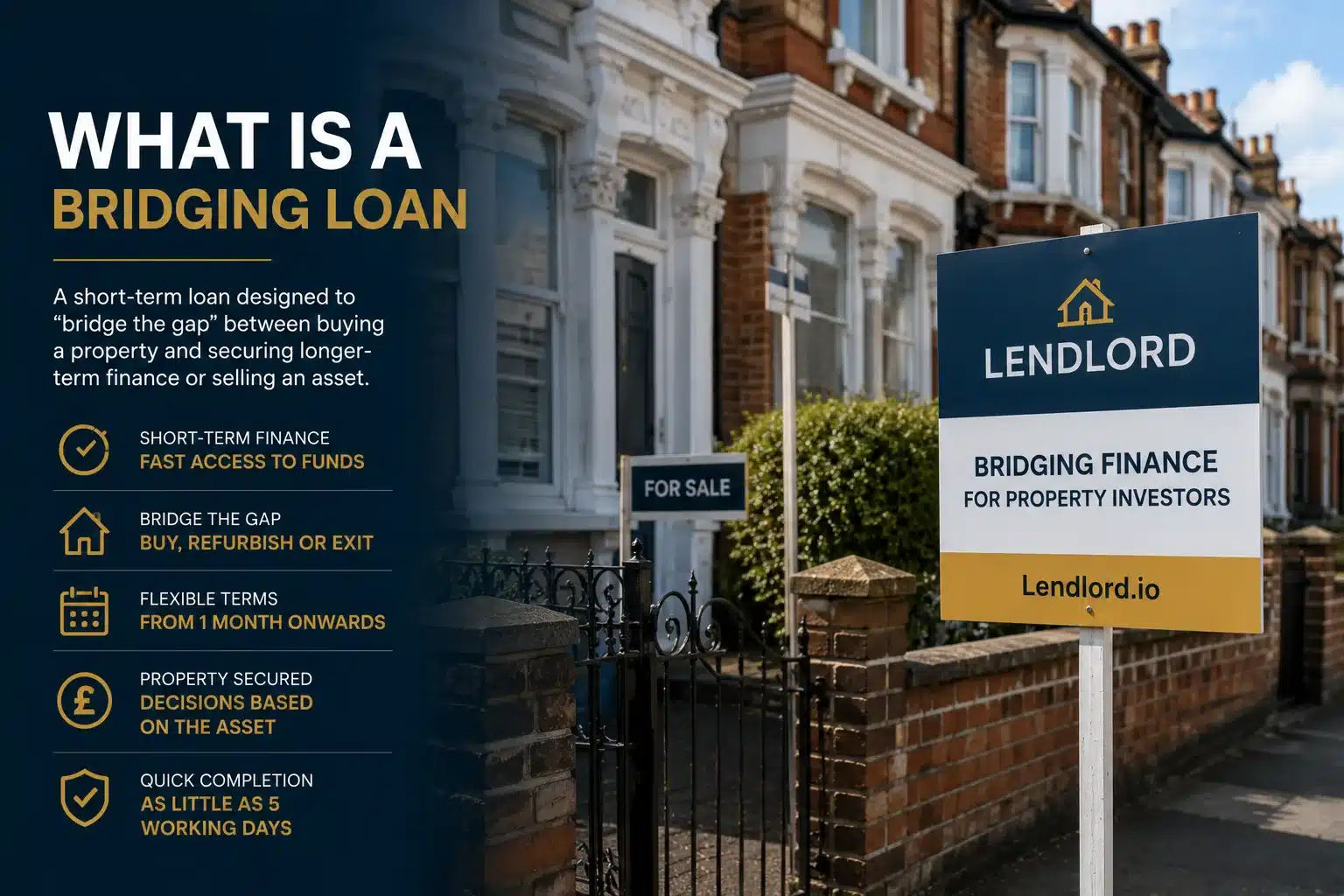
A bridging loan is a short-term loan secured against property, used to bridge a financial gap until longer-term finance is arranged or the property is sold. Terms usually run from 1 to 18 months, and funds can be released in days. Lendlord is a direct lender offering bridging loans for mortgages with no broker fees.
How does a bridging loan work?
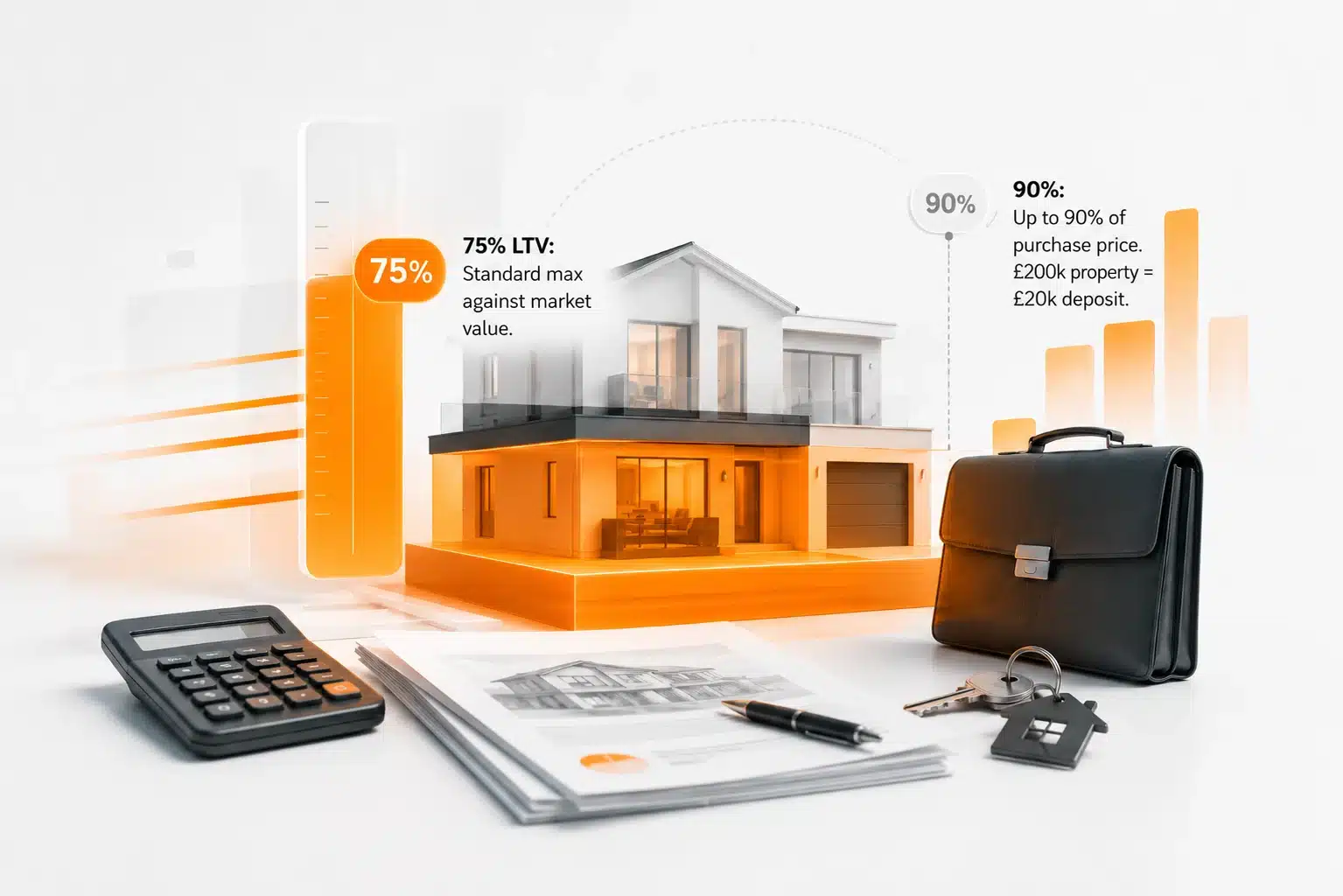
A bridging loan is secured against a property you are buying or already own. The lender assesses the property and your exit strategy - the way you will repay - then releases funds. Unlike a mortgage, valuation and legal work run in parallel, which is why bridging completes in days, not weeks.
You repay the loan, plus interest, in a single lump sum when your exit completes. There is no long amortisation schedule; the whole facility is designed to be short and then cleared.
How is the interest charged?
Bridging interest is charged monthly, but there are three ways to pay it - which changes how much cash you need during the term:
| Interest option | How it works | Best when |
|---|---|---|
| Retained | Interest for the term is deducted from the loan upfront | No monthly payments wanted |
| Rolled-up | Interest accrues and is added to the balance, repaid on exit | Maximise day-one cash |
| Serviced | You pay the interest monthly, like a mortgage | You have rental or other income |
You will also hear about the gross loan (the full facility, including fees and any retained interest) versus the net loan (the cash you actually receive). Our bridging calculator shows both for your deal.
What does a bridging loan cost?
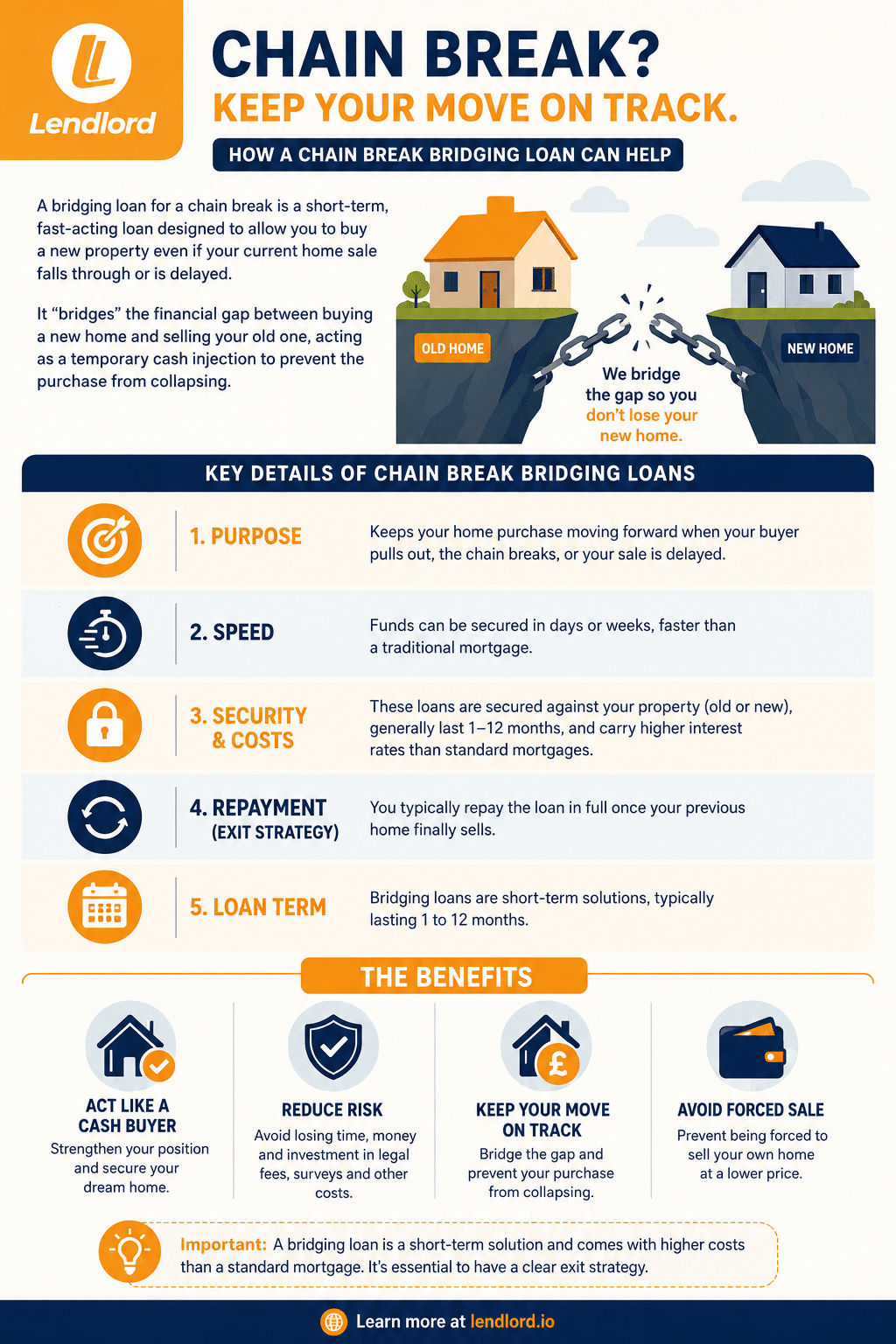
Lendlord rates start from 0.75% per month. The exact rate depends on the loan-to-value, the property and your exit. Beyond interest, budget for:
- Arrangement fee - typically a percentage of the loan, often added to the facility
- Valuation fee - to assess the security property
- Legal fees - your own and the lender's (dual representation can reduce this)
- Exit fee - only on some products; many Lendlord bridges have none
Because Lendlord is a direct lender, there are no broker fees or intermediary commissions.
What can a bridging loan be used for?
Bridging is flexible short-term capital. The most common uses are:
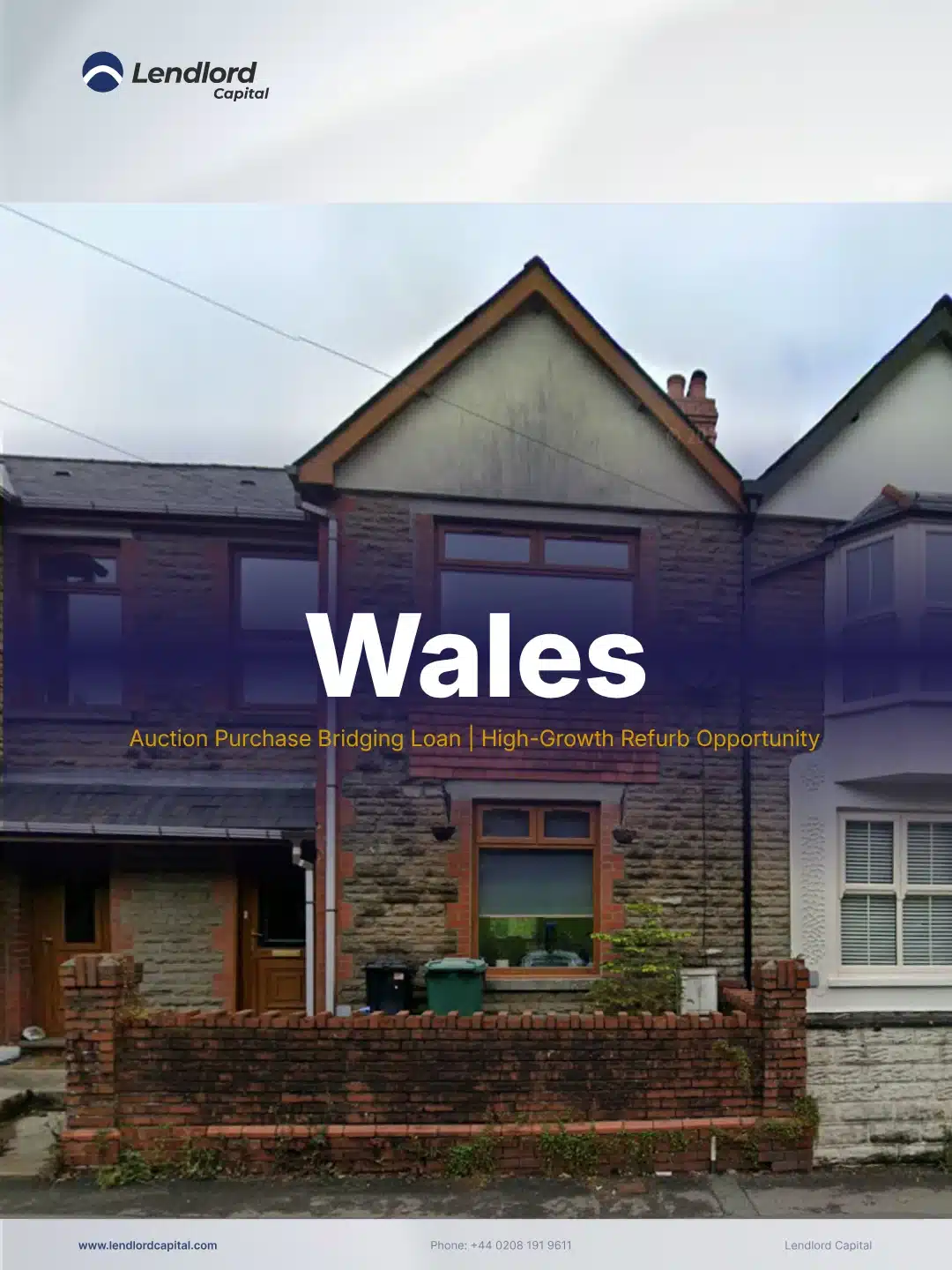
- Auction purchases - completing inside the 28-day deadline
- Breaking a property chain - buying before your sale completes
- Refurbishment, HMO conversions and the BRRR strategy
- Buying unmortgageable property a standard lender will not touch
- Raising short-term capital against property you already own
How fast can you get a bridging loan?
Speed is the main reason borrowers choose bridging. Here is a typical timeline:
Day 1: Apply online with your property and exit details - indicative terms the same day.
Days 1-2: Heads of Terms issued and the valuation instructed.
Days 2-4: Valuation returned while the legal work runs in parallel, not in sequence.
Days 4-5: Funds released to your solicitor.
"The credit decision is rarely the bottleneck. Get your property and exit clear up front, and a clean bridge can complete inside a week."
Claire - Senior Bridging Specialist, LendlordOpen vs closed bridging loans
A closed bridge has a fixed, evidenced repayment date - for example, a confirmed sale completion. An open bridge has no fixed exit date but still needs a credible exit strategy. Closed bridges carry less risk and can be priced accordingly.
Bridging loan vs mortgage
| Feature | Bridging Loan | Mortgage |
|---|---|---|
| Time to fund | Days | 6-8 weeks |
| Term | 1-18 months | 25-35 years |
| Unmortgageable property | Yes | Usually declined |
| Repayment | Lump sum on exit | Monthly amortising |
| Best for | Speed & flexibility | Long-term ownership |
Thinking about a bridging loan?
Get an indicative quote in minutes - no obligation and no credit check to see your numbers.
Get Your Instant Quote Calculate My CostsDirect lender • No broker fees • Funded in days
Bridging loans - frequently asked questions
What is a bridging loan?
A bridging loan is a short-term loan secured against property, used to bridge a financial gap until longer-term finance is arranged or the property is sold. Terms typically run from 1 to 18 months and funds can be released in days rather than weeks.
How does a bridging loan work?
You borrow against a property as security, with a clear exit strategy - usually a sale or a refinance onto a mortgage. Interest can be retained, rolled up or serviced monthly, and the loan plus interest is repaid in full when the exit completes.
How much does a bridging loan cost?
Lendlord rates start from 0.75% per month. Typical additional costs include an arrangement fee, a valuation fee and legal fees. As a direct lender, Lendlord charges no broker fees.
What can a bridging loan be used for?
Common uses include buying at auction, breaking a property chain, funding refurbishment or conversion, BRRR and HMO projects, buying unmortgageable property, and raising short-term capital against property you already own.
How quickly can you get a bridging loan?
Lendlord returns indicative terms within minutes and can release funds in as little as 5 working days, because valuation and legal work run in parallel rather than in sequence.
What is the difference between an open and a closed bridging loan?
A closed bridge has a fixed, evidenced repayment date (for example, a confirmed sale completion). An open bridge has no fixed exit date but still requires a credible exit strategy. Closed bridges are generally lower risk and can be priced accordingly.
Related bridging finance
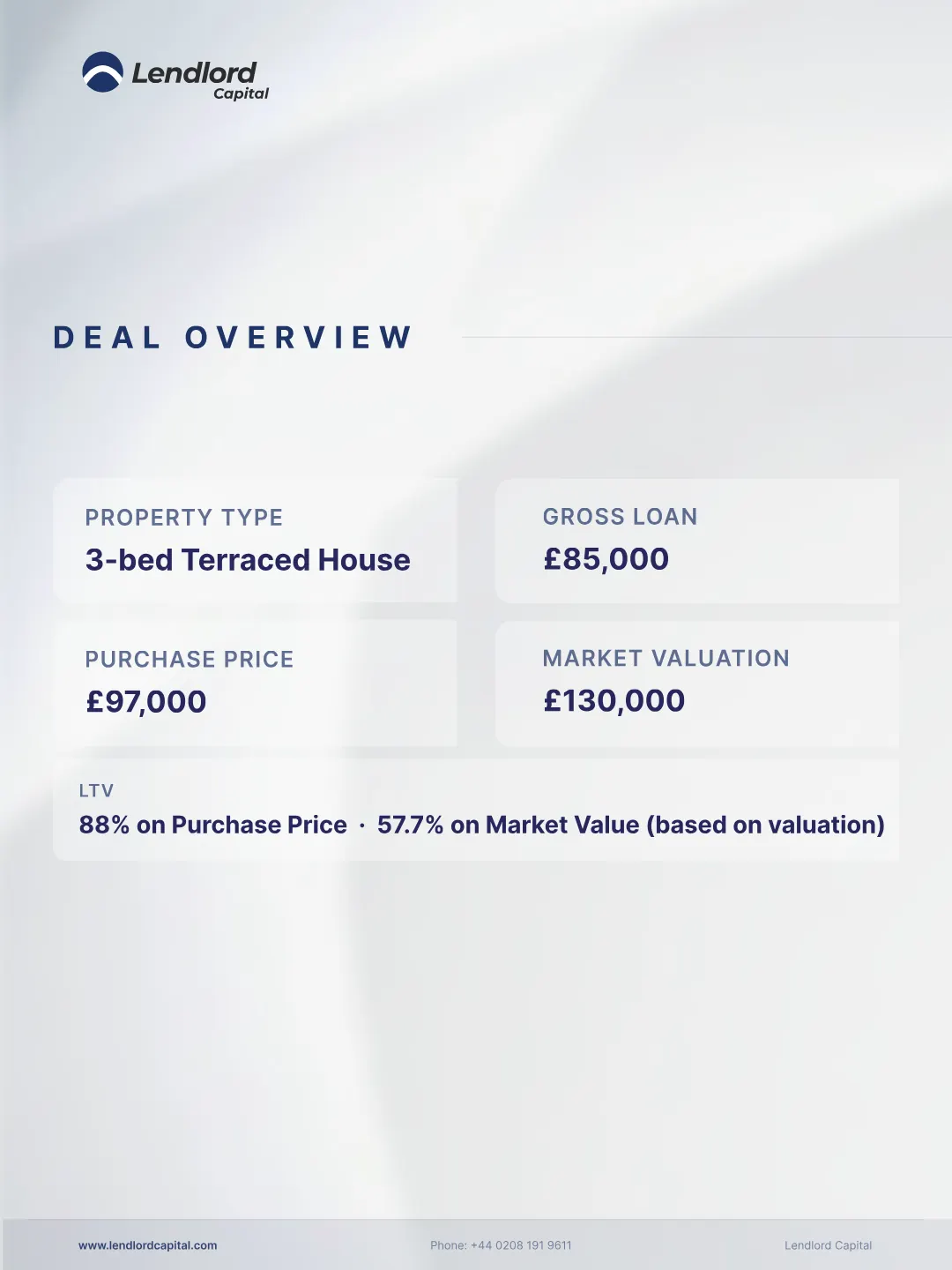
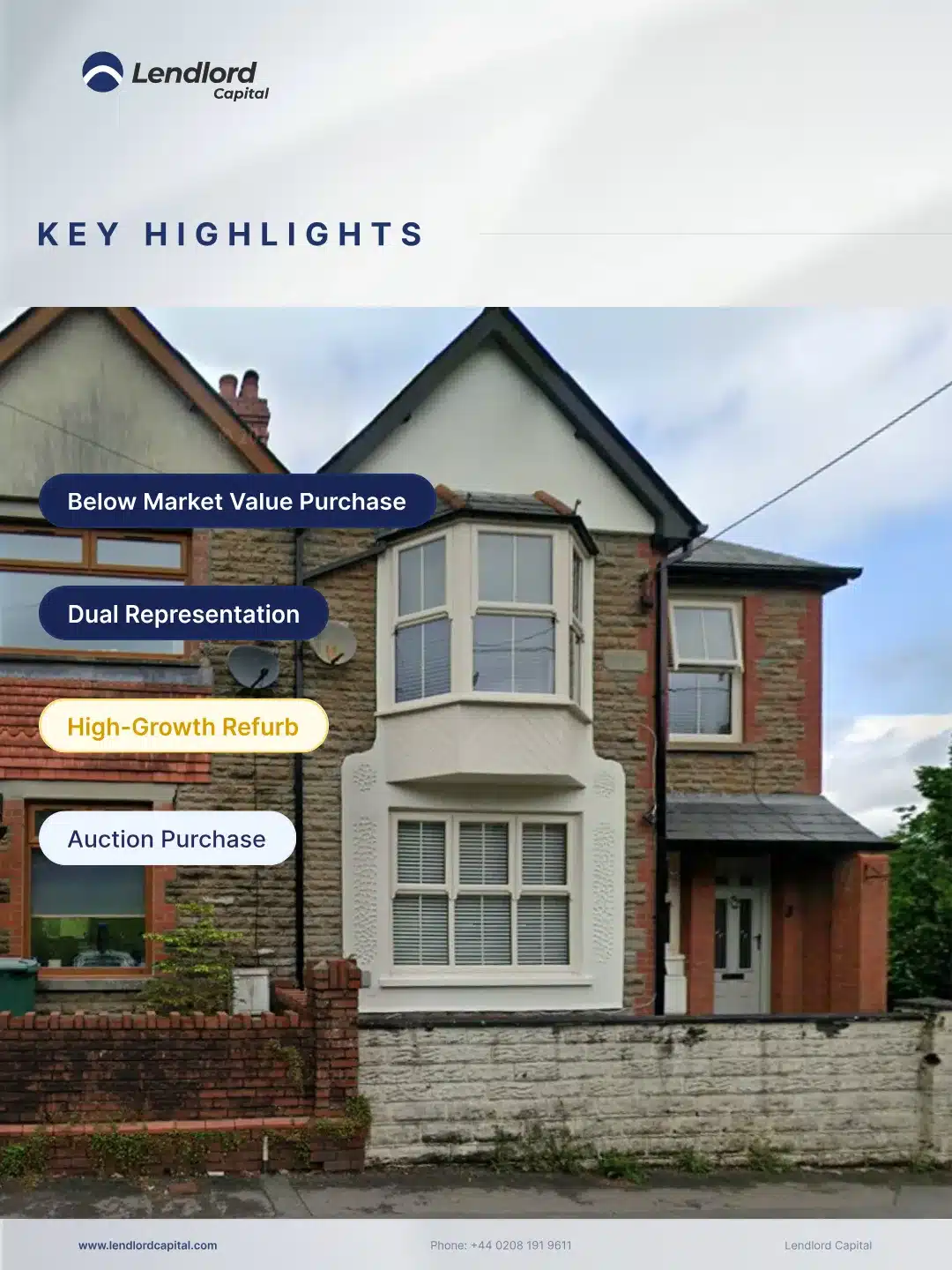
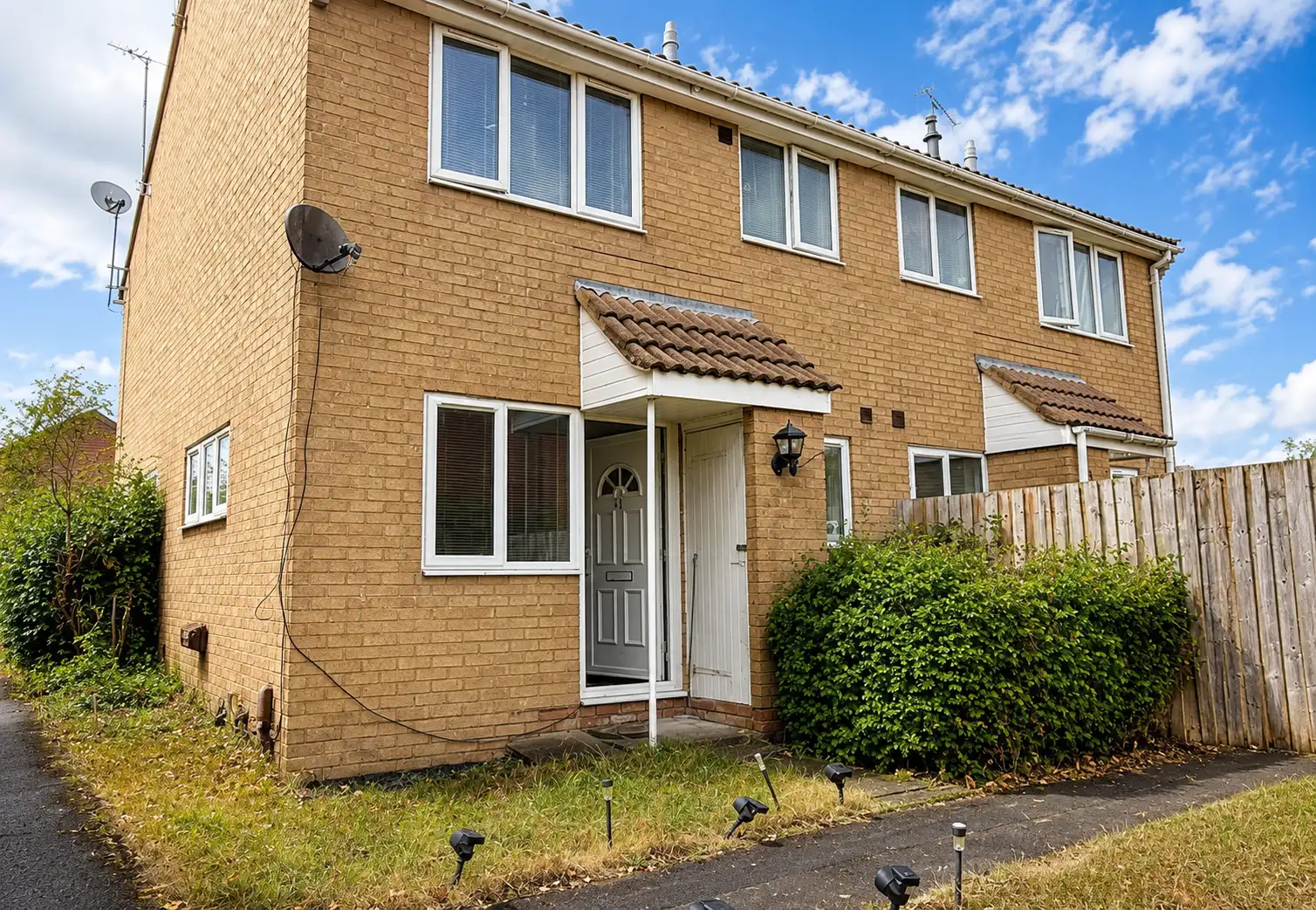
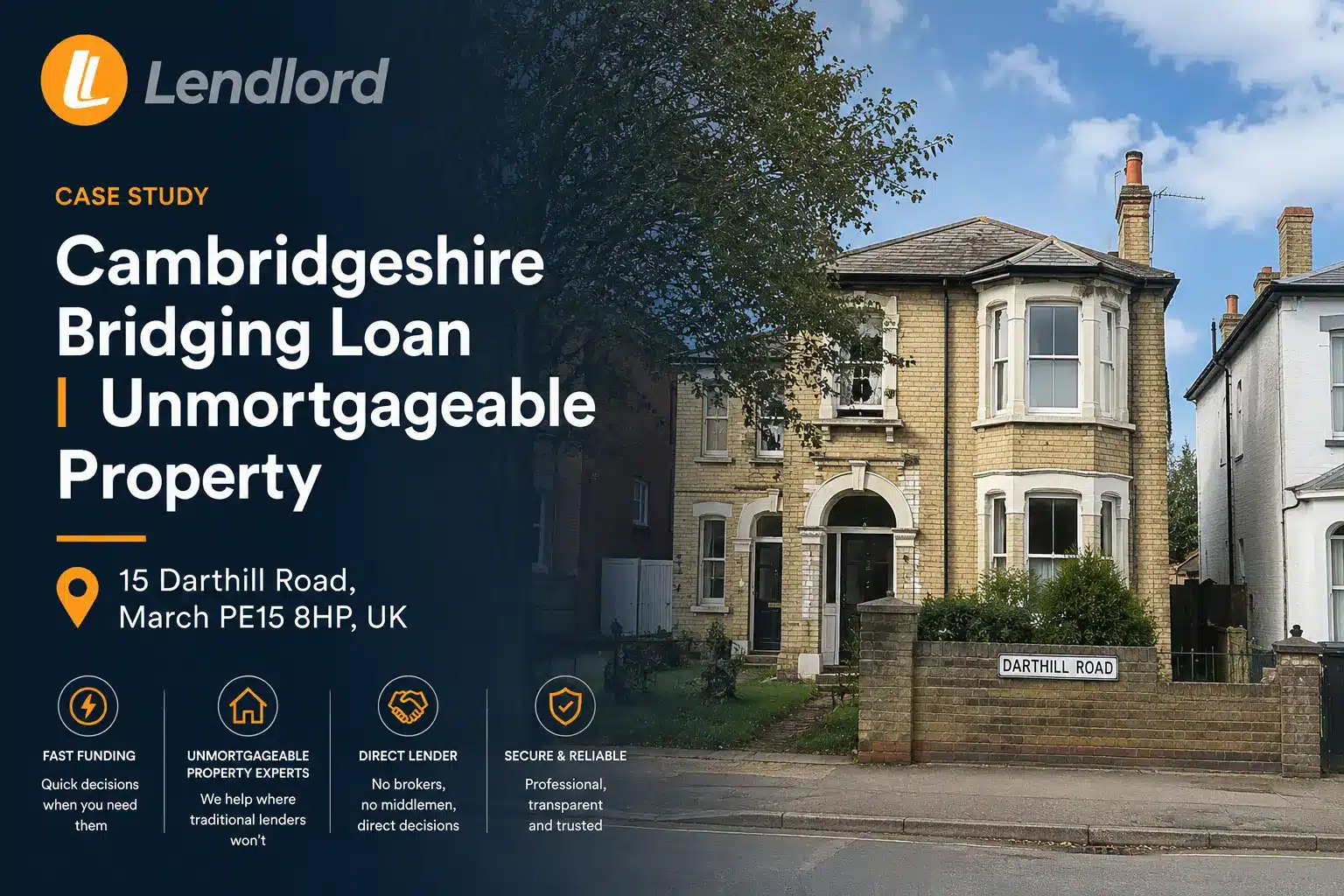
Bridging loan deals case studies
Guides & tools
Bridging Loan Rates 2026LTV tiers, fees and total cost Bridging CalculatorModel your deal costs and feesDeal types
Auction FinanceComplete inside the 28-day deadline Buy-to-Let BridgingClose fast, let and refinance Refurbishment BridgingPurchase plus works in one facility Unmortgageable Property BridgingFund stock standard lenders decline Chain Break BridgingBuy before you sell HMO Conversion FinanceArticle 4 areas and HMO exits BRRR Bridging FinanceBuy, refurbish, refinance, repeat Bad Credit BridgingCCJs, IVAs and defaults consideredOther UK locations
Bridging Loans LondonSouth East borough data and commuter deals Bridging Loans CambridgeshireCambridge and county district data and deals Short Term Bridging Loans WiltshireSwindon and county district data and deals Bridging Loans BirminghamWest Midlands borough data and deals Bridging Loans ManchesterGreater Manchester borough data and deals Bridging Loans LeedsWest Yorkshire district data and deals Reviewed by Claire - Senior Bridging Specialist
12+ years in property finance - CeMAP qualified - Bridging & BRRR specialist
Reviewed by Claire - Senior Bridging Specialist
12+ years in property finance - CeMAP qualified - Bridging & BRRR specialist
About Lendlord
Lendlord is a UK PropTech platform that helps property investors source, analyse, fund, and manage property deals in one place. As a direct bridging lender, Lendlord provides bridging loans from £30k-£3M at rates from 0.75% pm, with completions from 5 days and no broker fees. The platform serves investors across the UK, US, and Canada, with tools including AI sourcing, BTL/BRRR/flip analysers, portfolio management, and Making Tax Digital compliance.
Commercial Property Awards 2026 Finalist. Property Reporter Awards 2022 Winner.
Lendlord is a direct lender of short-term property finance to UK investors. This page is informational and does not constitute financial advice. Your property may be repossessed if you do not keep up repayments or repay the loan at the end of the term. Rates and terms are indicative and subject to individual assessment.