BRRR Bridging Finance - Buy, Refurbish, Refinance, Repeat
Fund a below-market buy and the refurbishment in one facility, then refinance at the new value and recycle your cash into the next deal. Lendlord lends up to 75% of value and up to 70% of GDV for works, at rates from 0.75% pm , with completion in as little as 5 working days . Direct lender, no broker fees.
- 0.75%
- Rate p/m
- 70%
- Of GDV
- 5 days
- To Complete
- £30k-£3M
- Loan Size
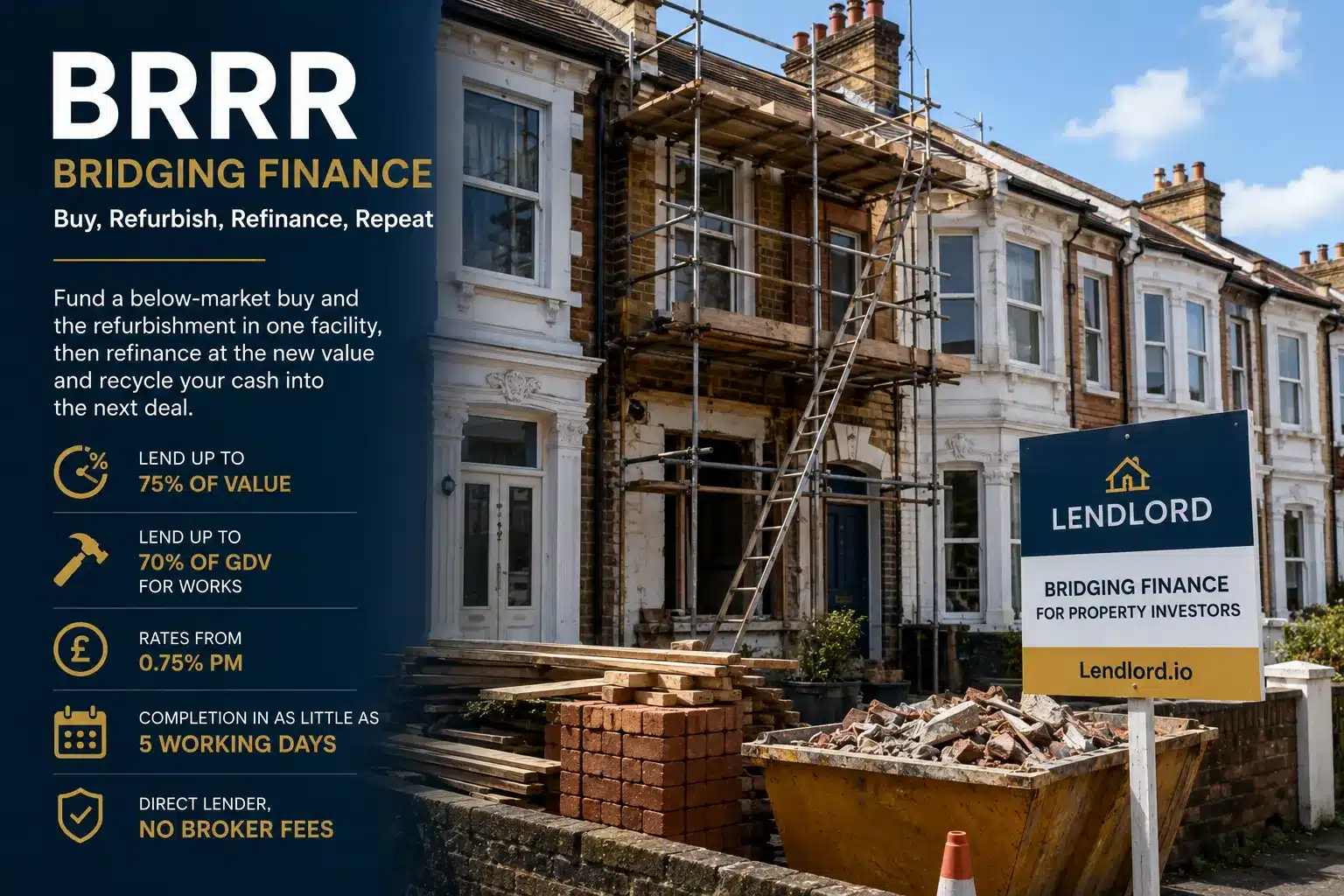
BRRR bridging finance uses short-term bridging loans for property purchase to fund a below-market purchase and the refurbishment works upfront. Once the property is renovated and revalued higher, you refinance onto a buy-to-let mortgage, repay the bridge, and recycle your deposit into the next deal - so the same pot of cash keeps buying properties.
How the BRRR strategy works
BRRR stands for Buy, Refurbish, Refinance, Repeat. It is the engine serious investors use to grow a portfolio without needing fresh deposit cash for every purchase. The whole model hinges on one thing: forcing the value of a property up through refurbishment, then borrowing against that new, higher value.
1. Buy: Acquire below market value - often a tired, unmortgageable or auction property a standard mortgage will not touch.
2. Refurbish: Renovate to add value and make it lettable, with the works funded in tranches.
3. Refinance: Once revalued higher, remortgage onto a long-term buy-to-let mortgage to repay the bridge and pull capital back out.
4. Repeat: Recycle the released cash as the deposit for the next deal - and do it again.
"BRRR only works if you can fund the buy and the works fast, then refinance cleanly. The bridge is the bit that makes the whole cycle spin."
Claire - Senior Bridging Specialist, Lendlord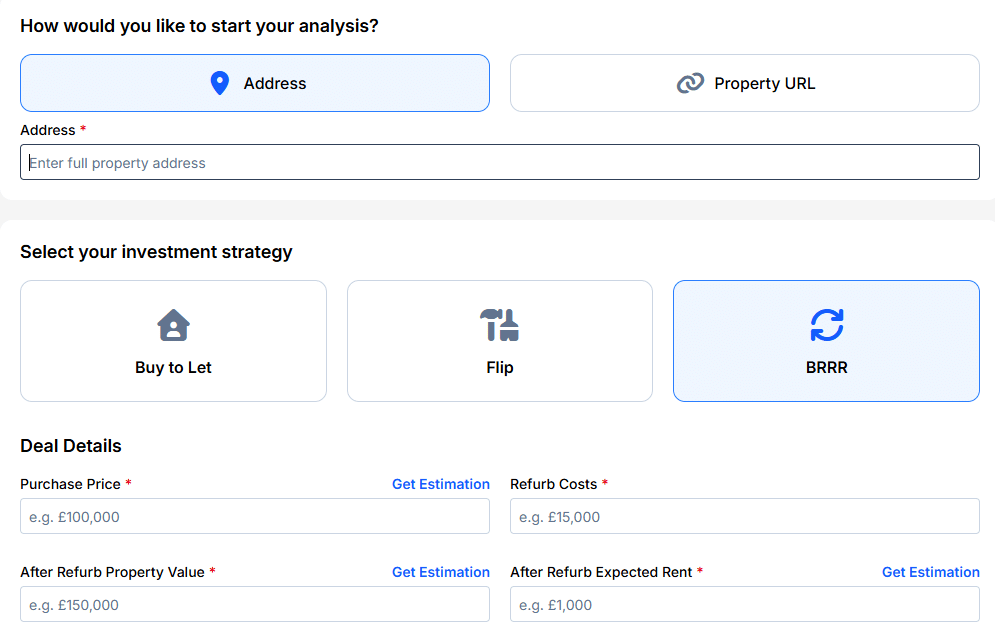
Why BRRR needs bridging finance
A standard buy-to-let mortgage cannot power BRRR for two reasons. First, the best BRRR targets are unmortgageable on day one - no kitchen, no bathroom, or in serious disrepair - so a term lender declines them. Second, a mortgage takes weeks and will only lend against the purchase price, not the post-refurbishment value, so it leaves your cash trapped in the deal.
Bridging finance solves both. It funds the buy and the works upfront, regardless of condition, and completes in days. Then, once the refurbishment lifts the value, you refinance against that higher figure - which is exactly what lets you pull your money back out.
How much can you borrow - and recycle?
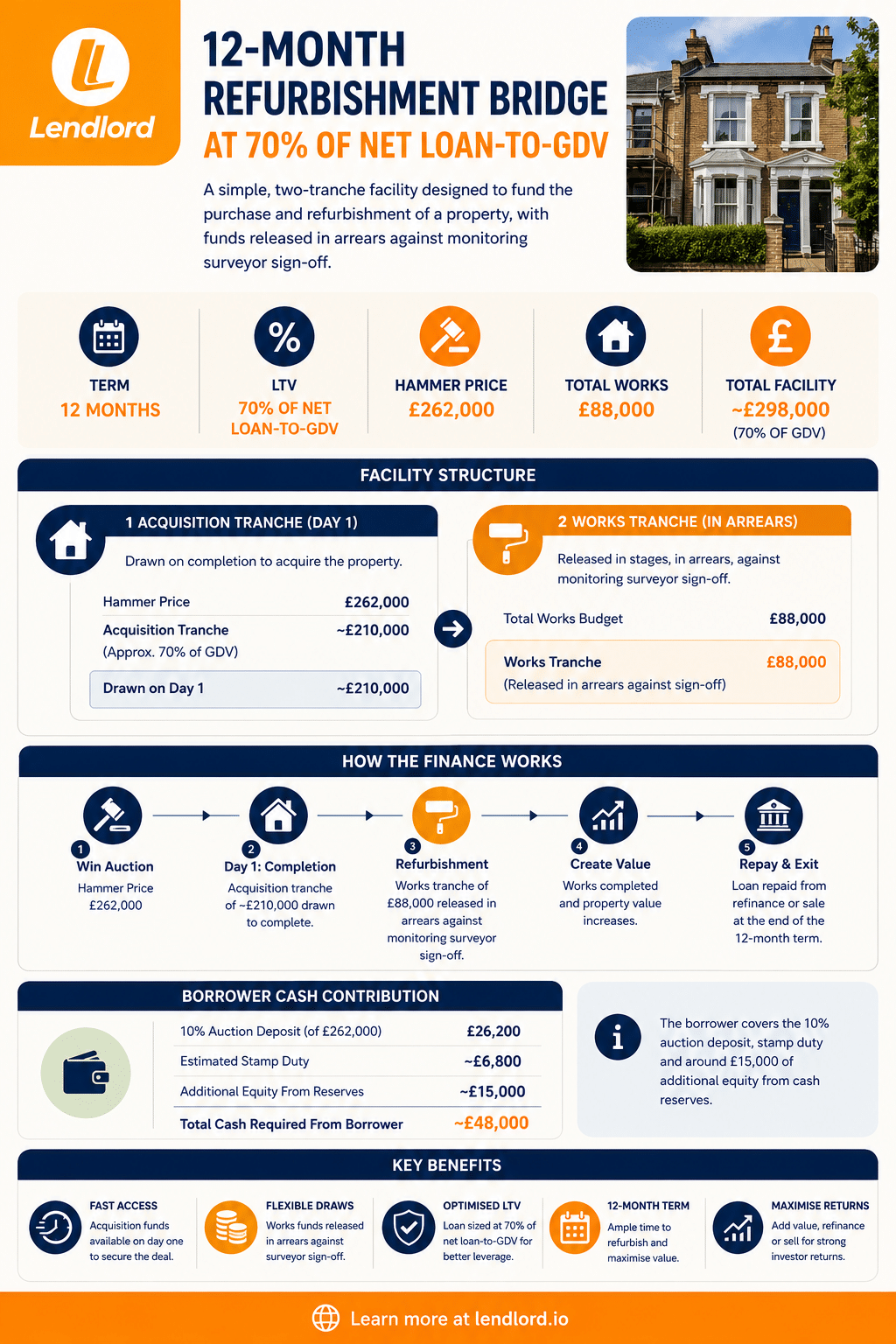
Lendlord funds up to 75% of the property value towards the purchase and up to 70% of the gross development value (GDV) for the works, released in tranches against monitoring surveyor sign-off. The key BRRR number, though, is the refinance: a buy-to-let lender will typically advance up to 75% of the new, revalued figure. The bigger the uplift, the more of your original cash you get back.
| Stage | Figure | Notes |
|---|---|---|
| Purchase price | £150,000 | Tired, below-market terraced house |
| Bridge to purchase (75%) | £112,500 | Released on day one |
| Refurbishment works | £35,000 | Funded in tranches |
| Cash in (deposit + works + costs) | £80,000 | Your money in the deal |
| Revaluation after refurb | £230,000 | Forced appreciation |
| Refinance at 75% of new value | £172,500 | Repays bridge, releases capital |
| Money left in | ~£7,500 | Most of your cash recycled |
Figures are illustrative - your terms depend on the property, the works and the end value. Model your own numbers with our bridging calculator.
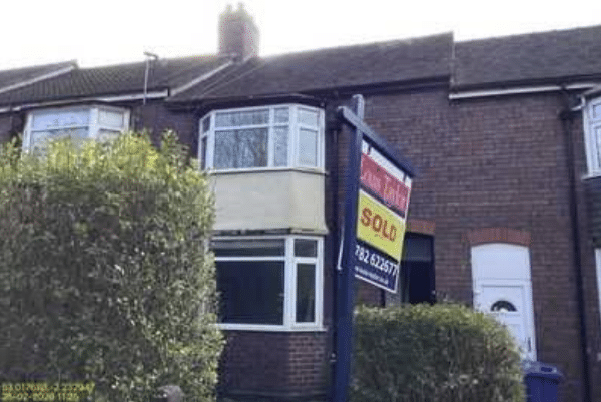
For a worked example of a high-leverage below-market deal, see how an investor bought a £276k 9-bed HMO for £23k down in our 9-bed HMO case study.
The refinance: timing and the six-month rule
Your exit is the refinance, so plan it from day one. Many buy-to-let lenders apply a six-month rule - they will only remortgage at the new, higher value once you have owned the property for six months - although day-one and early-remortgage products do exist. We structure the bridge term to give you comfortable headroom around your chosen refinance lender's rules, so you are never forced to exit before the value and the let are in place.
Day 1: Submit the deal and your refurbishment numbers online - indicative terms the same day.
Days 1-2: Heads of Terms issued; valuation and the works schedule reviewed for the uplift.
Days 2-5: Valuation, legals and funds released - works tranches drawn as each stage signs off.
Month 6+: Property let and revalued - refinance onto a BTL mortgage and recycle your cash.
BRRR bridge vs buy-to-let mortgage
| Feature | Lendlord BRRR Bridge | BTL Mortgage |
|---|---|---|
| Funds unmortgageable property | Yes | No |
| Funds the refurbishment | Up to 70% of GDV | No |
| Lends against post-refurb value | Yes (on exit) | Purchase price only |
| Time to complete | 5-7 days | 6-8 weeks |
| Broker fees | £0 (direct lender) | Varies |
| Term | 1-18 months | 25-35 years |
What you need to apply
- Photo ID and proof of address
- Details of the property and the purchase price
- A schedule of works and refurbishment budget
- An estimated post-refurbishment value (GDV) with comparables
- A clear refinance exit - lender, product and expected timing
- Asset & liability summary (and company docs if buying through an SPV)
Adverse credit, CCJs and limited companies are all welcome - each BRRR case is judged on the security and a credible refinance exit, not a credit score alone.
Ready to run your next BRRR deal?
Get an agreement in principle in minutes - indicative terms for your next BRRR deal, no obligation, no credit check.
Get Your Instant Quote Calculate My CostsDirect lender • No broker fees • Recycle your capital
BRRR bridging finance - frequently asked questions
What is BRRR and how does bridging finance fit in?
BRRR stands for Buy, Refurbish, Refinance, Repeat. A bridging loan funds the below-market purchase and the refurbishment works upfront; once the property is renovated and revalued higher, you refinance onto a long-term buy-to-let mortgage, repay the bridge, and recycle your deposit into the next deal.
How much can I borrow for a BRRR project?
Lendlord lends up to 75% of the property value towards the purchase and up to 70% of the gross development value (GDV) to cover the works, released in tranches against monitoring surveyor sign-off. The end value after refurbishment determines how much capital you can pull back out on refinance.
Can I pull all of my money back out with BRRR?
It depends on the uplift. If the refinance value is high enough that 75% of it covers your total bridge (purchase plus works plus costs), you can recycle most or all of your cash. Where the uplift is smaller, some money stays in the deal - this is the "money left in".
Is there a minimum ownership period before I can refinance?
Many buy-to-let lenders apply a six-month rule before they will remortgage at the new, higher value, though day-one and early-remortgage products exist. We structure the bridge term to give you comfortable headroom around your chosen refinance lender's rules.
What is the exit strategy on a BRRR bridge?
The standard exit is to refinance onto a long-term buy-to-let or HMO mortgage once the refurbishment is complete and the property is let, releasing capital and repaying the bridge. Selling the finished property is an alternative exit.
Do you charge broker fees on BRRR bridging finance?
No. Lendlord lends directly, so no broker fees or intermediary commissions are skimmed from the capital you are working to recycle - you deal straight with our BRRR bridging team.
Related bridging finance
Bridging loan deals case studies
Guides & tools
What Is a Bridging Loan?How bridging works, rates and uses Bridging Loan Rates 2026LTV tiers, fees and total cost Bridging CalculatorModel your deal costs and feesDeal types
Auction FinanceComplete inside the 28-day deadline Buy-to-Let BridgingClose fast, let and refinance Refurbishment BridgingPurchase plus works in one facility Unmortgageable Property BridgingFund stock standard lenders decline Chain Break BridgingBuy before you sell HMO Conversion FinanceArticle 4 areas and HMO exits Bad Credit BridgingCCJs, IVAs and defaults consideredOther UK locations
Bridging Loans LondonSouth East borough data and commuter deals Bridging Loans CambridgeshireCambridge and county district data and deals Short Term Bridging Loans WiltshireSwindon and county district data and deals Bridging Loans BirminghamWest Midlands borough data and deals Bridging Loans ManchesterGreater Manchester borough data and deals Bridging Loans LeedsWest Yorkshire district data and deals Reviewed by Claire - Senior Bridging Specialist
12+ years in property finance - CeMAP qualified - BRRR & HMO specialist
Reviewed by Claire - Senior Bridging Specialist
12+ years in property finance - CeMAP qualified - BRRR & HMO specialist
About Lendlord
Lendlord is a UK PropTech platform that helps property investors source, analyse, fund, and manage property deals in one place. As a direct bridging lender, Lendlord provides bridging loans from £30k-£3M at rates from 0.75% pm, with completions from 5 days and no broker fees. The platform serves investors across the UK, US, and Canada, with tools including AI sourcing, BTL/BRRR/flip analysers, portfolio management, and Making Tax Digital compliance.
Commercial Property Awards 2026 Finalist. Property Reporter Awards 2022 Winner.
Lendlord is a direct lender of short-term property finance to UK investors. This page is informational and does not constitute financial advice. Your property may be repossessed if you do not keep up repayments or repay the loan at the end of the term. Rates and terms are indicative and subject to individual assessment.