Bridging Loan for Refurbishment: Step-by-Step Guide
Published · Updated · 8 min read
Property investors often require rapid capital to transform distressed assets into high-yielding rental units within the UK property market. This guide explains how landlords can secure a bridging loan for refurb projects to maximize their investment returns. By following these steps, you will navigate the complex lending landscape and achieve a successful property exit.
Lendlord provides the sophisticated digital tools necessary to analyze deal viability and manage the entire financing lifecycle efficiently. Understanding the distinction between light and heavy refurbishment is essential for any modern property investor. These loans provide the necessary liquidity to purchase unmortgageable properties or secure assets at auction.
You must focus on the Gross Development Value (GDV) to ensure the project remains profitable. A well-structured bridging loan helps you make your portfolio work for you by unlocking hidden equity. This guide details the technical requirements, costs, and strategies for successful refurbishment financing in the current market.
Please note that AI outputs are informational and professional financial advice may be needed for your specific circumstances.
The Quick Summary of Refurbishment Bridging Finance
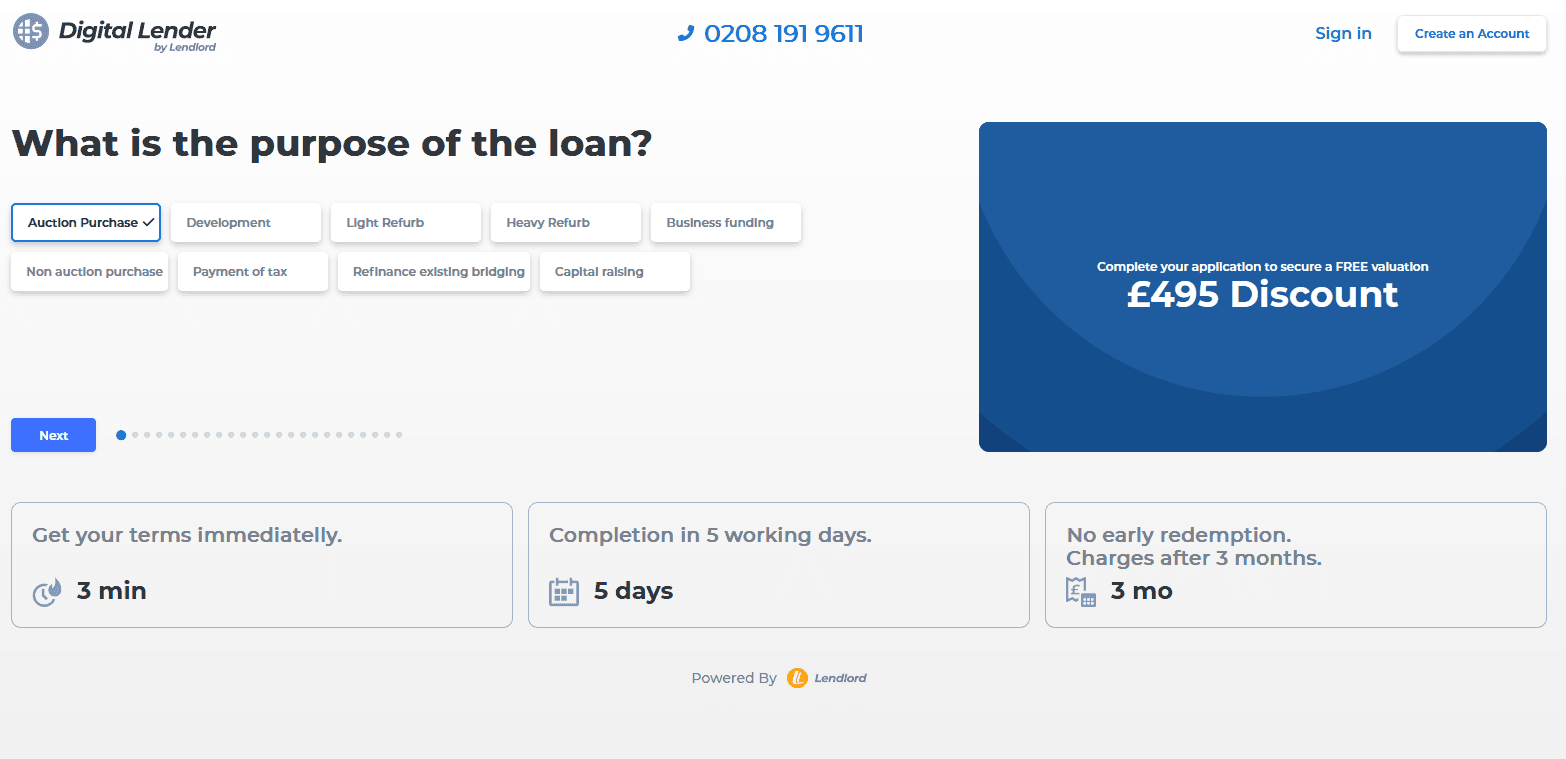
To secure a bridging loan for refurb projects, you will identify your refurbishment type and apply using a digital platform. This process requires a clear exit strategy and a detailed schedule of works to satisfy lender criteria. Key financial benchmarks for these loans include:
- Loan to Value (LTV): Typically between 70% and 85% of the asset value.
- Refurbishment Categories: Light (cosmetic) vs. Heavy (structural).
- Interest Rates: Monthly rates generally range from 0.5% to 1.5%.
- Management Tool: The Lendlord Finance Hub for rate comparison and application tracking.
Using Lendlord allows you to compare rates and manage your application from a single dashboard. This financial tool is designed for speed and flexibility in competitive property markets.
Actionable Steps for Refurbishment Financing
- Determine the Refurbishment Scope
- Calculate the Gross Development Value
- Prepare a Detailed Schedule of Works
- Establish a Clear Exit Strategy
- Use Lendlord to streamline the application
- Gather Necessary Financial Documentation
- Evaluate Interest Payment Structures
- Execute the Loan Agreement and Valuation
Watch: Understanding bridging loans for property refurbishment
Determine the Refurbishment Scope (Light vs. Heavy)
Property investors must categorize their project as either light or heavy refurbishment based on the planned works. Light refurbishment involves cosmetic changes such as painting, new flooring, or installing a modern kitchen and bathroom. These projects typically do not require planning permission or structural alterations to the building.
Heavy refurbishment involves significant structural changes like extensions, basement conversions, or changing the number of units. Lenders often use the 25% rule to distinguish between these two categories. If the cost of works exceeds 25% of the property value, the project is usually classified as heavy refurbishment.
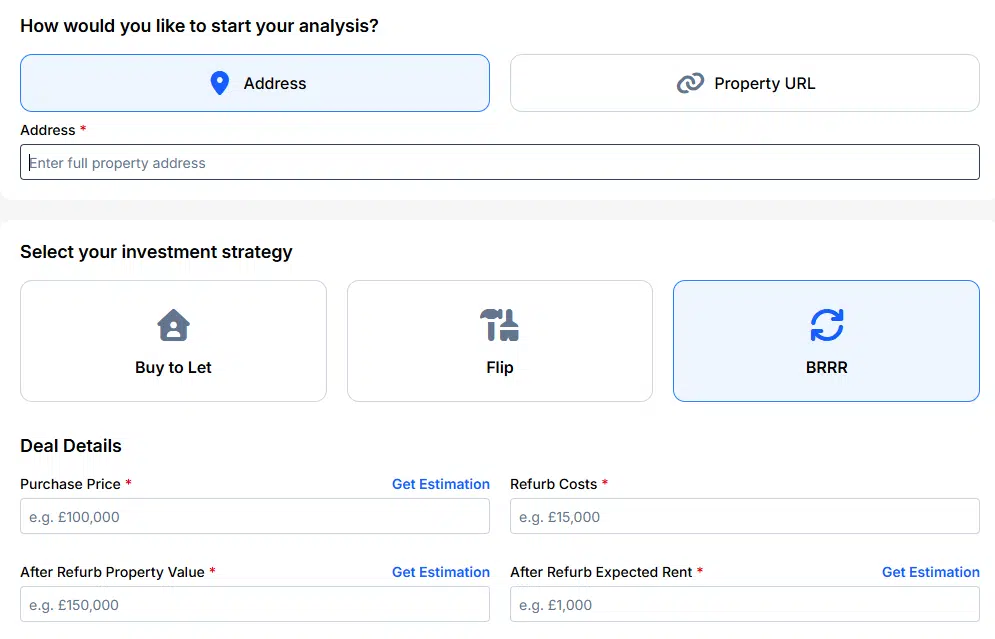
Lendlord's BRRR Calculator - analyze Buy, Refurbish, Refinance, Rent deals instantly
Try the BRRR CalculatorCalculate the Gross Development Value (GDV)
The Gross Development Value (GDV) represents the estimated market value of the property once all refurbishment works are complete. Bridging lenders use the GDV to determine the maximum loan amount they are willing to provide for a project.
Investors should research local comparable sales to provide a realistic valuation for the finished asset. Accurate calculations are vital because they influence total borrowing costs and potential profit margins. Lendlord offers analytical tools that help you estimate this value based on current market data and trends. This helps you maintain a healthy Loan to Cost (LTC) ratio throughout the project.
@theanxiousinvestor Landlords AI is a cost estimation tool that generates a full refurbishment breakdown in seconds. When you're analysing on market deals, auction properties or using deal analysers - Lendlord AI helps you understand estimated numbers. It is not a replacement tool for builders / contractors etc however! It's just an extra tool to put as part of your deal analysis kit. #landlord#lendlord#ai#invest#investing♬ INTERESTELLAR - Kore Blanco
Watch: How Lendlord AI generates a full refurbishment cost breakdown in seconds
Prepare a Detailed Schedule of Works (SoW)
A schedule of works (SoW) is a comprehensive document listing every task required to complete a renovation project. The SoW must include specific timelines and cost estimates for materials and labor for each stage of the refurbishment.
Lenders review this document to assess the feasibility of the project and the associated risks. Investors should include a contingency fund of at least 10% to 15% to cover unexpected expenses. This document demonstrates professionalism and helps secure better interest rates from competitive bridging lenders. Clear documentation ensures that the lender understands the scope of the property transformation.
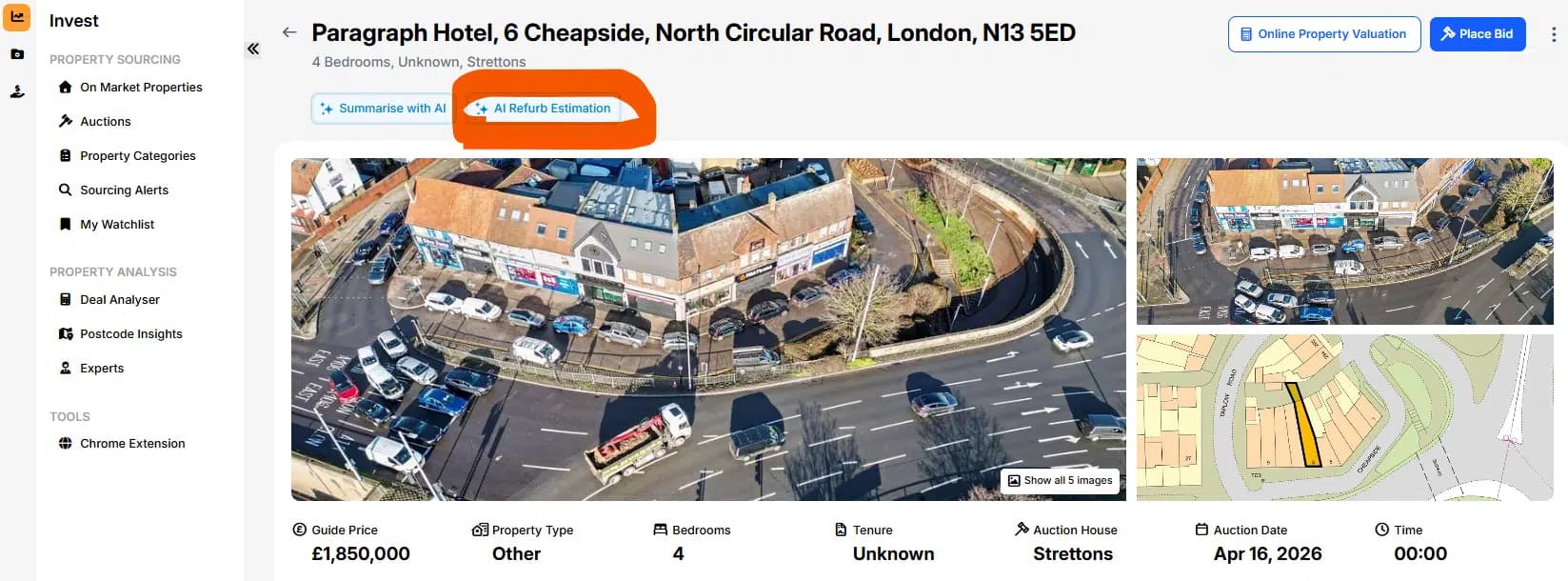
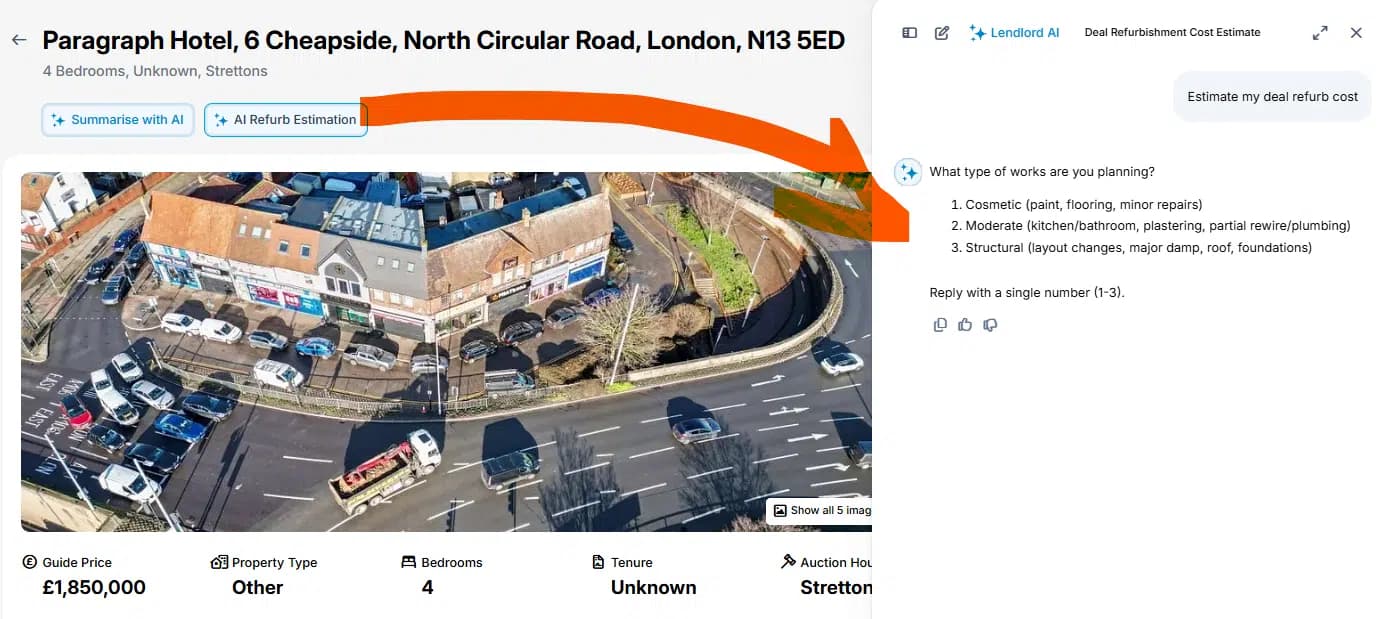
Lendlord's AI Refurbishment Estimation - get instant cost projections for your refurb project
Get AI Refurbishment EstimationEstablish a Clear Exit Strategy for Loan Repayment
An exit strategy is the primary method an investor will use to repay a bridging loan at the end of the term. The two most common strategies are selling the property for a profit or refinancing onto a long-term mortgage.
Lenders prioritize the viability of the exit strategy over personal income during the underwriting process. If the plan is to refinance, investors should check eligibility for a Buy-to-Let (BTL) mortgage before starting. A solid exit strategy reduces the risk of default and protects property assets from potential repossession. This planning ensures you can make your portfolio work for you effectively.
Watch: How to plan your bridging loan exit strategy
Use the Lendlord Finance Hub for Application Management
The Lendlord Finance Hub simplifies the refurb bridging loan application process for refurbishment bridging loans by connecting investors to over 40 specialized lenders.
Lendlord differentiates itself by integrating Gross Development Value (GDV) projections directly with current mortgage stress-test calculators, ensuring the exit strategy is mathematically sound before the loan is issued. The platform allows users to track the progress of their application in real time and communicate with finance experts. By using these digital tools, investors ensure that their data is organized and professional for lender review. This efficiency helps secure funding faster than traditional manual application methods.
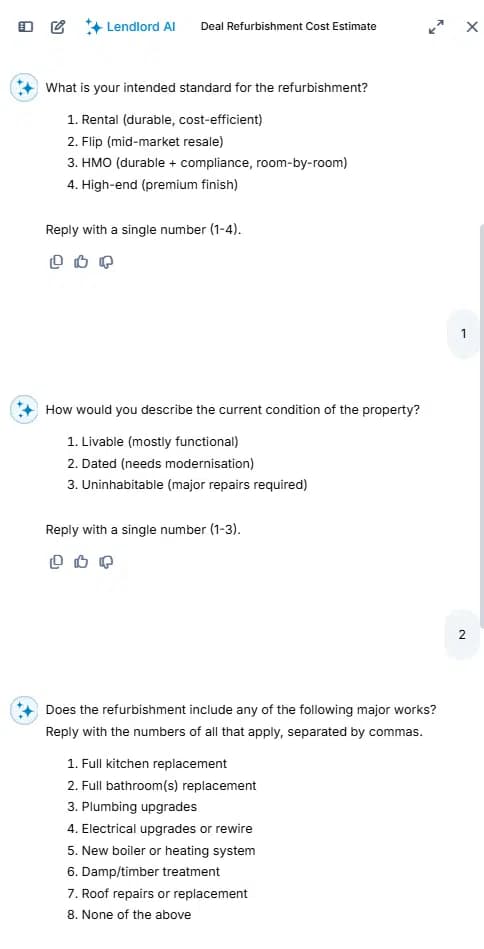
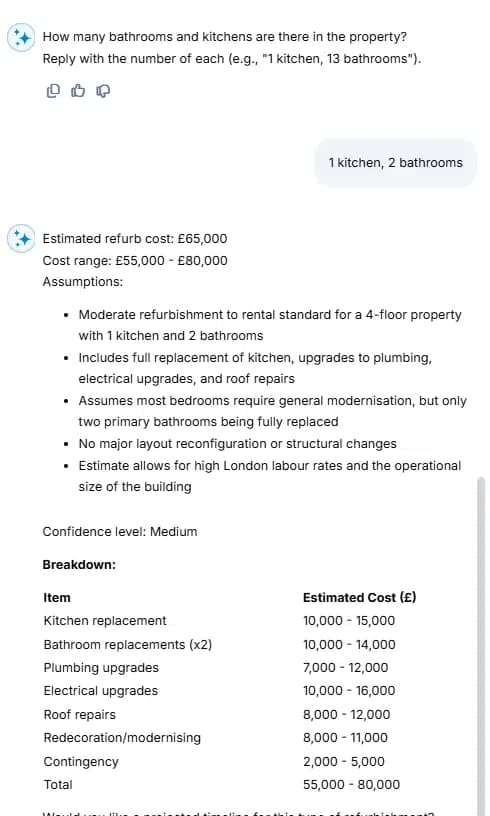
Refurbishment estimation questionnaire - assess the bridging loan amount you need
Start Your Refurb EstimationGather Necessary Financial Documentation for Bridging Lenders
Landlords must provide several documents to support a bridging loan application to the chosen lender. These typically include proof of identity, a three-month history of bank statements, and details of the current property portfolio.
You must also provide the purchase contract if you are buying the property at a public auction. Lenders will require a copy of the schedule of works and the estimated Gross Development Value. Organizing these documents early in the process prevents delays and ensures a smoother approval experience. Digital storage through Lendlord makes managing these files easier for busy landlords.

Evaluate Interest Payment Structures (Serviced vs. Rolled-up)
Bridging loans offer different ways to handle interest payments including monthly serviced, rolled-up, or retained interest. Monthly serviced interest requires the borrower to pay the interest charges every month throughout the duration of the loan.
Rolled-up interest allows the borrower to pay the total interest amount at the very end when the loan is repaid. Retained interest involves the lender deducting the total interest from the initial loan advance at the start. Investors should choose the structure that best fits their project cash flow and overall investment strategy. Understanding these costs helps maintain a profitable Gross Development Value.
Execute the Loan Agreement and RICS Valuation
Once a lender provides an initial quote, they will instruct a RICS (Royal Institution of Chartered Surveyors) surveyor to perform a professional valuation. This valuation confirms the current value of the property and the projected value after the refurbishment is finished.
The borrower then receives a formal loan offer which must be reviewed with a legal representative. After signing the agreement, the funds are typically released to a solicitor to complete the property transaction. Investors must understand all fees including arrangement fees, valuation fees, and any potential exit fees before signing. This final step secures the capital needed for the renovation.
Frequently Asked Questions
How to apply for a bridge loan online?
You can apply for a bridge loan online by using the Lendlord Finance Hub to submit your project details. The digital platform guides you through the necessary steps and helps you organize your documentation for lenders.
Lendlord simplifies the connection between investors and specialized bridging providers to ensure a fast decision. This digital approach is more efficient than traditional methods.
What are the typical interest rates for short term auction finance?
Typical interest rates for auction finance range from 0.5% to 1.5% per month. Lendlord helps you compare these rates across various lenders to find the most competitive deal for your auction purchase.
Rates depend on your experience and the property type you are buying. You can use Lendlord to calculate the total cost of borrowing before bidding.
Can I get a bridging loan for an HMO conversion?
Yes, you can secure a bridging loan for an HMO conversion which is usually classified as a heavy refurbishment. Lendlord provides tools to analyze the potential rental yield of an HMO to ensure the project is viable.
This analysis is crucial for securing high LTV offers from specialized lenders. HMO conversions often require specific planning permissions and building regulations.
Is a bridging loan suitable for the BRRR strategy?
A bridging loan is an ideal tool for the Buy, Refurbish, Refinance, Rent (BRRR) strategy to acquire distressed properties. Lendlord supports this strategy by helping you transition from short-term bridging finance to a long-term Buy-to-Let mortgage.
This ensures a smooth exit and allows you to recycle your capital for the next project. Managing the timeline is easier with Lendlord digital tracking.
What is the difference between a first charge and a second charge loan?
A first charge loan is the primary debt secured against a property while a second charge is a subordinate debt. Lendlord can assist you in determining which security structure is appropriate for your specific refurbishment project and financial situation.
Most refurbishment bridging loans are taken as a first charge to maximize borrowing capacity. The charge type affects the interest rate offered.
Watch: First charge vs second charge bridging loans explained
Why do lenders require a schedule of works for refurb projects?
Lenders require a schedule of works to assess the risk and feasibility of the renovation before approving the loan. Lendlord allows you to store and share this document easily with potential lenders to speed up the approval process.
It must include detailed costs and timelines for every stage of the project. This document serves as a roadmap for your investment success.
What happens if I cannot repay the loan on time?
If you cannot repay the loan on time, the lender may charge penalty fees or eventually repossess the property. Lendlord helps you monitor your loan terms and exit dates to ensure you have sufficient time to refinance or sell.
Proper planning and a realistic timeline are essential to avoid these risks. You should always have a backup exit strategy in place.
Are there any hidden fees in refurbishment bridging loans?
Most fees are disclosed upfront and include arrangement fees, valuation fees, and legal costs for the lender and borrower. Lendlord provides a transparent breakdown of these costs so you can accurately calculate your total investment expenses.
You should also check for exit fees or early repayment charges in the loan agreement. Transparency helps you maintain better profit margins on your refurb.