House Flipping UK 2026: Costs, Rules and How Landlords Profit
Published · Updated · 9 min read

House flipping means buying a discounted property, improving it, and selling for a profit, usually within a short hold period. UK landlords underwrite stamp duty, bridging or cash finance, works, and a realistic after-repair value before they bid. Model the full exit in a flip calculator so costs do not erase the margin.
This guide is for UK landlords and property investors who want a clear house flipping playbook for 2026: costs, compliance, worked numbers, and the Lendlord Flip Analyser / BRRRR tools that replace spreadsheet guesswork. You will learn how to spot a property to flip, build a flip-or-flop book, and decide when a sale beats a refinance hold.
At a glance
- Definition: House flipping = buy, add value, sell for profit on a short hold.
- SDLT: Additional dwellings usually attract a 5% surcharge on top of residential bands (from 31 Oct 2024).
- Contingency: Budget at least 10% of works for surprises (Lendlord Flip Analyser H1 2026 pattern).
- Finance: Auction and heavy refurb flips often need bridging, not a standard BTL mortgage.
- 2026 tenancies: Interim lets can trigger Renters Rights Act duties and slower vacant possession.
- Tools: Stress flips in the Flip Analyser and compare BRRRR refinance exits on the same asset.
Short: before you bid
Deal analysis
Underwrite the flip before emotions take over

Run purchase, works, and exit assumptions in one deal view so your house flipping margin is visible.
Open deal analysisWhat is house flipping?
House flipping is buying a residential property, adding value through works or repositioning, then selling it for a profit, usually within months rather than years. For UK landlords it is a capital-gain strategy, not a long-term rental yield play. The model only works when purchase price, stamp duty, finance, works, and selling costs leave a clear margin against a realistic after-repair value.
Successful flippers treat the project like a mini development: tight scope, contingency, and a diary for planning, building control, and marketing. Soft tip: write the exit date on day one, then reverse-engineer the weekly spend.
Flipping houses
Flipping houses in the UK usually means targeting discounted stock, funding works with cash or bridging, and selling to an owner-occupier or investor buyer. The profit is the sale price minus all-in cost. Landlords who already run portfolios often flip to recycle capital into the next deal.
Where the numbers support a long-term hold instead, switch the model to BRRRR rather than forcing a sale into a soft market. Compare both exits with a property deal analyser before you commit.
Property to flip
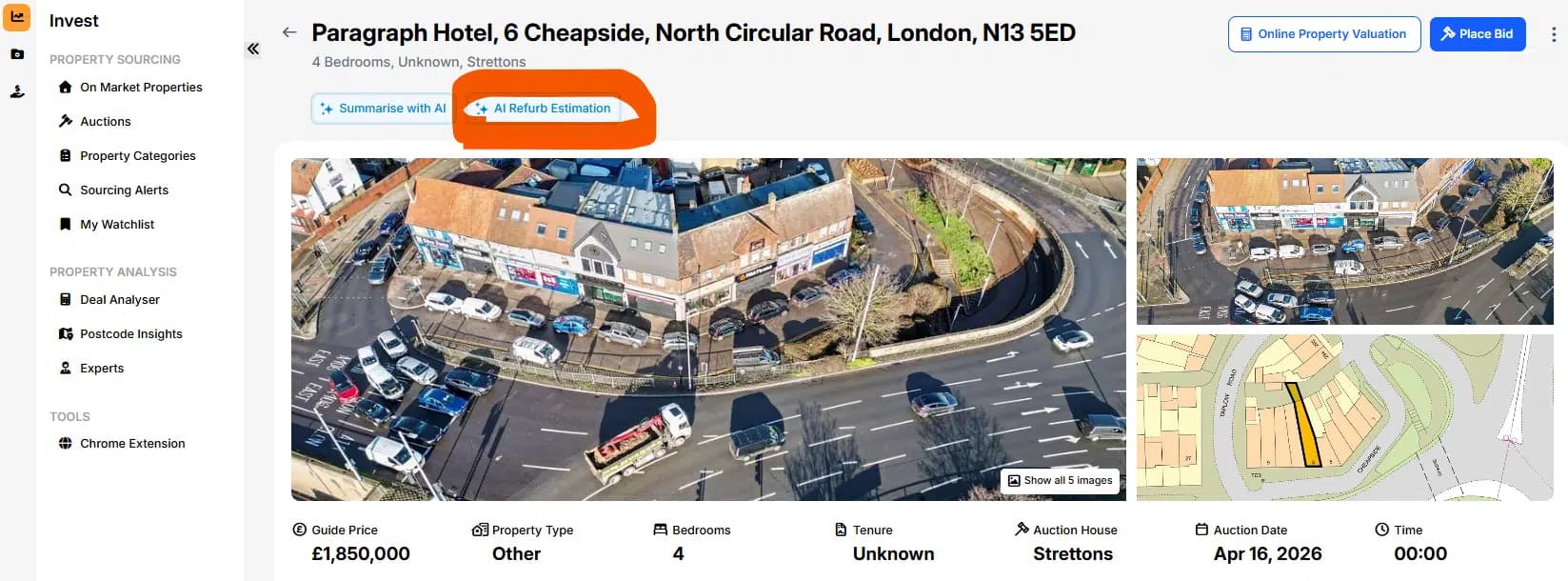
A strong property to flip shows a clear value-add: cosmetic uplift, layout change, EPC improvement, or resolving a mortgageability issue. Auction lots and tired rentals often appear here, but not every discount is a deal. You need evidence for ARV from local sold prices, not listing hopes.
Use sourcing alerts and watchlists so you are not reacting to the same stale Rightmove links as everyone else. Then run the works line honestly.
Auction sourcing
Find auction stock before the room gets busy

Scan lots, compare guide prices, and shortlist properties to flip without losing the completion clock.
Explore auction lotsFlip or flop book
A practical flip or flop book is your live deal file: purchase offer, SDLT, finance quotes, contractor quotes, contingency, ARV comps, and a sale timeline. If a line is missing, the deal is guessing. TV drama is entertainment; your book is the risk register.
Keep photos, invoices, and planning emails in one place so buyers' solicitors and your accountant can follow the trail. That habit also helps if you later refinance into a let instead of selling.
Flipping houses how to
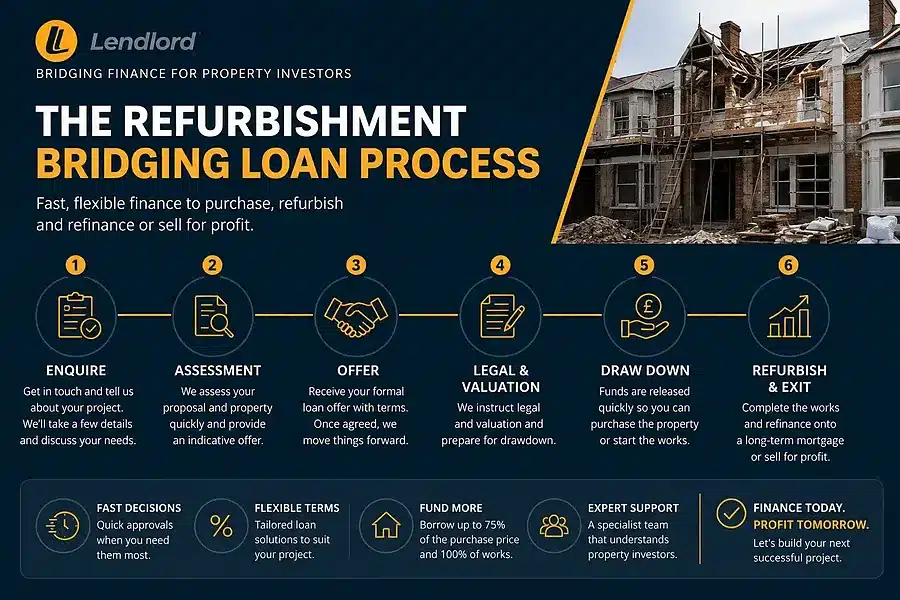
Flipping houses how to starts with underwriting, not wallpaper. Confirm the discount, the works, the finance path, and the buyer pool. Then secure funding that matches the timeline, usually bridging for auction or heavy refurb.
Anonymised Lendlord Flip Analyser runs in H1 2026 showed a useful pattern: models that included at least a 10% works contingency were far less likely to flip into a negative exit under a 5% ARV haircut. Build that buffer in before you fall in love with the kitchen tiles.
House flipping how to
House flipping how to for landlords means treating the project as a capital allocation decision alongside BTL. Decide your maximum cash tied up, your minimum net profit after costs, and your walk-away number. Then only bid inside those rails.
Works budget
Estimate refurb costs before you overbid
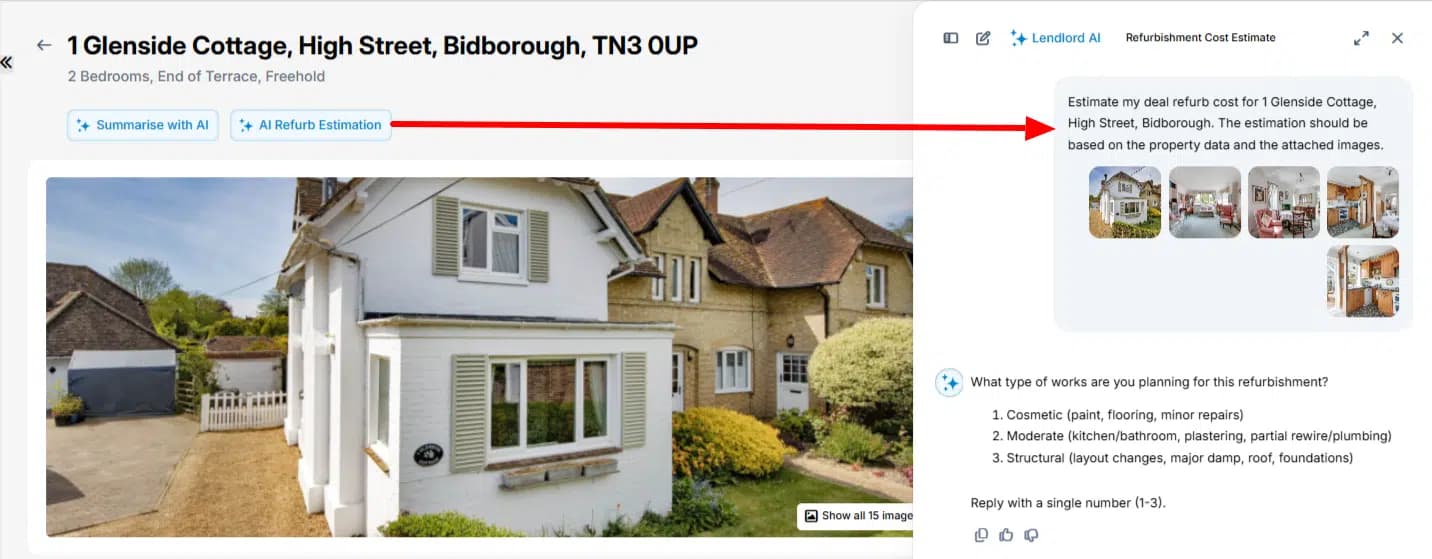
Break down likely works so your house flipping how to plan survives the first site visit.
Try AI refurb estimationWatch: deal analysis masterclass
House flipping costs and stamp duty bands (Updated July 2026)
Budget every statutory cost before you call a deal cheap. For additional residential purchases, higher rates of Stamp Duty Land Tax usually apply: a 5% surcharge on top of standard residential bands for transactions from 31 October 2024, with current residential thresholds updated from 1 April 2025. Always re-check GOV.UK higher rates guidance and the residential property rates page before exchange.
| Portion of purchase price | Higher rate (standard + 5%) |
|---|---|
| Up to £125,000 | 5% |
| £125,001 to £250,000 | 7% |
| £250,001 to £925,000 | 10% |
| £925,001 to £1.5 million | 15% |
| Above £1.5 million | 17% |
Also line-item bridging interest, arrangement fees, legal fees, building control, EPC works, estate agency, and capital gains on exit. A pretty gross margin can vanish after SDLT and selling costs.
Step-by-step how to flip a house in the UK
Follow a numbered path from assessment to exit so house flipping stays a process, not a hope. The steps below map to HowTo schema and match how practical UK investors underwrite deals.
Preparation and documents checklist
Gather ID, proof of funds, solicitor details, insurance quotes, contractor licences, and a draft schedule of works. For auctions, confirm the legal pack and your bridging readiness before you raise a hand.
Step 1: assess your situation
Confirm capital available, maximum monthly finance cost, and whether this is a pure flip or a BRRRR candidate. Check time available for project management. If the property is occupied, map tenancy risk under 2026 rules before you buy.
Step 2: compare options and costs
Run ARV comps, works quotes, SDLT, and finance scenarios side by side. Stress a slower sale and a lower ARV. Use a flip model and, if relevant, a BRRRR refinance case on the same numbers.
Flip calculator
Stress the flip exit before you bid
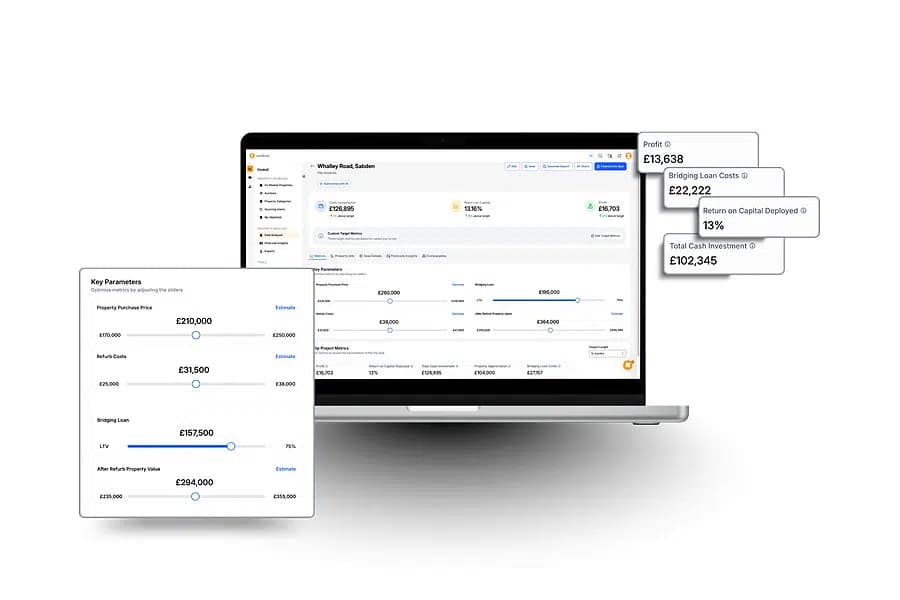
Model purchase, works, finance, and sale costs with live yield-style outputs so the margin is visible.
Open Flip AnalyserStep 3: apply or implement
Secure finance, exchange with conditions you can meet, mobilise works, and track weekly spend against contingency. Market early if the finish line is clear. Keep a sale pack ready: EPCs, warranties, and photos.
- Define budget, contingency, and walk-away number.
- Source and underwrite the property to flip with ARV evidence.
- Fund with cash or bridging matched to the timeline.
- Deliver works, inspections, and marketing.
- Sell or refinance, then bank lessons into the next deal.
Short: analyse a BRRR deal
Landlord-specific scenarios and worked examples
Numbers beat slogans. Here are two simplified UK-style cases for 2026 planning. Replace them with your own quotes before you act.
First-time landlord scenario
Purchase £180,000 additional dwelling, SDLT on higher rates, works £28,000 including 10% contingency, finance and fees £12,000, selling costs £4,500. Target ARV £245,000. Gross spread looks fine until SDLT and interest are added, so the net profit must still clear your minimum hurdle after those lines. First-timers should avoid structural unknowns until they have one clean cosmetic flip behind them.
Portfolio landlord scenario
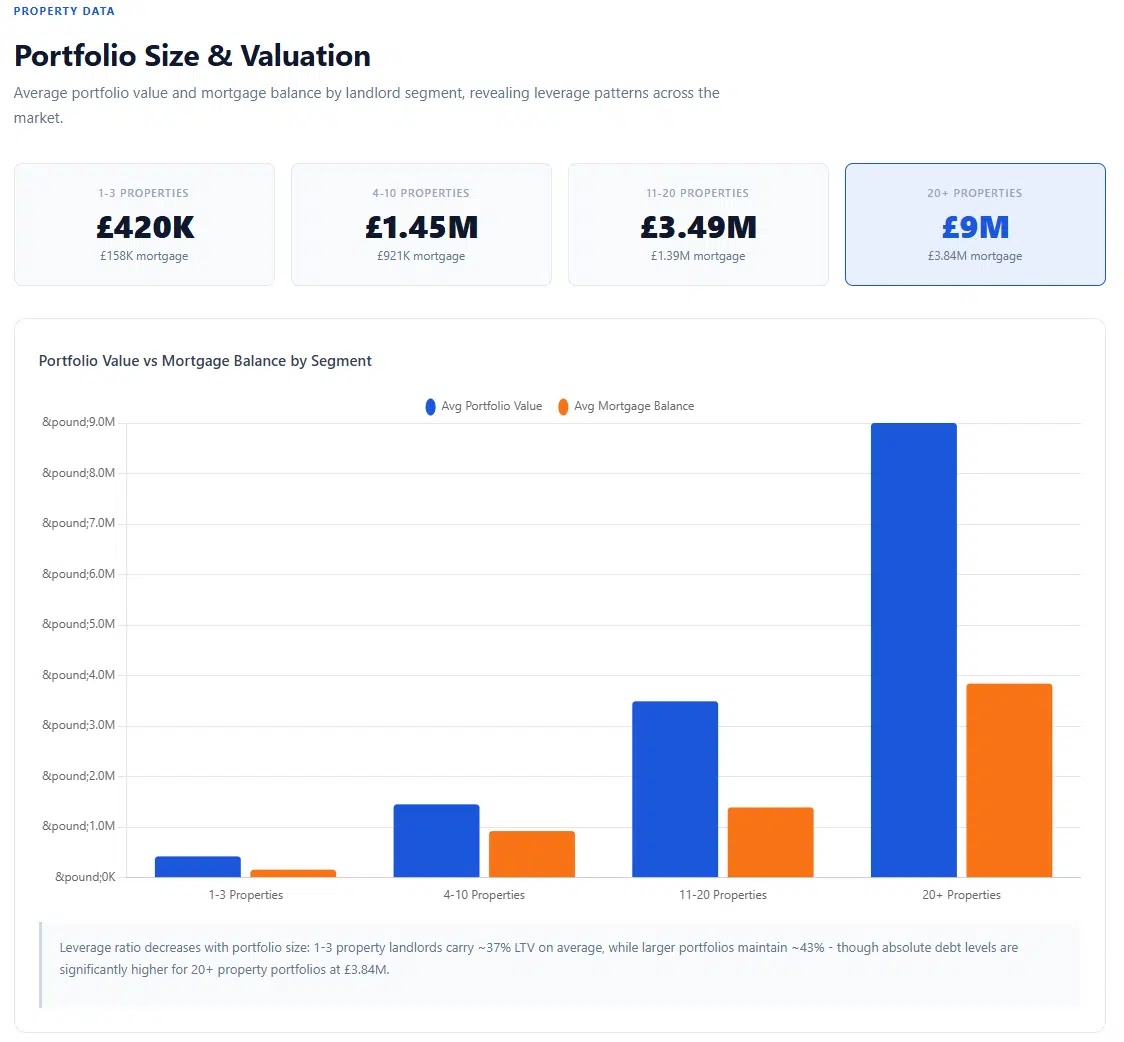
A portfolio investor buys a tired 3-bed for £220,000 with bridging, spends £40,000 on a quality refurb, and chooses between a £310,000 sale or a refinance into BTL at 75% LTV. If rental demand is strong, BRRRR may recycle more capital than a taxable flip. Cross-check leverage against how similar portfolios sit in Lendlord market intelligence.

Common mistakes and compliance notes
Most failed flips share the same errors: overpaying at auction, underestimating works, ignoring SDLT, and having no Plan B if the sale stalls. Compliance shortcuts on building work or tenancies create expensive delays.
Regulatory pitfalls to avoid
Do not start structural works without the right approvals. Do not ignore EPC and safety duties if anyone occupies the property. Do not assume a mid-project tenancy is temporary and outside 2026 letting rules.
Renters Rights Act considerations (2026)
If your flip becomes an interim let, you may move into Assured Periodic Tenancies, updated possession grounds, and practical limits on how you regain vacant possession for sale. The 12-month re-letting restriction on some possession routes also changes exit maths for landlords who pivot from flip to hold. Read the tenancy strategy before you hand over keys.
Key terms, rules and bodies you need to know
Speak the same language as brokers, lenders, and analysts so your house flipping file stands up to scrutiny.
Gross vs net yield
Gross yield is annual rent divided by property value. Net yield subtracts operating costs. Flippers use yield when testing a BRRRR fallback, not as the primary flip KPI.
ROI and cash-on-cash return
ROI compares profit with total capital deployed. Cash-on-cash focuses on cash you personally injected. Both matter when bridging and joint-venture equity sit in the stack.
BRRRR strategy
Buy, Refurbish, Rent, Refinance, Repeat. It keeps the asset and pulls capital out via refinance. Use it when sale markets are soft but rents and lenders still work.
ARV (after repair value)
ARV is the supported market value after works. It anchors your maximum offer. Without sold comps, ARV is fiction.
ICR (interest coverage ratio)
ICR tests whether rent covers interest at stressed rates. Critical for refinance exits and BTL lending after a flip-to-hold pivot.
Stress testing
Stress testing lowers ARV, raises works, and extends the hold period to see if profit survives. If the deal only works on perfect inputs, walk away.
Bridging application
Match finance to the flip timeline
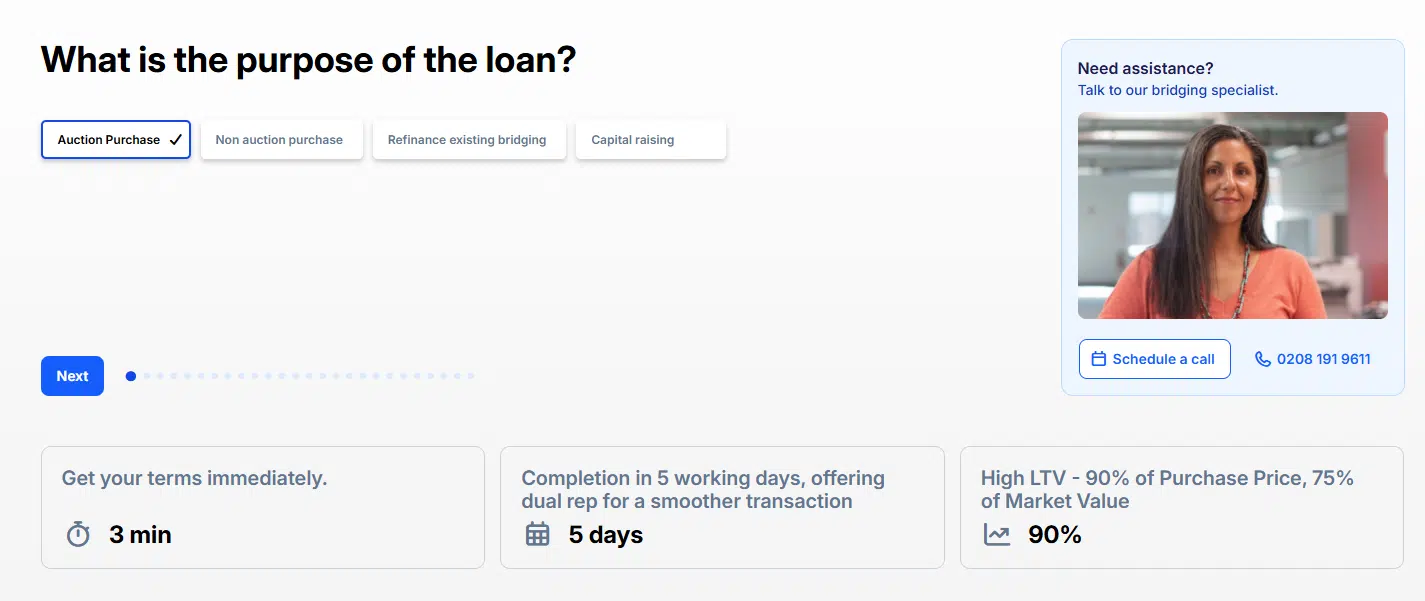
Auction, refurb, and chain-break flips often need bridging rather than a standard BTL mortgage.
Start bridging enquiryFrequently asked questions
What is house flipping?
House flipping means buying a property below market value, improving it, and selling it for a profit within a short hold period. UK landlords often use auction stock, bridging finance, and a clear after-repair value (ARV) target. Model the exit in Lendlord's Flip Analyser before you bid.
Is house flipping the same as BRRRR?
No. A flip usually exits via sale. BRRRR buys, refurbishes, rents, refinances, and repeats, so cash stays in the portfolio. Many investors compare both exits on the same asset. Stress both paths in the BRRRR calculator and Flip Analyser.
How much stamp duty do UK flippers pay?
If the purchase is an additional residential property, you usually pay higher rates of Stamp Duty Land Tax: a 5% surcharge on top of standard residential bands for transactions from 31 October 2024 onwards. Check live bands on GOV.UK higher rates guidance and include SDLT in every deal sheet.
Do I need a mortgage to flip a house?
Not always. Heavy refurb or auction timelines often need bridging finance, then a sale or refinance exit. Mortgage products may not fit unmortgageable stock. Compare bridging options via Lendlord's bridging application once the numbers clear.
How does the Renters Rights Act affect house flipping?
If you let the property during works or change strategy to a hold-to-let, Assured Periodic Tenancies, Section 8 grounds, and re-letting restrictions can apply. Pure buy-refurb-sell flips with vacant possession face fewer tenancy rules, but a mid-project let changes the compliance load. Plan the exit before you grant a tenancy.
Get set up on Lendlord for your next flip
Underwrite with the Flip Analyser, compare a BRRRR exit, estimate works with AI, then fund eligible deals through bridging when speed matters. Create your free Lendlord account and keep the whole flip book in one workspace.
Model the deal before you bid, then move fast when the numbers clear.
Open the Flip AnalyserRelated Lendlord guides and calculators
- Property deal analyser for UK investors
- BRRRR calculator for buy-refurbish-refinance exits
- 10 auction finance case studies analysed
- UK buy to let mortgage calculator when you pivot to a hold

Expert insight from Aviram Shahar, Co-Founder and CEO of Lendlord · PropTech entrepreneur and property investor · Last updated July 2026
Co-Founder and CEO of Lendlord with hands-on property investment experience. Specialises in deal analysis, BRRRR strategies, yield modelling, and portfolio growth using real UK market data and AI-powered tools. This article on house flipping reflects practical UK landlord experience, cited legislation, and tool-backed worked examples.
Official data sources
Verify stamp duty, lending, and tenancy rules against primary sources before you commit capital.