Understanding Renters Rights Act Information Sheet: A Practical Guide for UK Landlords
Published · Updated · 10 min read
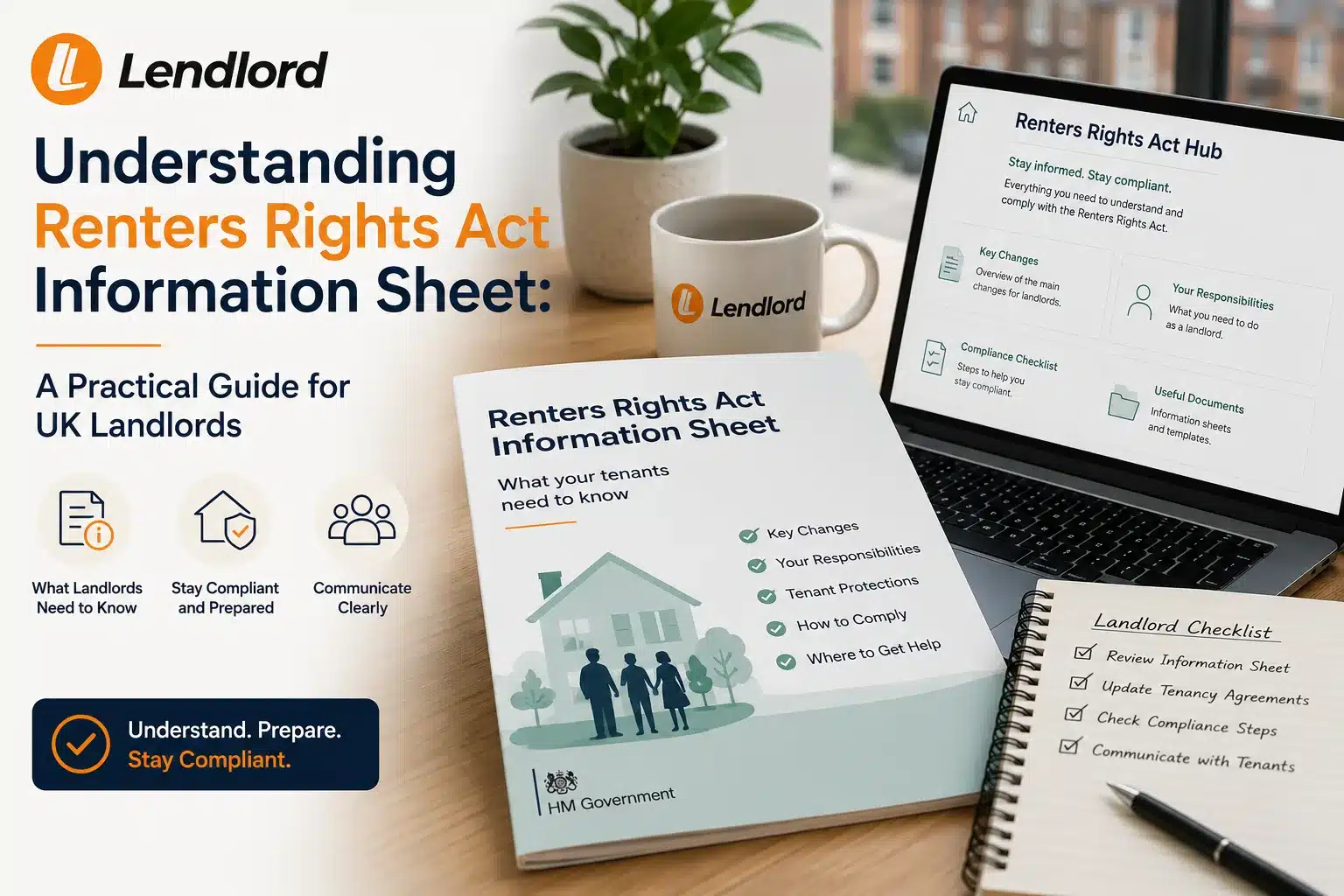
The Renters Rights Act Information Sheet is the official four-page GOV.UK document landlords and agents must give existing tenants to explain how the Renters Rights Act changes their tenancy. For most pre-1 May 2026 written assured or AST lets, the duty ran to 31 May 2026, using the exact PDF as a hard copy or email attachment, with civil penalties of up to £7,000 for failure.
Renters Rights Hub
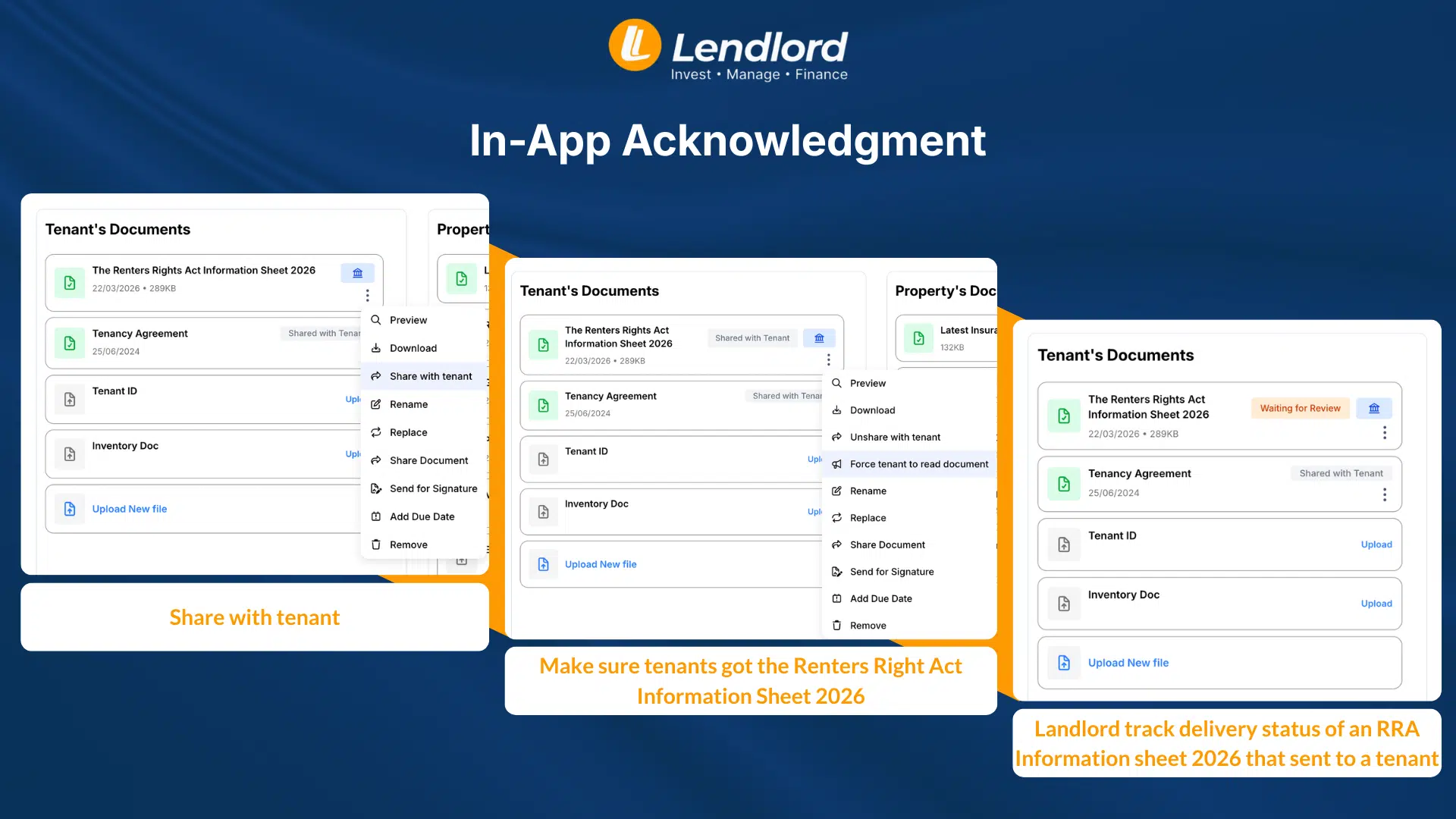
Share the official information sheet and track tenant receipt
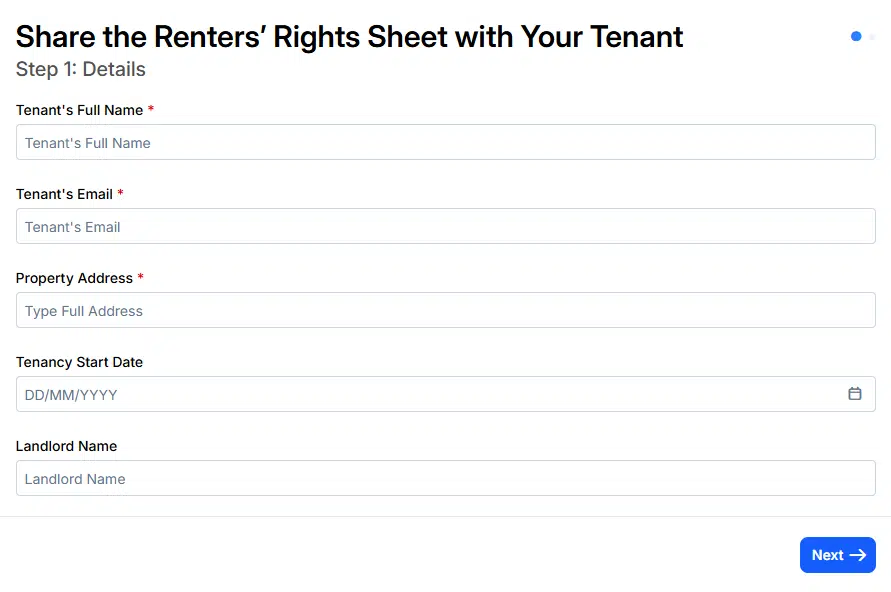
Download the government information sheet for tenants, send it from your portfolio workspace, and keep a clear trail that every named tenant received the Renters Rights Act document.
Share With Your TenantThis guide is for UK landlords, letting agents, and portfolio investors who need a clear answer on the renters rights act information sheet, also searched as the renters right act information sheet or government information sheet for tenants. You will learn who must receive it, how to serve it lawfully, how it differs from a tenancy agreement template, and how to keep proof that each tenant was informed.
Short: avoid a £7,000 RRA fine
At a glance
- Document: The Renters Rights Act Information Sheet 2026 is a free official 4-page PDF published on GOV.UK (20 March 2026).
- Who: Landlords or agents must give it to every named tenant on an assured or AST tenancy that existed before 1 May 2026 with a written record of terms.
- Deadline: Most existing tenancies needed the sheet by 31 May 2026 (MHCLG / GOV.UK).
- Format: Serve the exact PDF as a printed copy or electronic attachment. A link alone is not enough.
- Penalty: Failure can attract a civil penalty of up to £7,000.
- Proof: Keep dated evidence that each tenant received the renters rights act document, especially on multi-let portfolios.
What is renters rights act information sheet?
The renters rights act information sheet is the government-prescribed PDF that tells existing tenants how the Renters Rights Act 2025 changes their rights and their written tenancy. It is not a new tenancy agreement and you must not rewrite it. According to GOV.UK (updated June 2026), most landlords and letting agents had to give the exact Information Sheet to tenants by 31 May 2026.
It acts as both a landlord information sheet and tenant information sheet: the same official text for every qualifying tenancy. If an agent manages the property, the agent must still provide it even when you have already sent a copy. Lodgers are exempt.
Renters Right Act Information Sheet
Searchers often type “renters right act information sheet” (singular “right”), but the official title uses Rights. The legal product is identical: the Renters’ Rights Act Information Sheet 2026 on GOV.UK. An edited Word file, blog rewrite, or WhatsApp link to a summary does not meet the duty.
MHCLG published the sheet on 20 March 2026 so tenants could understand Section 21 abolition, rent increase routes, pet requests, and assured periodic tenancies. Your job is delivery and evidence, not reinterpretation.
Tenant Information Sheet
In 2026, a tenant information sheet usually means this official Renters Rights Act pack. Serve it alongside How to Rent, deposit prescribed information, gas safety, and EPC evidence. Give a copy to every adult named on the agreement, including joint tenants, and keep the send date, method, and acknowledgement.
Information Sheet
For England private rentals, “information sheet” almost always means the Renters Rights Act Information Sheet. Councils will look for the GOV.UK PDF, not a landlord newsletter. Store the official file once and reuse that exact attachment. Wholly verbal pre-1 May 2026 tenancies generally need a written statement of key terms instead.
Government Information Sheet for Tenants
The government information sheet for tenants is free, fixed-format, and controlled by MHCLG on GOV.UK. Do not amend it. Electronic service means attaching the PDF, not pasting a URL. Where a pre-1 May 2026 Section 21 or Section 8 notice later falls away, extra post-31 May duties can apply when the tenancy becomes assured periodic.
Document vault
Keep the official PDF with the rest of the tenancy pack
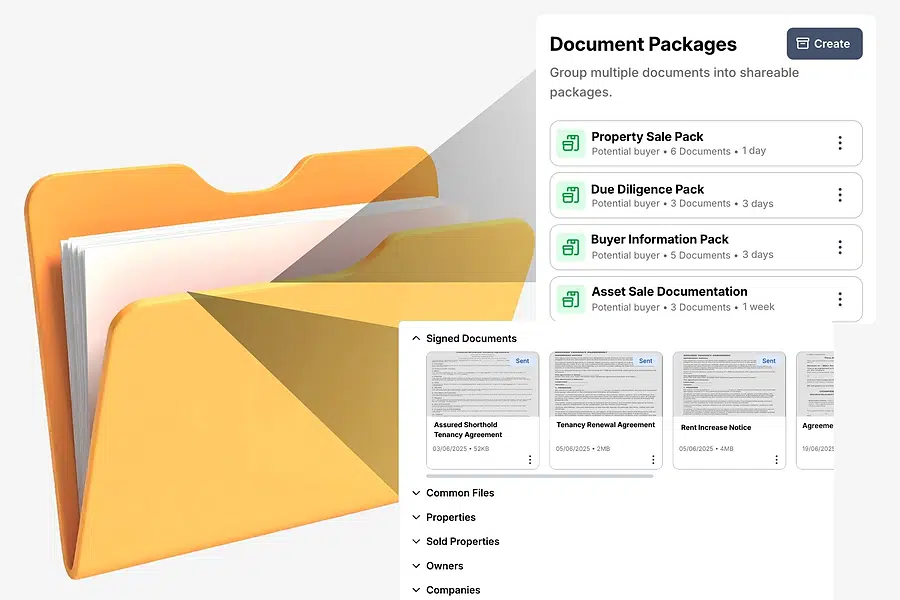
Store the government information sheet for tenants next to gas safety, EPC, and deposit certificates so audits start from one folder.
Organise tenancy documentsLandlord Information Sheet
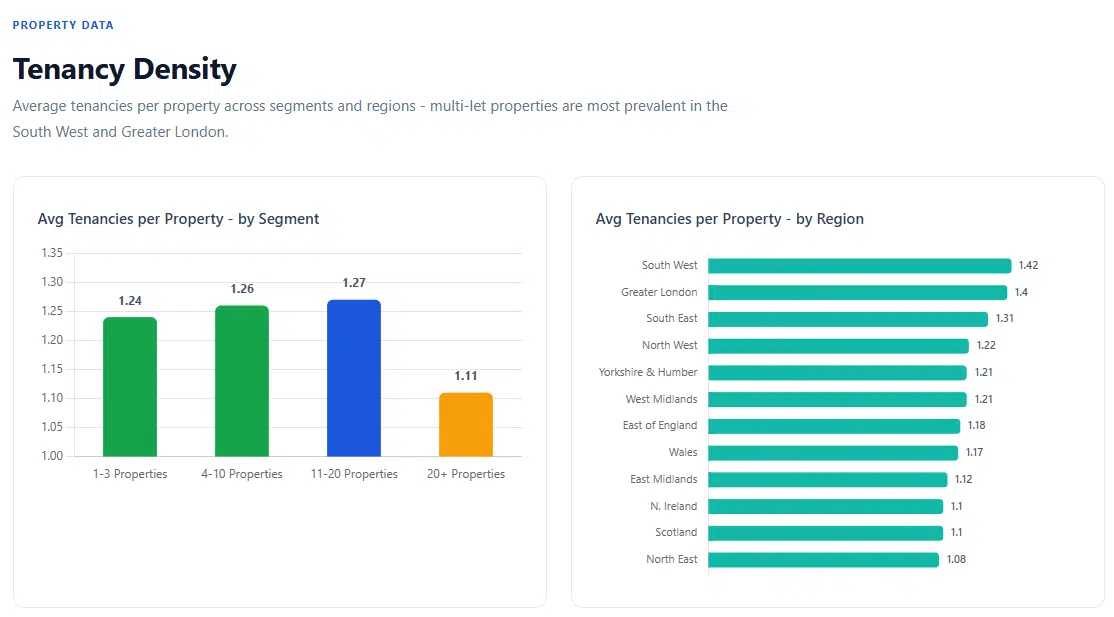
For landlords, the sheet is a compliance deliverable with an evidence problem. One-property landlords can email the PDF and save the sent message. Portfolio landlords need tracked delivery because multi-let segments show higher tenancy density and more named recipients. If an agent is instructed, get written proof they also served the sheet.
Renters Rights Act Document
The renters rights act document you must serve is the Information Sheet 2026 PDF, not the full Act. After serving it, check new-let templates still mention fixed terms or Section 21. Pair paperwork with a current free periodic tenancy agreement template.
Tenancy templates
Update agreements after you serve the information sheet
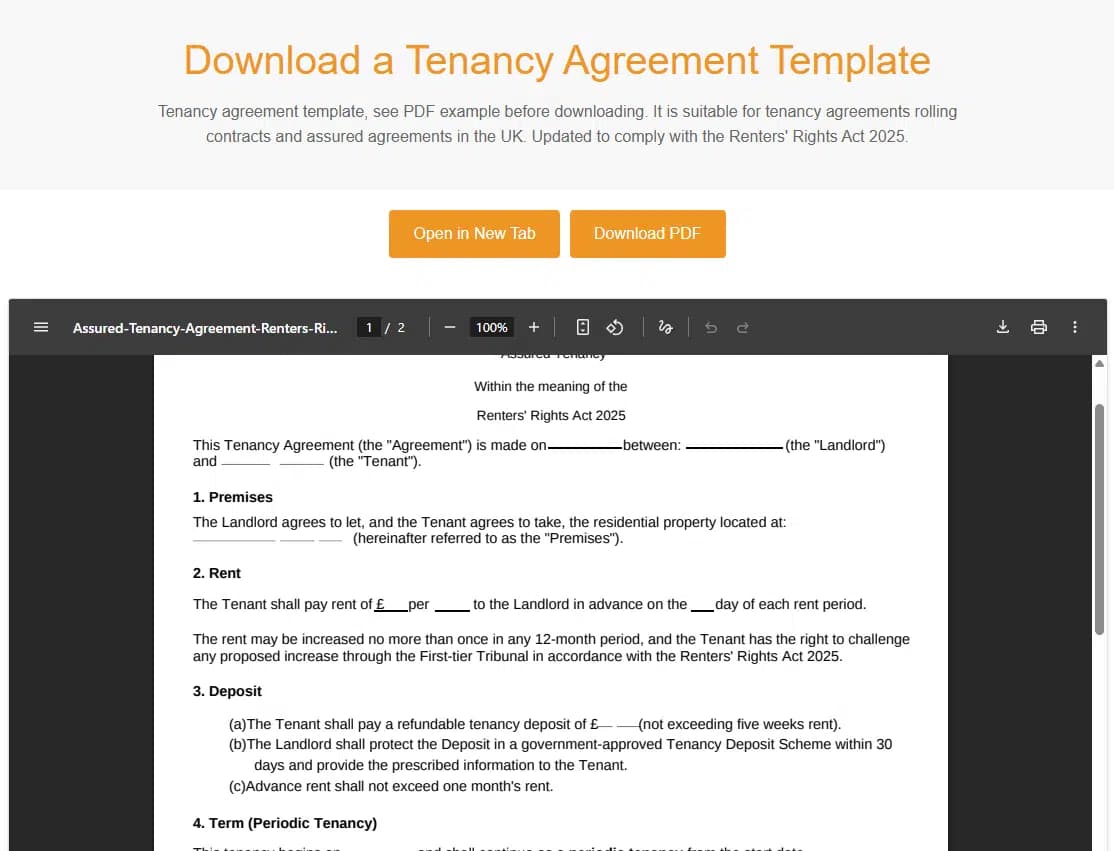
New private rentals generally need assured periodic wording once existing tenants have the official Renters Rights Act document.
Open the tenancy agreement templateShort: RRA compliance tool
Key dates, thresholds and penalties (Updated July 2026)
Figures below come from GOV.UK Information Sheet and civil-penalty publications (updated through June 2026). Re-check live pages before you act.
| Item | Figure / rule | Source |
|---|---|---|
| Sheet published | 20 March 2026 | GOV.UK MHCLG |
| Main commencement for many RRA reforms | 1 May 2026 | GOV.UK |
| Serve existing written AST/assured tenancies by | 31 May 2026 | GOV.UK |
| Document length | 4-page official PDF | GOV.UK |
| Maximum civil penalty | Up to £7,000 | GOV.UK guidance |
| Official PDF cost | Free | GOV.UK |
How to serve the Renters Rights Act Information Sheet (step by step)
Serve the sheet by downloading the official PDF, identifying every qualifying tenancy and named tenant, delivering a hard copy or attachment, then storing proof.
Preparation and documents checklist
Gather the live GOV.UK PDF, tenancies that existed before 1 May 2026, every named adult, and agent instructions if management is outsourced. Create a folder for sent emails, postal receipts, and acknowledgements.
Step 1 - assess your situation
Classify each let: written assured/AST before 1 May 2026 (sheet required), lodger (usually exempt), or wholly verbal pre-1 May tenancy (written statement of key terms). Flag possession notices served before 1 May 2026 for specialist review.
Step 2 - compare options and costs
Compare hand delivery versus email attachment. The PDF is free; the costly path is a council penalty if you skip tenants or keep no proof.
Step 3 - apply or implement
Send the exact PDF to every named tenant, record date and channel, file evidence, then update templates for new lets.
- Download the official Renters Rights Act Information Sheet 2026 PDF from GOV.UK.
- List every qualifying tenancy and every named tenant (including joint tenants).
- Serve the exact PDF as a printed copy or electronic attachment (not a link alone).
- If an agent manages the let, confirm the agent also served the sheet and keep their proof.
- Store dated evidence of delivery and any acknowledgement in the tenancy file.
- Align new tenancy paperwork with assured periodic / Renters Rights Act ready templates.
Watch: Renters Rights Bill key changes
Landlord-specific scenarios and worked examples
These worked examples show why proof of service matters more than downloading the PDF once.
First-time landlord scenario
Amira owns one Manchester flat on a 2024 written AST. She emails the GOV.UK PDF to both joint tenants, saves the sent message, and asks each to reply “received”. Cash cost: £0. Risk if she only sent a WhatsApp link: a possible civil penalty of up to £7,000.
Portfolio landlord scenario
James holds 12 Midlands units with about 18 named adults. He batches the official PDF, records acknowledgements, and keeps agent dual-service evidence. Lendlord’s Q1 2026 tenancy-density research shows multi-let segments carry more tenancies per property, which is why portfolios need software trails.
Common mistakes and compliance notes
Most failures come from format errors and missing proof.
Regulatory pitfalls to avoid
Do not rewrite the sheet, serve a link only, skip joint tenants, assume the agent covered you without evidence, or ignore verbal-tenancy alternative duties. Do not recycle a pre-2026 fixed-term AST for a new letting and pretend the information sheet cured the template.
Renters Rights Act considerations (2026)
From 1 May 2026, many private tenancies move onto the Renters Rights Act framework: Section 21 ends for covered tenancies, periodic models dominate new lets, and possession relies on Section 8 style grounds. The Information Sheet is how existing tenants hear that in the government’s words.
Key terms, rules and bodies you need to know
Use these short definitions when reading the Information Sheet and the wider Act.
Renters Rights Act
The 2025 law reforming England’s private rented sector on eviction routes, tenancy structure, and tenant protections. Old AST wording may no longer match what tenants read in the official sheet.
Section 21 abolition
Section 21 was the AST “no-fault” possession route. Under the Act it is removed for covered tenancies, so landlords must plan on specified grounds instead.
Section 8 grounds
Section 8 grounds are the possession reasons used when Section 21 is unavailable, such as rent arrears or breach. Notice drafting and evidence standards become central.
Periodic tenancies
Periodic tenancies roll by the rent period. After the Act, new private rentals are generally assured periodic tenancies, so templates and lender packs must catch up.
Decent Homes Standard
Minimum housing condition expectations extending more firmly into the PRS. Information-sheet compliance does not excuse disrepair enforcement.
PRS Ombudsman
The Private Rented Sector Ombudsman redress framework expanding with the Act. Tenant complaints can escalate beyond informal email chains.
Frequently asked questions
What is renters rights act information sheet and how does it work?
The Renters Rights Act Information Sheet is the official GOV.UK PDF that explains how the Act changes existing tenancies. Landlords or agents give the exact file to every named tenant on a pre-1 May 2026 written assured or AST tenancy. It works as prescribed information, not a substitute for your tenancy agreement. Track delivery in Lendlord's Renters Rights Act hub.
How much does renters rights act information sheet cost for UK landlords?
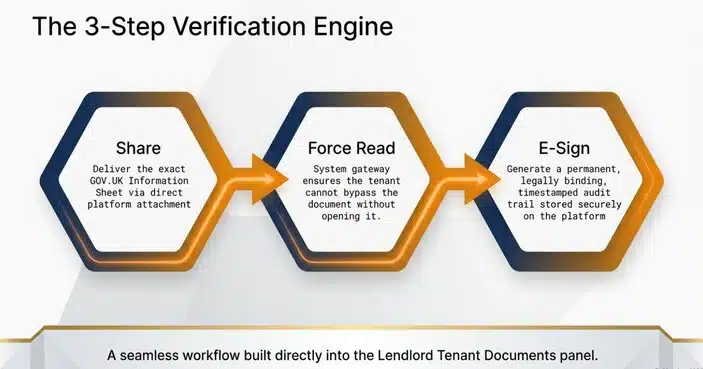
The government Information Sheet itself is free to download from GOV.UK. The real cost risk is non-compliance: civil penalties can reach £7,000 per breach. Portfolio landlords also spend time proving each tenant received the file. Use Lendlord's information sheet workflow to send and verify acknowledgements without chasing inboxes.
Do I need renters rights act information sheet as a landlord in 2026?
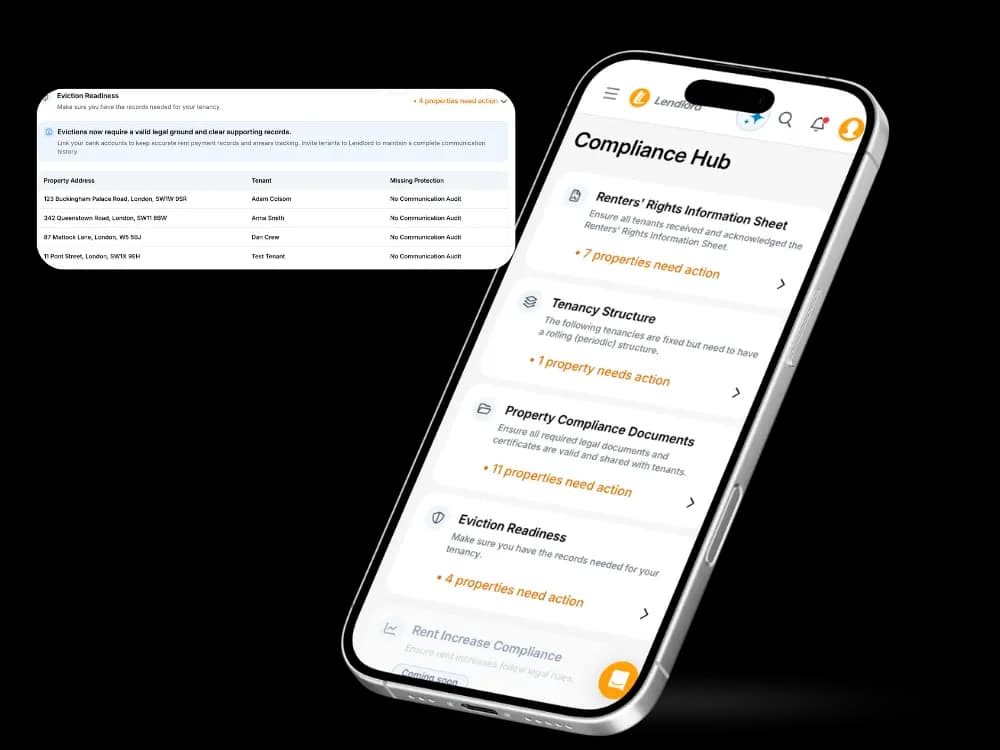
Yes, if you had an assured or assured shorthold tenancy with a written record of terms that existed before 1 May 2026. Lodgers are exempt. Purely verbal pre-1 May tenancies need a written statement of key terms instead of this sheet. Confirm your route, then complete the pack in Lendlord's Compliance Hub.
How long does renters rights act information sheet take?
Downloading the PDF takes minutes. Serving every named tenant and storing proof usually takes longer on multi-let portfolios. The statutory deadline for existing tenancies was 31 May 2026, with later duties for some post-notice cases. Batch send and acknowledge via Lendlord's RRA information sheet tools.
What are the risks or downsides of renters rights act information sheet?
The main risk is treating a link, rewrite, or agent-only send as enough. GOV.UK requires the exact PDF as a hard copy or electronic attachment, and agents must also provide it even if you already did. Missing proof of receipt weakens your position if a council investigates. Keep evidence in Lendlord document management.
Can I do renters rights act information sheet myself or do I need a professional?
Most landlords can download and serve the official sheet themselves. Use a solicitor or compliance specialist if notices, possession claims, or verbal tenancies make the duty unclear. Software helps with audit trails more than legal judgment. Serve and log the sheet with Lendlord's Renters Rights Act hub.
Get the Information Sheet workflow on Lendlord
Use Lendlord to share the official pack, capture acknowledgements, and keep the audit trail next to your tenancy files. Open the Renters Rights Act hub or generate a Renters Rights Act ready tenancy agreement for new lets.
Serve the sheet once, prove it forever, then keep new agreements aligned with the Act.
Start in the Renters Rights Act hubRelated Lendlord guides and tools

Expert insight from Aviram Shahar, Co-Founder and CEO of Lendlord · PropTech entrepreneur · Last updated July 2026
Co-Founder and CEO of Lendlord focused on Renters Rights Act changes, eviction reform, deposit rules, and practical guidance for letting agents and investors. This guide on the renters rights act information sheet reflects practical UK landlord experience, cited legislation, and tool-backed workflows.