UK Stamp Duty on Buy-to-Let 2026: Rates, the Surcharge, and How to Work Out Your Bill
Published · Updated · 6 min read
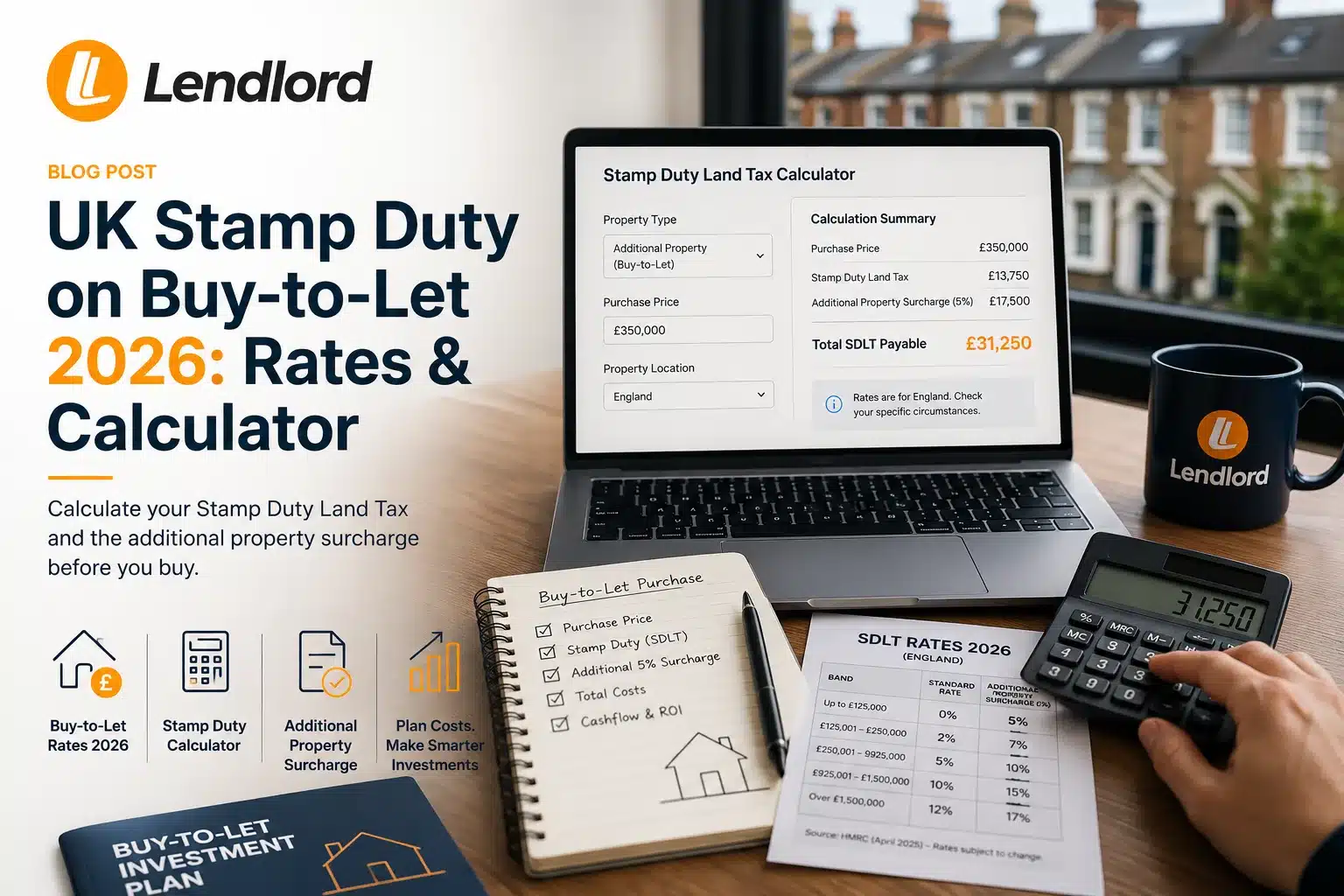
If you have typed stamp duty into a calculator the night before an auction, you are not alone. In fact, stamp duty calculator and stamp duty UK rank among the most searched terms for property investors, because the bill on a buy-to-let can run into tens of thousands. However, the maths becomes manageable once you know the bands and the surcharge that applies to extra homes.
Below, we break down how Stamp Duty Land Tax (SDLT) works for landlords in 2026. Meanwhile, we keep everything UK-focused and show where a free calculator does the heavy lifting for you.
Key facts at a glance
- SDLT: tax on property purchases above a threshold
- Extra homes: a surcharge stacks on standard rates
- Non-resident buyers: a further surcharge applies
- Company purchases: the surcharge usually applies too
Quick watch: the UK stamp duty calculator
How stamp duty works on a buy-to-let
First, the basics. SDLT is a tax you pay when you buy property above a set threshold in the UK. Crucially, the rate is tiered, so you pay a percentage on the slice of the price that falls within each band rather than one flat rate on the whole amount.
As a result, two purchases at similar prices can carry very different bills once the additional property surcharge is added. Therefore, always work out the figure before you commit, not after.
The additional property surcharge
For landlords, the big number is the surcharge on additional dwellings. In short, when you already own a home and buy another, extra percentage points stack on top of the standard rates. Consequently, the bill on a second or third property is meaningfully higher than for an owner-occupier.
Because thresholds and rates shift over time, always confirm the current numbers. For the detail, see our page on UK stamp duty rates and thresholds before you model a deal.
Free calculator
Work out your SDLT, surcharge and all
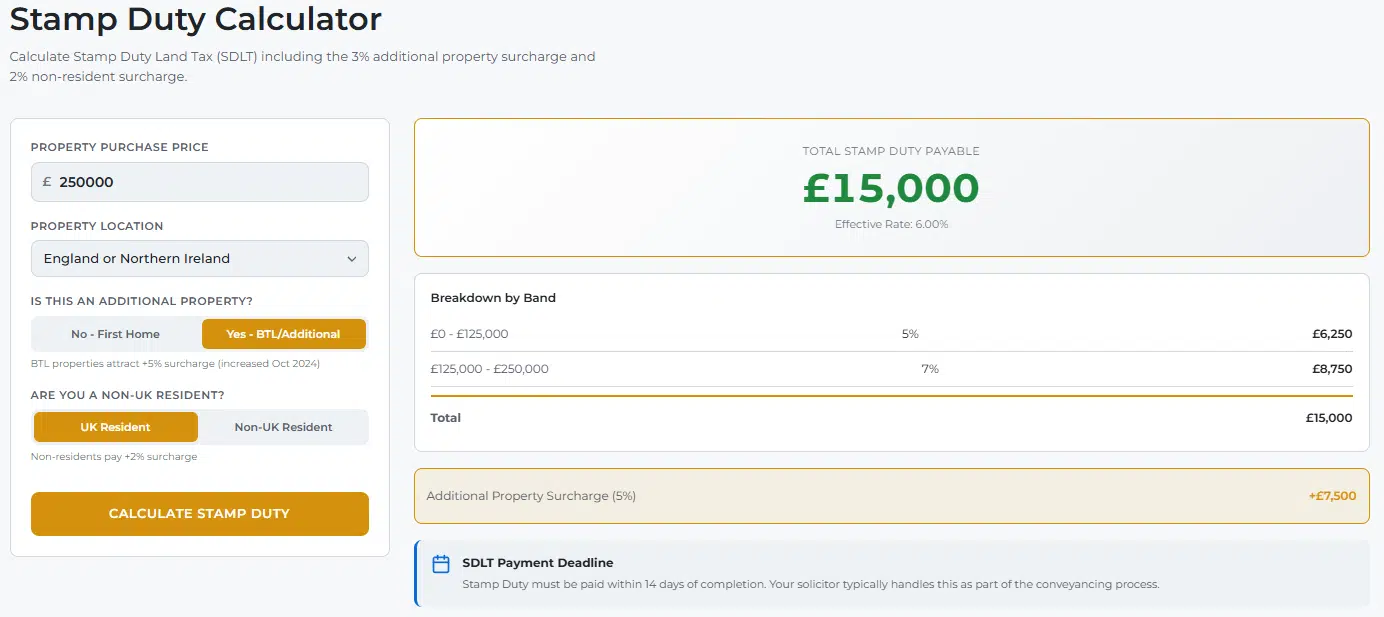
You can calculate Stamp Duty Land Tax, including the additional property surcharge and the non-resident surcharge, in a few clicks. In addition, it sits alongside the wider buy-to-let calculator, so you see the tax next to your yield rather than in isolation.
Try the stamp duty calculatorWorking out your stamp duty bill step by step
Next, here is a simple sequence that keeps you accurate. Because SDLT is tiered, guessing rarely lands close to the real figure.
- Confirm the purchase price and whether the property is residential.
- Check if the surcharge applies because you own another property.
- Add the non-resident surcharge if you buy from overseas.
- Run the numbers through a calculator rather than a rough estimate.
- Save the result with your deal file so you can rerun it later.
Finally, remember the payment deadline. You typically report and pay SDLT shortly after completion, so budget for it before you spend on the refurb.
Short: estimate your duty before you exchange
Factoring stamp duty into your deal analysis
Importantly, stamp duty is an upfront cost that dents your return on day one. Therefore, treat it as part of the purchase price, not an afterthought. Otherwise, a headline yield can look great until the tax quietly erodes it.
In practice, the cleanest approach is to model the whole deal in one place. That way, SDLT, refurb, and finance all feed into the same net figure.
Deal analysis
See how stamp duty hits your real yield
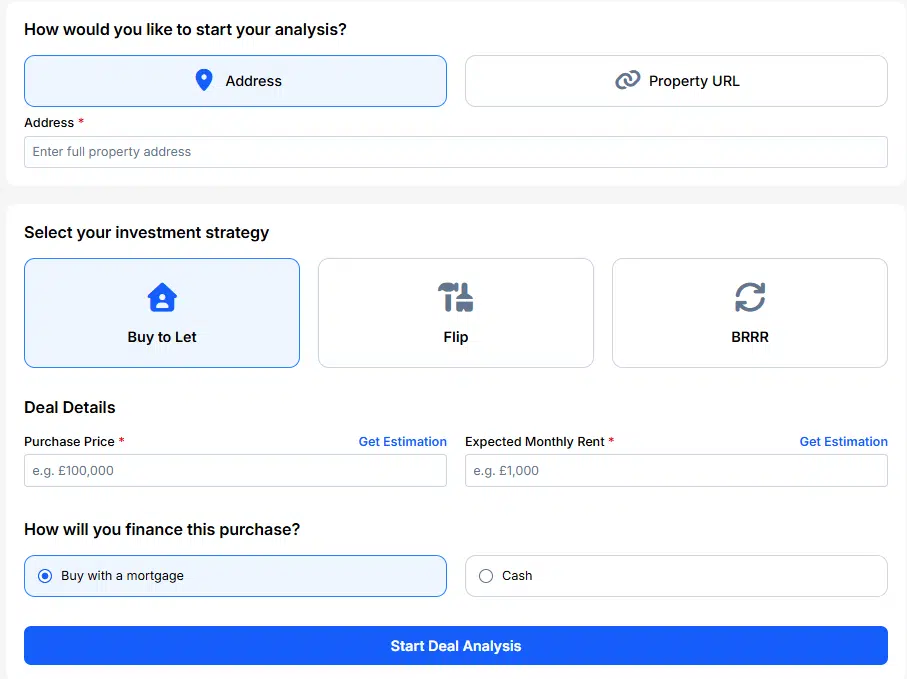
When you analyse a purchase, the Deal Analyser lets you add stamp duty and other costs so your net yield reflects reality. As a result, you compare deals on true returns rather than headline rent alone, and you spot weak numbers before you offer.
Analyse a deal with stamp duty includedBuying through a limited company
Many landlords now purchase through a company structure. However, that choice does not avoid the surcharge on additional dwellings, which generally still applies to corporate buyers. So model the tax carefully whichever route you take.
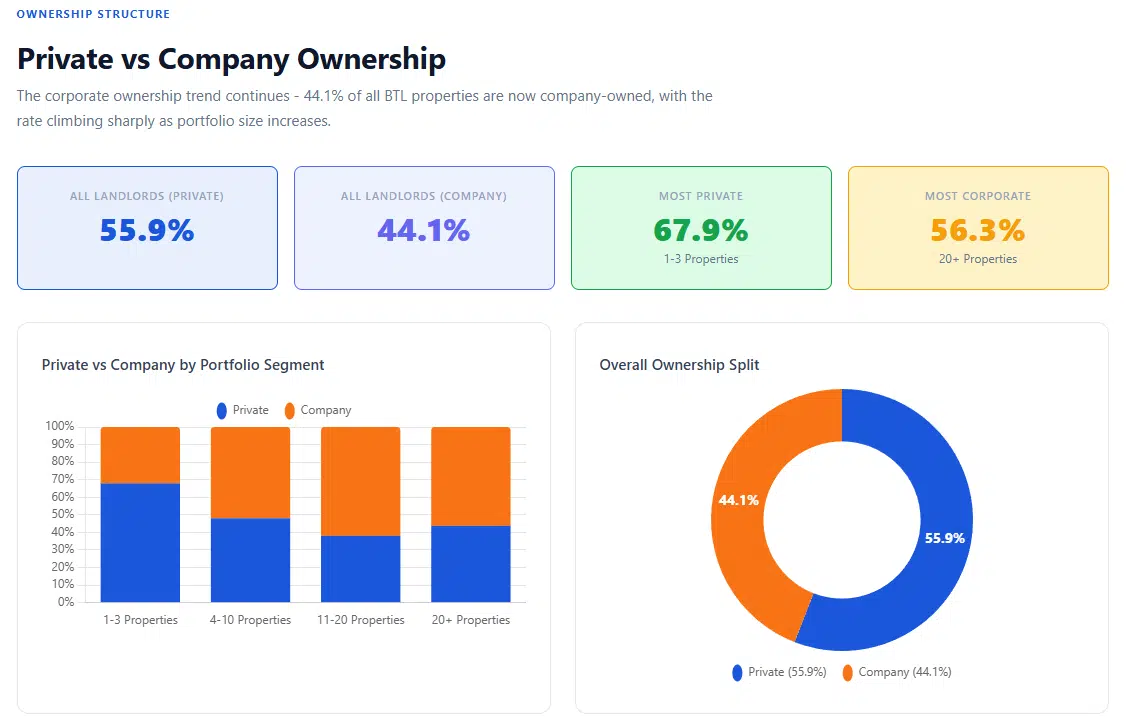
Notably, company ownership keeps climbing across the market, especially among larger portfolios. Consequently, understanding how SDLT interacts with your structure matters more each year.
Financing the purchase behind the tax bill
Of course, stamp duty is only one line in your buying costs. Alongside it, your mortgage shapes whether the deal stacks up at all. Therefore, line up finance early so you can move quickly when the right unit appears.
Finance the deal
Sort the mortgage while you plan the tax
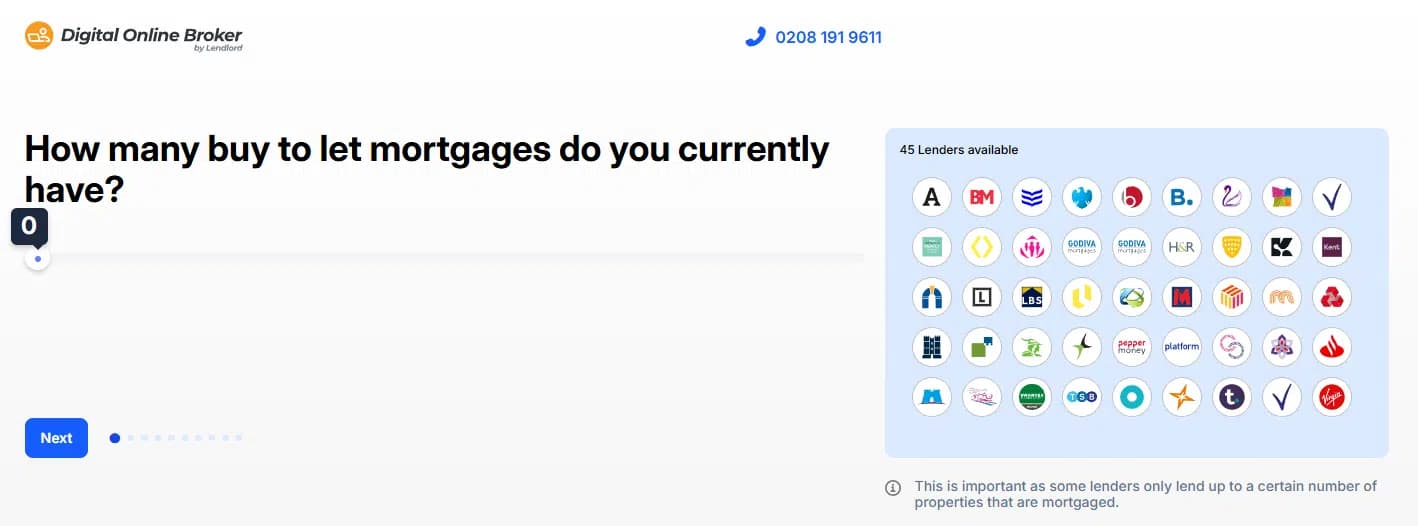
You can start a buy-to-let mortgage application online and compare products in one place. In addition, having finance ready means the stamp duty budget is the last piece of the puzzle, not a scramble after your offer is accepted.
Start a mortgage applicationReliefs and special cases worth knowing
Sometimes the standard rules bend. For instance, certain purchases through probate or specific circumstances can qualify for relief. To check whether your situation fits, read our guide on stamp duty relief on probate properties.
Additionally, stamp duty is one part of a wider tax picture. As you plan, our UK national insurance calculator helps you stress-test rental profit if further charges on property income arrive.
Watch: post-budget breakdown for landlords
Common stamp duty mistakes landlords make
Before you exchange, sidestep the errors that catch buyers out. In many cases, they are simple to avoid with a little planning.
- Forgetting the surcharge when budgeting a second purchase
- Assuming a company purchase escapes the extra rate
- Missing the non-resident surcharge on overseas buys
- Estimating instead of using a calculator on the exact price
- Spending sale proceeds before the SDLT payment is due
Ultimately, the fix is the same each time. Run the exact figure, save it, and revisit it if the price changes during negotiation.
Does stamp duty work the same across the UK?
Not quite, and this trips up buyers who invest away from home. Specifically, Scotland uses Land and Buildings Transaction Tax, while Wales uses Land Transaction Tax. Therefore, the exact bands and surcharges differ depending on where the property sits.
As a result, use a calculator matched to the correct nation before you model a deal. Otherwise, you risk budgeting with the wrong rates entirely.
Why thresholds keep changing
Finally, remember that stamp duty is a political tool. Thresholds and reliefs shift with each budget, and reform proposals surface regularly. For that reason, check the current bands before every completion rather than trusting last year's numbers.
In short, the smartest habit is boring but powerful. Calculate SDLT on every deal, keep the record, and let the real number tell you whether the purchase still works.
Official data sources
The figures and rules above are governed by the following official UK sources. Always confirm current thresholds before you complete.
Calculate your stamp duty, model the full deal, and see your true net yield before you make an offer.
Use the free stamp duty calculatorFrequently asked questions
How much stamp duty do landlords pay on a buy-to-let?
In short, landlords pay the standard tiered SDLT rates plus a surcharge on additional dwellings. Consequently, the bill on a second or third property is higher than for an owner-occupier. Therefore, always calculate the exact figure for your price.
Does stamp duty apply if I buy through a limited company?
However, using a company rarely avoids the extra rate. Generally, the surcharge on additional properties still applies to corporate buyers. As a result, model the tax carefully whichever structure you choose.
How do I calculate stamp duty on a UK property?
First, confirm the price and whether the surcharge applies. Next, run it through a stamp duty calculator rather than estimating. Specifically, the tiered bands mean a rough guess is usually wrong.
When do I have to pay stamp duty?
Typically, you report and pay SDLT shortly after completion. Therefore, budget for it upfront and keep the calculation with your deal file so you can rerun it if the price changes.