An Ongoing Updated Guide to UK's Renters' Rights Bill 2025
Published · Updated · 19 min read

The Renters' Rights Bill 2025 is set to become the most significant overhaul of the UK private rental sector in over three decades. Designed to rebalance power between landlords and tenants, the Bill abolishes no‐fault evictions, introduces stringent property standards, and establishes new frameworks for dispute resolution.
🗓️ Renters Rights Bill Updates 19-25/2/25 , 26/2/25-05/3/25 , 06-12/3/25 , 13-19/3/25 , 20-26/3/25, 27/03- 02/04/2025, 03-09/4/25, 10-16/4/25, 17-23/4/25, 24-30/4/25, 1-7/5/25, 8-14/5/25, 15-21/05/25, 22-28/05/25, 29/5-04/6/25, 5-11/6/25, 12-18/6/25, 19-25/06/25, 26/06 -2/07/25, 3-9/07/2025, 10-16/07/2025,
With Royal Assent expected by April 2025 and phased implementation through late 2025 and 2026, the reforms will enhance security for 11 million renters while modernizing landlord responsibilities. Keep reading to discover not only all the critical changes but also an exclusive look at how the new framework will affect eviction processes – what landlords need to know about legally evicting a tenant under the upcoming Bill?. This guide synthesizes legislative details, stakeholder perspectives, and practical implications across 20 critical dimensions of the Bill.
What the New Bill Means for You
Previous System
- Section 21 'no-fault' evictions
- Fixed-term tenancies
- Multiple deposits needed
- Unrestricted rent increases
New System (2025)
- Evidence-based evictions only
- Periodic tenancies
- Lifetime deposit scheme
- Annual rent increase cap
The UK’s rental market is on the cusp of transformative change. The Renters’ Rights Bill 2025 aims to provide greater security for tenants and fairer treatment in the private rental sector. By eliminating outdated practices and modernizing dispute resolution, this legislation addresses long-standing issues – ranging from arbitrary evictions to substandard living conditions. In this article, we break down the historical context, key objectives, proposed reforms, and practical tips for both tenants and landlords.
UK Renters' Rights Bill 2025 TimelineUK Renters' Rights Bill 2025: Implementation Timeline
Overall Implementation Progress
- Initial bill presentation
- Stakeholder consultations begin
- Parliamentary debates
- Report Stage completion
- Third Reading
- Committee amendments
- Final parliamentary approval
- Royal signature
- Official enactment
- Database setup
- Ombudsman establishment
- Guidance publication
- Complete rollout
- All measures active
- Compliance deadline
Critical Dates
- Bill Introduction: Jan 2025
- Royal Assent: Easter 2025
- Full Implementation: Oct 2025
Key Changes
- Section 21 abolition
- Periodic tenancies
- New property standards
Impact Areas
- Landlord obligations
- Tenant rights
- Property management
100 Years of Rental Rights Evolution (1914-2025)

The evolution of renters’ rights in the UK reflects a long history of regulatory change:
Early 20th Century: Strict rent controls were introduced during World War I to curb rising rents amid housing shortages.
Housing Act 1988: The introduction of Assured Shorthold Tenancies (ASTs) allowed landlords the flexibility of no-fault evictions (Section 21), which increased housing supply but also led to tenant instability.
Recent Developments: Growing pressure from tenant advocacy groups, rising homelessness, and a cost-of-living crisis spurred calls for reform. Labour’s 2024 electoral victory accelerated these efforts, leading to the comprehensive Renters’ Rights Bill 2025.
4 Key Changes to Housing Standards and Tenant Rights
The Bill focuses on four primary objectives:
Eliminate Arbitrary Evictions
By abolishing Section 21, the Bill ensures that landlords can no longer evict tenants without a valid reason.
Enhance Property Standards
Mandating compliance with the Decent Homes Standard guarantees that all private rental properties are safe, warm, and habitable.
Streamline Dispute Resolution
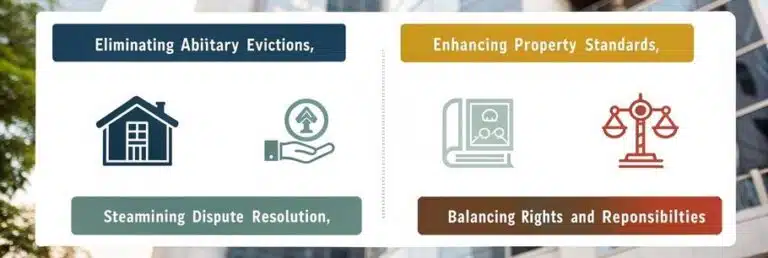
A new national digital platform and an independent ombudsman service will help resolve disputes quickly without resorting to lengthy court processes.
Balance Rights and Responsibilities
The Bill expands valid grounds for eviction under Section 8 while safeguarding tenants from retaliatory rent hikes, thus promoting fairness in the rental market.
Together, these measures aim to reduce the £1.2 billion annual public health costs associated with substandard housing and stabilize tenancies for vulnerable groups.
UK Rental Market Growth Trends 2025UK Rental Market Growth Trends 2025
Trend Analysis
- Current Trajectory: Steeper growth pattern
- Post-Reform: Stabilized growth rate
- Optimistic: Balanced market adaptation
- Conservative: Minimum growth scenario
Key Impact Factors
- Introduction of rent increase caps
- Enhanced tenant protections
- Property standards requirements
- Market adaptation period
Key Observations
Section 21 Ban, Periodic Tenancies, and Rent Controls Explained
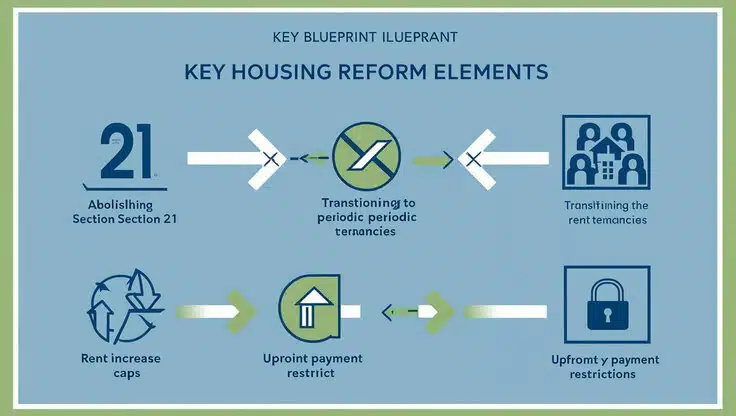
Abolition of Section 21 Evictions
Landlords will no longer be able to evict tenants without citing one of 18 specified grounds – such as rent arrears, antisocial behaviour, or the need to reoccupy the property. Notice periods will extend from two to four months, ensuring tenants have more time to secure alternative housing.
Transition to Periodic Tenancies
All existing Assured Shorthold Tenancies will convert into rolling monthly contracts. This change means tenants will enjoy indefinite tenure unless they choose to leave or breach the terms, promoting long-term housing stability.
Rent Increase Caps and Upfront Payment Restrictions
Rent Increase Caps: Landlords will be allowed to raise rents only once per year and only to reflect local market rates.
Upfront Payment Limits: Landlords cannot demand more than one month’s rent in advance, reducing financial strain on low-income tenants.
Pet-Friendly Policies: Blanket bans on pets are prohibited; landlords must provide written justification within 28 days if they refuse a pet request.
Rental Reform Costs: Landlord Impact Guide - £4,300 Average Retrofit

Operational Costs
Compliance with the Decent Homes Standard could require an average retrofit cost of £4,300 for 23% of UK rentals currently below standard. Additional energy efficiency upgrades (targeting EPC Band C by 2028) will also add costs.
Landlord Reform Cost ImpactRental Reform Cost Impact
Key Impact Factors
Operational Costs
- £4,300 average retrofit cost per property
- Additional costs for EPC Band C upgrades
- Affects 23% of UK rental properties
Eviction Process Changes
- Section 21 abolition requires documented evidence
- Extended property possession timeframes
- Increased administrative burden
Financial Risks
- Lifetime deposit system delays fund access
- Impact on property maintenance timing
- Increased financial planning requirements
Eviction Process Changes
With the abolition of Section 21, landlords must now use Section 8 for evictions. This process demands documented evidence and can extend the time required to regain possession of a property, increasing administrative burdens.
Financial Risks
The introduction of a “lifetime deposit” system – allowing deposits to be transferred between tenancies – may delay access to funds needed for property repairs and upgrades, posing a risk to maintaining property standards.
New Eviction Notice Periods and Protection Laws
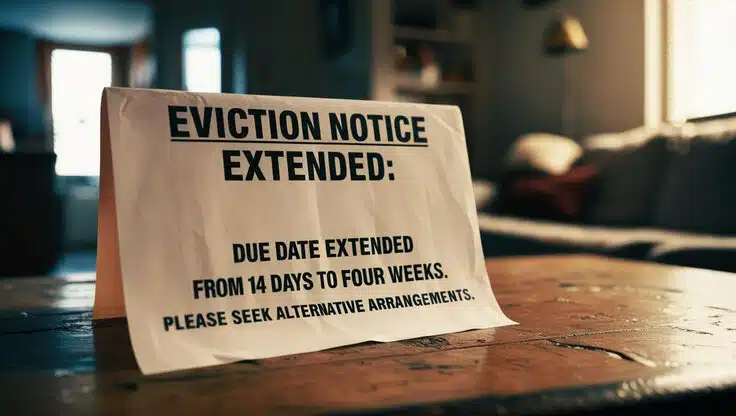
Extended Notice Periods
Eviction notices for non-payment will now be extended from 14 days to four weeks, giving tenants additional time to secure alternative arrangements.
Safeguards Against Retaliatory Evictions
Tenants who report disrepair or unsafe conditions cannot be evicted within six months of lodging a complaint, protecting them from potential retaliation by landlords.
Bereavement Protections
If a tenant dies, their family gains 12 months’ security, preventing immediate eviction and allowing them time to find suitable alternative accommodation.
Rent Payment Limits and Financial Protections
The Bill introduces reforms to ease financial burdens for tenants:
Upfront Payment Limits: Landlords can only request a maximum of one month’s rent in advance, reducing the initial cost barrier.
These measures promote transparency and fairness, ensuring that tenants are not forced into excessive upfront payments.
Rental Property Standards: Repair & Maintenance Requirements

Mandatory Compliance with the Decent Homes Standard
All private rental properties must now meet the Decent Homes Standard, ensuring that they are safe, properly maintained, and habitable. This will elevate the overall quality of rental housing.
Decent Homes Standard Requirements
Safety Standards
- Fire safety measures
- Electrical safety certification
- Gas safety inspection
- Secure entry points
Property Condition
- Free from damp and mold
- Adequate heating system
- Good state of repair
- Proper insulation
Modern Facilities
- Modern kitchen facilities
- Well-maintained bathroom
- Adequate ventilation
- Sufficient lighting
Required Response Times
Enforcement & Support
Timely Repairs and Enforcement
Landlords are required to address urgent repairs within specified timeframes. The Bill introduces penalties for non-compliance and establishes a national landlord service along with a Private Rented Sector Landlord Ombudsman to mediate disputes.
Section 21 Ban: Eviction Rules and Periodic Tenancies Explained

Abolition of No-Fault Evictions
The Bill abolishes Section 21, meaning landlords must now have a valid reason – such as rent arrears, antisocial behaviour, or property misuse – to evict a tenant. This change aims to provide tenants with greater stability.
Transition to Periodic Tenancies
Replacing fixed-term leases with periodic tenancies offers tenants the flexibility of indefinite occupancy. However, landlords must now rely on Section 8 and provide substantial evidence for eviction, creating a more balanced approach.
Rental Dispute Resolution: New Online Mediation and Enforcement Guide

Online Mediation Services
The Bill introduces a national digital platform that facilitates online mediation between landlords and tenants, reducing the need for lengthy court proceedings.
Mandatory Ombudsman Service
An independent ombudsman will be appointed to handle disputes, ensuring impartial and efficient resolution. This service is expected to foster transparency and build trust in the rental market.
Strict Enforcement Measures
To ensure compliance, the Bill sets civil penalties for non-compliance – up to £40,000 for serious breaches. These measures are intended to deter rogue practices and maintain high standards within the sector.
UK Renters' Rights Implementation Schedule: 2025-2027 Roadmap

Key Implementation Milestones
April 2025: Royal Assent is expected, triggering the immediate abolition of Section 21 and the enforcement of rent increase caps.
July 2025: A national landlord register will launch, requiring all landlords to enroll within 90 days.
January 2026: All new tenancies must comply with the Decent Homes Standard.
2027: Full retroactive application of the new rules to existing tenancies will be completed.
Removal of Transitional Provisions
Compliance Requirements Progress
Overall Progress
High Risk Areas
Time Left
- Decent Homes Standard compliance
- Safety certificates
- Energy efficiency standards
- Tenancy agreements
- Property records
- Maintenance logs
- Landlord database entry
- Property portfolio details
- Compliance history
- Ombudsman membership
- Complaint procedures
- Resolution protocols
The Bill removes transitional periods, meaning all current ASTs will convert to periodic tenancies on the designated enforcement date. This ensures immediate statutory compliance and rapid adaptation by all market players.
Rental Standards: Local Council Powers and £40,000 Fines Explained
Enforcement and Oversight
Local councils will be responsible for ensuring that rental properties comply with the new standards. They will monitor property conditions and impose penalties for non-compliance.
Expanded Powers and Collaboration

Local authorities now have the power to levy fines of up to £40,000 and to demand property improvements. They will work closely with housing associations, tenant groups, and landlord organizations to mediate disputes and ensure the smooth implementation of the reforms.
2025 UK Rental Market Changes
Increased Rental Stability
Enhanced tenant protections are likely to lead to longer tenancies, making rental incomes more predictable. This may attract long-term investors seeking stability, even as some landlords face higher compliance costs.
UK Cities Rental Market Analysis 2025UK Cities Rental Market Analysis 2025
Potential Market Shifts
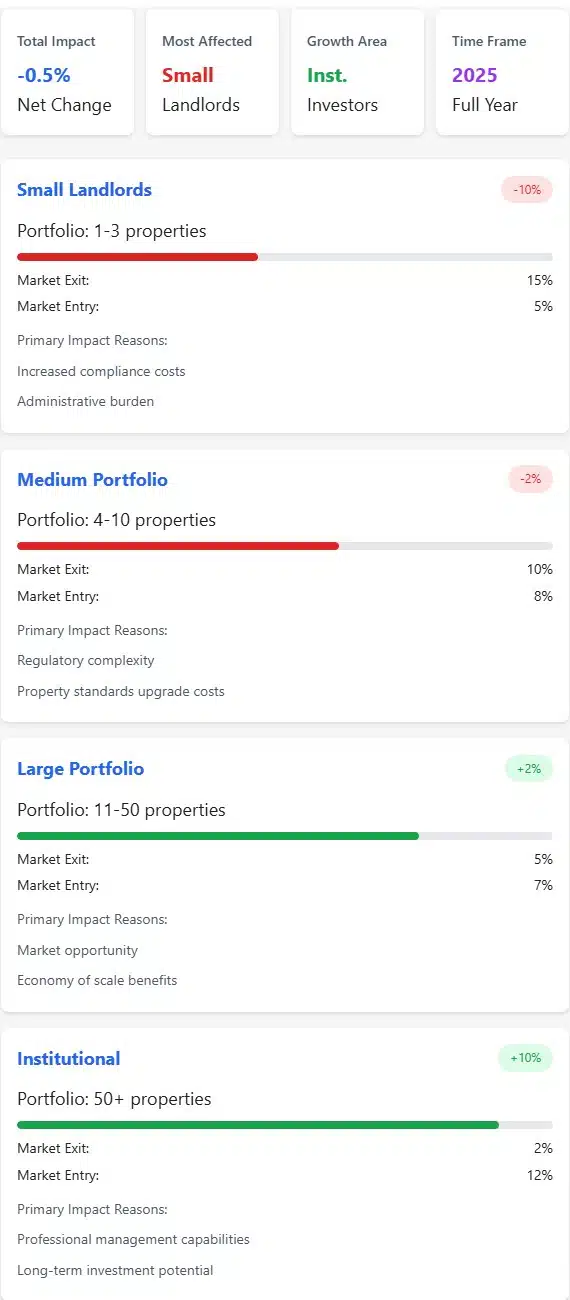
There is a risk that some landlords, especially smaller ones, might exit the market due to increased regulatory burdens. However, institutional investors may see opportunities in well-maintained, compliant properties, potentially driving up property values in certain areas.
Strategic Investment Considerations
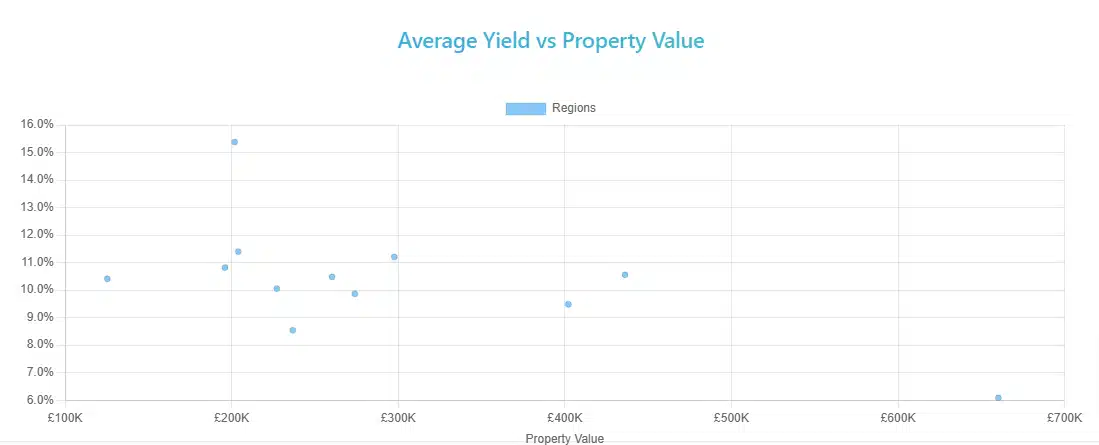
Investors will need to adjust their strategies to account for the new regulations. Properties that meet the new standards could command higher rental yields, while those that fail to comply may see reduced demand.
Rental Costs: New Rules for Landlords & Tenants
Landlords: New Standards, Eviction Rules & Tax Impact

Compliance Costs: Upgrading properties to meet the Decent Homes Standard may cost an average of £4,300 per property.
Administrative Burdens: Landlords must now document and prove all grounds for eviction, which can extend eviction timelines and increase legal costs.
Fiscal Pressures: Additional measures such as stamp duty surcharges and reduced mortgage interest relief will impact profitability.
Tenants: New Rules on Price Increases and Upfront Payments
Rent increases are capped, ensuring more predictable housing costs.
Upfront payment restrictions reduce the financial burden when moving into a new property.
How UK's New Bill Matches Global Standards
Enhanced Tenant Protections
Countries like Germany and Sweden provide robust tenant protections through strict rent controls and long-term leases. The UK’s new Bill aligns with these international standards by abolishing no-fault evictions and limiting rent increases.
Innovative Dispute Resolution
New Zealand’s use of digital dispute resolution and mediation services serves as a model for the UK. By adopting similar tools, the UK aims to reduce the burden on courts and resolve disputes more efficiently.
Renters' Rights Bill: Industry Response and Political Debate

Tenant Advocacy
Groups such as Shelter have welcomed the Bill, citing enhanced security and fairer treatment for tenants as long overdue reforms.
Landlord Concerns
Landlord associations warn that increased compliance costs, administrative burdens, and stricter eviction rules may force some landlords to exit the market, reducing the rental stock.
Political Divides
While Labour champions the Bill for social justice and tenant protection, Conservative critics caution that excessive regulation may have unintended consequences for rental affordability and market stability.
UK Section 21 Ban: Legal Impact Analysis & Eviction Process Changes 2025
Positive Legal Shifts
Legal experts applaud the abolition of Section 21 for protecting tenants from arbitrary evictions. The move to periodic tenancies is also seen as a positive step toward enhancing tenant security.
Areas of Concern
Critics highlight potential challenges, such as longer eviction processes under Section 8 and the non-binding nature of digital dispute resolution tools. These may lead to increased court cases and administrative costs.
2025 UK Rental Law: Implementation Challenges for Landlords and Courts

Judicial Capacity
Courts may face a surge in rental disputes, potentially leading to delays in processing eviction cases.
Rapid Adaptation Required
Landlords and letting agents must quickly adjust their practices to comply with the new regulations, which could result in initial confusion and increased costs.
Increased Administrative Burdens
The need for meticulous documentation and the transition to digital platforms may add to landlords’ operational overhead.
Landlord Incentives and Affordable Housing Plans
Additional Incentives
Future measures could include tax breaks for energy-efficient property upgrades and targeted support for small landlords to ease compliance costs.
Strengthening Dispute Resolution
Enhancing the digital mediation platform with binding arbitration and reducing court backlogs will be crucial for a smooth transition.
Integration with Affordable Housing Initiatives

Policymakers may link these reforms with broader affordable housing strategies, such as the Affordable Housing Program targeting 300,000 new social units annually by 2030.
Renters' Rights Bill 2025 - Essential Tips for Landlords and Tenants
Tips for Landlords
Audit Your Properties
Use government tools like the Housing Health and Safety Rating System to check compliance with the Decent Homes Standard.
Adopt Management Software
Implement property management systems to track maintenance requests and document evidence for Section 8 cases.
Seek Professional Guidance
Learn how to maximize the profit out of your portfolio with property and investment experts. Consult with Experts such as Jamie York, Vanessa Warwick, Ahmed Khan, Steve Doran, etc. for expert advice.

Tips for Tenants
Know Your Rights
Familiarize yourself with the enhanced protections, including the abolition of no-fault evictions and the new rent increase regulations.
Document Everything
Keep copies of all communications with your landlord regarding tenancy agreement, repairs, rent increases, or other tenancy issues.
Use Dispute Resolution Services
If you face unfair practices, utilize the ombudsman service and digital mediation tools provided by the Bill.
How to Get a Tenant Evicted Under the Upcoming UK Renters’ Rights Bill
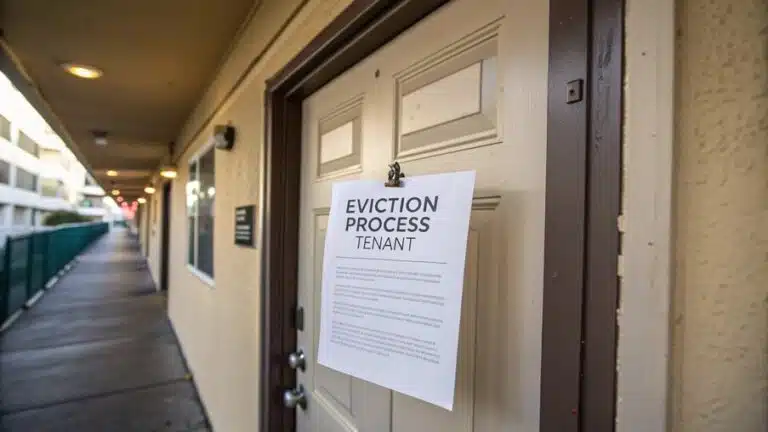
Under the new framework, evicting a tenant requires a clear, evidence-based process. The following sections explain the legal grounds, required procedures, and practical challenges for landlords seeking eviction.
Legal Grounds for Eviction
Before initiating an eviction, landlords must establish one or more legally valid grounds:
Valid Eviction Grounds
Rent Arrears
Persistent non-payment where the tenant has repeatedly failed to pay rent on time.
Anti-Social Behaviour
Incidents that disrupt the community or cause harm to other residents.
Property Misuse
Damage to the property that goes beyond normal wear and tear.

Sale or Re-Occupation
Genuine intent to sell the property or move in.
Landlords must gather and document clear evidence supporting any of these grounds.
The Section 8 Eviction Process
Serving a Section 8 Notice
Landlords are required to serve a formal Section 8 notice that:
Legal
Specifies the exact legal grounds for eviction.
Timeline and Penalties
Provides a clear timeline for compliance and the consequences of non-compliance.
Tenant Notification
Is delivered in a manner that complies with statutory requirements, ensuring that tenants are fully informed.
Evidence and Documentation Requirements
Successful eviction under the new rules depends on robust documentation:
Payment Records
Maintain detailed logs of late or missed rent payments.

Photographic Evidence
Use clear photographs to document any property damage.
Witness Statements
Collect statements from neighbors or third parties if necessary.
Repair Request Logs
Keep records of all communications related to property repairs or maintenance issues.
These records are essential if the case escalates to a tribunal or court.
New Eviction Process 2025New Eviction Process Under the Renters' Rights Bill 2025
A step-by-step guide to the reformed eviction procedure
Key Changes Overview
No more 'no-fault' evictions
New Notice Periods2-4 months depending on grounds
Evidence RequiredMust prove valid grounds
Initial Assessment1Evaluate grounds for evictionValid grounds include:• Rent arrears• Anti-social behavior• Property sale• Landlord occupationSection 21 'no-fault' evictions are no longer validEvidence Collection2Gather required documentationRequired documents:• Tenancy agreement• Payment records• Communication history• Property inspection reportsNotice Service3Serve appropriate noticeNotice periods:• Rent arrears: 2 weeks• Anti-social behavior: 4 weeks• Property sale: 4 months• Landlord occupation: 4 monthsEnsure correct notice form and delivery methodDispute Resolution4Consider mediation optionsAvailable options:• Ombudsman service• Independent mediation• Direct negotiationMediation can save time and costsCourt Process5Legal proceedings if requiredCourt requirements:• Complete claim forms• Pay court fees• Attend hearings• Present evidenceEnsure all documentation is complete and accurateEnforcement6Final stage of processFinal steps:• Obtain possession order• Apply for bailiff (if needed)• Arrange property handoverMust follow strict legal proceduresPractical Considerations and Challenges
Administrative and Legal Challenges
Extended Timelines
The evidence-based eviction process may take longer than under the previous system.
Increased Costs
Legal fees and administrative expenses are likely to rise due to the need for comprehensive documentation.

Court Involvement
Disputes that escalate may require lengthy court hearings, adding further delays.
Alternative Strategies and Mediation Options
Before pursuing eviction, landlords should consider alternatives:
Mediation
Utilize the digital dispute resolution tools to negotiate repayment plans or resolve issues amicably.

Negotiated Settlements
Reach a mutual agreement with the tenant to address breaches without resorting to legal action.
Preventative Measures
Implement proactive tenant screening and regular property audits to minimize risks.
These strategies may provide a quicker, less costly resolution while preserving tenant-landlord relationships.
2025 Renters Right Bill Q & A
Periodic tenancies replace fixed-term leases with rolling monthly contracts. This change offers tenants indefinite tenure – meaning they can remain in their homes until they choose to leave or a landlord obtains a valid eviction order. In essence, periodic tenancies enhance tenant stability by eliminating sudden lease expirations. However, the flexibility also means that evictions can be initiated under stricter evidence requirements (via Section 8), which might prolong disputes. Overall, tenants benefit from greater security if landlords adhere to the new, more balanced eviction rules.
What are the expected financial implications for landlords under the new reforms?Landlords are likely to face several financial impacts:
- Increased Compliance Costs: Upgrading properties to meet the Decent Homes Standard could cost an average of £4,300 per property for those currently below standard.
- Administrative Burdens: Documenting evidence for evictions under Section 8 and managing periodic tenancies may extend legal processes and add to operational costs.
- Fiscal Pressures: New measures such as stricter rent increase controls, higher stamp duty surcharges, and reduced mortgage interest relief may compress rental yields and profitability. These combined pressures could force some landlords – especially smaller operators – to reconsider their investments in the rental market.
Abolishing Section 21 means landlords can no longer evict tenants without providing a valid reason. Instead, evictions will need to be pursued under Section 8, which requires documented, evidence-based grounds such as rent arrears or anti-social behaviour. This shift is expected to:
- Enhance Tenant Security: Tenants gain greater stability, reducing the risk of arbitrary displacement.
- Alter Landlord Flexibility: Landlords will have to follow a more rigorous process, potentially slowing down evictions and increasing administrative work.
- Influence Market Dynamics: While the reforms may stabilize tenancies, they could also prompt some landlords to exit the market, which might, in turn, affect rental supply and potentially drive up rents.
Critics from the landlord and property agent side express several concerns:
- Increased Costs and Administrative Burdens: The need for extensive documentation and compliance (e.g., meeting the Decent Homes Standard) could lead to higher operational expenses.
- Reduced Flexibility: Stricter eviction procedures (requiring evidence under Section 8) limit landlords’ ability to manage problematic tenancies quickly.
- Market Instability: There is fear that increased regulation could force smaller landlords to exit the market, thereby reducing the rental stock and potentially raising rents.
- Potential for Overregulation: Some argue that the Bill might impose excessive bureaucracy that could stifle private investment and lead to unintended market distortions.
The Bill outlines several measures to streamline dispute resolution:
- Digital Dispute Resolution Tools: A national online platform will facilitate mediation and virtual hearings, reducing the need for physical court appearances.
- Mandatory Ombudsman Service: An independent ombudsman will be designated to mediate disputes and ensure impartial resolutions.
- Enhanced Communication Channels: Both landlords and tenants are encouraged to maintain clear records and regular communication to preempt disputes. These measures aim to resolve conflicts quickly, cost-effectively, and transparently, thereby reducing the burden on the traditional court system.
Mediation is generally regarded as an effective method for resolving disputes because it:
- Fosters Open Communication: It encourages both parties to discuss issues in a less adversarial environment.
- Reduces Costs and Time: Mediation often resolves conflicts faster and with lower costs compared to traditional court proceedings.
- Preserves Relationships: It helps maintain a positive landlord-tenant relationship by focusing on mutually acceptable solutions. However, its success depends on the willingness of both parties to cooperate and the quality of the mediation service provided.
Key challenges include:
- Lengthy Processing Times: Due to backlogs, cases at the Rental Housing Tribunal can take several months to resolve.
- Administrative Complexity: The process requires comprehensive documentation, which can be burdensome for both landlords and tenants.
- Inconsistent Decision-Making: There may be variability in decisions, leading to uncertainty for both parties.
- Accessibility Issues: Smaller landlords and tenants may find it difficult to navigate the system without legal representation.
Yes, the Renters’ Rights Bill 2025 introduces several technological advancements:
- Online Mediation Platforms: These digital tools allow parties to submit documentation, communicate, and resolve disputes virtually.
- Virtual Hearings: Technology enables remote tribunal hearings, reducing delays and making the process more accessible.
- Electronic Documentation Submission: This simplifies evidence gathering and helps streamline the resolution process. These innovations are designed to increase efficiency, reduce costs, and improve overall transparency in dispute resolution.
Approaches vary significantly around the world:
- Germany and Sweden: Both countries have strong tenant protection laws with long-term leases and strict rent control measures, which provide stability and clear dispute resolution mechanisms.
- New Zealand: Utilizes digital dispute resolution and robust mediation services to resolve conflicts efficiently.
- United States: Dispute resolution often involves a mix of mediation, arbitration, and formal court proceedings, depending on state laws. These international models highlight a spectrum of practices that balance tenant protections with landlord rights, offering valuable insights for potential improvements in the UK.
Rental agents often serve as intermediaries between landlords and tenants. Their role includes:
- Facilitating Communication: They help bridge the communication gap by ensuring that both parties understand their rights and responsibilities.
- Documenting Disputes: Agents often keep detailed records of tenant interactions and complaints, which can be crucial in mediation or legal proceedings.
- Mediating Conflicts: In many cases, rental agents help negotiate resolutions before disputes escalate to formal legal channels.
- Advising on Compliance: They assist landlords in navigating the new regulatory environment, ensuring that all documentation and procedures comply with the updated legislation. By playing these roles, rental agents contribute significantly to preventing disputes from escalating and help maintain a smooth rental process.
Impact on 11 Million Tenants and Landlords
The Renters’ Rights Bill 2025 marks a transformative moment for the UK private rental market. By abolishing no-fault evictions, transitioning to periodic tenancies, capping rent increases, and introducing digital dispute resolution tools, the Bill aims to provide greater security and fairness for 11 million renters.
Although these reforms present challenges for landlords – increased compliance costs, extended eviction processes, and potential market shifts – they also pave the way for a more equitable rental market.
Success will depend on robust enforcement, stakeholder cooperation, and further supportive policy measures. Ultimately, the Bill strives to balance tenant rights with sustainable landlord practices, fostering a stable and inclusive rental market for the future.