Epc Register: UK Landlord Guide + Free Tools (2026)
Published · Updated · 10 min read
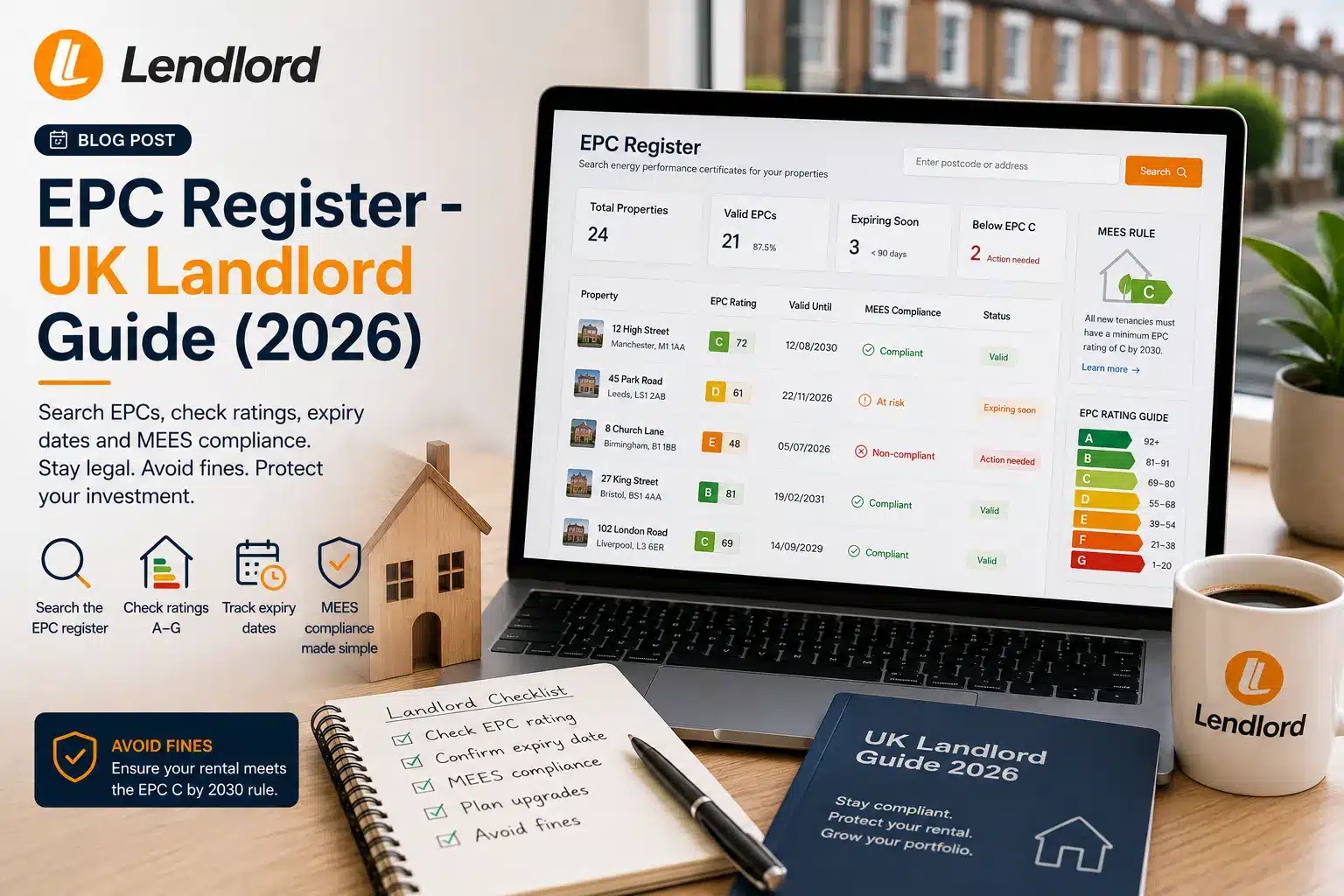
Before you let, refinance, or apply for an HMO licence, you need a valid certificate on the EPC register. In fact, the register is the official public record of energy performance for domestic and commercial buildings in the UK. However, many landlords only discover an expired or missing entry when a tenant solicitor, lender, or council asks for proof.
Below, we explain what the EPC register is, how to obtain and renew certificates, and how MEES and the Renters Rights Act 2026 raise the stakes for sub-C stock. Meanwhile, we link free Lendlord tools that track compliance alongside bridging options for upgrade-heavy refurbs.
Key facts at a glance
- Minimum let: currently band E, band C proposed by 2030
- Validity: ten years unless major works trigger renewal
- Search: GOV.UK find an energy certificate by postcode
- Landlord action: track expiry dates in a compliance hub
Quick watch: property documents landlords need
What is epc register?
The EPC register stores energy performance certificates for buildings across the UK. Specifically, each entry shows the rating band, the environmental impact score, and recommended improvements. Consequently, tenants, buyers, and councils rely on the same public record when they assess a property.
Importantly, the register is separate from your filing cabinet. Even if you hold a PDF, the legal reference is the live entry on GOV.UK. Therefore, always search the register before marketing a void unit.
Minimum EPC for renting
Currently, the minimum EPC for renting a domestic property in England and Wales is band E, subject to exemptions. Meanwhile, policy direction points toward band C by 2030 under MEES reforms. Consequently, landlords holding D or E stock should plan upgrades now rather than in 2029.
Furthermore, some lenders already restrict products on low-rated homes. As a result, a poor rating can block refinance as well as letting. For the full funding picture, see our guide to EPC C by 2030 and MEES funding.
Obtain EPC for a rental property
To obtain EPC certification, instruct a domestic energy assessor accredited with an approved scheme. First, they visit the property and collect construction, heating, and insulation data. Next, they lodge the certificate on the register. After that, you receive the report link for tenants and agents.
Typically, expect to pay between £60 and £120 depending on property size and location. Therefore, budget the cost into void works alongside gas safety and electrical checks.
Compliance tool
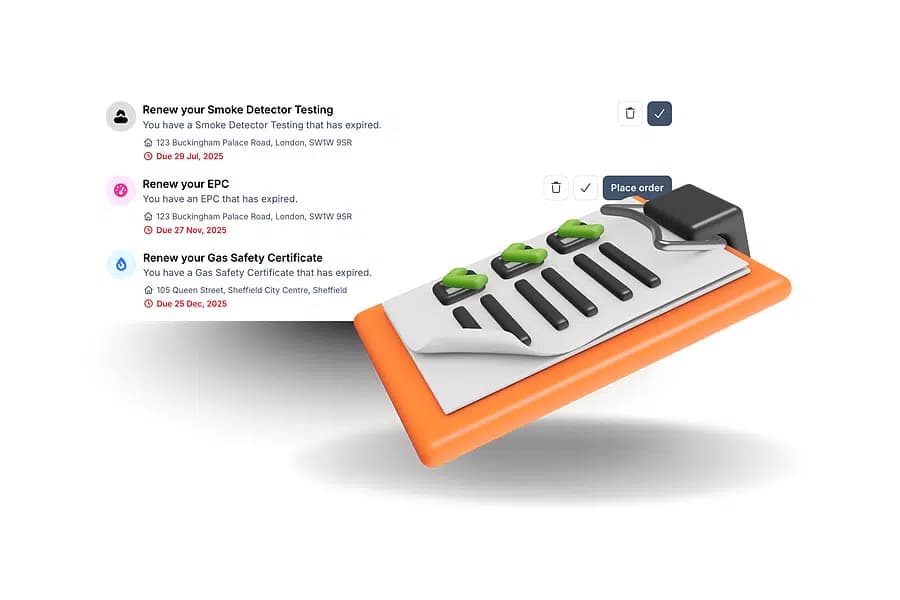
Track EPC expiry with tenancy compliance tasks
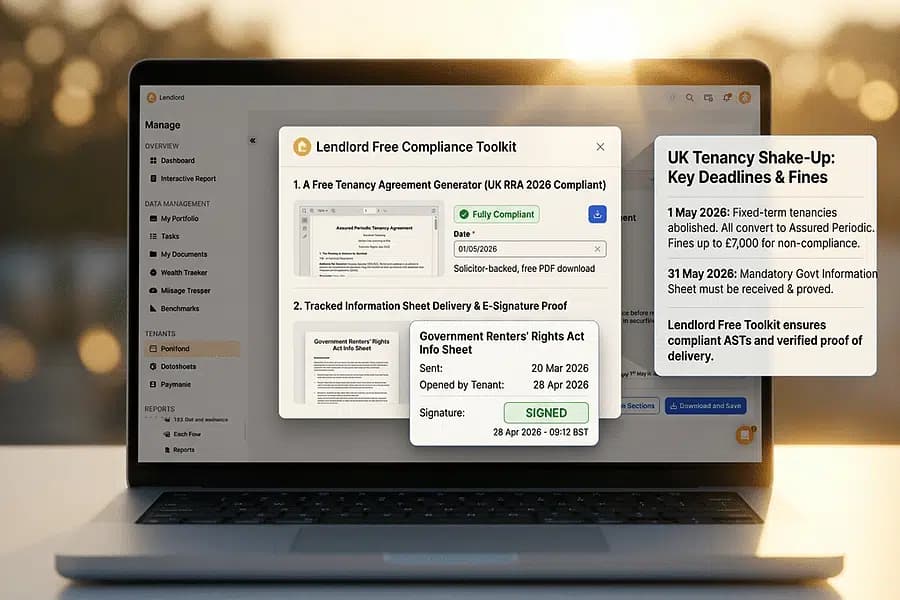
Lendlord's compliance hub links EPC dates with tenancy documents and Renters Rights Act tasks. As a result, you see which properties need a new certificate before you re-let after a void.
Track EPC complianceRDSAP10 methodology 2025
RDSAP10 methodology 2025 updated how assessors model existing homes. Specifically, it captures data on heating controls, insulation continuity, and renewable systems more accurately than earlier versions. Consequently, two properties that looked identical under old software can receive different ratings after reassessment.
Meanwhile, landlords refurbishing in 2026 should ask assessors which software version will lodge the certificate. In addition, if you are close to a band boundary, small measures may move the needle more under RDSAP10 than you expect.
Bridging finance
Fund EPC upgrades when savings will not cover the works

Heavy upgrade paths often need short-term finance before refinance. You can apply for bridging to fund insulation, glazing, and heating improvements, then exit once the new rating is lodged. For strategy detail, read our EPC upgrade bridging playbook.
Start a bridging application
Renew EPC before it expires
EPCs last ten years unless superseded. However, marketing a let with fewer than two years left can worry buyers and lenders. Therefore, many landlords renew at void rather than mid-tenancy to avoid access disputes.
Consequently, diarise expiry dates per unit. When a certificate lapses, you cannot legally market a new tenancy until a fresh one is lodged.
Watch: landlord compliance essentials
Improve rating before MEES deadlines
To improve rating cost-effectively, follow the recommendation report attached to your certificate. Generally, loft insulation, LED lighting, and heating controls deliver strong payback. Meanwhile, solid wall insulation or full heating swaps cost more but may be essential for band C.
Estimate with AI
Estimate upgrade costs before you instruct contractors
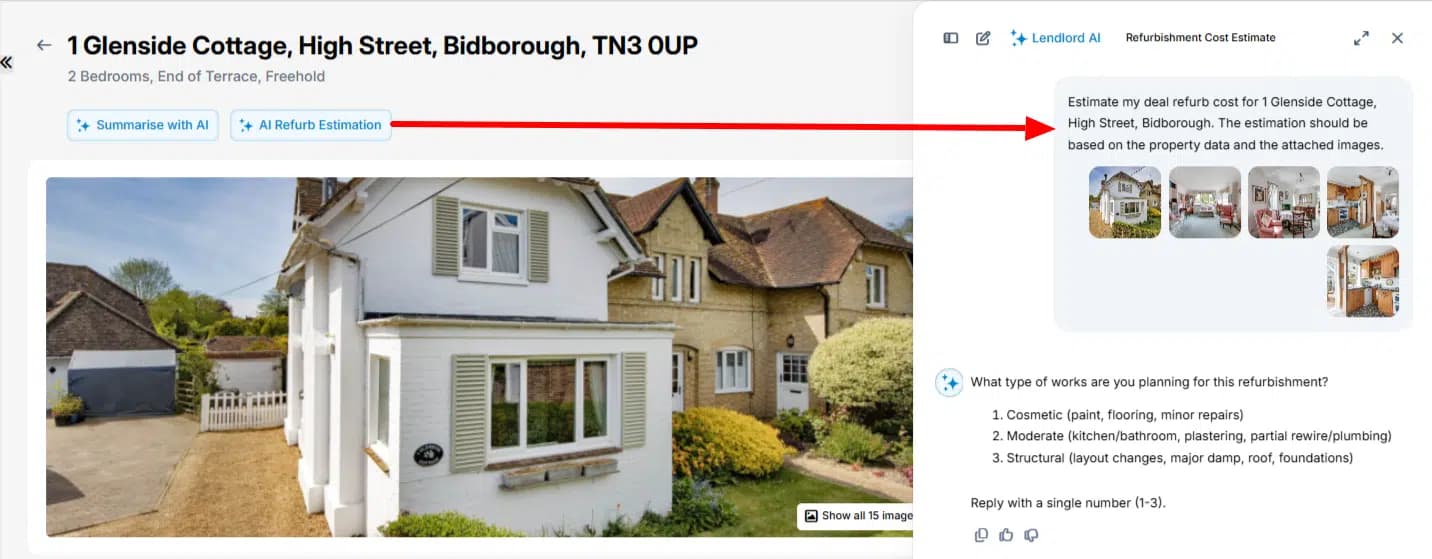
Lendlord AI can estimate refurbishment costs from property data and photos, broken down by item. Consequently, you prioritise measures that move the EPC band without overspending on cosmetic works that do not affect the score.
Explore Lendlord AIExemptions and lawful letting below target bands
MEES exemptions exist where improvements are not cost-effective or permitted, such as listed buildings or certain tenancies. However, you must register exemptions officially and renew them on schedule. Therefore, never assume verbal council advice replaces a lodged exemption entry.
In addition, exemptions are not a long-term strategy for growing portfolios. As band C approaches, buyers and lenders discount sub-standard stock more aggressively.
Step-by-step: search, verify, and lodge
- Search the EPC register on GOV.UK with the full address.
- Check rating, expiry, and recommendations against your compliance plan.
- Book an assessor if the certificate is missing or expired.
- Complete upgrade works where MEES or lender policy requires them.
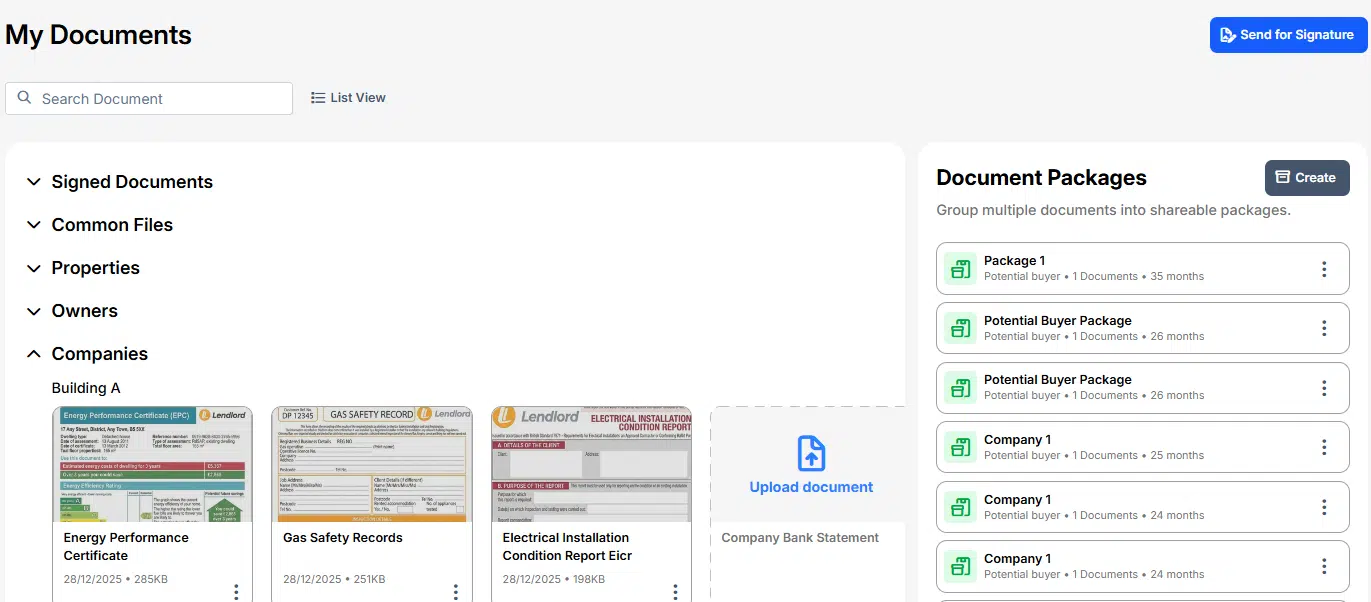
- Store the lodgement reference in your document hub for audits.
Meanwhile, HMO operators should align EPC dates with licence renewal cycles. Our HMO licence guide lists the certificates councils inspect during applications.
Short: Renters Rights compliance
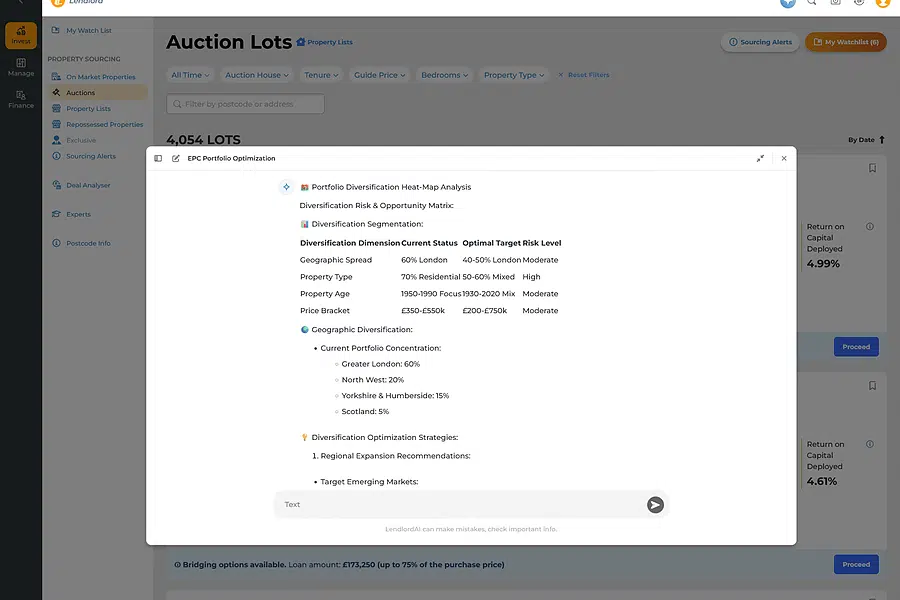
Scenarios landlords face on the EPC register
Purchase of sub-C stock
When you buy a D-rated property, model upgrade cost before you offer. Specifically, attach a refurb budget to the bridge or mortgage case so the exit still works once works complete. Consequently, the register entry becomes a negotiating lever if the rating is near expiry.
Void turnover in 2026
Between tenants, verify the register entry is still valid and matches any works you completed. Because tenants can compare EPC labels on portals, a weak rating slows lettings even when enforcement is months away.
HMO licensing and multi-let units
Some councils expect consistent certificates across HMO units. Therefore, store each lodgement reference separately and confirm whether communal areas affect the assessment for the whole building.
Renters Rights Act 2026 and certificate evidence
Under the Renters Rights Act 2026, tenants receive clearer information about property condition and compliance. Although the Act centres on tenancy structure and notices, councils and redress schemes increasingly expect documentary proof that certificates were shared. Consequently, landlords who cannot show a valid EPC register entry and delivery record face slower dispute resolution and weaker possession evidence.
Furthermore, periodic tenancies reduce the natural break points where certificates were historically refreshed. As a result, proactive renewal during voids becomes the safest workflow.
Common mistakes with the EPC register
- Relying on an old PDF without checking the live register entry
- Assuming a loft conversion inherited the previous certificate unchanged
- Marketing within ten days of expiry without booking an assessor
- Ignoring recommendation reports when planning MEES upgrades
- Storing certificates outside the tenancy file auditors expect
Ultimately, the register is the source of truth. Investors who search it before every let, fund upgrades with a clear plan, and track dates in one system stay ahead of MEES and lender policy alike.
Commercial versus domestic entries on the register
Although this guide focuses on residential lets, mixed-use buildings may have separate commercial and domestic certificates. Therefore, confirm which entry covers the unit you let before you rely on a single search result. Meanwhile, conversions from commercial to residential often need a fresh assessment because use class affects the model inputs.
Furthermore, holiday lets and serviced accommodation sit in a different regulatory frame in parts of the UK. Consequently, verify local planning and licensing rules alongside the EPC entry before you market short stays.
How EPC ratings affect mortgage and bridging decisions
Lenders increasingly screen EPC bands at application stage. Specifically, sub-E stock may face tighter loan to value caps or exclusion from certain products. Therefore, when you obtain EPC data during due diligence, share the rating with your broker before you pay valuation fees.
Meanwhile, bridging lenders funding heavy upgrades often require a post-works rating plan in the file. In addition, attach the recommendation report to show how the exit refinance will meet lender minimums once works complete. For worked examples, cross-read the MEES funding guide and bridging playbook sections linked earlier in this article.
Typical upgrade costs by starting band
| Starting band | Target band | Typical works | Indicative cost range |
|---|---|---|---|
| E | D | Loft insulation, heating controls, LED lighting | £1,500 to £4,000 |
| D | C | Cavity wall insulation, upgraded boiler, glazing | £4,000 to £12,000 |
| D | C (solid wall) | Internal or external wall insulation, new heating | £8,000 to £25,000 |
| F or G | E (minimum let) | Basic fabric and heating improvements | £2,500 to £8,000 |
However, every building differs. Consequently, treat the table as planning guidance and order a fresh assessment quote before you commit budget. In addition, check whether ECO or local authority grants offset part of the spend.
ECO grants and landlord funding support
Energy Company Obligation schemes change frequently, yet they remain worth checking before you pay full price for insulation or heating upgrades. First, search Ofgem guidance for current eligibility. Next, ask your installer whether they are an approved ECO supplier. After that, compare net cost after grant with your hold-versus-sell model.
Meanwhile, some councils run area-based schemes targeting low-rated stock. Therefore, subscribe to landlord newsletters in boroughs where you hold sub-C properties so you hear about pilots early.
Preparing for an EPC assessment visit
Assessors need access to lofts, boilers, and meter cupboards. First, clear access routes before the appointment. Next, gather paperwork on recent works, such as insulation certificates or boiler installation records. Consequently, the lodged certificate reflects improvements that might otherwise be missed visually.
Furthermore, inform tenants with proper notice if the visit occurs during occupation. Under the Renters Rights Act 2026, documented access arrangements protect you if a tenant later disputes entry for compliance works.
Portfolio prioritisation: which properties to upgrade first
Rank units by rating, expiry date, lender restrictions, and void risk. Typically, start with properties you plan to re-let within twelve months. Next, tackle those blocking refinance on favourable products. Meanwhile, defer upgrades on assets you intend to sell to owner-occupiers unless marketing data shows buyers discount poor ratings heavily in that postcode.
In addition, batch works where possible. Because scaffold and contractor mobilisation carry fixed costs, upgrading two neighbouring units in one programme often lowers cost per band jump.
Sharing certificates with tenants and agents
You must provide a valid EPC when marketing a let. Specifically, include the link or certificate in tenant packs and store proof of delivery. Consequently, if a dispute arises, you show the tenant received the document before occupation.
Furthermore, portals pull register data automatically in many cases. However, manual uploads still fail when the register entry expired yesterday. Therefore, renew before you refresh the listing, not after enquiries arrive.
Bridging exit planning when upgrades drive the deal
When you bridge specifically to fund EPC works, attach the target rating and refinance lender criteria to the exit memo. First, confirm the post-works band supports the loan to value you need. Next, book the assessor early so lodgement does not delay completion. After that, line up the long-term mortgage offer before the bridge term ends.
Meanwhile, keep photos and invoices organised for underwriting. As a result, the refinance lender sees a clean trail from purchase through upgrade to improved rating on the register.
HMO operators: aligning EPC with licence conditions
HMO licences often reference fire safety and room standards that interact with energy performance. For example, draught proofing must not compromise ventilation required for HMO compliance. Therefore, coordinate works with your HMO consultant before you instruct contractors.
Additionally, councils may ask for EPC evidence during licence renewal or inspection. Consequently, storing the lodgement reference beside your HMO licence in Lendlord keeps both documents ready for the same audit window.
Audit trail: what to store for each certificate
For every property, keep the register URL, lodgement date, assessor details, recommendation report, and proof you shared the certificate with the tenant. Meanwhile, note any exemption registration numbers in the same folder. Consequently, when a lender, council, or tenant requests evidence, you respond within minutes rather than rebuilding the file under pressure.
In short, treat the EPC register as a live compliance feed, not a one-off PDF you file once and forget. Review register entries at every void, refinance, and licence renewal so ratings never surprise you mid-deal.
Official data sources
Energy performance rules and the public register are maintained by official UK bodies. Confirm current MEES guidance before you let or upgrade.
Track EPC expiry, store certificates, and plan MEES upgrades across your portfolio.
Track EPC complianceFrequently asked questions
How do I search the EPC register?
Use GOV.UK find an energy certificate and enter the full address. Consequently, you see the current rating, expiry date, and recommendation report link.
What is the minimum EPC for renting in 2026?
Currently band E applies in England and Wales with registered exemptions. Meanwhile, band C by 2030 remains the stated policy direction under MEES reforms.
How long does an EPC last?
Ten years from lodgement unless superseded by a new certificate. Therefore, diarise expiry and renew at void when possible.
What changed with RDSAP10 in 2025?
RDSAP10 captures heating controls, insulation, and renewables more accurately. As a result, reassessments after refurb may produce different bands than older software versions.