EPC C by 2030 UK: MEES Rules and How to Fund Your Upgrades
Published · Updated · 6 min read
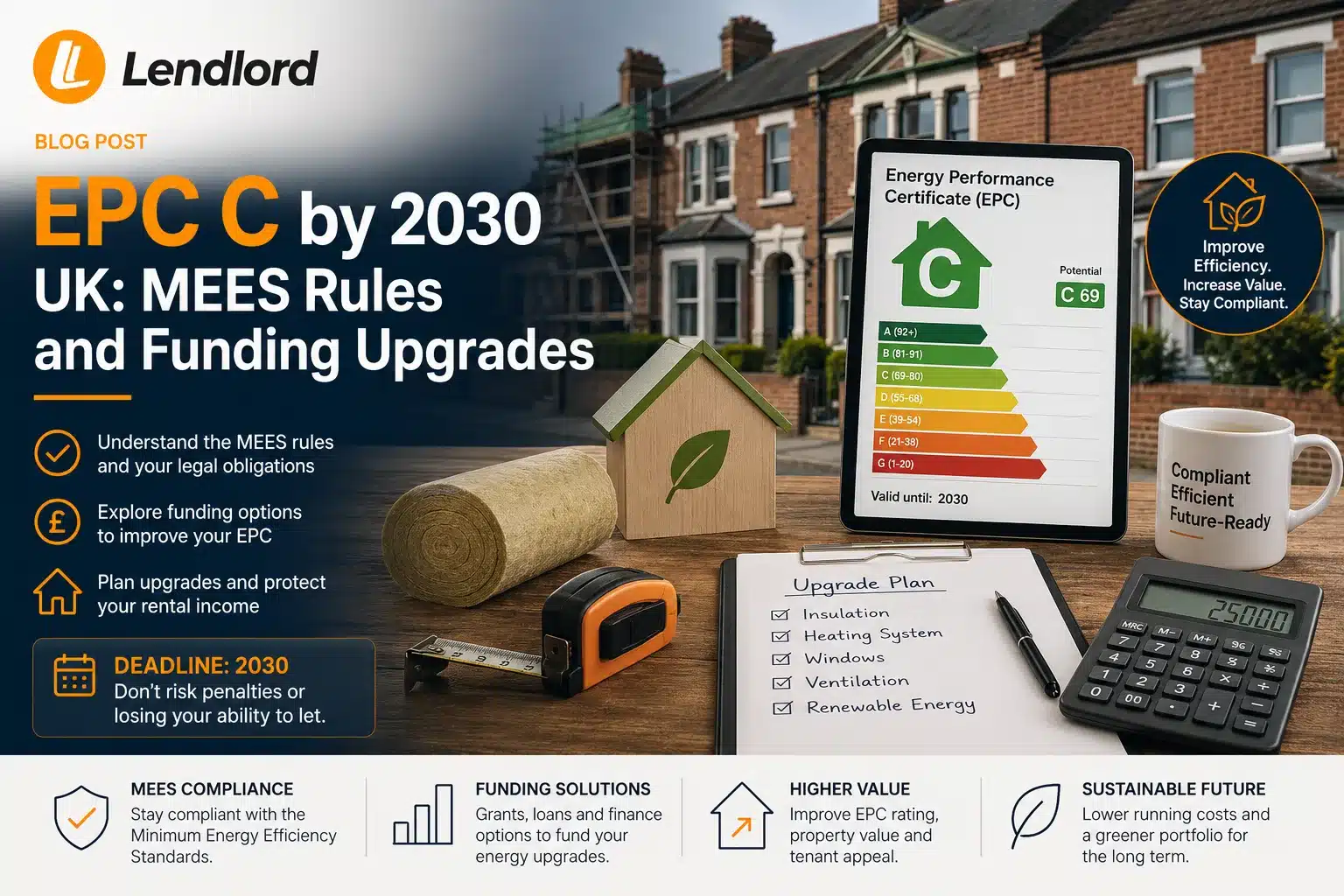
For landlords holding older stock, one number now shapes the decade: EPC C by 2030. In fact, minimum energy efficiency standards are set to push rental homes to at least band C, so the choice becomes upgrade, sell, or eventually stop letting. However, with a clear plan and the right finance, compliance can add value rather than just cost.
Below, we explain the MEES 2030 direction, what upgrades cost, and how landlords fund the work. Meanwhile, we keep everything UK-focused and practical for a growing portfolio.
Key facts at a glance
- Target: EPC band C minimum by 2030
- At risk: millions of rentals rated D or below
- Typical works: insulation, glazing, heating upgrades
- Finance: bridging for refurb-heavy upgrades
Quick watch: refurbishment planning mistakes
What MEES 2030 means for your portfolio
First, the direction of travel. Minimum energy efficiency standards already restrict letting the lowest-rated homes. Now the proposed band C rule raises the bar for most rentals. Therefore, landlords holding D or E stock need a roadmap rather than a last-minute scramble.
Encouragingly, planning early spreads both cost and disruption. As a result, you can sequence works around voids instead of losing rent on emergency upgrades close to the deadline.
Typical EPC upgrade cost for landlords
Next, the money. The EPC upgrade cost landlord question has a wide answer, because it depends on the property. For example, loft insulation and LED lighting may cost hundreds. By contrast, solid wall insulation or a heating upgrade can run into thousands.
Crucially, order a fresh recommendation report before you quote works. Consequently, you spend on the measures that actually move the rating rather than guessing.
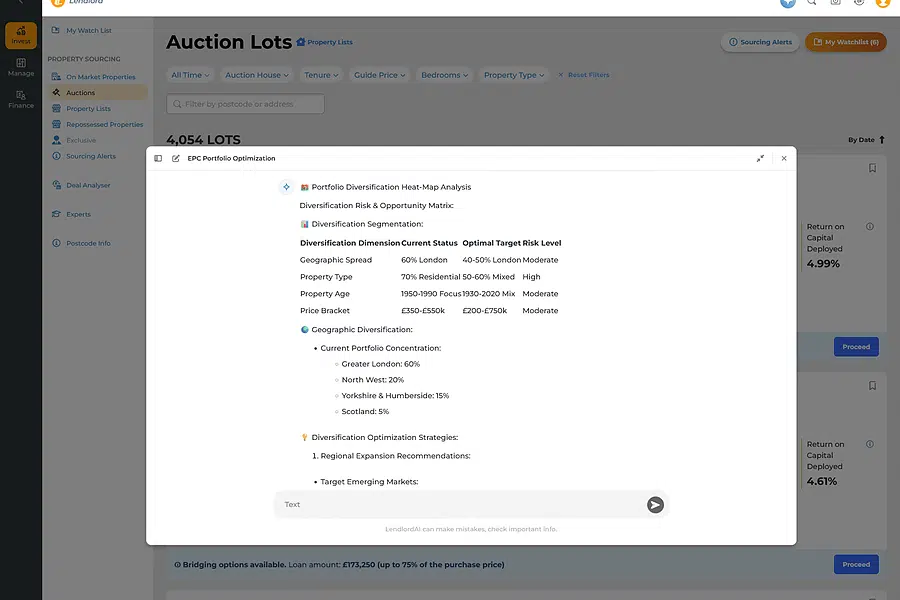
Prioritising which properties to upgrade first
Meanwhile, do not spread budget thinly. Instead, rank units by rating, tenant stability, and cost to reach band C. In practice, two well-chosen upgrades often clear most of your regulatory risk.
Estimate with AI
Estimate your upgrade costs with Lendlord AI
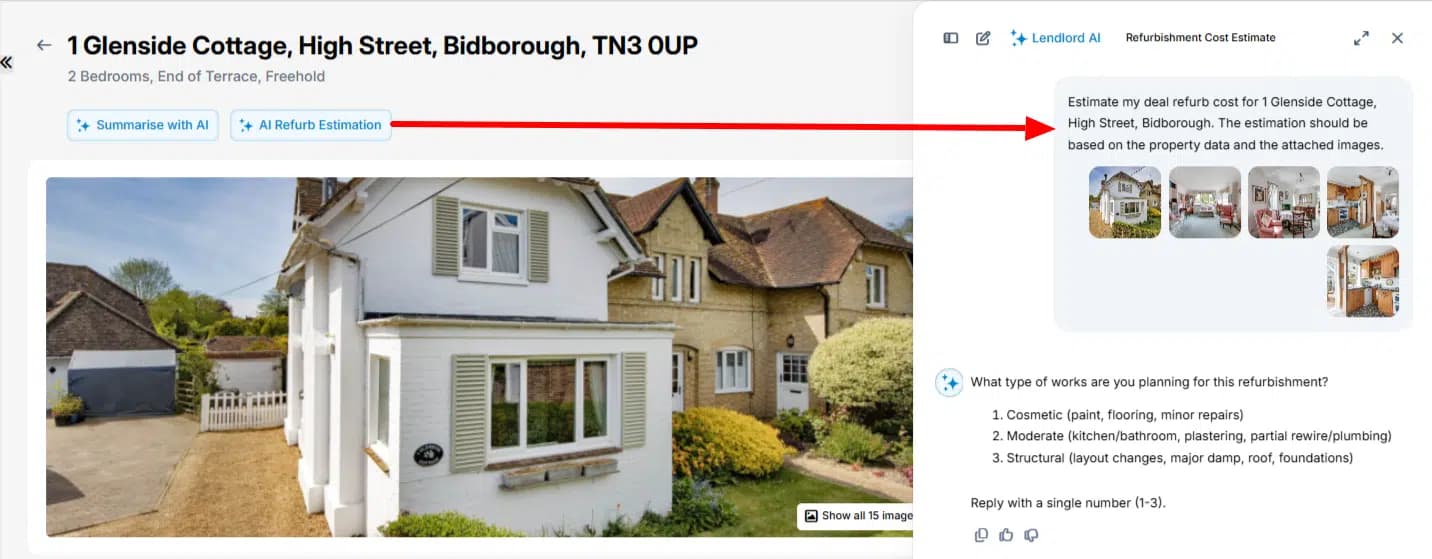
You can ask Lendlord AI to estimate refurbishment costs from a property's data and photos, with a breakdown per item. As a result, you budget energy upgrades on real figures and target the properties where spending protects income and value most.
Explore Lendlord AIFunding EPC upgrades with bridging finance
Importantly, savings do not always cover the work before the deadline. Here, bridging finance closes the gap. Specifically, investors use short-term finance to buy and upgrade low-rated stock, then refinance or sell once the rating improves.
For the detail, our playbook on EPC upgrade bridging loans shows how to structure the deal with a clear exit attached to your recommendation report.
Fund the works
Bridge the upgrade, then refinance
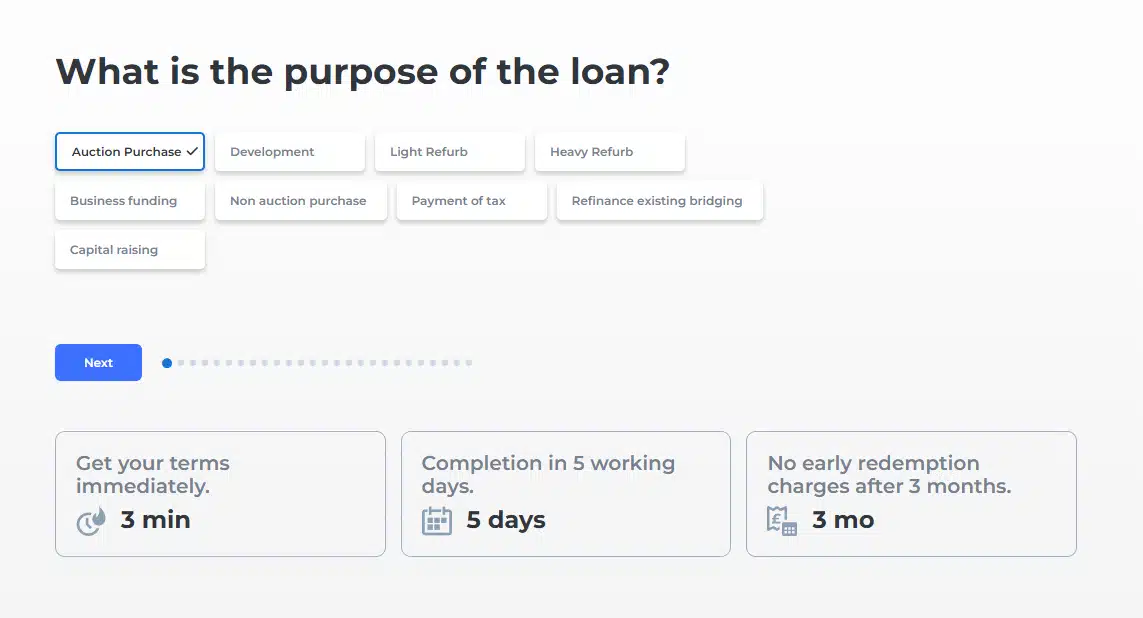
You can apply for bridging to fund energy works on unmortgageable or low-rated stock, then move onto a standard product once the rating lifts. In addition, a transparent application keeps the timeline tight so voids stay short.
Start a bridging applicationWatch: when to use bridging for upgrades
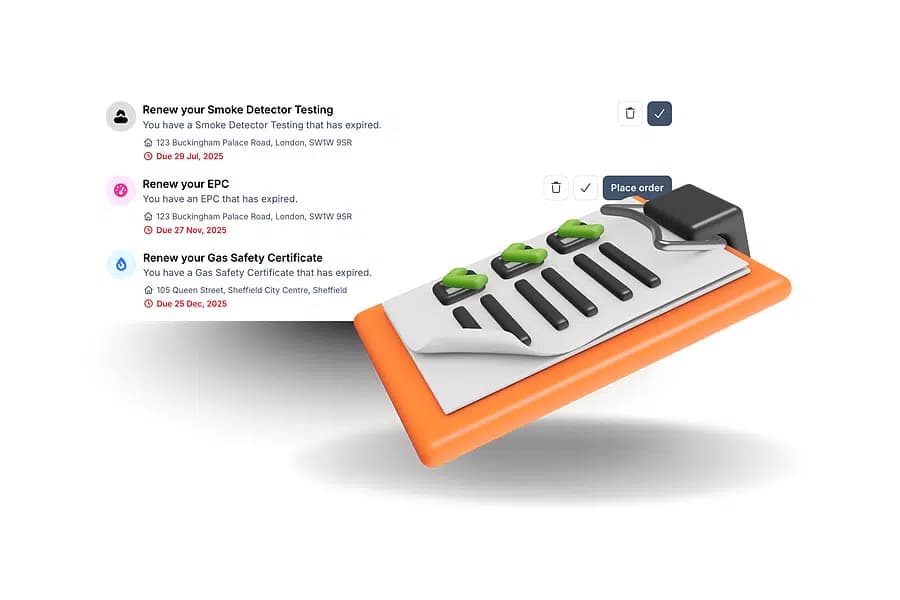
Tracking every EPC deadline across the portfolio
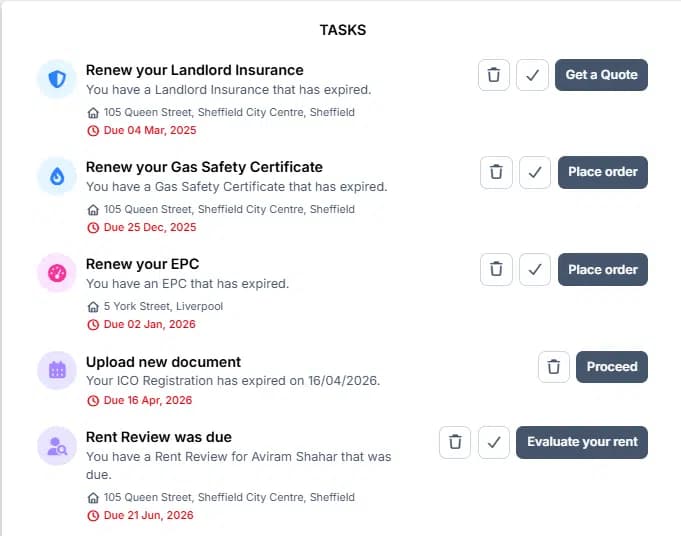
Then, stay ahead of the calendar. One expired EPC can block a new tenancy, so due-date alerts matter as much as the works themselves. For a wider toolkit, see our guide to property management software for self managing landlords.
Short: stop guessing refurb costs
Which upgrades deliver the biggest rating jump?
Naturally, not all works move the score equally. Generally, loft and cavity wall insulation, draught-proofing, and efficient lighting offer strong value for money. Meanwhile, modern heating controls and better glazing can lift a borderline property over the line.
However, the biggest wins depend on the building. For instance, a solid-walled Victorian terrace behaves very differently from a 1990s house. Therefore, let the recommendation report, not guesswork, decide your order of works.
Grants and cost caps worth checking
Additionally, funding support changes often, so check before you pay full price. Specifically, schemes such as the Energy Company Obligation and local authority grants can offset part of the cost. As a result, even partial funding improves the return on a borderline hold.
Furthermore, previous MEES rules included cost caps and exemptions where improvements were not cost-effective. Consequently, watch whether the band C rules repeat similar carve-outs, particularly for listed or hard-to-treat buildings.
EPC ratings and mortgage lending
Meanwhile, finance is tightening around efficiency too. Some buy-to-let lenders already restrict products on low-rated stock. Therefore, sub-C properties may become harder to refinance before 2030, which affects both your exit and any sale to investor buyers.
In practice, this makes early action smart rather than optional. Because a poor rating can limit your lender panel, upgrading protects your future refinancing options as much as your rental income.
The green premium beyond compliance
Encouragingly, efficiency is not only a cost. In fact, energy-efficient homes often let faster and can command a modest rent premium, because tenants compare running costs across listings. So a band C or better property may reduce voids even before enforcement bites.
Similarly, efficient homes tend to sell more easily to owner-occupiers. Consequently, the upgrade you fund for compliance can also lift the asset value and broaden your eventual buyer pool.
Tenant communication during upgrade works
Meanwhile, timing works around tenants takes care. Major improvements during occupation require planning and proper notice. Therefore, schedule disruptive jobs, such as boiler swaps or insulation, between tenancies where you can.
However, that is not always possible. In those cases, communicate clearly and agree access in advance, and document any consent required. As a result, the works run smoothly and your relationship with a good tenant stays intact.
Sequencing works across a busy year
Additionally, sequencing matters once several properties need attention. Because 2030 feels distant until you own six homes needing boilers and insulation at once, start planning now. First, tackle the units closest to a void. Next, batch quotes so contractors compete on price.
In practice, a phased plan spreads both cost and disruption across the years you have left. Consequently, you avoid a costly rush when the deadline finally arrives.
Sell, upgrade, or hold: deciding per property
Finally, not every property should be upgraded. Some landlords will sell sub-C stock to owner-occupiers. Others will refurb and capture a rent premium from efficient homes. Therefore, run hold-versus-sell numbers that include the upgrade cost, not just today's yield.
Also, remember the upside. A band C home often lets faster and reduces voids, because tenants compare running costs across listings. In short, treat efficiency as asset improvement, sequence the works early, and fund the gap with a clear plan.
Ultimately, MEES 2030 is not a surprise. Investors who sequence upgrades, fund with bridging where needed, and track certificates in one system will keep letting profitably long after band C becomes mandatory.
Official data sources
Energy standards and EPC rules are governed by official UK sources. Confirm current requirements before you plan works.
Model refurb and refinance costs for EPC upgrades, then fund the gap with a clear exit plan.
Model EPC upgrades with the BRRR calculatorFrequently asked questions
What does EPC C by 2030 mean for landlords?
In short, minimum energy efficiency standards are set to require rental homes to reach at least EPC band C by 2030. Consequently, properties below band C may become hard to let without approved upgrades.
How much does an EPC upgrade cost?
Generally, costs range widely, from a few hundred pounds for insulation to several thousand for heating or solid wall works. Crucially, order a fresh recommendation report first so you target measures that actually change the rating.
Can bridging finance pay for EPC improvements?
Yes. Specifically, landlords use short-term bridging to buy and upgrade low-rated stock, then refinance or sell once the rating improves. Therefore, attach a clear exit to your recommendation report before you borrow.
How do I track EPC deadlines across a portfolio?
In practice, use property management software with compliance tracking and due-date alerts. As a result, no certificate expires unnoticed while you schedule larger MEES works around voids.