Why MTD Makes Your 2024-25 Tax Return a Critical Document
Published · Updated · 10 min read

Here's something most UK landlords don't realise: there's a major tax event unfolding right now, and it's happening without any fanfare. HMRC is quietly reviewing your eligibility for Making Tax Digital as we speak - and the tax return you're working on right now? That's the document that decides everything.
I keep hearing the same thing from property investors: "April 2026 is ages away, I'll sort it out later." Look, I get it. But here's the thing - that thinking could land you in serious trouble. The reality? HMRC is already making decisions about your MTD status, and they're basing it on your 2024-25 tax return. You know, the one sitting on your desk right now.
So let's break down what this "silent assessment" actually means, how HMRC figures out who's in and who's out, and - most importantly - what you need to do about it today. Not next year. Today.
This Bit's Important - Read It Twice
Got gross rental income (that's before you take off expenses) plus any self-employment earnings totalling more than £50,000 this tax year? Then you're legally on the hook for MTD from 6 April 2026. And if you're thinking "I'll just wait and see what happens" - honestly, that ship has sailed.
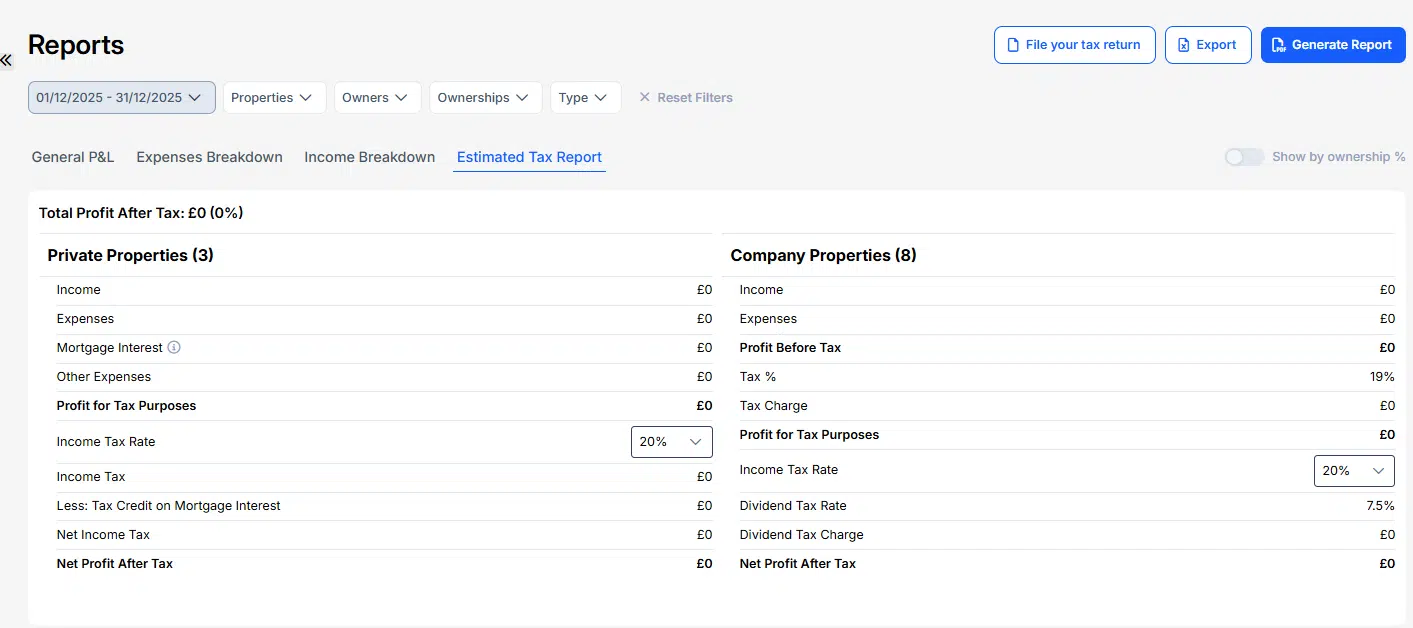
Digital Record-Keeping: The Backbone of MTD
Gone are the days of stuffing receipts in a shoebox and sorting them out in January. With MTD, you'll need to keep digital records of every bit of property income and spending as it happens - we're talking rent coming in, mortgage interest going out, repairs, agent fees, the lot. And it all needs to live in software that talks directly to HMRC.
Start Tracking Your Property FinancesSo What's This "Silent Assessment" Then?
Think of it like this: every time someone submits a Self Assessment tax return, HMRC's systems are quietly running the numbers in the background. They're checking who crosses the MTD thresholds. No letters beforehand, no heads up - just their computers doing what computers do, flagging landlords and sole traders who meet the criteria.
"HMRC will review your Self Assessment tax return and check your qualifying income each tax year. If your income is above the relevant threshold HMRC will write to you, confirming that you need to start using Making Tax Digital for Income Tax by the start of the upcoming tax year." - GOV.UK, Find out if and when you need to use Making Tax Digital for Income Tax[1]And here's the kicker - whether you're in or out for April 2026 comes down to your 2024-25 tax return. That's the period from 6 April 2024 to 5 April 2025. Cross that £50,000 line on this return, and you'll get a letter telling you quarterly reporting is now your new reality. No negotiation.
How HMRC Actually Works This Out
This is where loads of landlords trip up. HMRC couldn't care less about your profit margins or how much tax you owe. What they're looking at is your gross income - that's the total before you deduct a single expense. Big difference, and it catches people out all the time.
Here's what the official guidance says:
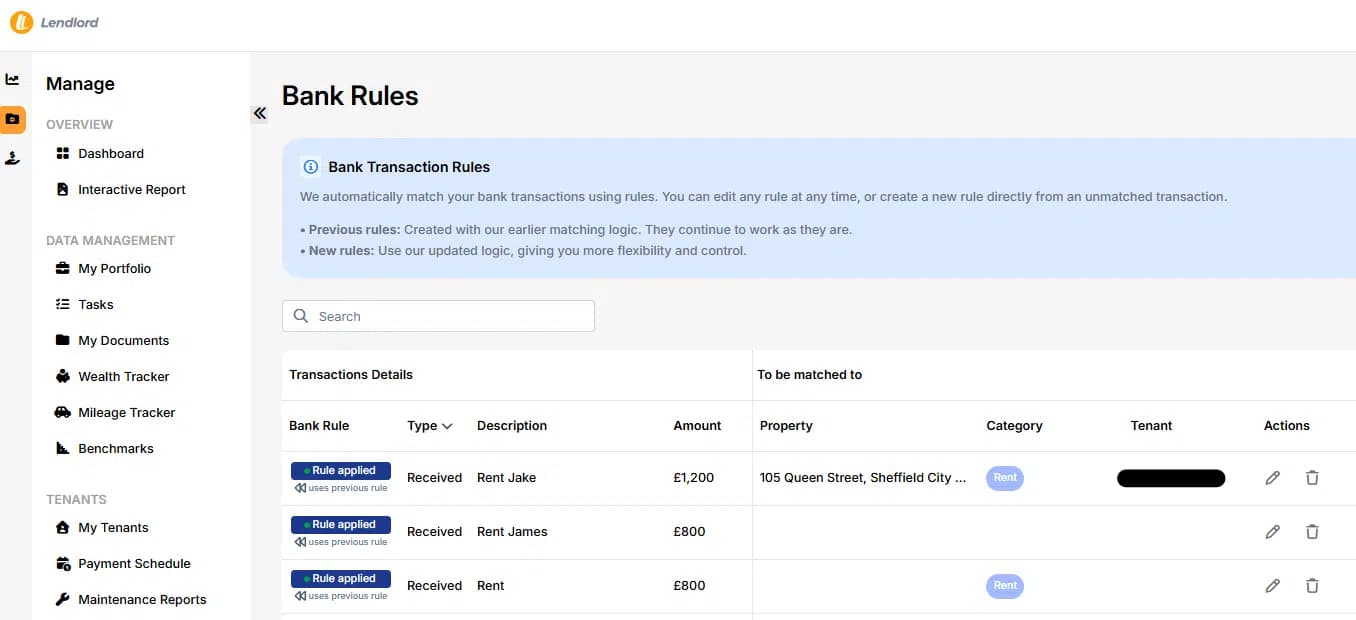
Stop Categorising. Start Automating. 🚀
With MTD banning manual "copy-pasting" from April 2026, our upgraded Bank Rules ensure compliance. You can now categorize transactions by description and amount, automatically creating accurate digital records in seconds.
Automate Your MTD Records Now "HMRC will assess your gross income (income before you deduct expenses, also called your turnover). You should also check your qualifying income yourself." - GOV.UK, Work out your qualifying income for Making Tax Digital for Income Tax[2]Right, so what actually counts as "qualifying income" for us landlords?
- Rental income from all your UK properties (yes, you add them all together)
- Any overseas property income you've got
- Self-employment income if you've got a side business going
And what doesn't get thrown into the mix? Your day job salary (PAYE), dividend payments, pension income, or your share of partnership profits. Those stay out of the calculation.
£50,000Gross income threshold for April 2026 mandate864,000Landlords & sole traders in first wave[3]4Quarterly updates required per income sourceThe Timeline You Need to Have Burned Into Your Brain
HMRC isn't switching everyone on at once - they're doing this in waves based on how much you earn:
| Mandation Date | Income Threshold | Tax Return Assessed |
|---|---|---|
| 6 April 2026 | Over £50,000 | 2024-25 tax return |
| 6 April 2027 | Over £30,000 | 2025-26 tax return |
| 6 April 2028 | Over £20,000 | 2026-27 tax return |
The tax professionals aren't mincing words about this. The Association of Taxation Technicians put it pretty bluntly:
"It is now less than six months until the introduction of Making Tax Digital, the biggest change to income tax since self-assessment was introduced. The scale of the change is huge, and those affected must consider how they will handle the shift, including their software options and the costs." - Jon Stride, Chair of ATT Technical Steering Group[4]Get Sorted Before the Rush
Lendlord's built from the ground up for UK landlords - and yes, it's fully MTD-ready. We've partnered with untied (they're HMRC-recognised) so the compliance side actually works without you tearing your hair out.
Get MTD Ready TodayWhen That Dreaded Letter Lands on Your Doormat
HMRC has actually been pretty transparent about when they're sending these out. Here's the schedule:
November 2025First batch of mandate letters sent to those who filed their 2024-25 return by end of August 2025
Late November 2025"Prompt letters" sent to those who haven't yet filed (based on 2023-24 data)
February - March 2026Final mandate letters sent to those filing between September 2025 and January 2026
6 April 2026MTD becomes mandatory for the first cohort
Want to know exactly what that letter says? Here's the actual wording:
"You'll need to use Making Tax Digital for Income Tax from 6 April 2026 as your total income was over £50,000 from self-employment and property in your 2024 to 2025 tax return. This is your qualifying income which is worked out before expenses or taxes are deducted." - HMRC MTD Customer Letters, November 2025[5]Don't Bank on Getting a Letter
Here's something that catches people out: even if no letter ever shows up, you're still legally on the hook to check whether you qualify and sign yourself up. The government website is crystal clear on this: "Even if you do not receive a letter, you must still check your qualifying income to find out if you need to use the service and sign up."[2] No excuses accepted.
Watch: MTD Explained (Without the Jargon)
Sometimes it's easier to watch than read. This video breaks down what MTD actually means for people like us who own property:
The Numbers That Trip Everyone Up
Right, this is where I see landlords getting caught out constantly. Let me walk you through a real-world example:
| Income Source | Annual Amount |
|---|---|
| Property 1 (Buy-to-let flat) | £18,000 |
| Property 2 (House share) | £24,000 |
| Property 3 (Holiday let) | £12,000 |
| Total Gross Rental Income | £54,000 |
| Less: Expenses (mortgage, repairs, fees) | (£22,000) |
| Net Profit | £32,000 |
See what happened there? This landlord's only making £32,000 actual profit after everything's paid out. But HMRC doesn't care about that number. They're looking at the £54,000 gross figure - and that's well over the line. Congratulations, you're in the MTD club whether you like it or not.
The Low Incomes Tax Reform Group spells it out pretty clearly:
"It is the amount of gross income from self-employment and/or rental income declared on your self assessment tax return for a particular tax year that triggers the Making Tax Digital obligations." - LITRG, Making Tax Digital for Income Tax[6]What If You Own Property With Someone Else?
Joint ownership adds another layer to think about. Your slice of the gross income goes towards your personal threshold. So let's say you and your partner own a property 50/50 that brings in £80,000 gross - your qualifying income from that one is £40,000.
There's a wrinkle though: if your letting agent only ever tells you your net share (after they've taken out all the costs), then HMRC will use that figure instead. Small silver lining, I suppose.[2]
There's Got to Be an Easier Way...
Feeling overwhelmed? Yeah, most landlords do at first. Here's a quick look at how the right software can actually make this manageable:
One Platform. Everything You Need.
Tired of logging into five different things to manage your properties? Lendlord puts it all in one place - portfolio tracking, finances, and MTD software for landlords. All powered by untied's HMRC-recognised tech.
✓ Portfolio Management✓ Cash Flow Tracking✓ MTD Compliance✓ untied IntegrationPowered by HMRC-Recognised TechnologyExplore Lendlord's MTD Solution
Still Thinking "I'll Deal With It Later"?
Let me paint you a picture of what happens if you're one of those landlords who files their tax return at the last minute:
- 31 January 2026: You finally submit your 2024-25 tax return (at 11:45pm, let's be honest)
- February-March 2026: HMRC's letter arrives telling you you're in
- 6 April 2026: MTD kicks in whether you're ready or not
Do the maths. That's potentially 4-6 weeks to pick software you've never used, figure out how it works, get all your records digitised, and register with HMRC. Good luck with that.
The tax experts at LITRG aren't sugarcoating it:
"If you wait to see if you receive a letter from HMRC telling you that you are in scope of Making Tax Digital from 6 April 2026 you will not have very long to get prepared." - LITRG, Making Tax Digital for Income Tax[6]What You'll Actually Have to Do Under MTD
Alright, let's get specific. Here's what's actually expected of you:
1. Ditch the Paper Trail
Those folders full of receipts and bank statements? They won't cut it anymore. You need MTD-compatible software for self assessment that logs every single transaction digitally. Not just the totals at year end - everything, as it happens.
2. Report to HMRC Four Times a Year
Yes, four times. Every quarter, you'll need to send HMRC a summary of what's come in and what's gone out:
| Quarter Period | Submission Deadline |
|---|---|
| 6 April - 5 July | 7 August |
| 6 July - 5 October | 7 November |
| 6 October - 5 January | 7 February |
| 6 January - 5 April | 7 May |
And here's the fun part: if you've got rental income AND you're self-employed? Double it. That's 8 quarterly updates every year - four for each income stream.[6]
3. Say Goodbye to the Old Self Assessment Website
That HMRC Self Assessment portal you've been using for years? Can't use it anymore. Paper returns? Forget about it. From here on out, everything has to go through proper MTD software. No exceptions.
What Does This Actually Look Like in Practice?
Theory is one thing, but seeing it in action helps. Here's a glimpse of how landlord software handles the MTD stuff:
Miss a Deadline? Here's What Happens
HMRC's rolling out a new penalty system from the 2026-27 tax year. Think of it like points on your driving licence:
- Late with a quarterly update or your tax return? That's 1 point
- Rack up 4 points? You're hit with a £200 fine
- Still late after that? Another £200 each time
Now, there's a bit of breathing room for the first wave. HMRC's offering a "soft landing" - meaning they won't dish out points for late quarterly updates during the 2026-27 tax year. But don't get too comfortable. Late tax returns and unpaid tax? Those penalties still apply in full.[1]
A Bit of Good News (If You're in the First Wave)
This grace period is only for people starting in April 2026. If you're in the April 2027 or 2028 group, you won't get this cushion. So if you're close to the threshold, honestly, you might want to get ahead of it anyway.
Alright, What Should I Actually Do? (5 Steps)
Step 1: Work Out Your Numbers - Today
Grab a calculator. Add up all your rental income from every property, plus any self-employment earnings. Remember - gross figures, before expenses. Over £50,000? You're in the first wave. Simple as that.
Step 2: Don't Sit Around Waiting for Post
HMRC's got an online checker - use it: Check if you need to use Making Tax Digital for Income Tax. Takes five minutes and you'll know where you stand.
Step 3: Pick Your Software Now, Not in March
Seriously, don't leave this to the wire. Find something that actually makes sense for landlords - ideally Making Tax Digital software that gets what property investors need, not some generic accounting package designed for shops.
Step 4: Start Going Digital Before You Have To
Even if your mandate date is ages away, start recording stuff digitally now. You'll thank yourself later when you're not panicking and you've actually figured out how everything works.
Step 5: Sign Up Early If You Can
Nothing stopping you from joining MTD voluntarily before your deadline. Actually, it's pretty smart - you get to test everything properly and tap into HMRC's support while it's not completely overwhelmed.
What Other Landlords Are Saying
It helps to hear from people who are actually going through this:
Want to Stop Worrying About This?
Lendlord handles the lot - keeping tabs on your portfolio, tracking cash flow, storing tenancy info, and sorting your MTD submissions through untied. One login, everything done, and you can actually sleep at night.
Start Your MTD Journey NowSo Where Does That Leave You?
Look, here's the reality: this "silent assessment" isn't something that's coming - it's happening right now while you're reading this. HMRC's computers are crunching numbers every single day, flagging every landlord who crosses that £50,000 line. That tax return you're putting together? It's not just paperwork. It's essentially your MTD entrance exam.
The landlords who'll come out of this fine are the ones who aren't burying their heads in the sand. They're picking their software early, getting comfortable with digital records before they're forced to, and giving themselves breathing room. The ones who wait for that letter to land on their doormat? They'll be scrambling with weeks to spare, not months.
Bottom line: check your numbers today, sort your software now, and walk into April 2026 knowing you've got this handled. Your future self will thank you.
Official Sources
- GOV.UK - Find out if and when you need to use Making Tax Digital for Income Tax
- GOV.UK - Work out your qualifying income for Making Tax Digital for Income Tax
- GOV.UK - Extension of Making Tax Digital for Income Tax Self Assessment to sole traders and landlords
- ATT - Less than six months to go: get ready for MTD, warns ATT
- ICAEW - First MTD mandation letters to be sent this month
- LITRG - Making Tax Digital for Income Tax
This article is for informational purposes only and does not constitute tax advice. Always consult with a qualified tax professional regarding your specific circumstances.