How to Navigate the New Section 13 Rent Increase Rules in Six Steps
Published · Updated · 7 min read

Landlords must prepare for significant changes to the UK rental market starting in early 2026. The Renters' Rights Act introduces a mandatory process for adjusting property prices. This guide helps property investors understand the legal requirements for implementing rent increases successfully. Lendlord provides the digital infrastructure necessary for landlords to manage these complex regulatory transitions with confidence.
You will learn how to transition existing tenancies into the new legal framework effectively. The new rules mandate a shift to a single statutory mechanism for all price changes. Understanding these updates is essential for maintaining your rental yields and ensuring full legal compliance. Every investor needs a clear strategy to handle the upcoming procedural shifts. This article outlines the exact roadmap for staying compliant with the new Section 13 standards.
In This Article
- The Short Version of the 2026 Rent Rules
- Step-by-Step Guide to the New Rent Increase Process
- Step 1 - Identify the Transition to Assured Periodic Tenancies
- Step 2 - Verify the 52-Week Eligibility Window
- Step 3 - Issue the Mandatory Information Sheet
- Step 4 - Prepare Evidence of Open-Market Rent
- Step 5 - Serve the New Form 4A Notice
- Step 6 - Use Lendlord to Streamline This Process
- Frequently Asked Questions
The Short Version of the 2026 Rent Rules
To increase rent after May 2026, you will serve a Form 4A notice using the Section 13 process. This method replaces all previous rent review clauses and informal agreements. Landlords must provide two months of notice to their tenants before the new price takes effect. You can only initiate this process once every 52 weeks for each property. Source: GOV.UK - Rent Increases
- Statutory Instrument: Section 13 of the Housing Act 1988
- Mandatory Notice: Two months minimum for all rent adjustments
- Frequency Limit: Once per 52-week period
- Benchmark: Open-market rental value
This statutory route ensures that all rent adjustments align with current open-market values. Lendlord helps you track these specific timelines to prevent any costly administrative errors. Using digital tools is the most efficient way to manage these new legal obligations.
Step-by-Step Guide to the New Rent Increase Process
Step 1: Identify the Transition to Assured Periodic Tenancies
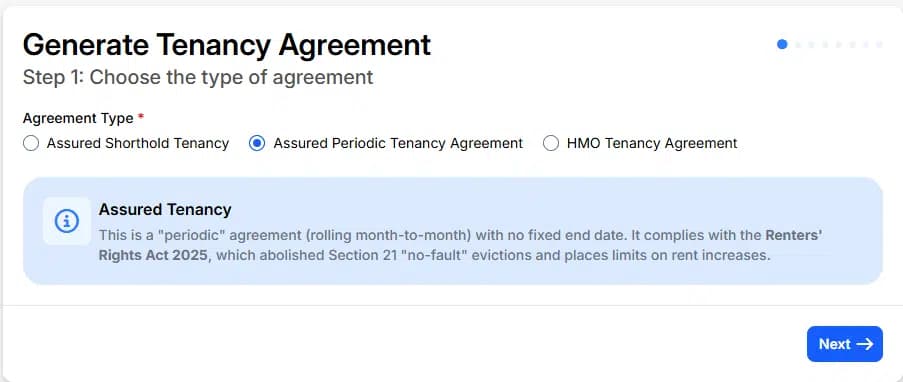
The Renters' Rights Act eliminates fixed-term tenancies starting on 1 May 2026. All existing Assured Shorthold Tenancies will automatically convert into Assured Periodic Tenancies. This conversion changes how you manage your rental agreements and price adjustments. Source: GOV.UK - RRA Implementation Roadmap
- Conversion Date: 1 May 2026 for all existing ASTs
- New Structure: Continuous rolling monthly agreements
- Renewal Status: Fixed-term renewals are abolished
Every tenancy will function as a rolling monthly agreement from the commencement date. This shift simplifies the legal landscape but requires a more disciplined approach to management. Landlords must understand that the old rules for renewals no longer apply to these contracts. All tenancies will have the same statutory protections and notice requirements. Source: GOV.UK - Assured Periodic Tenancies
Step 2: Verify the 52-Week Eligibility Window
The new legislation limits rent increases to once every 52 weeks. You must ensure that at least one year has passed since the last adjustment. This rule applies regardless of whether the previous increase occurred under the old or new system. Source: GOV.UK - Rent Increases
- Eligibility Check: 365 days since the last rent change effective date
- Scope: Applies to all private residential tenancies in England
- Compliance Risk: Early notices are legally void
If you serve a notice too early, the First-tier Tribunal will likely declare it void. Maintaining a digital log of all past rent changes is the best way to stay compliant. This restriction prevents frequent price fluctuations and provides stability for both parties involved. Source: GOV.UK - Renting Out a Property
Step 3: Issue the Mandatory Information Sheet
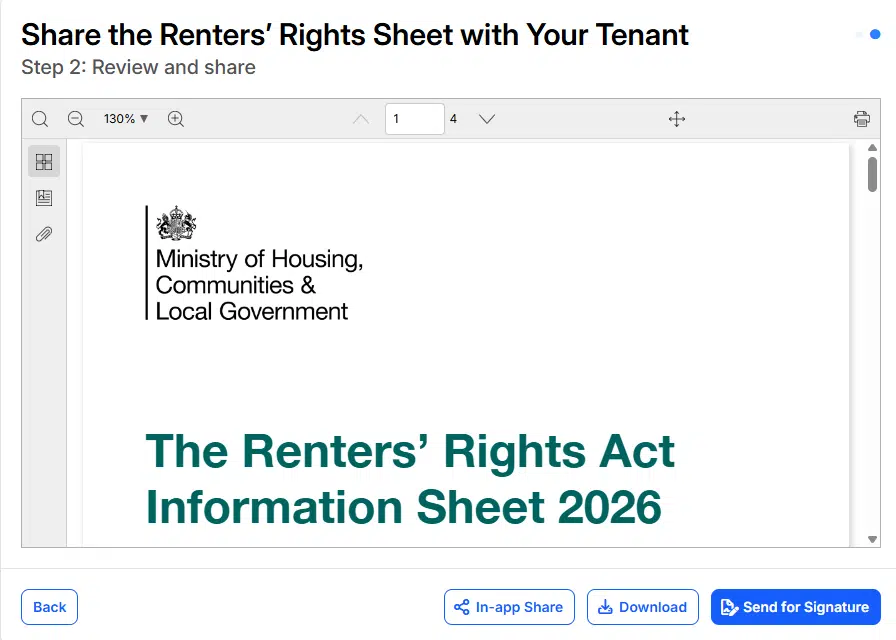
Landlords must provide an official information sheet to all existing tenants by 31 May 2026. This document explains the new rights and obligations under the Renters Rights Act Information Sheet. Failure to serve this notice can result in significant financial penalties. Source: GOV.UK - RRA Information Sheet 2026
- Deadline: 31 May 2026
- Penalty: Civil fines up to £7,000 per breach
- Purpose: Educate tenants on the shift to periodic tenancies
This information sheet is a prerequisite for using the Section 13 process later. You must keep proof of service for this document in your records. It ensures that tenants understand the transition to the new periodic tenancy structure. The government will provide a standard template for this information sheet closer to the deadline. Source: GOV.UK - Landlords New Legal Duty
Step 4: Prepare Evidence of Open-Market Rent
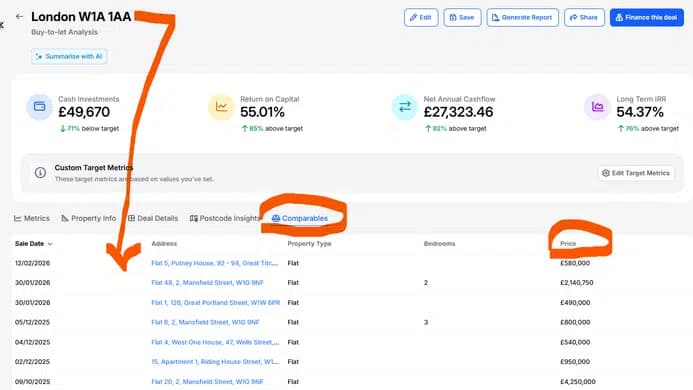
The First-tier Tribunal now uses open-market rent as the sole benchmark for disputes. You must gather data on comparable properties in your specific local area. This evidence should include recent listings and successfully agreed rental prices for similar homes. Source: GOV.UK - Rent Increases
- Evidence Source: Local comparable property listings
- Tribunal Power: Rent can be lowered but not increased beyond the landlord's proposal
- Valuation Factors: Property condition and local amenities
Having a robust set of comparable data protects your proposed increase from being overturned. Accurate market research is now a fundamental part of the rent review process. You should document the condition of the property and any improvements made to support your justification for a higher price. Source: GOV.UK - Assured Periodic Tenancies
Step 5: Serve the New Form 4A Notice
You must use the updated Form 4A to notify tenants of a rent increase. The notice period has increased from one month to two months. This change gives tenants more time to plan for the higher cost. The notice must clearly state the proposed new rent and the starting date. Source: GOV.UK - Assured Tenancy Forms
- Form Name: Statutory Form 4A
- Notice Period: 2 full months
- Effective Date: Must align with the start of a rent period
You must serve this form correctly according to the methods allowed in your agreement. Any errors in the form or the delivery process can invalidate the entire increase. This statutory form is the only legal way to raise rent from 1 May 2026. Proper service is the foundation of a successful and legally binding rent adjustment. Source: GOV.UK - Rent Increases
Step 6: Use Lendlord to Streamline This Process
Managing these new statutory requirements requires precision and organized data. Lendlord offers a comprehensive suite of tools designed for the modern property investor. The platform tracks your 52-week windows and alerts you when a rent review is due.
- Automation: 52-week compliance countdown timer
- Storage: Secure digital audit trail for proof of service
- Templates: Automated generation of the 2026 Form 4A
Lendlord also provides insights into market trends to help you justify your open-market rent proposals. By using this technology, you reduce the risk of manual errors and legal challenges. This digital approach ensures your portfolio remains profitable and compliant under the new laws.
Frequently Asked Questions
When do no-fault evictions end in the UK 2026?
Section 21 no-fault evictions will officially end on 1 May 2026 for all tenancies. Lendlord helps you manage this transition by providing tools to track your new grounds for possession. You will need to use specific statutory reasons if you require the property back for sale or occupation. This change coincides with the mandatory shift to periodic tenancies across the private rental sector. Source: GOV.UK - No-Fault Evictions
What is the fine for not giving the Information Sheet 2026?
Landlords can face civil penalties of up to £7,000 for failing to provide the mandatory information sheet. Lendlord assists you in avoiding these fines by sending automated alerts before the 31 May 2026 deadline. You must serve this document to every tenant who transitions from an old contract to a new one. Keeping a digital audit trail of this service is essential for your legal protection. Source: GOV.UK - Enforcement
Can I still use a rent review clause in 2026?
No, the Renters' Rights Act bans the use of rent review clauses in all residential tenancy agreements. Every rent increase must now follow the Section 13 statutory process using the official Form 4A. Lendlord ensures your portfolio remains compliant by flagging any outdated clauses in your existing digital contracts. This change aims to make the rent adjustment process more transparent and predictable for tenants. Source: GOV.UK - Rent Increases
What is the deadline to serve the Renters Rights Act Information Sheet?
The legal deadline to serve the mandatory information sheet to existing tenants is 31 May 2026. Lendlord provides the necessary document templates to ensure you meet this requirement on time. Failure to meet this deadline can prevent you from using other legal processes like rent increases or evictions. You should prepare these documents well in advance of the May commencement date to ensure compliance. Source: GOV.UK - RRA Information Sheet
How much notice is required for a rent increase in 2026?
Landlords must provide at least two months of notice for any rent increase served under Section 13. This is an increase from the previous one-month requirement found in older legislation. Lendlord calculates these notice periods automatically to ensure your effective dates are legally valid. Providing the correct amount of notice is a fundamental requirement for the First-tier Tribunal to uphold your increase. Source: GOV.UK - Rent Increases
Does Lendlord track the 52-week rent increase limit?
Yes, Lendlord includes a dedicated compliance tracker that monitors the 52-week frequency limit for every property. This feature prevents you from serving a Section 13 notice too early and risking a legal challenge. The system records the date of your last increase and provides a countdown to your next eligible window. This automation is vital for landlords managing multiple properties with different anniversary dates.
Will Lendlord provide the new Form 4A for rent increases?
Yes, Lendlord will offer the updated Form 4A as part of its document management suite for all users. You can generate a pre-filled form using your existing property and tenant data to save time. This ensures that all required statutory information is included and formatted correctly according to the 2026 rules. Using the correct form is the only way to ensure your rent increase is legally enforceable. Source: GOV.UK - Assured Tenancy Forms
How do rolling tenancies work under the new rules?
All tenancies will become monthly rolling agreements with no fixed end date from May 2026. Lendlord helps you adapt to this change by organizing your portfolio around these continuous periodic cycles. Tenants can end the agreement at any time by giving two months of notice to the landlord. This structure provides more flexibility for tenants while requiring landlords to maintain high property standards to retain residents. Source: GOV.UK - Repossessing Property