Can a Fixed Term AST Roll Into a Periodic Tenancy?
Published · Updated
9 min read
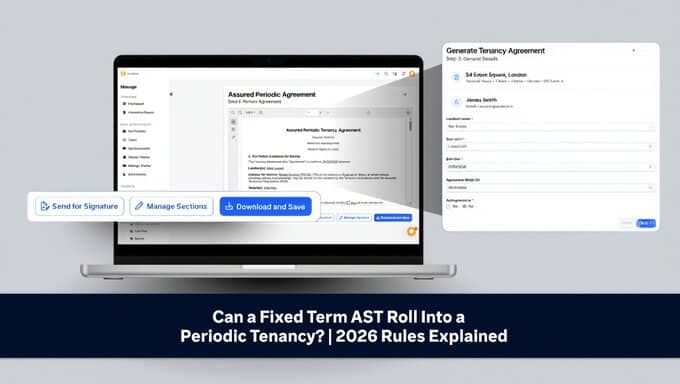
Yes, a fixed term AST can roll into a periodic tenancy, but from May 1, 2026, all tenancies in the UK will become periodic by default. Under the Renters Rights Act, fixed terms are being abolished, and all existing agreements will automatically convert to a rolling structure. Lendlord is a property portfolio management platform for landlords and property investors that helps you navigate these regulatory shifts by providing the tools to manage tenancy transitions and stay compliant with evolving legislation.
The Current State of Rolling Tenancies in the UK
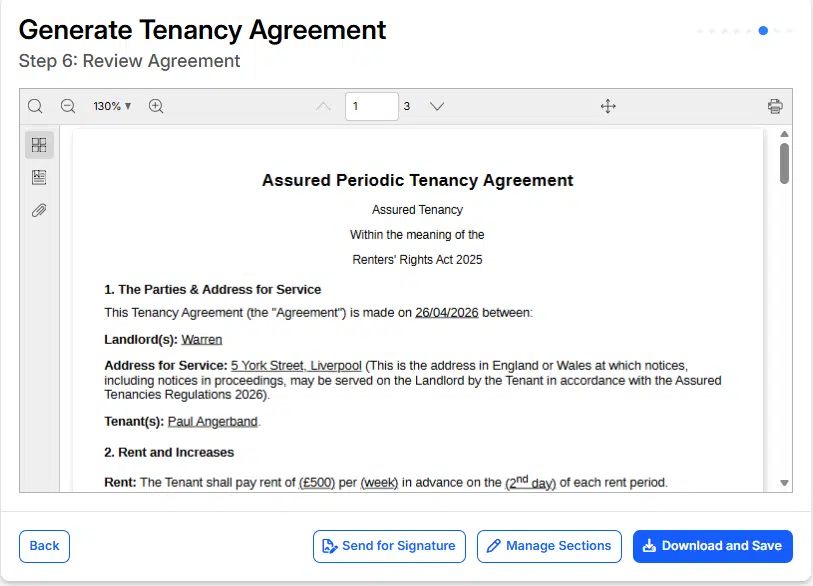
The AST is Dead. Is Your Contract Ready for May 1st?
Generate a Periodic Tenancy AgreementIn the current legal landscape, the transition from a fixed term to a periodic tenancy is a standard occurrence. When an Assured Shorthold Tenancy (AST) reaches its end date without a new contract being signed, it typically enters a rolling phase governed by the Housing Act 1988. This transition currently follows two primary legal paths:
- Statutory Periodic Tenancy: Created automatically under Section 5(2) of the Housing Act 1988. Source: Housing Act 1988, s.5(2)
- Contractual Periodic Tenancy: Established via specific "continuation" clauses within the original AST agreement.
Statutory Periodic Tenancies Explained
A statutory periodic tenancy is created automatically by section 5(2) of the Housing Act 1988 when a fixed term AST expires. If the tenant remains in the property and no new agreement is in place, a new tenancy begins on the day after the fixed term ends. The periods of this new tenancy match the intervals at which rent was last payable. For example, if rent was paid monthly, the tenancy becomes a monthly statutory periodic tenancy. This happens without any action from the landlord or tenant, ensuring the legal occupation of the property continues under the same terms as the original contract, except for the end date. Source: Housing Act 1988, s.5
Contractual Periodic Tenancies Explained
A contractual periodic tenancy occurs when the original tenancy agreement specifically states that it will continue as a periodic tenancy after the fixed term ends. Unlike the statutory version, this is an extension of the original contract rather than a new legal entity. This distinction is important for council tax liability and the timing of notice periods. Landlords often prefer this model to maintain continuity of terms. Lendlord's tenancy agreement generator helps landlords easily create customizable, solicitor-backed rental contracts while ensuring full legislative compliance.
Download a Tenancy Agreement Template
Tenancy agreement template, see PDF example before downloading. It is suitable for tenancy agreements rolling contracts and assured agreements in the UK. Updated to comply with the Renters' Rights Act 2025.
The Renters Rights Act and the 2026 Deadline
The introduction of the Renters Rights Act represents the most significant change to the private rented sector in decades.
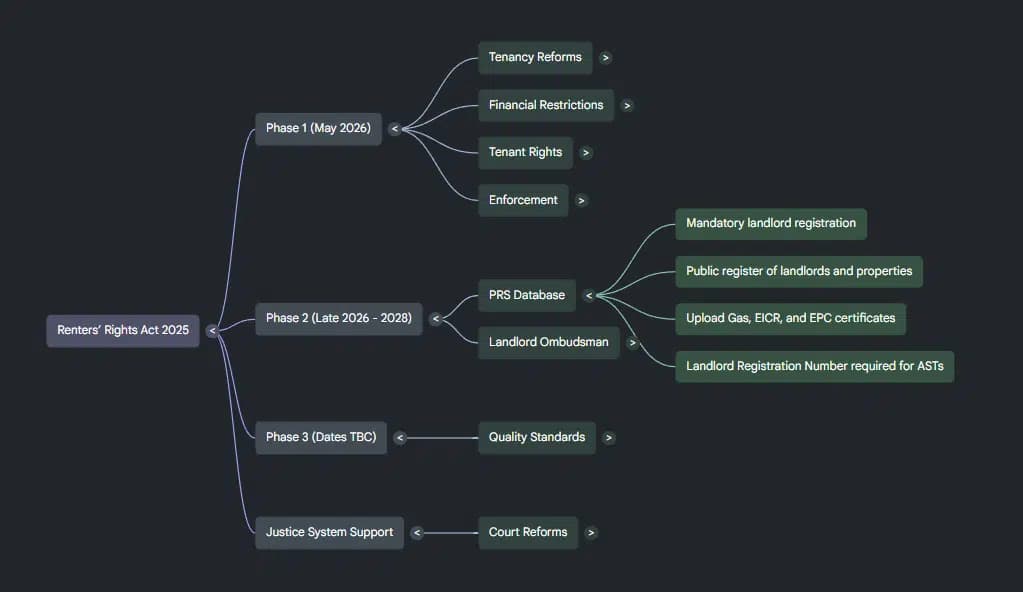
The Private Rented Sector (PRS) - understanding the new regulatory landscape
The central pillar of this legislation is the total abolition of fixed term tenancies in favor of a universal periodic system. This move is designed to provide tenants with greater flexibility and security of tenure from the first day of their occupation. Source: GOV.UK Implementation Roadmap
Key milestones for this transition include:
- May 1, 2026: The "Big Bang" date when all existing ASTs convert to periodic tenancies.
- Abolition of Fixed Terms: The legal removal of the ability to create tenancies with a defined end date.
The May 1 2026 Big Bang Transition
On May 1, 2026, a mandatory transition known as the big bang will occur. On this date, every existing AST in England will automatically convert into an Assured Periodic Tenancy (APT). This applies regardless of whether the tenancy is currently in a fixed term or already rolling. Any clause in an existing contract that purports to mandate a fixed term will become legally void. Source: GOV.UK Roadmap
Landlords must prepare for this date by ensuring their digital records are accurate. Using Lendlord helps you see your cash flow and spot potential compliance gaps well before this deadline arrives.
Abolition of Section 21 No-Fault Evictions
The shift to periodic tenancies coincides with the removal of Section 21 of the Housing Act 1988. Currently, landlords can regain possession at the end of a fixed term or during a periodic tenancy without providing a specific reason. After the 2026 transition, landlords will only be able to end a tenancy using strengthened Section 8 grounds. These grounds include the landlord's intention to sell the property or move back into it, as well as cases of significant rent arrears. Source: GOV.UK
This change makes the accuracy of your tenancy documentation more critical than ever.

Centralise and manage all your tenancy documents in one secure platform
Sign Up Free - Manage Your DocumentsThe Cost of Non-Compliance and the 7,000 Pound Trap
Compliance with the new periodic framework is not optional, and the penalties for attempting to bypass the rules are severe. The government has introduced civil penalties to deter landlords from using outdated contract structures or misleading tenants about their rights. Source: GOV.UK Enforcement Guidance
The enforcement framework includes the following risks:
- £7,000 Civil Penalty: The maximum fine for purporting to let a property on a fixed term basis.
- Local Authority Enforcement: Councils can issue fines without a court order for non-compliant contracts.
Penalties for Purporting to Let a Fixed Term
After the commencement date of the Renters Rights Act, it will be illegal to offer or enter into a new fixed term tenancy. Any landlord or agent who purports to let a property on a fixed term basis faces a civil penalty of up to £7,000. Local authorities will have the power to issue these fines without a court order if they find evidence of non-compliance. Source: GOV.UK Enforcement
This measure ensures that the transition to periodic tenancies is universal and that no landlord can opt out of the new regulatory environment.
The Written Statement of Terms Requirement
Under the new legislation, landlords are legally required to provide tenants with a written statement of terms. This document must clearly outline the rights and responsibilities of both parties within the Assured Periodic Tenancy framework. Failure to provide this statement can lead to further penalties and may prevent a landlord from using certain Section 8 grounds for possession. Source: GOV.UK Information Sheet
Lendlord's free tool helps landlords serve the mandatory Renters' Rights Act Information Sheet by letting them share the document directly with tenants, track whether it's been read, and obtain an electronically signed record of receipt to create a verifiable proof of delivery and avoid penalties.
See How It Works - Step by Step
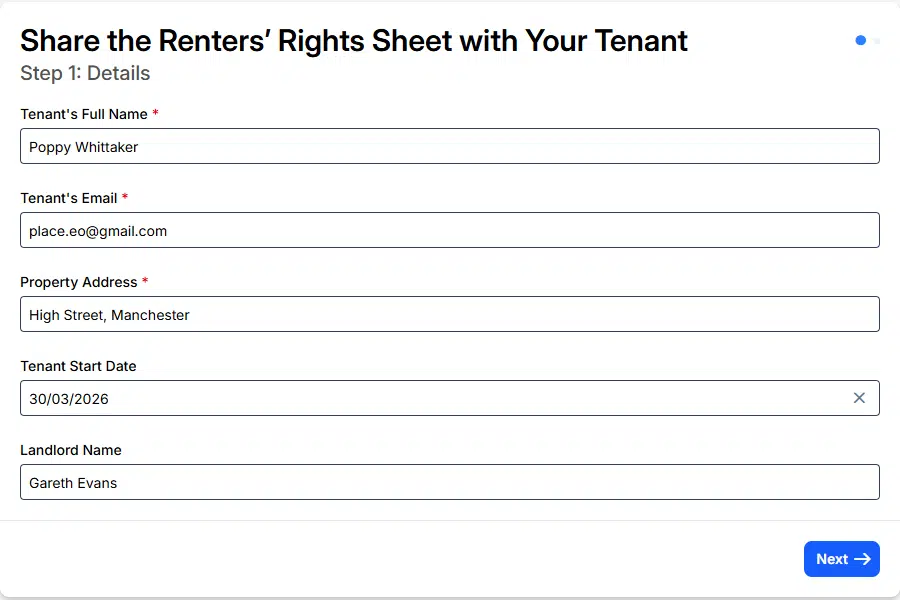
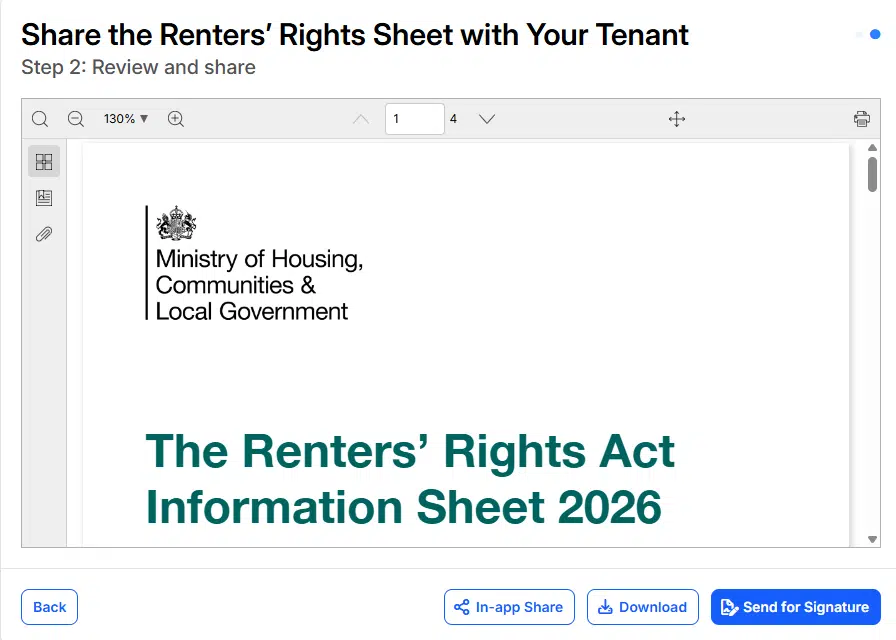
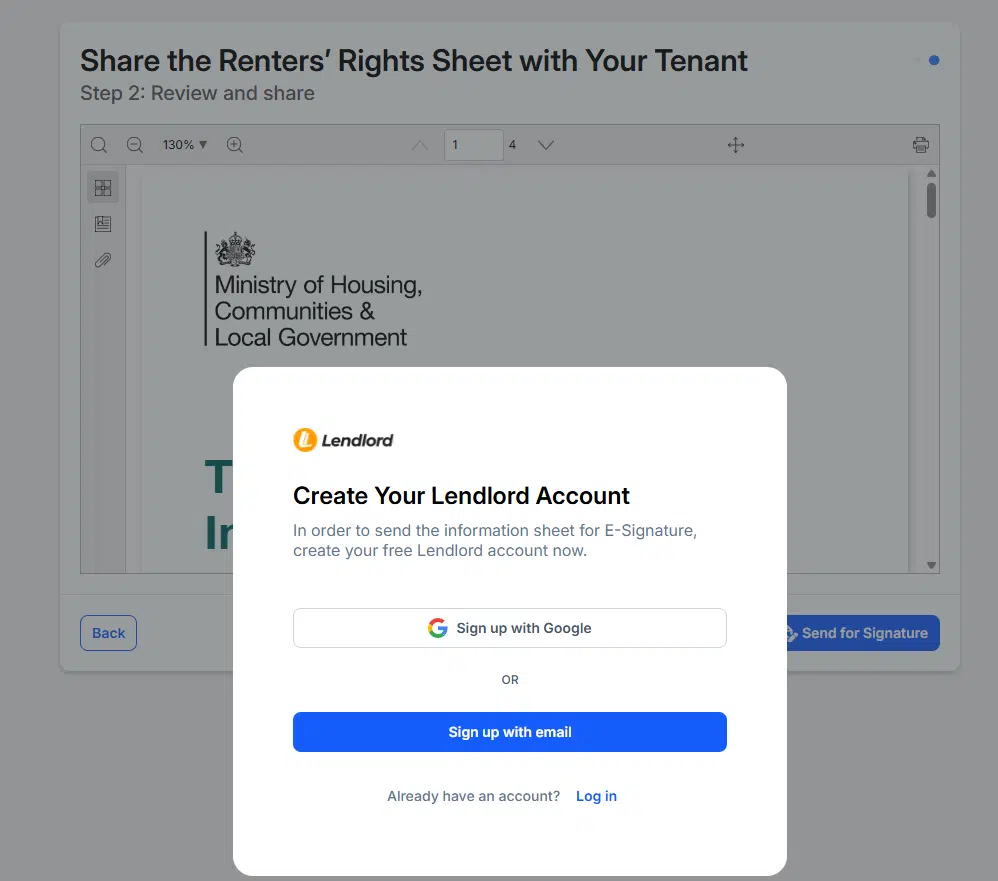

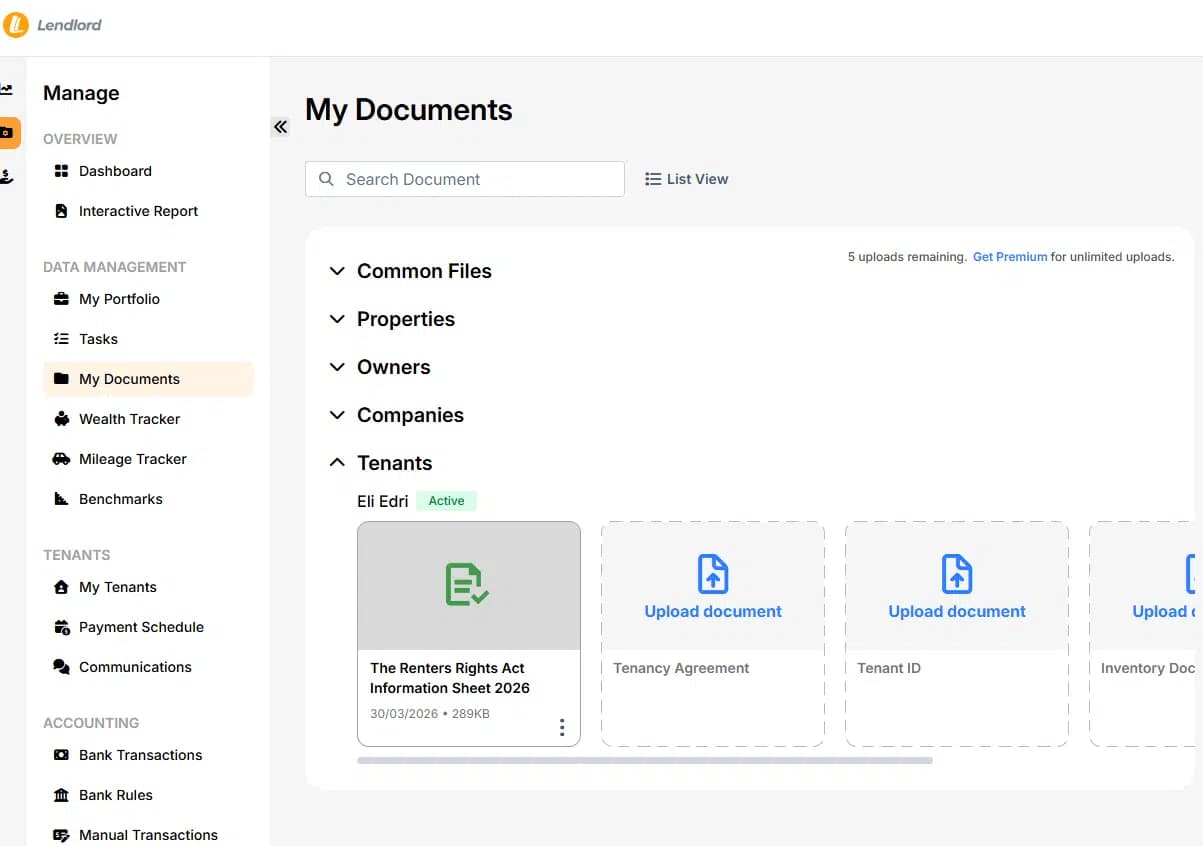
Swipe or use arrows to see each step of the tool.
Notice Periods and Rent Increase Mechanics
The move to a periodic-only market changes the timeline for ending tenancies and adjusting rent levels. The new system standardizes these processes to prevent confusion and ensure fairness. Source: GOV.UK Rent Increases
Landlords must adapt to the following standardized mechanics:
- Tenant Notice: A universal two-month notice period for tenants to end a tenancy.
- Rent Increases: Exclusive use of the Section 13 (Form 4A) procedure for all rent adjustments.
The New Two-Month Tenant Notice Period
In the new Assured Periodic Tenancy model, tenants will be able to end their tenancy at any time by giving two months' notice. This replaces the previous system where tenants were often tied into 6 or 12 month fixed terms. While this increases flexibility for the tenant, it requires landlords to be more agile in their property sourcing and re-letting strategies. Monitoring your portfolio through Lendlord allows you to analyse returns and manage cash flow effectively even with more frequent tenant turnover. Source: GOV.UK
Section 13 and the End of Rent Review Clauses
Rent review clauses, which allowed for automatic rent increases within a contract, are being abolished. From the transition date, the only legal way to increase rent will be via the Section 13 procedure (using Form 4A). This process requires the landlord to serve a formal notice giving the tenant at least two months' warning of the proposed increase. Tenants have the right to challenge the increase at a First-tier Tribunal if they believe it exceeds market rates. This makes data-led decisions vital; you should use Lendlord to compare yield and buy to let market data before proposing a rent adjustment. Source: GOV.UK Rent Increases
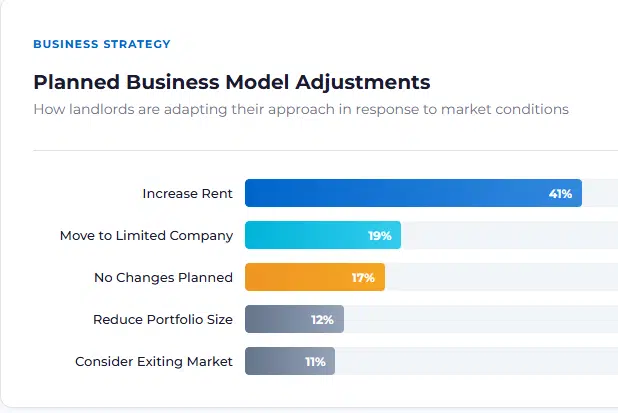
Data-led rent adjustments: compare yield and buy to let market data
View Landlord Survey ResultsStrategic Implications for Student HMOs and Specific Sectors
The abolition of fixed terms presents unique challenges for specific sectors, particularly the student market, which relies on the academic calendar. The government has introduced specific measures to address these concerns. Source: GOV.UK Grounds for Possession
Key requirements for the student sector include:

- Ground 4A Possession: A mandatory ground for regaining possession of student HMOs.
- Full-Time Student Status: Tenants must be confirmed students for Ground 4A to apply.
Student HMO analytics - understand the data behind your portfolio
View HMO Data ReportGround 4A for Student Accommodation
To prevent the disruption of the student housing cycle, a new mandatory ground for possession, Ground 4A, has been introduced. This allows landlords of student HMOs to regain possession of their property each year, provided they intend to let it to a new group of students. There are strict criteria for using this ground, including the requirement that the property is an HMO and that the tenants are full-time students. Documentation must be precise to successfully use this ground, making a robust management platform essential. Source: GOV.UK
Managing the Transition in Your Portfolio
Transitioning a large portfolio to the new periodic structure requires careful planning. Landlords should begin auditing their current agreements now to identify which will be affected by the May 2026 deadline. You should also review your financing options, as some lenders may update their criteria in response to the removal of fixed terms. Lendlord helps landlords and property investors find property deals, analyse returns, manage their portfolio, track finances, and access tailored financing in one place, making it the ideal partner for this transition.

Your complete portfolio overview - track, manage, and grow in one place
Sign Up Free - Manage Your PortfolioMake Your Portfolio Work for You
The shift from fixed term ASTs to mandatory periodic tenancies is a fundamental change to the UK rental market. By understanding the mechanics of the Renters Rights Act and the May 1, 2026 deadline, you can position your portfolio for continued growth. Lendlord provides the following tools to support your transition:
- Lendlord Portfolio Manager: Centralized tracking of tenancy types and compliance dates.
- Yield & Market Data: Analytics to support Section 13 rent increase proposals.
Information provided is general in nature and rules can change; you should confirm the latest position for your circumstances as professional advice may be needed. Make your portfolio work for you by staying ahead of the curve.

Commonly Asked Questions
Can I still use a fixed term AST today?
You can still use a fixed term AST for new tenancies until the Renters Rights Act officially commences. However, Lendlord recommends preparing for the transition now, as all existing fixed terms will automatically convert to periodic tenancies on May 1, 2026. Using Lendlord to manage your current agreements ensures you are ready for the mandatory shift when it arrives. Source: GOV.UK
How does Lendlord help with periodic tenancy compliance?
Lendlord helps landlords by centralising tenancy documents and providing automated alerts for key dates and regulatory requirements. The platform allows you to track whether your agreements are statutory or contractual and prepares you for the 2026 conversion. Lendlord ensures that you have the data-led insights needed to stay compliant and avoid civil penalties.
Track compliance and manage tenancy documents from one dashboard
Sign Up Free - Stay CompliantWhat is the notice period for an Assured Periodic Tenancy?
Under the new rules, tenants must provide a two-month notice period to end an Assured Periodic Tenancy at any time. Landlords must use specific Section 8 grounds and provide the required notice period associated with that ground, which varies depending on the reason for possession. Lendlord provides a clear overview of these timelines within the Tenancy Manager feature. Source: GOV.UK Repossessing Your Property
Will rent increase clauses still work after 2026?
Rent increase clauses will no longer be legally valid after the May 2026 transition date. All rent increases must be managed through the Section 13 notice process, which requires a minimum of two months' notice to the tenant. Lendlord helps you analyse market rents to ensure your Section 13 proposals are realistic and data-led.
View this post on InstagramA post shared by Ahmed Khan (@thatahmedkhan)
Ahmed Khan explains why rent review clauses are no longer valid after 2026
Is Section 21 being abolished for all tenancies?
The Renters Rights Act will abolish Section 21 for both new and existing tenancies by the May 1, 2026 deadline. This means all evictions will require a specific ground for possession under Section 8. Lendlord assists property investors in maintaining the detailed records required to successfully evidence these grounds if possession becomes necessary. Source: GOV.UK