UK Tenant Demand Rises as Landlords Keep Selling
Published · Updated
5 min read

UK tenant demand rose in Q2 2026, with 63% of landlords reporting strong local demand, while landlords remain net sellers. Investors who wait for an easy market miss lettable stock. Use Lendlord AI search alerts to spot deals early, then underwrite rent and refinance in the Deal Analyser before you bid.
Tenant demand has picked up again, yet many landlords are still selling rather than buying. If you wait for the market to feel easy, you will compete on the same listings as everyone else. This guide shows how to use Lendlord AI search alerts and the Deal Analyser to buy lettable stock while others sit out.
At a glance
- Demand: 63% of landlords report very strong or quite strong tenant demand in Q2 2026.
- Supply: Landlords remain more likely to sell rental property than buy it.
- Risk: Waiting for certainty means competing on picked-over listings.
- Source: Lendlord AI search alerts surface matches before manual portal trawls.
- Underwrite: Run rent, yield, and refinance in the Deal Analyser before you offer.
Local demand in ten seconds
Lendlord AI
Get alerts before the listing goes stale
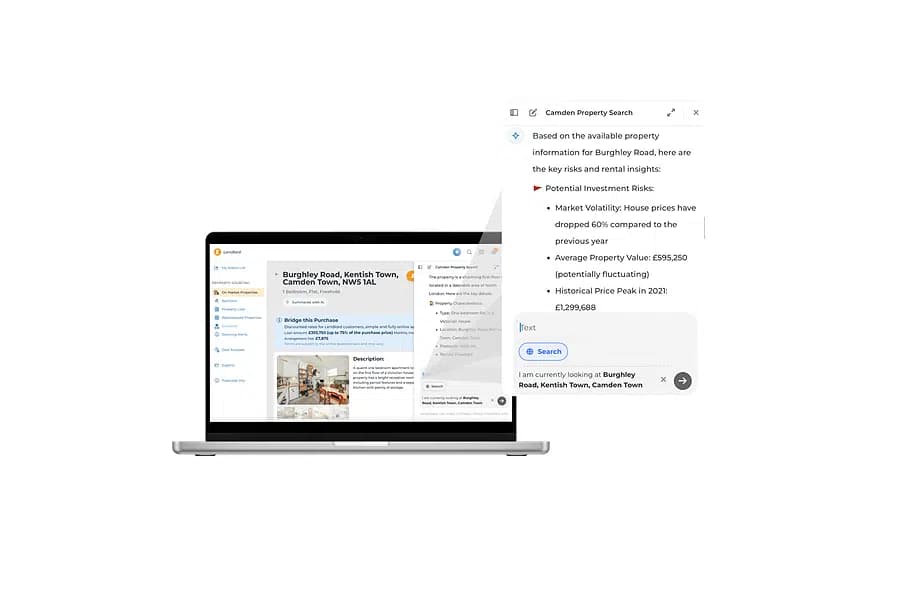
Set search criteria once. Lendlord AI scans the market and surfaces matches while ex-landlord stock is still fresh.
Turn on AI property searchWhat changed: demand up, sellers still out
Pegasus Insight Q2 2026 data, reported widely on 19 August 2026, shows a clear split. Tenant demand has risen for the first time in about two years. Landlords remain net sellers.
Some 63% of landlords now describe local tenant demand as very strong or quite strong. That is up from 58% in Q1. Almost three in ten report very strong demand, while just 5% say demand is weak.
At the same time, surveys consistently show landlords are more likely to sell rental property than buy it. Stock is leaving the private rented sector while tenant need stays high. For active investors, that is the opportunity. For passive ones, it is a warning.
The challenge: waiting for an easy market
When headlines mix rising demand with landlord exits, many investors pause. They want certainty on regulation, rates, and void risk before they bid again.
That pause feels sensible. It also means the best lettable stock often sells to buyers who underwrite faster. A flat that will let in two weeks still fails if you overpay or misread the refinance.
The goal is not to chase every listing. It is to see good stock early and kill bad deals quickly. That needs alerts, local data, and a single deal model before you book a viewing.
Step 1: source stock before the portal crowd
Ex-landlord sales and discounted investment stock do not always sit on the obvious searches for long. Manual portal scrolling is slow. By the time a property feels safe, others have already run the numbers.
Lendlord AI property search and alerts replace that trawl. You define area, price band, property type, and yield targets. The platform notifies you when a listing fits, so you review deals while they are still fresh.
For a deeper setup walkthrough, see the guide on AI property search alerts for undervalued UK homes. The principle is the same here: buy the demand, not just the advert.
Step 2: underwrite rent, yield, and refinance
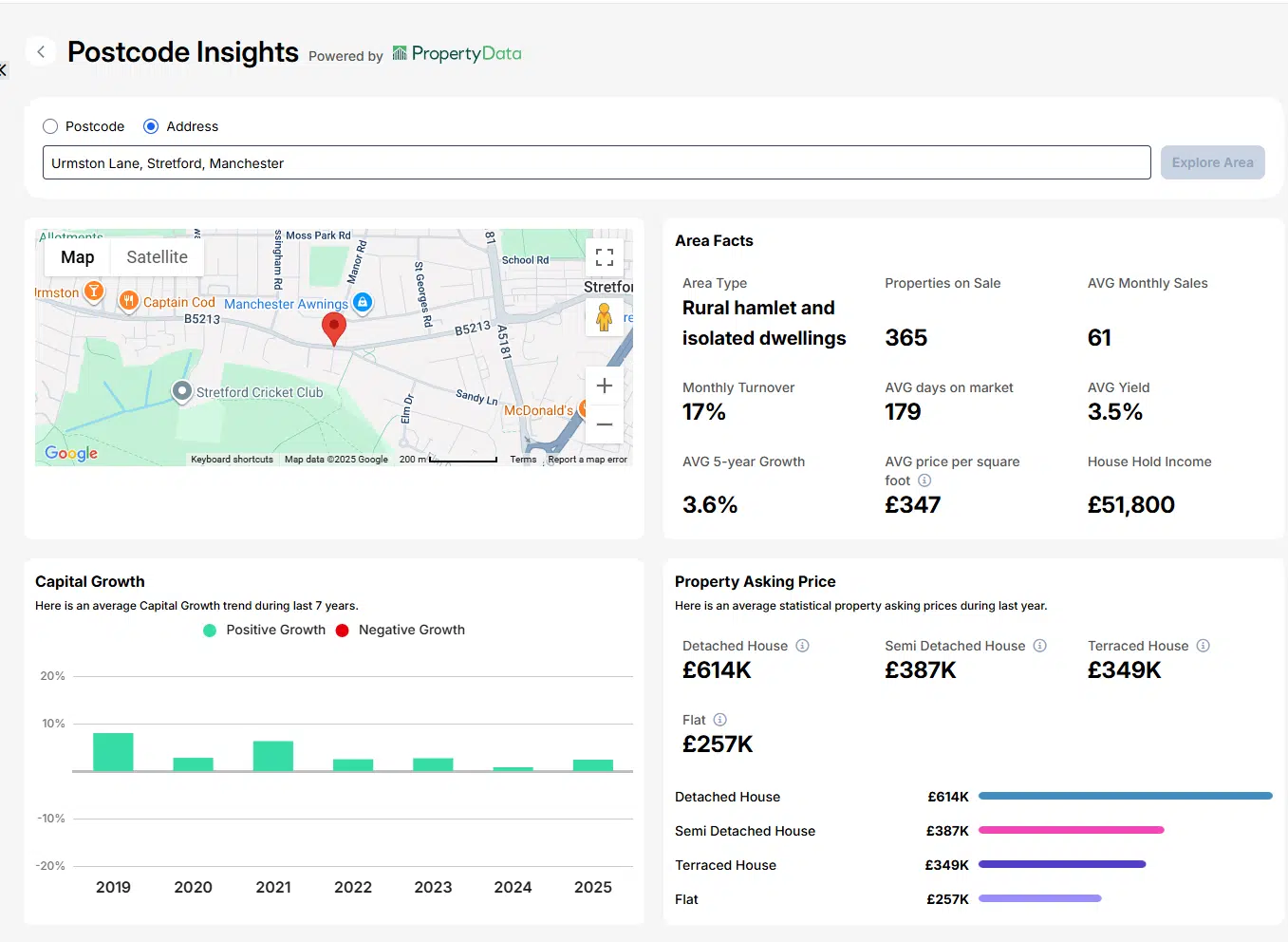
Strong tenant demand is not a purchase price. It is a letting outcome. You still need gross and net yield, monthly cash flow, and a refinance path that survives lender stress tests.
Run every serious candidate through the Lendlord property deal analyser. Pull in the listing price, expected rent, mortgage assumptions, and running costs. If the deal only works on best-case rent, treat that as a no.
When you are ready to model live numbers, open the buy-to-let deal calculator and stress the same property at today's rates. Walk away before you fall in love with the floor plan.
Step 3: check the local rent story
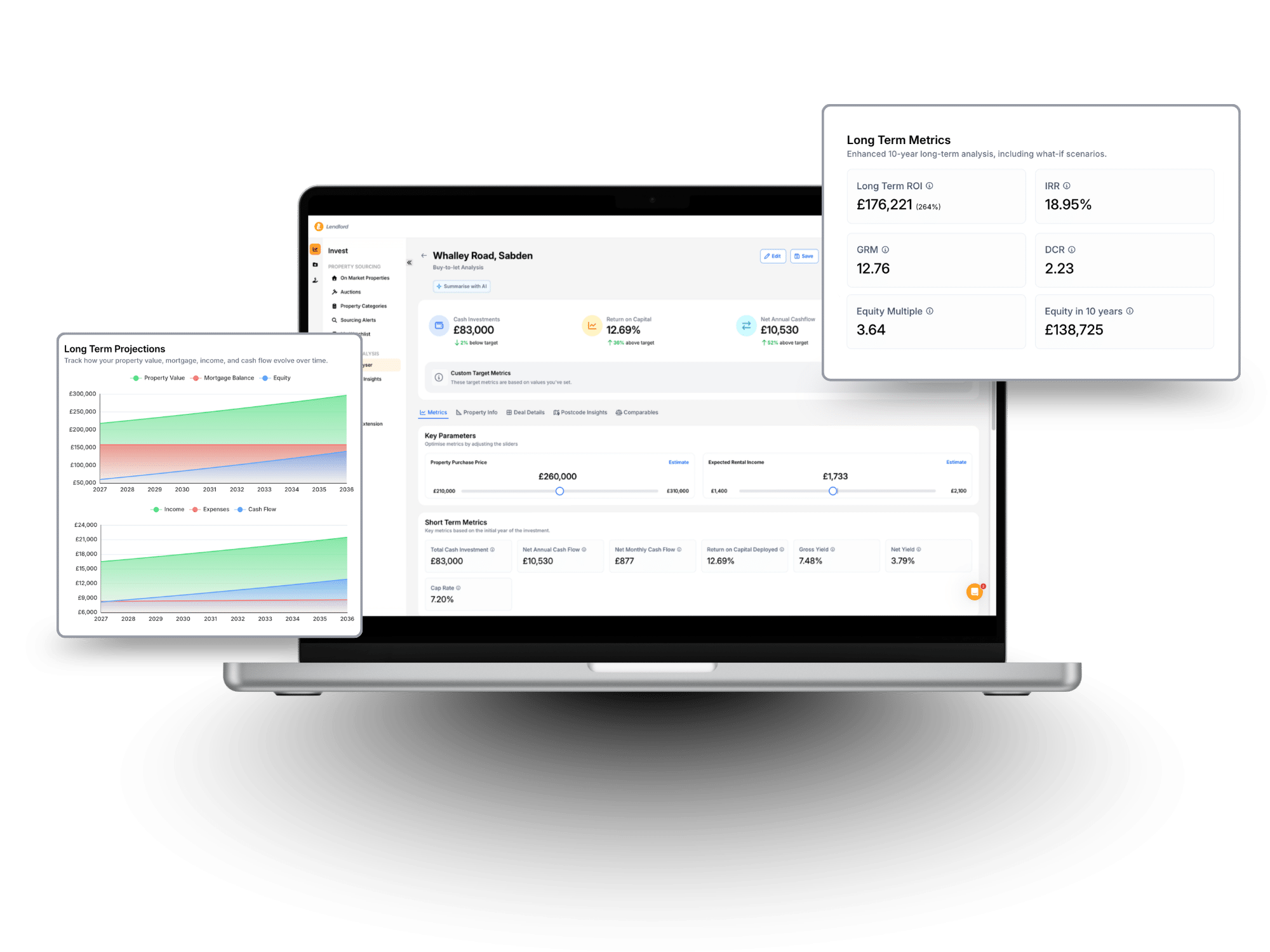
National demand headlines hide postcode-level gaps. One town can be tight while a nearby street sits on the portal for weeks. Match the listing to local rent evidence before you assume a quick let.
Use Lendlord Postcode Insights for area context on a specific address. Compare that with regional UK rent data so your analyser inputs reflect the market you are buying into, not a national average.
Run the numbers before you bid
A four-point workflow while landlords exit
- Set alerts. Define areas and criteria in Lendlord AI search so ex-landlord stock reaches you first.
- Screen fast. Reject listings that fail basic yield or location rules before you book viewings.
- Model properly. Run rent, costs, tax, and refinance in the Deal Analyser on every shortlist property.
- Offer on evidence. Bid only where local demand and your numbers align. For portfolio context, see the UK property portfolio growth and deal analysis guide.
Frequently asked questions
What does 63% strong tenant demand mean for UK landlords?
In Q2 2026 Pegasus Insight found 63% of landlords describing local tenant demand as very strong or quite strong. That is the first quarterly rise in about two years. It signals lettings are getting easier in many areas, but it does not remove the need to underwrite each purchase.
Why are landlords still net sellers if demand is rising?
The same surveys show landlords are far more likely to sell than buy. Regulatory change, tax pressure, and portfolio reviews push stock out of the PRS while tenant need stays high. That mismatch creates opportunity for buyers who can analyse deals quickly.
How do Lendlord AI search alerts help in this market?
You set criteria for price, yield, area, and property type. Lendlord scans listings and alerts you when a match appears, often before you would spot it on a portal. That speed matters when ex-landlord stock hits the market at a discount.
Should I bid before running the Deal Analyser?
No. Strong tenant demand does not guarantee the numbers work at your purchase price and mortgage rate. Run rent, costs, tax, and refinance in the analyser first. Walk away if cash flow fails a realistic stress test.
Can I check local rent demand before I offer?
Yes. Use postcode-level rent and market context, then compare the listing rent or your agent quote to local data. Lendlord Postcode Insights and regional rent research help you test whether demand in the headline matches the street you are buying.
Tenant demand is back. Stock is still leaving the market. Set alerts, run the analyser, and buy lettable deals while others wait.
Start sourcing in Lendlord
Expert insight from Aviram Shahar, Co-Founder and CEO of Lendlord · PropTech entrepreneur · Last updated August 2026
Official data sources
Cross-check tenant demand headlines and rental market data on the sources below before you change your buying criteria.