Tenant Contract Template (Free Download, Renters Rights Act Ready)
Published · Updated · 11 min read
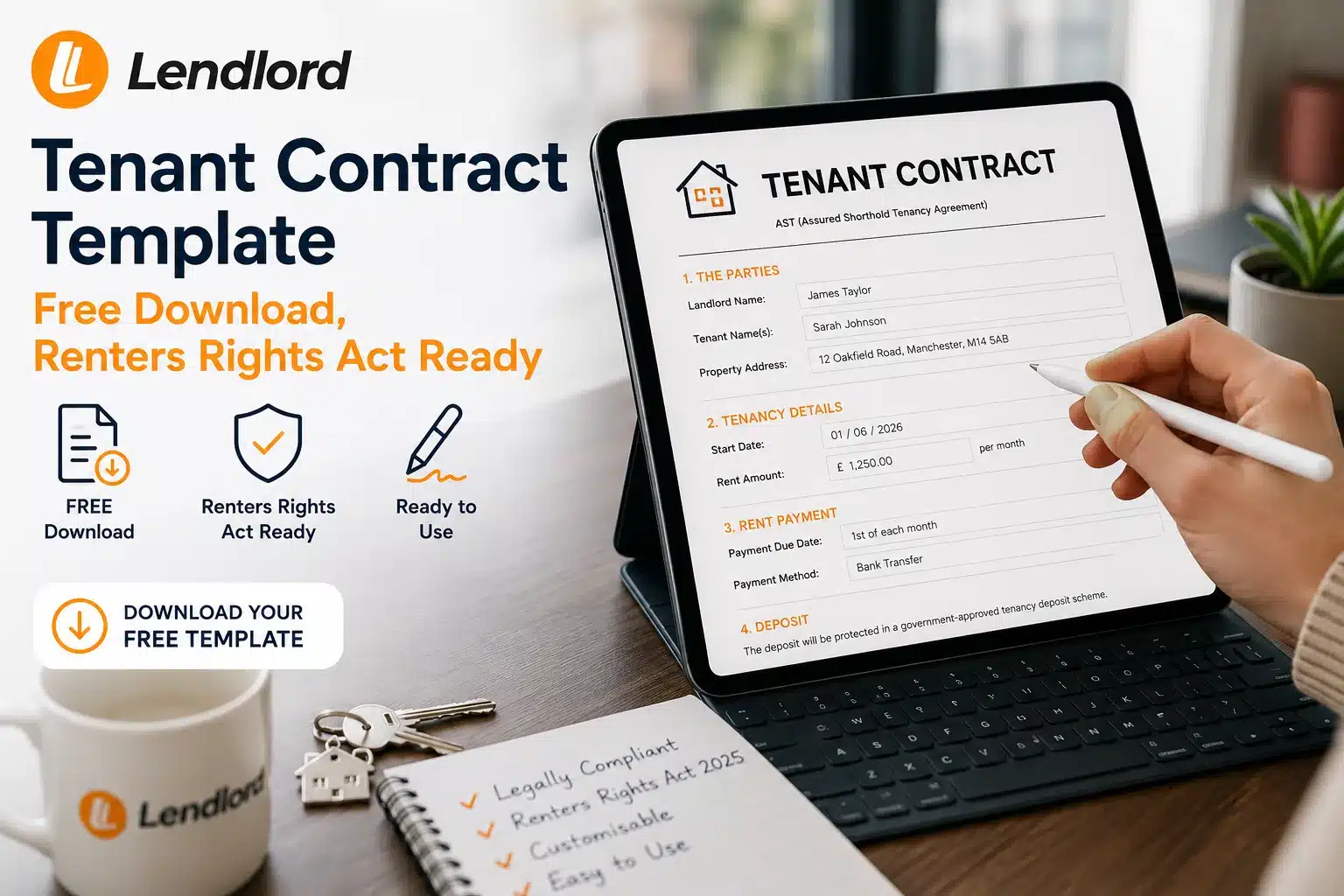
A tenant contract is the written agreement between a UK landlord and tenant that sets rent, deposit, responsibilities, and how the tenancy can end. In 2026, new private rentals should use a Renters Rights Act ready template rather than an outdated fixed-term AST PDF. Download a free, editable version and complete the statutory pack before keys are handed over.
This guide is for UK landlords and portfolio investors who need a clear tenant contract, tenancy agreement template, or rental contract that still works after the Renters Rights Act. You will learn what a modern agreement must include, how to generate one free, and how to avoid the compliance mistakes that invalidate notices later.
At a glance
- Definition: A tenant contract (tenancy agreement) sets rent, deposit, repair duties, and possession routes in writing.
- 2026 default: New private rentals in England generally start as Assured Periodic Tenancies under the Renters Rights Act (from 1 May 2026).
- Deposit rule: Protect deposits in a government-authorised scheme and give prescribed information within 30 days of receipt.
- Must-issue pack: How to Rent guide, gas safety, EPC, and electrical safety evidence where required.
- Fines risk: Failing to provide required Renters Rights Act information can attract civil penalties of up to £7,000.
- Tool: Generate a free Renters Rights Act ready tenant contract with Lendlord's tenancy agreement template generator.
Short: create a tenancy agreement free
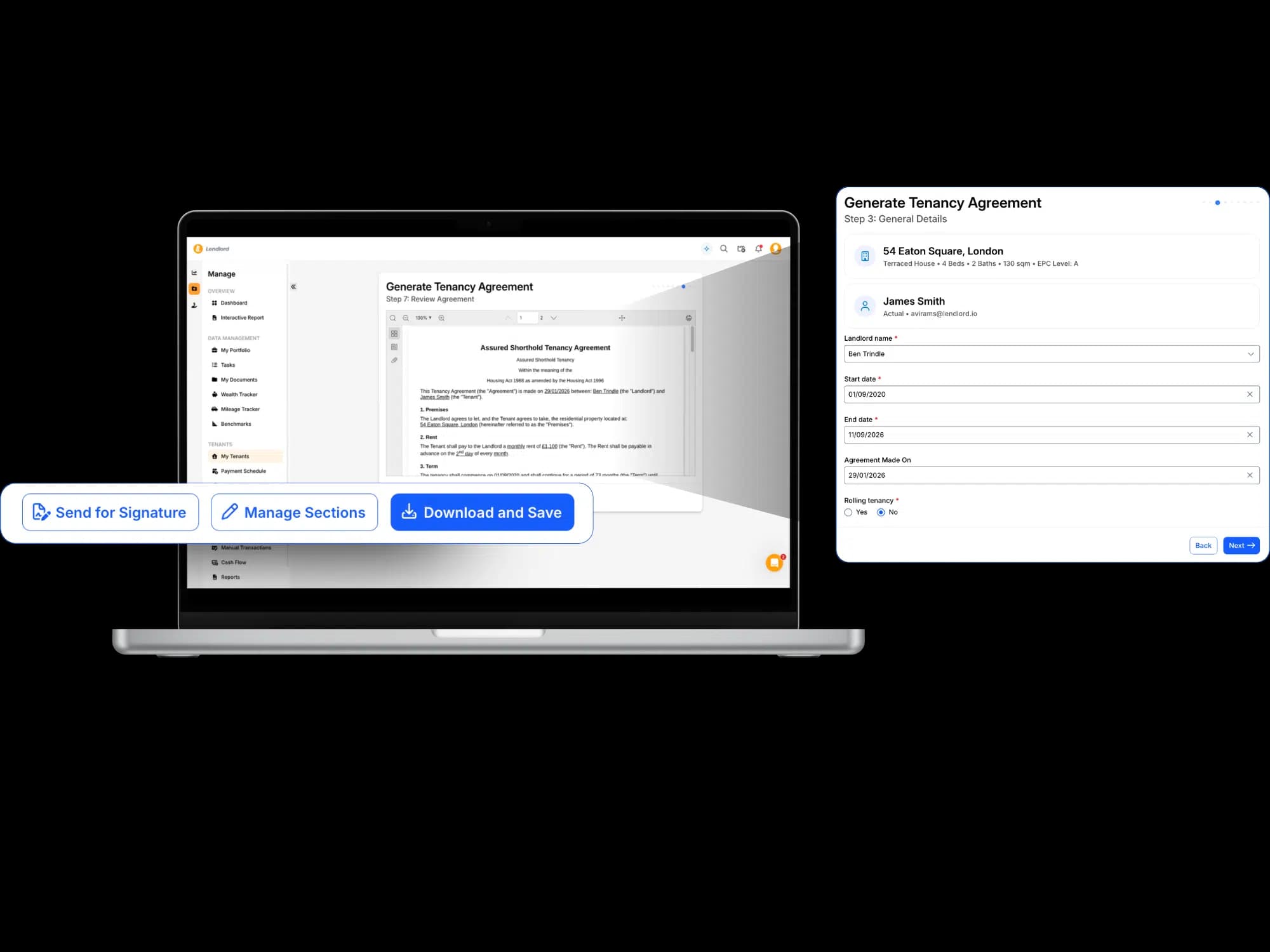
Tenancy generator
Generate a free Renters Rights Act ready tenant contract
Build a UK tenancy agreement online, customise the clauses you need, then download and share for signature without starting from a blank Word file.
Open tenancy agreement templateWhat is tenant contract?
A tenant contract is the legal agreement between landlord and tenant that records who occupies the property, how much rent is paid, and what each party must do. In everyday UK lettings it is the same document as a tenancy agreement or rental agreement. Without a clear written contract, disputes over rent, repairs, and ending the tenancy become harder to resolve.
Since the Renters Rights Act took effect on 1 May 2026, most new private rented sector tenancies are Assured Periodic Tenancies rather than classic fixed-term Assured Shorthold Tenancies (ASTs). Your template must reflect that structure, lawful rent increase routes, and updated possession grounds. Soft tip: treat the contract as the hub of a compliance pack, not a standalone PDF.
Tenancy agreement
A tenancy agreement is the formal name for the tenant contract used across the UK private rented sector. It should identify the landlord (or agent), every named tenant, the property address, rent amount and payment schedule, deposit amount and scheme, and the start date. Verbal agreements can still create a tenancy, but they leave landlords exposed when serving notices or defending claims.
For England, check whether you are letting under the post-May 2026 periodic regime or managing a continuing pre-reform tenancy that still needs careful transition wording. Scotland and Wales use different statutes, so do not reuse an England-only template outside its jurisdiction.
Tenancy agreement template
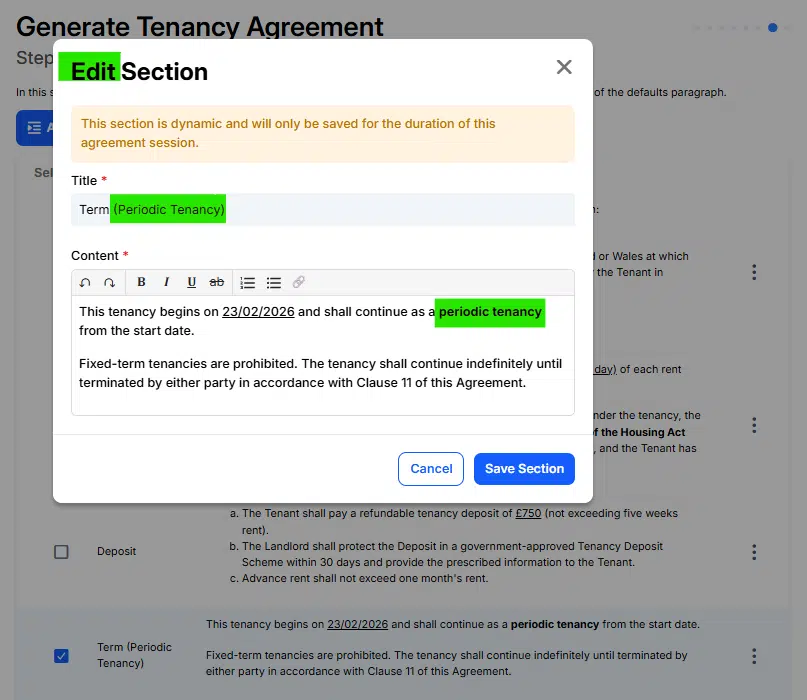
A tenancy agreement template is a ready-made form you complete with property and tenant details instead of drafting from scratch. The best free templates for 2026 are maintained for Renters Rights Act changes, not archived AST Word files from 2023. A good template accelerates onboarding and reduces missing-clause risk.
Anonymised Lendlord generator activity in H1 2026 showed landlords who started from the in-app template completed agreements roughly 3x faster than those uploading and editing legacy Word documents, with fewer abandoned drafts. Speed matters when a referenced tenant is ready to move in.
Free template
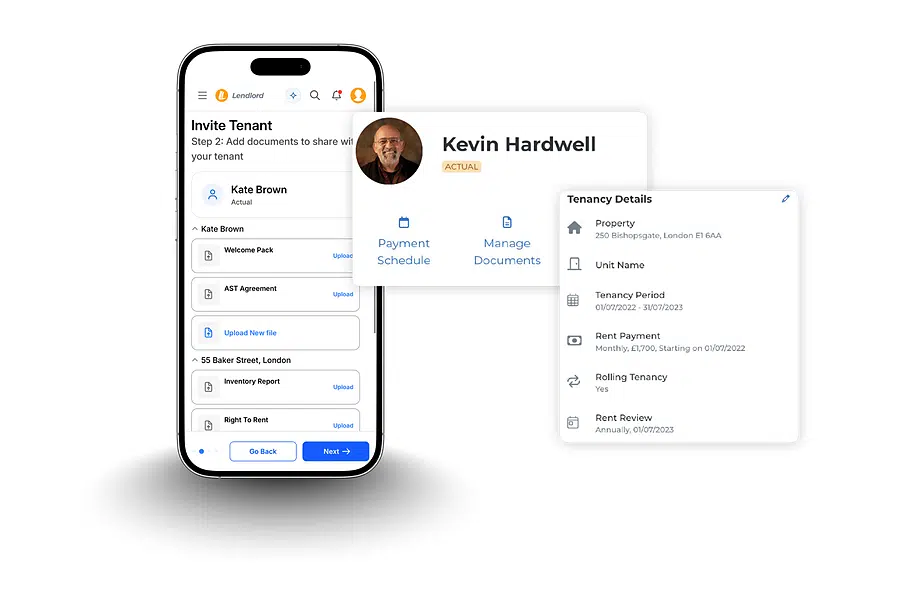
Start from a periodic tenancy agreement template
Use a free UK template built for Assured Periodic Tenancies, then invite the tenant to review, sign, and keep documents in one place.
Download free templateTenancy contract template
A tenancy contract template is another label for the same rental paperwork landlords search for as “letting agreement form” or “rental contract template UK”. Whatever you call it, the content must be lawful, clear, and consistent with the deposit and safety documents you issue on day one.
Prefer templates that let you edit schedules (inventory, pets, parking) without rewriting the statutory core. Keep a clean master version so every new let starts from the same baseline.
Tenant contract template
A tenant contract template is the downloadable or online form tenants and landlords complete together. For UK landlords, “free tenant agreement” and “free tenancy agreement template Word UK” searches usually mean the same need: a compliant file they can customise today.
Word downloads still work, but digital generators reduce version chaos across a portfolio. Store the signed PDF with EPC, gas safety, EICR, and deposit certificates in one place.
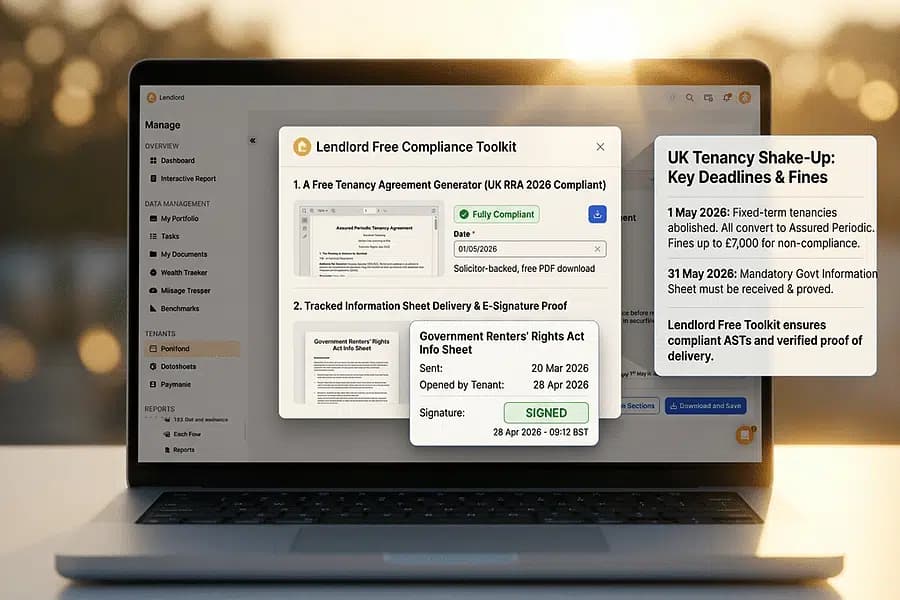
AST to periodic
Match the contract to your letting model
Choose wording that fits a new Assured Periodic let or a continuing AST, then tailor rent, deposit, and house rules before you issue keys.
Customise your agreementTenancy agreement example
A practical tenancy agreement example shows how fields look when completed: landlord name, tenant names, monthly rent of (for example) £1,250 payable on the 1st, £1,250 deposit protected in a TDP scheme, and a start date of 1 August 2026. Examples help first-time landlords see what “done” looks like before they generate their own.
Use examples as a checklist, not as a substitute for your own facts. Copying another landlord's clauses about pets, smoking, or HMO house rules without checking statute can create unenforceable terms.
Watch: tenancy agreement generator
Tenancy contract UK template
A tenancy contract UK template should state which nation's law applies and reflect that nation's rules. England's Renters Rights Act framework differs from Scottish Private Residential Tenancies and Welsh occupation contracts. Searching “UK tenancy contract” is fine for discovery, but you must pick the correct jurisdiction before signing.
| Item | Why it matters | Typical timing |
|---|---|---|
| Written tenancy agreement | Records rent, deposit, and duties | Before move-in |
| How to Rent guide | Prescribed information for England | Before tenancy starts |
| Deposit protection + prescribed info | Enables lawful deposit claims and some notices | Within 30 days of receipt |
| Gas safety / EPC / EICR (as required) | Safety and possession readiness | Before / at start |
| Right to rent checks | Statutory landlord duty in England | Before tenancy starts |
Primary sources for these duties sit on GOV.UK How to Rent and deposit protection guidance.
Step-by-step: how to create a tenant contract
Follow a numbered path so your free tenancy agreement is complete before the tenant moves in. The steps below map to HowTo schema and match how practical UK landlords onboard lets.
Preparation and documents checklist
Gather landlord and tenant IDs, proof of ownership or management authority, proposed rent and payment date, deposit amount, inventory draft, and current safety certificates. Confirm right to rent status for every adult occupier in England before you finalise the contract.
Step 1: assess your situation
Decide whether this is a new Assured Periodic Tenancy, a continuing pre-reform AST still rolling, a joint tenancy, or a room-only / HMO let needing extra house rules. Jurisdiction (England, Scotland, Wales, Northern Ireland) changes the template you should use.
Step 2: compare options and costs
Compare a free maintained generator against paying a solicitor for bespoke drafting. Most standard single-family lets only need a current template plus correct prescribed packs. Complex company lets or unusual licences may need legal review. Soft cost to include: deposit scheme fees and referencing.
Step 3: apply or implement
Generate the agreement, customise schedules, share for signature, protect the deposit, issue How to Rent and safety documents, then store everything with proof of delivery. Invite the tenant to a shared channel so acknowledgements are dated.
- Confirm jurisdiction, let type, and rent/deposit figures.
- Generate a Renters Rights Act ready tenancy agreement template.
- Complete parties, property, rent, and deposit fields.
- Issue How to Rent, safety certificates, and deposit prescribed information.
- E-sign, store, and diarise rent review / inspection dates.
Short: fixed-term to periodic shift
Landlord-specific scenarios and worked examples
Numbers and workflows beat generic advice. Here are two simplified UK-style cases for mid-2026 onboarding.
First-time landlord scenario
You let a 2-bed flat in Manchester at £1,100 pcm with a £1,100 deposit. You generate a free tenancy agreement template, name both joint tenants, protect the deposit the same day, and email How to Rent plus EPC and gas safety before keys. Total out-of-pocket beyond referencing: deposit scheme fee only. Missing the How to Rent guide would put later possession routes at risk, so the pack is completed on day one.
Portfolio landlord scenario
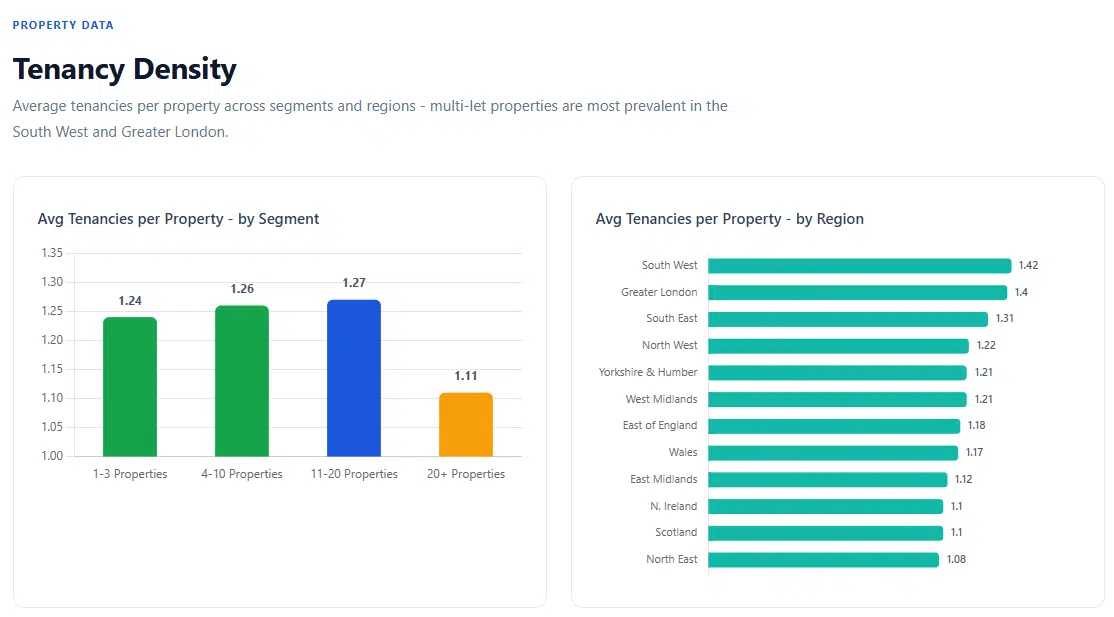
You manage 12 units across the Midlands and need the same tenancy agreement format on every new let. A single digital generator plus document vault keeps clauses consistent, while the Renters Rights Act information sheet is shared and acknowledged per tenancy. Market intelligence on tenancy density helps you spot where multi-tenancy properties need tighter house rules and inventory discipline.

Common mistakes and compliance notes
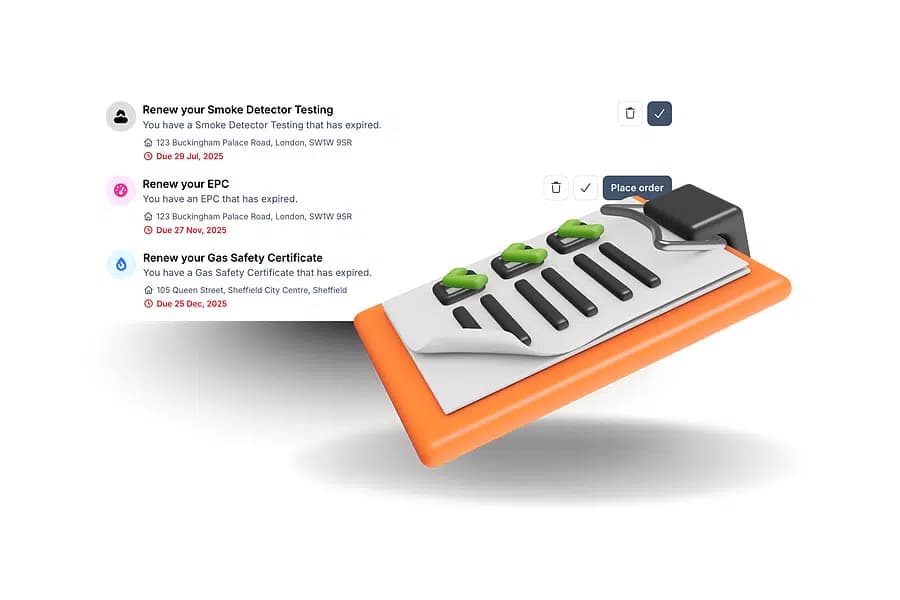
Most tenancy disputes start with missing paperwork, not bad tenants. Outdated templates, late deposit protection, and incomplete prescribed information are the usual triggers.
Regulatory pitfalls to avoid
Do not reuse a pre-May 2026 fixed-term AST for a brand-new England let without checking whether Assured Periodic wording is required. Do not take a deposit and wait months to protect it. Do not serve Section 8 notices if deposit prescribed information was never given. Do not skip right to rent checks.
Renters Rights Act considerations (2026)
The Renters Rights Act (from 1 May 2026) ends Section 21 no-fault eviction for covered tenancies, moves new private rentals toward Assured Periodic Tenancies, and tightens expectations around information landlords must share. Landlords who still issue only a bare tenant contract without the wider compliance pack increase civil penalty and possession risk. Pair every new agreement with the current information sheet workflow where required.
RRA information sheet
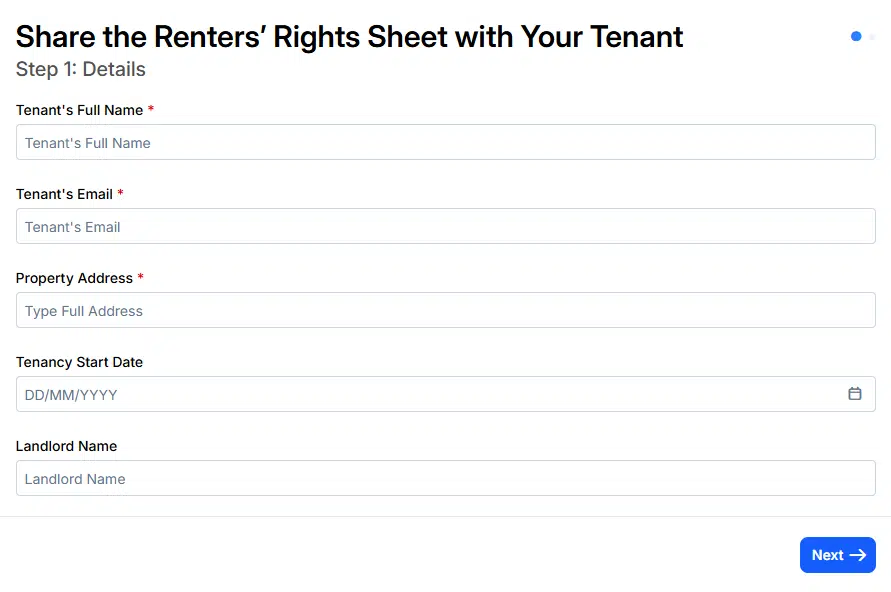
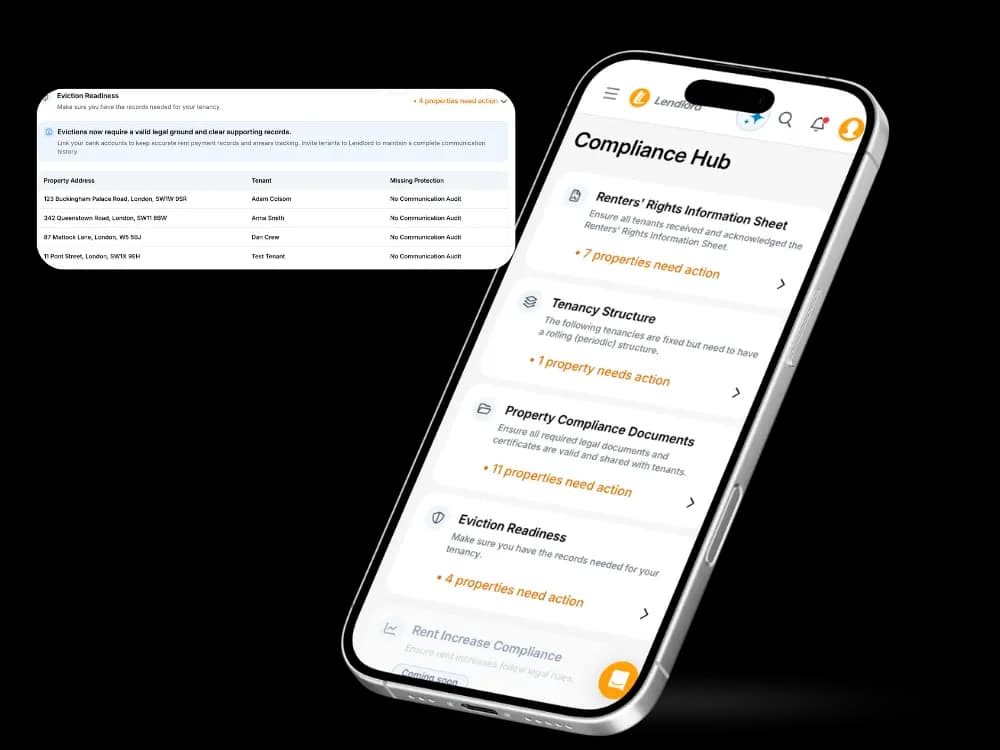
Share the information sheet with proof of delivery
A signed tenant contract is not enough on its own. Share the Renters Rights Act information sheet and keep acknowledgement evidence with the tenancy file.
Open RRA information sheet toolsKey terms, rules and bodies you need to know
These definitions keep your tenant contract and compliance pack aligned with what courts and councils expect.
AST (assured shorthold tenancy)
An AST was the standard England and Wales private tenancy before reform, often fixed-term with Section 21 available. Many existing ASTs continue, but new lets after 1 May 2026 generally follow the Assured Periodic model. Knowing which regime applies tells you which template and notice route to use.
Renters Rights Act
The Renters Rights Act is the 2026 legislation reshaping private renting in England, including periodic tenancies and updated possession grounds. It matters because templates, information sheets, and eviction timelines all changed. Build vacancy and referencing assumptions into every new let.
Deposit protection (TDP schemes)
Tenancy Deposit Protection schemes safeguard deposits in government-authorised custodial or insurance models. Landlords must protect the deposit and serve prescribed information within 30 days. Failure can mean penalties and blocked possession claims.
Right to rent checks
Right to rent checks are a landlord duty in England to confirm adult occupiers have permission to rent. Checks belong before the tenancy starts and should be recorded with the tenant contract file. Skipping them creates Home Office enforcement risk.
Prescribed information
Prescribed information is the statutory pack of details you must give tenants about the deposit scheme and other required documents. It is separate from the contract text itself. Without it, an otherwise perfect agreement can still fail at the possession stage.
How to Rent guide
The How to Rent guide is the GOV.UK booklet England landlords must issue at the start of a tenancy (and when updated versions apply). Keep proof of the version and issue date with your documents. It is one of the easiest compliance items to forget when rushing a move-in.
Document vault
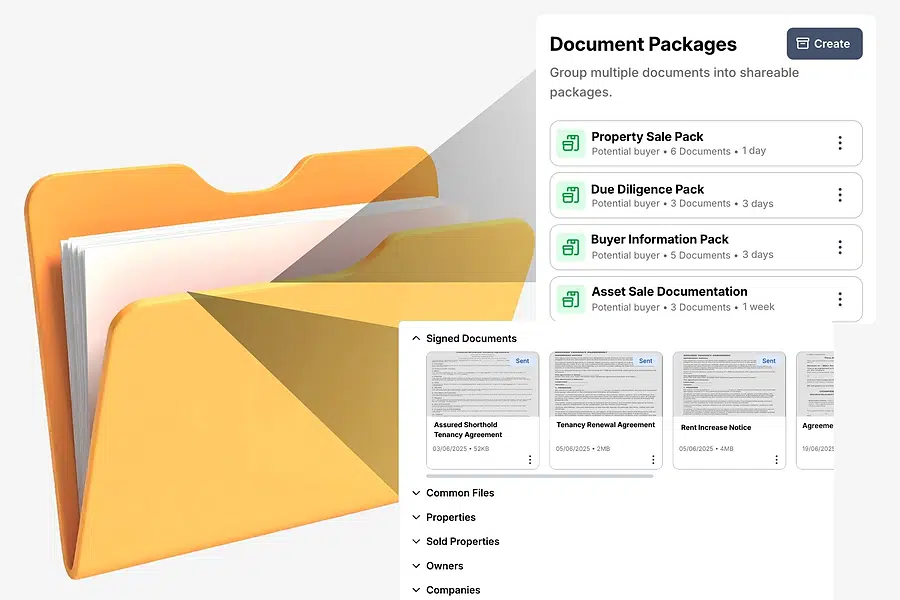
Keep every tenant contract with its certificates
Store signed agreements, EPCs, gas safety records, and deposit certificates together so audits and move-outs stay calm.
Open document managementFrequently asked questions
How to get a tenancy agreement?
You can get a Renters Rights Act ready tenant contract by using a free UK tenancy agreement template generator, then customising names, rent, deposit, and property details. Avoid outdated fixed-term AST PDFs for new private rentals after May 2026. Generate and download yours with Lendlord's tenancy agreement template tool.
How to get tenancy agreement?
Landlords get a valid tenancy agreement by starting from a current UK template, completing all parties and rent terms, then issuing prescribed information and protecting any deposit within 30 days. Digital generation is faster than editing a Word file by hand. Use Lendlord's AST / tenancy agreement generator to create one online.
What does a tenancy agreement look like?
A modern UK tenancy agreement looks like a multi-section contract covering parties, property address, rent amount and payment date, deposit, repair duties, and possession grounds. Under the Renters Rights Act it is usually periodic rather than a fixed-term AST. Preview structure in Lendlord's free tenancy agreement template.
How to create a tenancy agreement?
Create a tenancy agreement by confirming landlord and tenant identities, completing right to rent checks, choosing a compliant template, filling rent and deposit fields, then sharing for signature. Keep a dated copy with your How to Rent guide evidence. Create yours in minutes with the Lendlord tenancy agreement generator.
How to make a tenancy agreement?
To make a tenancy agreement, gather ID and property details, generate a Renters Rights Act compliant form, customise clauses that fit your let, then e-sign and store it with gas safety, EPC, and deposit certificates. Do not recycle a pre-2026 fixed-term PDF blindly. Start with Lendlord's simple tenancy agreement template.
How to draft a tenancy agreement?
Drafting means adapting a current UK template rather than writing from scratch. Focus on clear rent review routes, repair responsibilities, and lawful possession grounds under the Renters Rights Act. Have complex portfolio or HMO wording reviewed if you deviate from standard clauses. Draft digitally via Lendlord's letting agreement form generator.
How to write a tenancy agreement?
Writing a tenancy agreement for UK landlords means completing the statutory and contractual sections accurately: parties, rent, deposit scheme, start date, and house rules that do not conflict with statute. Prefer a maintained template over a blank Word document. Write and export with Lendlord's free tenancy agreement form.
How to make a tenant agreement?
A tenant agreement is the same legal instrument as a tenancy agreement or rental contract. Make one with a free, up-to-date UK template, complete checks, protect the deposit, and issue prescribed information. Portfolio landlords should keep every signed file in one document vault. Make yours with Lendlord's tenant contract template.
Get your free tenant contract on Lendlord
Generate a Renters Rights Act ready tenancy agreement, customise clauses, share for signature, then store the pack with your compliance documents. Create your free Lendlord account and keep every rental contract in one workspace.
Start from a maintained template, then complete the statutory pack before keys change hands.
Open the tenancy agreement generatorRelated Lendlord guides and tools
- tenancy agreement template generator for UK landlords
- How the Renters Rights Bill transforms tenancy agreements
- renters rights act information sheet guidance for landlords

Expert insight from Aviram Shahar, Co-Founder and CEO of Lendlord · PropTech entrepreneur · Last updated July 2026
Co-Founder and CEO of Lendlord with expertise in ASTs, tenancy compliance under the Renters Rights Act, and advising portfolio landlords. This article on tenant contracts reflects practical UK landlord experience, cited legislation, and tool-backed worked examples.
Official data sources
Verify tenancy rules, deposit duties, and prescribed documents against primary sources before you issue a contract.