Section 13 Rent Increase Notice and the First-tier Tribunal Challenge
Published · Updated · 5 min read
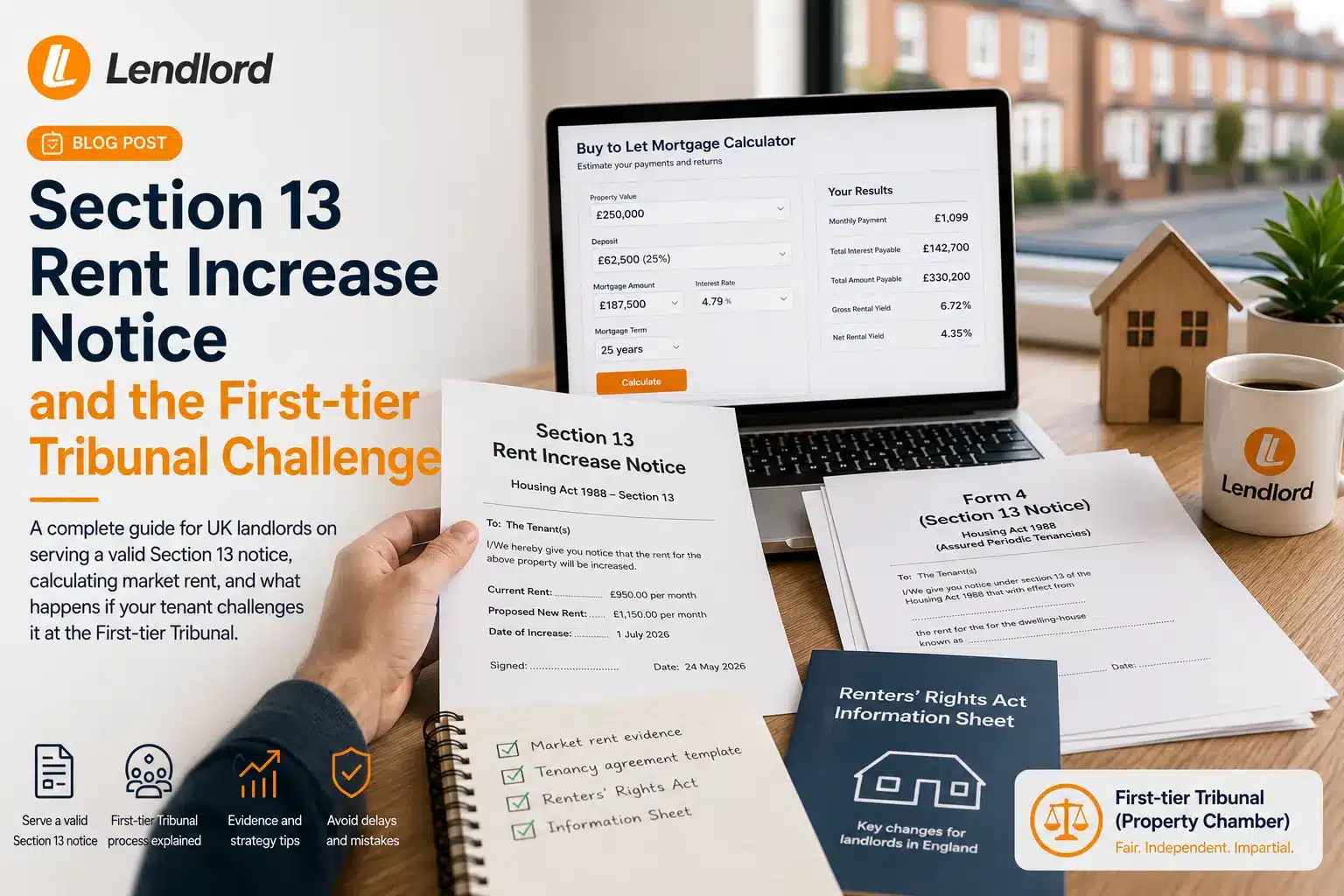
A Section 13 notice is the lawful way to raise rent on a UK periodic tenancy. Serve the current prescribed form with at least two months notice, and only once every 12 months. Tenants can challenge the figure at the First-tier Tribunal, which sets open market rent and cannot go above your proposal.
Thousands of landlords already find us through queries like tenancy agreement template and renters rights act information sheet. The difference for rent reviews now is process: use a Section 13 notice, give proper notice, and be ready for a First-tier Tribunal challenge. Here is a friendly walkthrough for UK investors.
At a glance
- Route: Section 13 on the current prescribed form.
- Notice: At least two months, once per year.
- Challenge: Tenants can go to the First-tier Tribunal.
- Cap: The tribunal cannot raise rent above your ask.
- Evidence: Local comps beat national averages.
Short: rental insights
Feature
File your rent increase notice with the tenancy pack
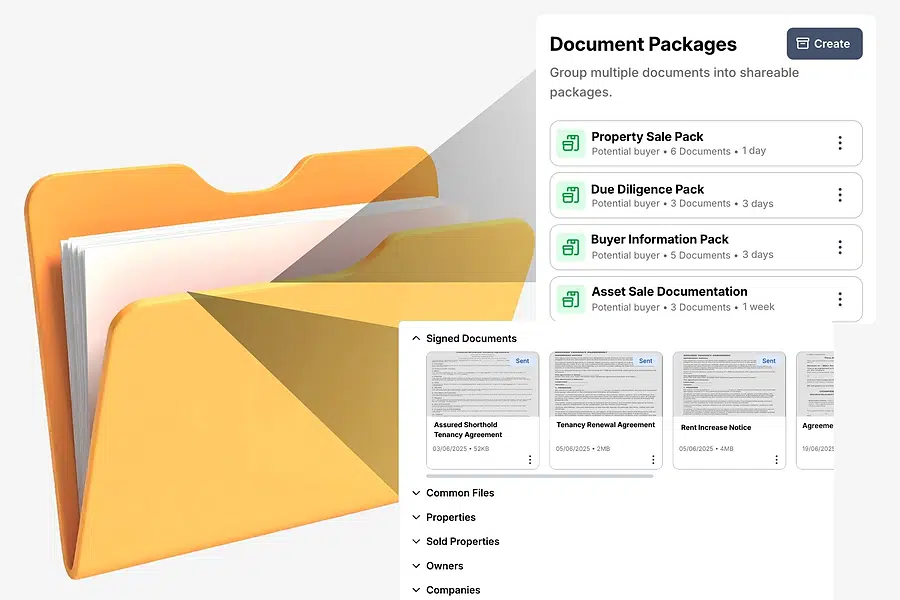
A clean trail matters if a tenant challenges the figure. Keep the notice, proof of service, and local comps together before you send anything.
Open document hubWhat is a Section 13 rent increase notice?
Section 13 is the main statutory route for increasing rent on a periodic tenancy. You propose a new rent on the current prescribed form. Then the new figure starts on the stated date, unless the tenant challenges it first.
Also, rent review clauses no longer give you a free pass after the Renters Rights Act changes. Therefore, the notice process is now the default path for most landlords.
Form 4A rules and the once a year limit
Under the Renters Rights Act, give at least two months written notice. Also, increase rent only once every 12 months. Use the live GOV.UK form on the day you serve.
Renters Rights Act rent increase changes
The big shift is risk. The tribunal cannot set rent higher than you asked for. It also will not backdate a win for you. So an aggressive ask now has downside, not upside.
Watch: Renters Rights Act key changes
How tenants challenge rent at the First-tier Tribunal
A tenant can refer your notice to the First-tier Tribunal before the increase date. The tribunal then decides open market rent for that property. Your mortgage rate and target yield do not decide the outcome.
Therefore, bring local comps. Same street and same postcode beat national averages every time.
Calculator
Check the numbers before you serve
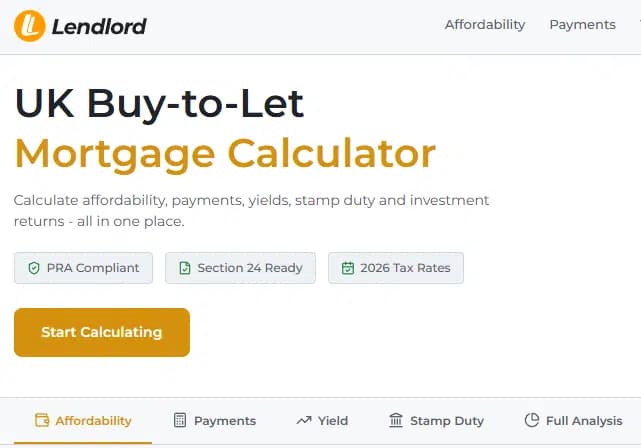
Run the buy to let mortgage calculator with your proposed rent. That way you see yield and cover before a tenant can challenge the figure.
Open BTL calculatorHow to evidence a fair market rent
Anchor the figure to recent local lettings. Meanwhile, keep photos of condition and a short note on why the rent matches the market. Guesswork invites a challenge.
Use local comps, not guesswork
Start with nearby achieved rents. Then sense-check the uplift against churn risk. A sticky tenant on a fair uplift often beats a void after a dispute.
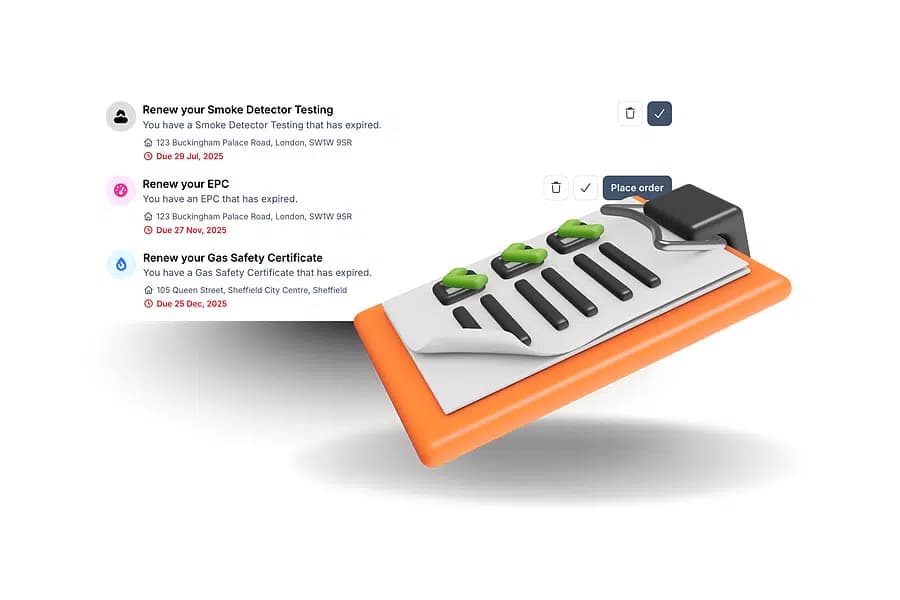
Feature
Keep Renters Rights Act paperwork tidy while you review rent
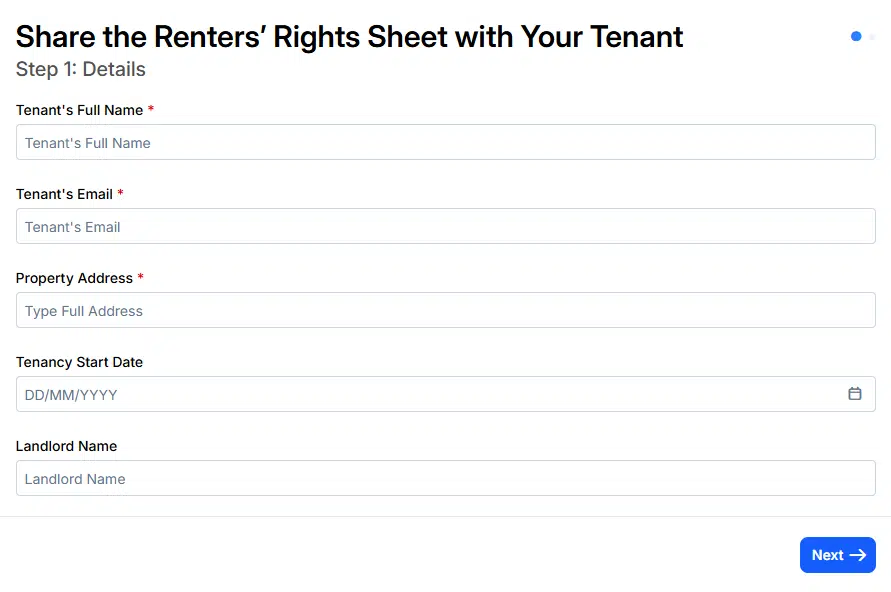
Many landlords are still sorting the renters rights act information sheet 2026 trail. Keep that file and your Section 13 notice in the same tenancy pack.
Open RRA toolsStep by step Section 13 process
First, confirm the tenancy is periodic and due for review. Next, gather comps and set a fair figure. Then complete the form, serve it, and store proof of service.
Finally, update payment reminders for the effective date. Clear written communication reduces surprise and dispute risk.
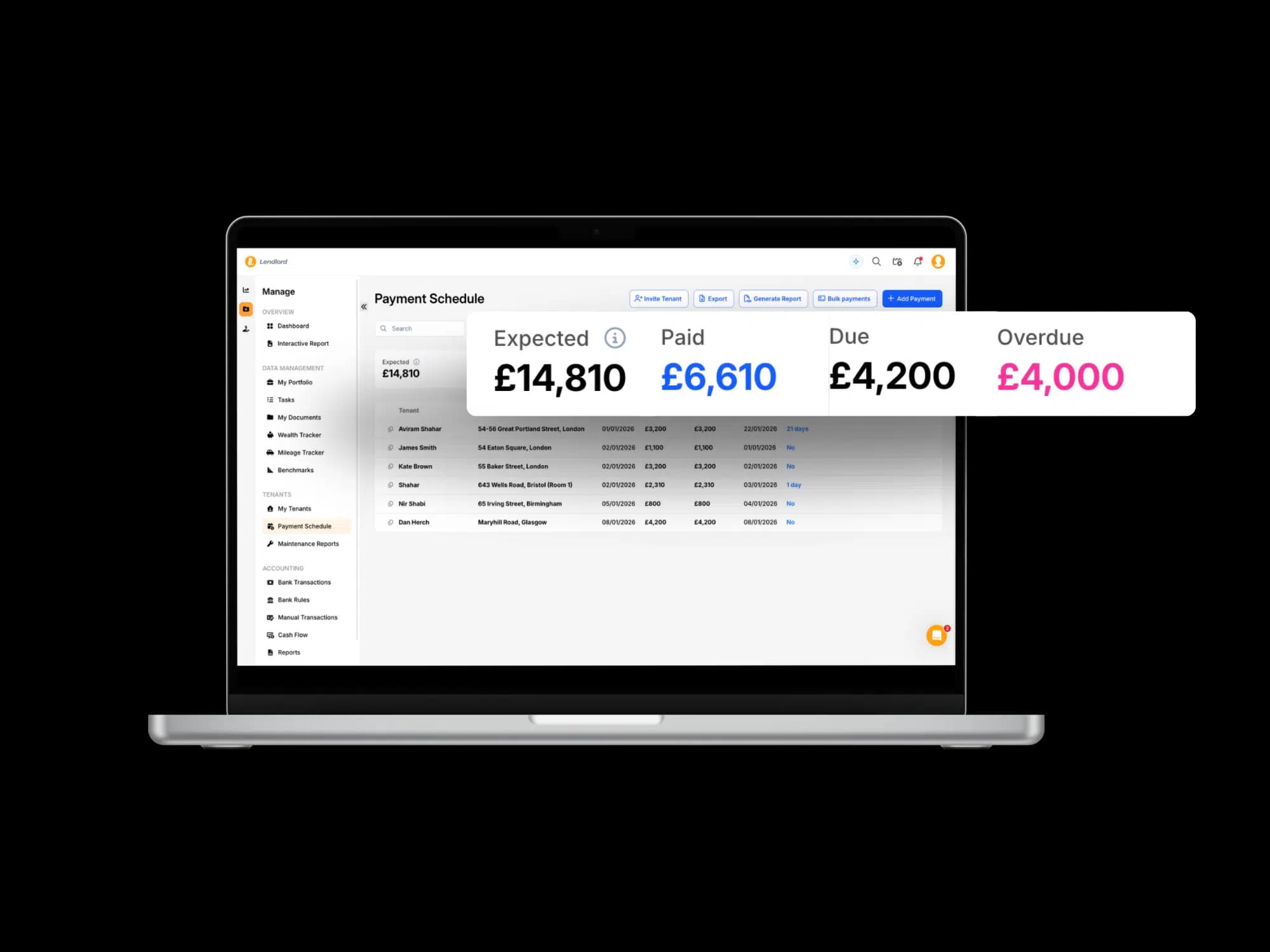
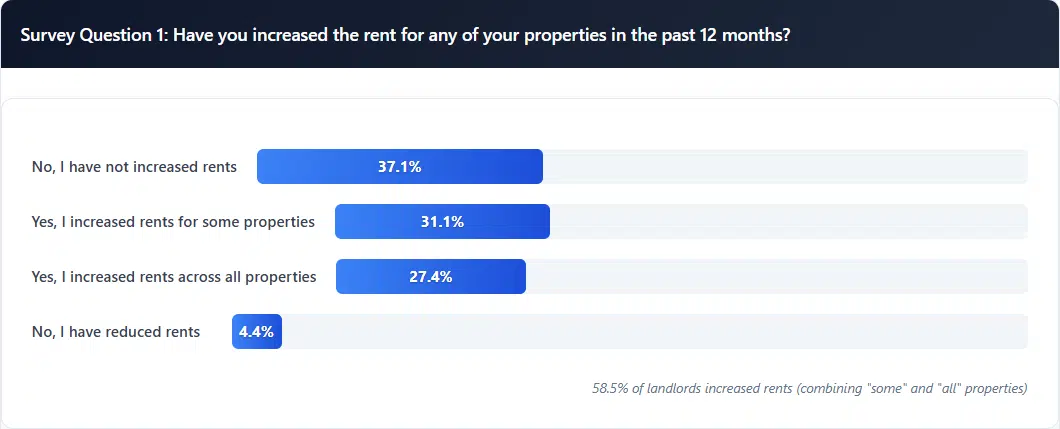
Are landlords planning more increases?
Market mood matters. If your area is soft, a smaller uplift can retain a good tenant. If comps are firm, a fair market ask is easier to defend.
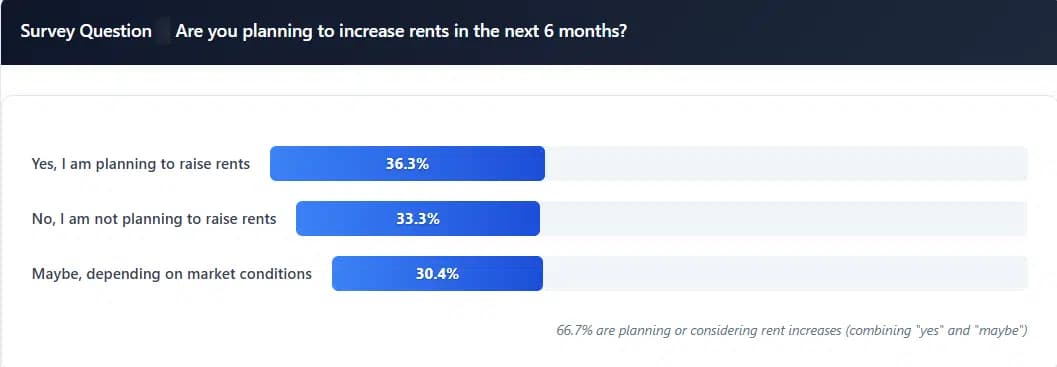
Feature
Keep the tenancy agreement ready for rent reviews
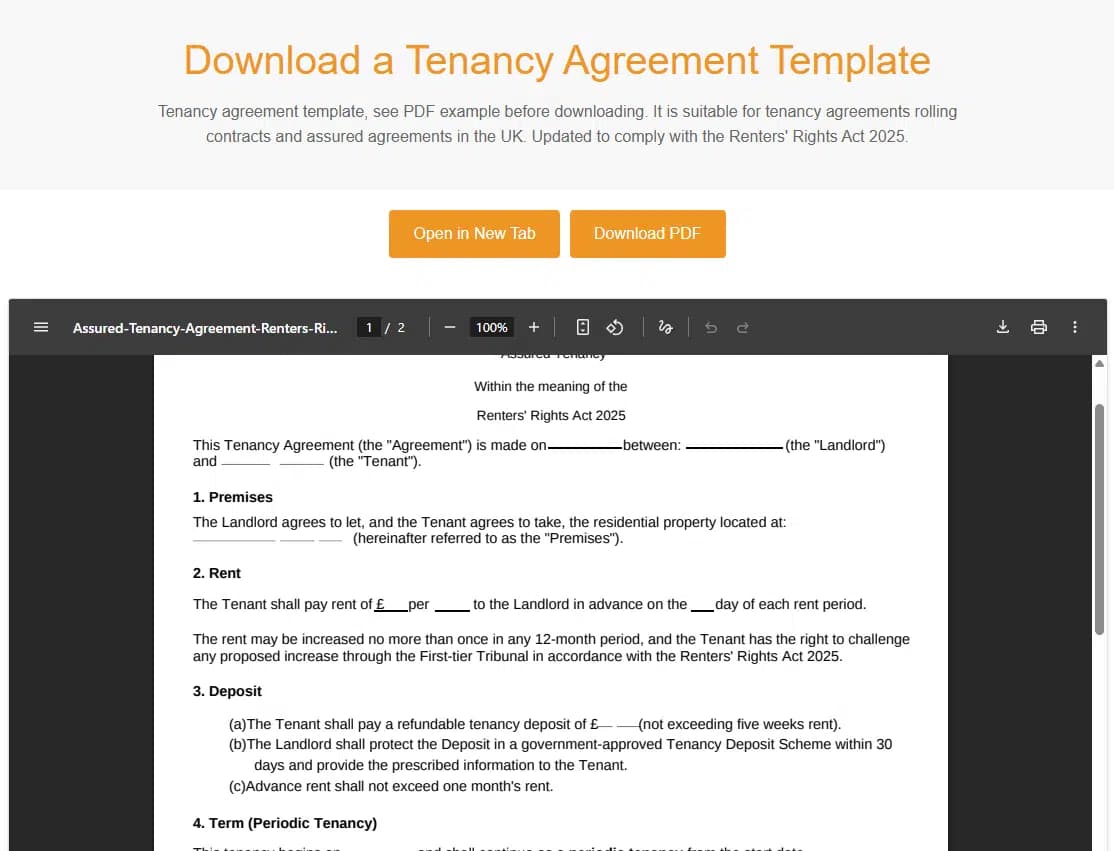
Section 13 works best on a clear periodic tenancy. Generate or refresh your tenancy agreement template, then file later rent notices beside it.
Open tenancy template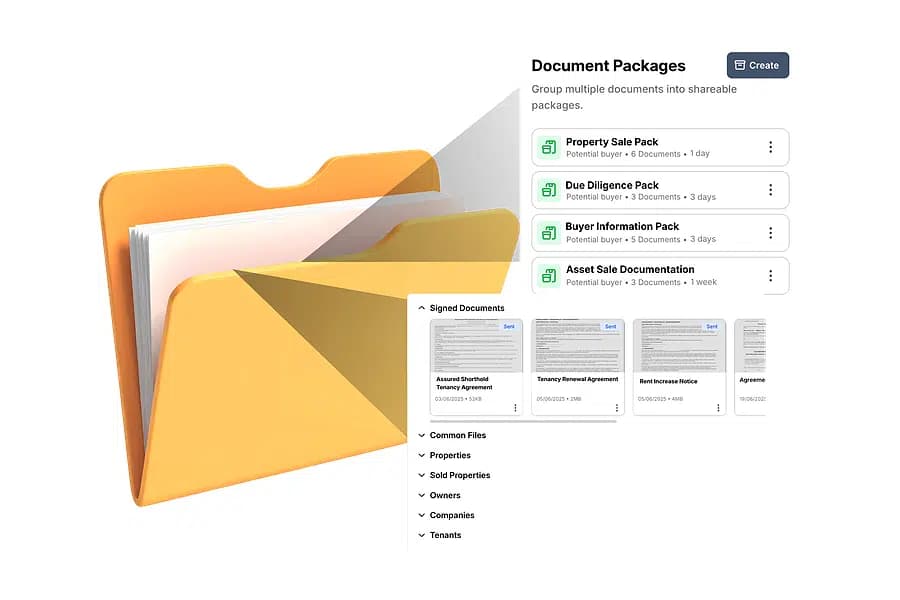
Common Section 13 mistakes
Old forms. Too little notice. More than one increase in a year. Weak comps. Those four mistakes create most failed notices.
Also, do not use a huge mid-tenancy jump to force a tenant out. That approach invites challenge and churn.
Short: Renters Rights Act checklist
Watch: stop guessing your numbers
Frequently asked questions
What is a Section 13 rent increase notice?
It is the statutory route to raise rent on a periodic tenancy. You serve the current prescribed form with the right notice. Store proof of service in your document hub.
How much notice do I need?
Under the Renters Rights Act, give at least two months notice. Also, increase rent only once every 12 months. Confirm the live rules on GOV.UK before you serve.
Can a tenant challenge the increase?
Yes. They can refer it to the First-tier Tribunal before the new rent starts. The tribunal sets open market rent and cannot go above your proposal.
What form should I use?
Use the current prescribed rent increase form from GOV.UK. Older versions can invalidate the notice. Download it on the day you serve.
Related guides for UK landlords
Evidence the market rent, then store your notice with the tenancy pack.
Open BTL calculator
Expert insight from Aviram Shahar, Co-Founder and CEO of Lendlord · PropTech entrepreneur · Last updated July 2026
Official data sources
Confirm the live notice period, prescribed form, and tribunal process before you serve a Section 13 increase.