HMO Inspection Documents: What to File Before the Visit
Published
4 min read
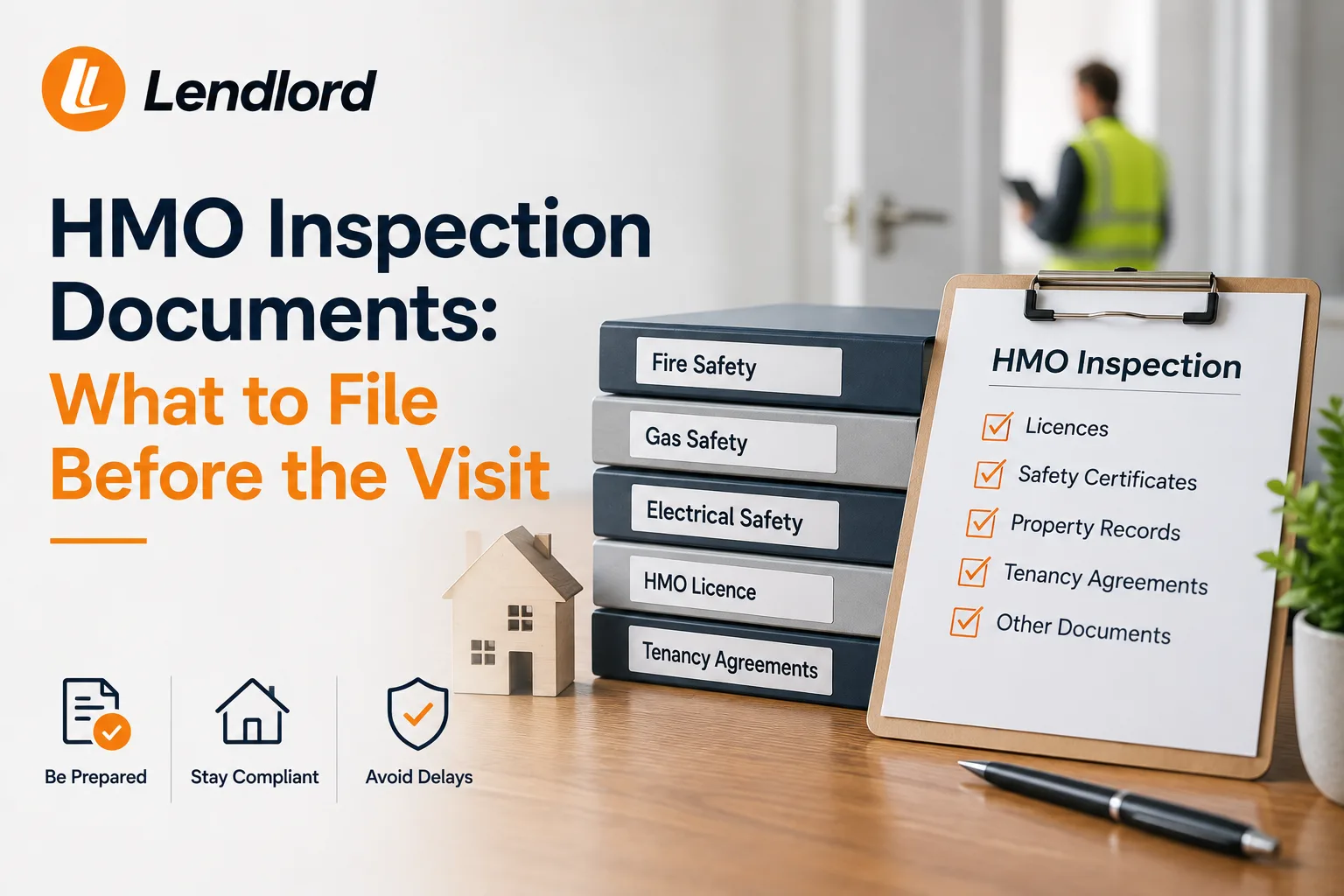
The council email lands on a Tuesday: send the latest gas certificate within seven days. The PDF sits in three inboxes and a van glovebox. That scramble is the inspection risk, not the visit itself.
Before an HMO inspection or a document request, file one digital pack: gas, EICR, fire measures, amenities evidence, and waste arrangements. Keep it ready to send in days, not weeks.
Use this UK HMO pack when the council or an inspector asks for proof. Gas, EICR, fire kit, amenities and waste notes go in one place so you can reply inside the clock.
Document duties last checked September 2026 against UK HMO management rules and private rented electrical safety guidance.
What councils and inspectors usually ask for
Licensed or not, UK multi-lets sit under management regulations. Managers must keep escape routes clear, maintain alarms and fire-fighting kit, and produce the latest gas certificate within seven days of a written request. Private rented electrical installations need an inspection report, usually an EICR, at least every five years.
Local schemes add amenity and layout proofs. A selective or additional licensing condition can name bedroom sizes, kitchen facilities, or specific detector grades. Treat the list below as the core pack, then add whatever your council's licence conditions name.
If you manage several HMOs, build one template pack and clone it per address. Swap only the certificates and photos that change. That keeps the national duties stable while local extras sit on top.
| Document | Typical clock | Why it matters on visit day |
|---|---|---|
| Landlord gas safety record | Annual | Must be supplyable within 7 days of a council request |
| EICR (electrical installation) | At least every 5 years | Shows the installation was tested and any remedial work status |
| Fire detection / alarm service records | Per kit and risk assessment | Proves means of escape kit is maintained, not only fitted |
| Fire-fighting equipment checks | Per manufacturer / FRA | Extinguishers and blankets must be in working order |
| Amenities and layout photos or plans | Before licence / after works | Confirms kitchens, WCs and room sizes match what was licensed |
| Waste and common-parts notes | Ongoing | Shows bins, shared areas and drainage are managed |
Source framing: Management of Houses in Multiple Occupation (England) Regulations 2006; Electrical Safety Standards in the Private Rented Sector (England) Regulations 2020. Confirm local licence conditions for your council.
Before the visit
Keep the HMO pack where you can find it in seven days
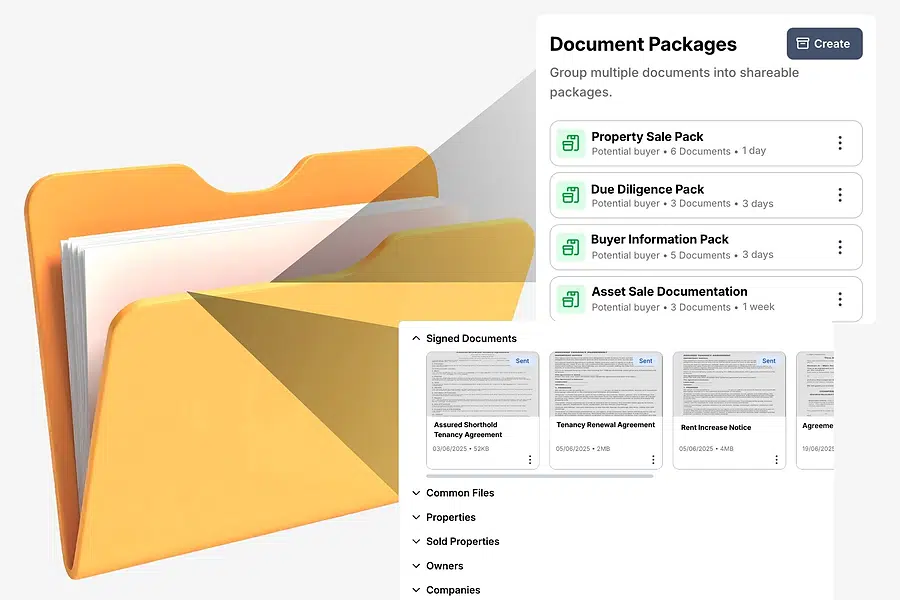
Store gas, EICR, fire and amenity files against the property. When the council asks, you send the folder, not a chase email.
Open free account and file the packPre-visit document pack checklist
Run this once per HMO, then refresh on each certificate date. Do it before you book works or invite an inspector. Print the list for the property file if you like paper. The digital copy still wins when someone needs to attach PDFs the same afternoon.
- Pull the latest Gas Safe landlord record and confirm the next due date.
- File the current EICR (or installation certificate) and any remedial completion notes.
- Attach fire alarm and detector service sheets, plus extinguisher checks if fitted.
- Add dated photos or plans of kitchens, bathrooms, escape routes and bedroom counts.
- Note waste storage, common-parts cleaning and any licence condition letters.
- Store the pack against the property so any team member can send it in one reply.
Why multi-let portfolios feel the filing gap first
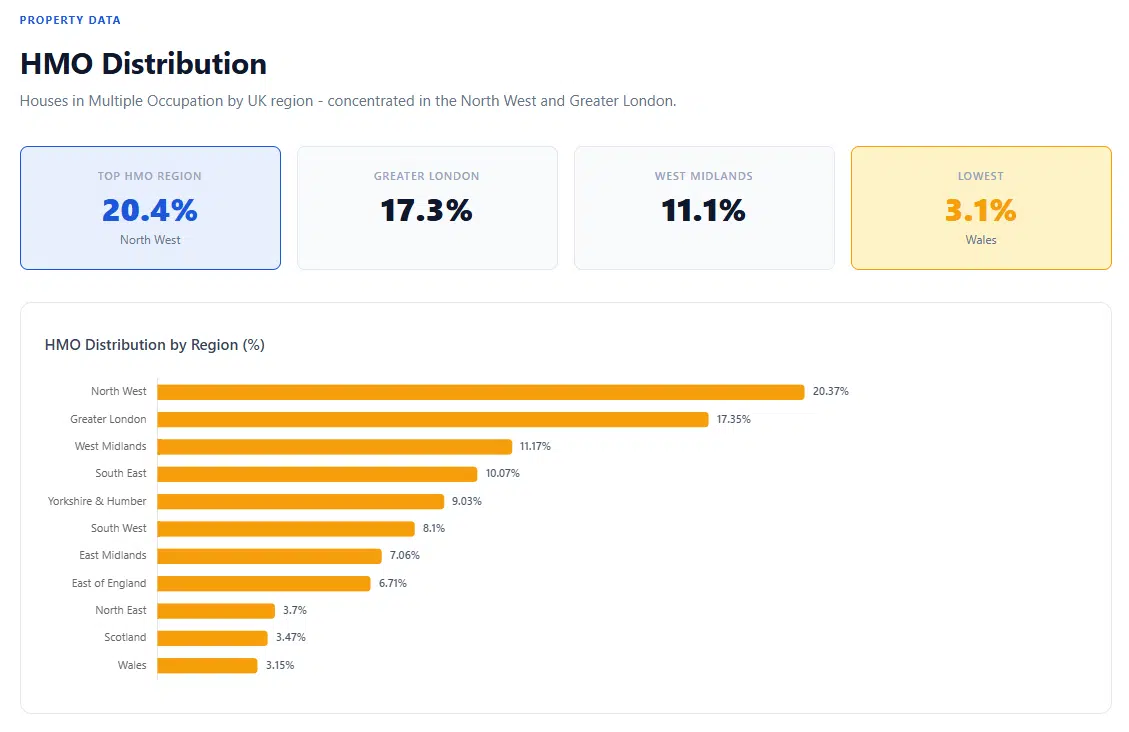
Lendlord market data shows HMO stock is concentrated in northern and Midlands regions, not spread evenly. More rooms and shared facilities mean more certificates per address. One missing gas PDF scales badly across a multi-let book.
For town yields and buy-box numbers, use the Midlands HMO investment yields guide before you buy.
How to keep the pack ready for a seven-day request
The hard part is retrieval. Put renewals on the same reminder path you use for tenancy certificates. When a date is close, replace the file before it expires, not after the email arrives.
Give one owner per portfolio. Agents and contractors can upload. One person confirms the file name, the property tag, and the next due date. Shared drives without an owner become another inbox.
Seven days is not a soft target. HMO management rules expect the latest gas certificate to reach the local housing authority within seven days of a written request. Inbox archaeology fails that clock.
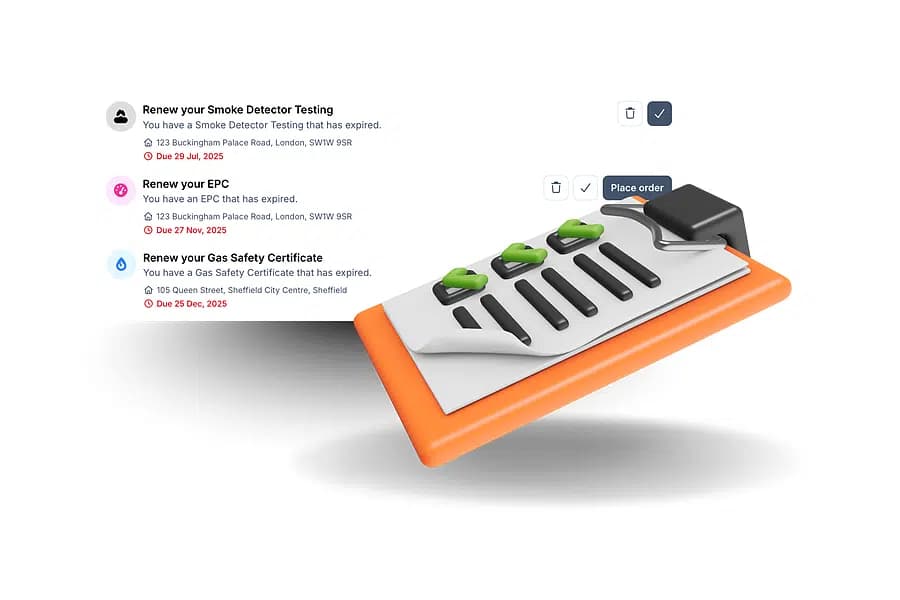
Gas PDF lost across three inboxes
A four-bed HMO had a valid gas record. Copies lived in the agent's email, the contractor WhatsApp, and a phone photo roll.
When the council asked for it, the landlord spent five days reconstructing the trail. The certificate was fine. The filing was not.
Anonymised operations example. Use it as a process warning, not a legal case study.
Planning and licensing still matter, but they are different jobs. Use the HMO licensing and Article 4 dual-gate guide before you buy or convert. Keep fee and scheme checks on the HMO licence overview for UK landlords.
This checklist maps UK landlord duties to a filing workflow. Councils set extra licence conditions. Always match your pack to the conditions named on your licence or scheme letter.
Put gas, EICR and fire records on the property file now, then answer the next council email from one folder.
Start free and open Document Hub
Expert insight from Aviram Shahar, Co-Founder and CEO of Lendlord · PropTech entrepreneur · Last updated September 2026
Aviram treats HMO inspections as a records problem first. Licence status gets the headlines. The seven-day gas request is what catches portfolios that still live in email threads. File once. Reply once. Then get back to running the house.