Fixed vs Rolled-Up Bridging Interest: 12-Month Cost Comparison
Published · Updated
3 min read
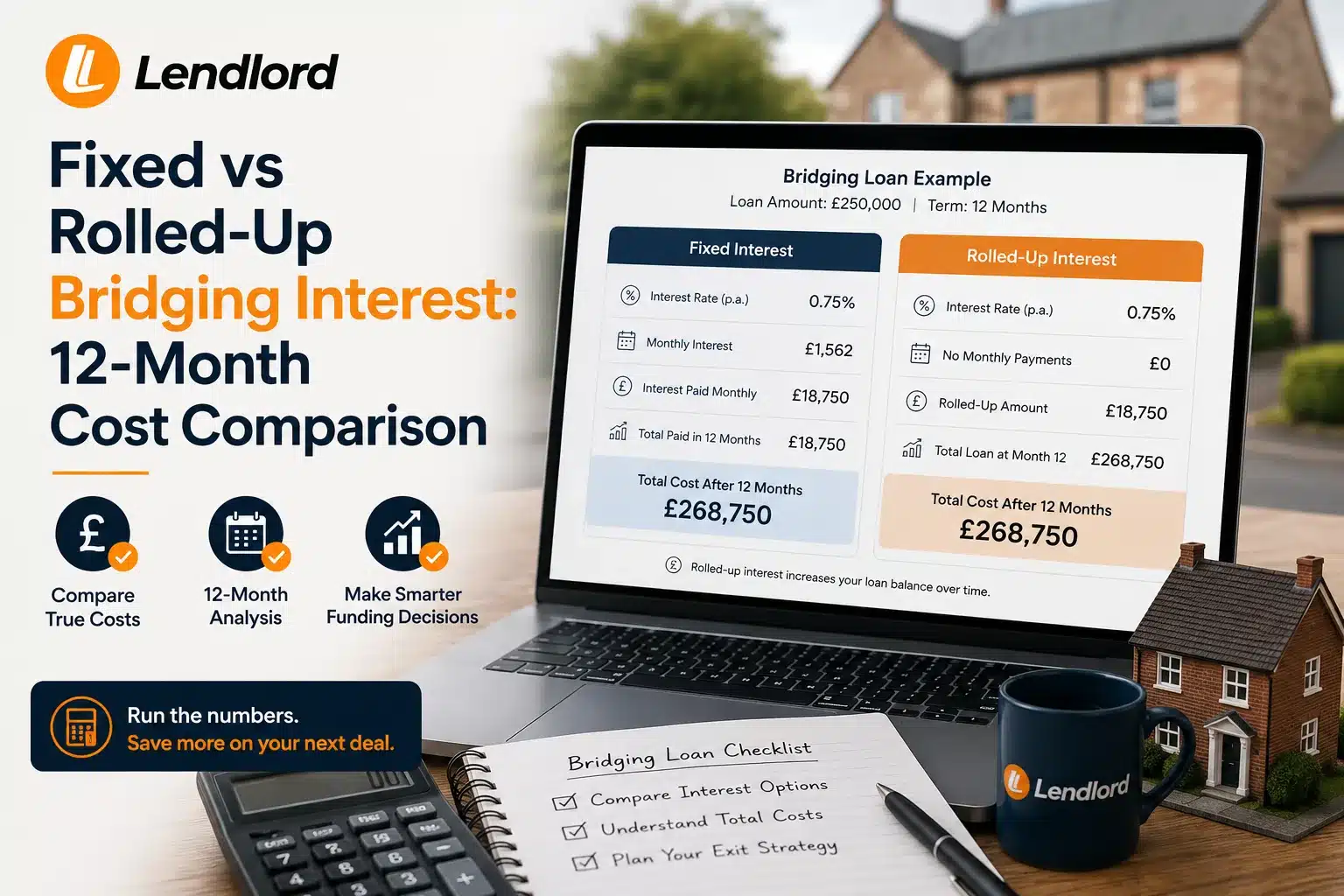
On the same illustrative £200,000 facility at 0.85% pm, serviced interest costs about £1,700 a month from cash flow, while rolled-up interest adds a similar amount to the exit balance over 12 months. Choose by comparing cash-flow capacity versus redemption size, then confirm on a bridging loan calculator with your real fees and term.
This 12-month bridging interest cost comparison contrasts serviced (pay-as-you-go) payments with rolled-up interest on the same illustrative loan. Use it to pressure-test your next auction or refurb bridge, then confirm live figures on the bridging loan calculator.
Exit timing matters
At a glance
- Serviced: Pay interest monthly; lower redemption if you exit on time.
- Rolled-up: Interest accrues; higher day-one cash, higher exit bill.
- 12-month lens: Small rate differences compound when holds stretch.
- Tool: Re-run scenarios on the dynamic calculator linked below.
- Context: See also rolled-up vs retained vs serviced for retained options.
Refinance timing
Illustrative deal assumptions
Teaching figures only: £200,000 gross facility, 0.85% pm interest, 12-month planned term, arrangement fee ignored for clarity so interest structure stands alone. Real quotes add fees, exits and legal costs - always re-price on a calculator.
0.85% pmIllustrative monthly rate used for both structures in this comparisonServiced interest over 12 months
Monthly interest on £200,000 at 0.85% is £1,700. Over 12 months that is £20,400 paid from cash flow, with capital still due at exit. If you redeem in month 8, you may pay only eight months (product terms permitting), which is why serviced can reward an early exit.
The risk is payment discipline during voids or heavy works. If cash flow is tight, serviced interest can force short-term borrowing elsewhere.
Cost comparison
Run serviced and rolled-up on the same deal
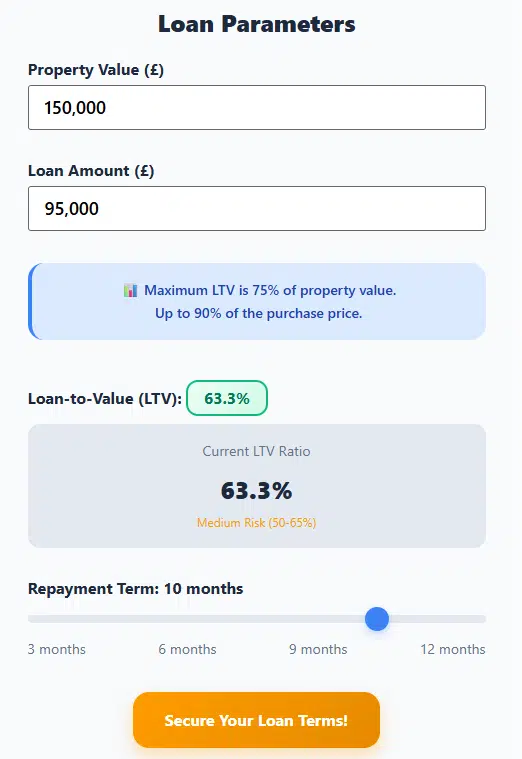
Swap term and interest type on the dynamic calculator so you see monthly cash need and exit balance side by side.
Compare structures on live ratesRolled-up interest over 12 months
Rolled-up interest on the same facility accrues to roughly £20,400 over 12 months and is added to the redemption balance (exact compounding rules vary by lender). You preserve cash for works, but the exit must clear a larger figure.
For refurb timelines that routinely slip, model 12 months even if you hope for 6. Our refurbishment bridging case study shows why works buffers and interest buffers move together.

Side-by-side decision grid
| Factor | Serviced | Rolled-up |
|---|---|---|
| Day-one cash | Full net advance (after fees) | Full net advance (after fees) |
| During term | £1,700 / month illustrative | No monthly interest bill |
| Exit balance | Capital (+ fees) | Capital + accrued interest (+ fees) |
| Best when | Strong cash flow, uncertain exit date | Works need every pound of liquidity |
Retained interest is a third path - interest deducted upfront - covered in the interest-types guide above. Requirements and pricing context sit in the bridging loan calculator rates and requirements guide and the hub top bridging calculator hub.
How to run this on your deal
Enter purchase price, LTV, rate and term twice on the dynamic calculator - once serviced, once rolled-up. Compare net advance, monthly cash need and redemption. Then prepare the file with our application documents checklist and application assessment anatomy.
Run both structures on your numbers
Swap term and interest type on the dynamic calculator before you choose a product.
Open the bridging loan calculatorFrequently asked questions
Is rolled-up interest always more expensive?
Over a full term it often produces a higher redemption figure, but it can free cash for works. Compare net advance and total repayment on the same deal before deciding.
What does fixed mean here?
In this guide, fixed means a known monthly (serviced) interest cost during the hold - not a multi-year mortgage fix. Bridging terms remain short.
How do I model this myself?
Use a dynamic bridging cost calculator with the same purchase price, LTV and term under each structure, then stress-test a longer hold.
When should I prefer serviced interest?
When cash flow can cover monthly payments and you want a lower redemption balance, especially if the exit date is uncertain.

Expert insight from Claire Harris, Bridging Loan Specialist · Director of Growth, 12+ years in loans and lending · Last updated August 2026
Official data sources
- Bank of England - Bank Rate and short-term market rates influencing bridging pricing.
- FCA - product information standards for comparing credit costs.
- Lendlord dynamic bridging calculator for scenario modelling (August 2026).