The BoE Held Rates at 3.75%. Your Remortgage Math Just Changed
Published · Updated · 6 min read
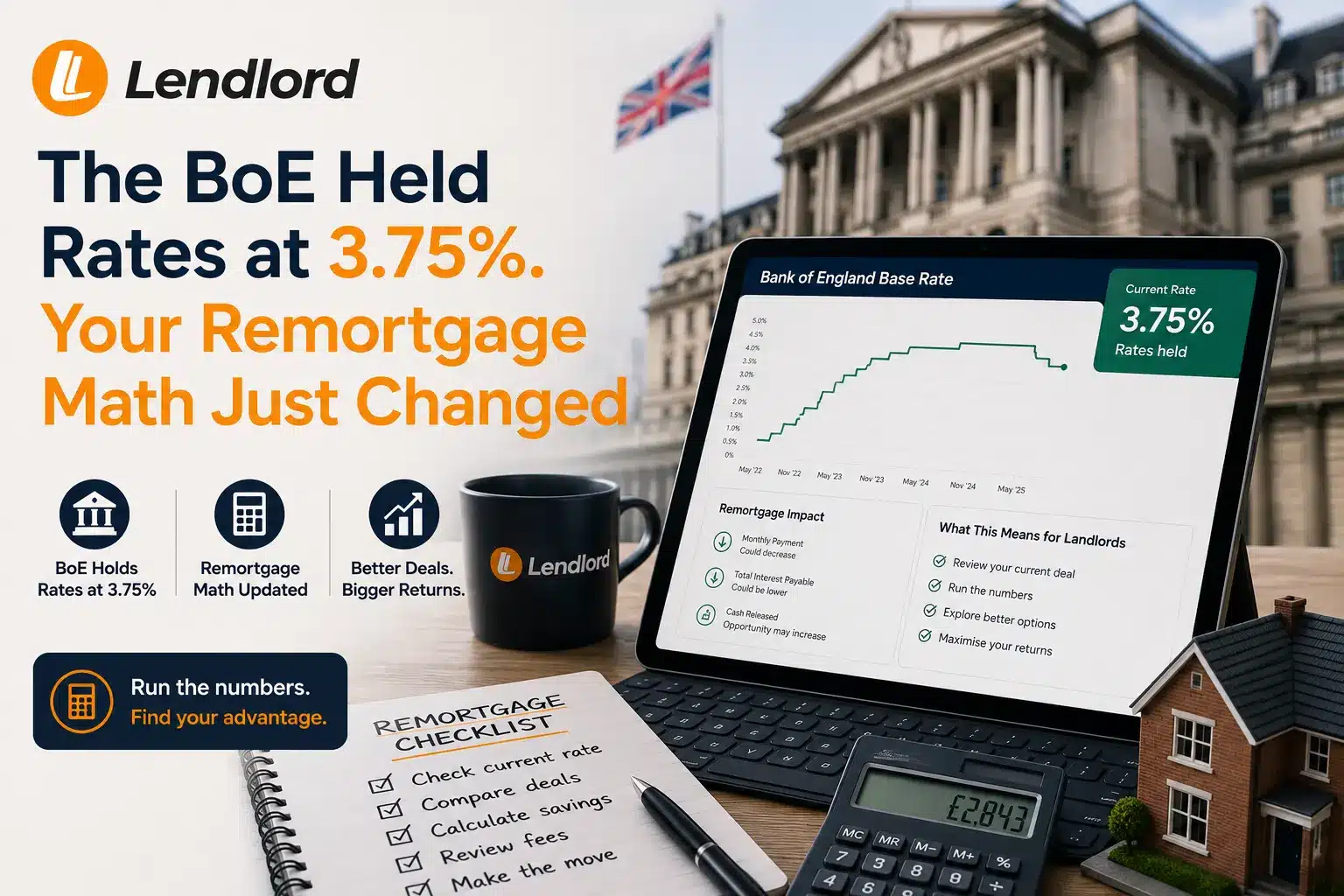
The Bank of England held Bank Rate at 3.75% on 30 July 2026, giving landlords a stable base to plan the next remortgage rather than wait for a cut that may not arrive. The overlooked move is to re-run ICR affordability and monthly payments now, then compare a 2-year fix with a 5-year fix, because longer fixes often use a lower stress rate and can raise your maximum loan on the same rent.
This briefing is for UK landlords and portfolio investors whose buy-to-let deal is ending, or who are sizing a remortgage while Bank Rate sits at 3.75%. You will see why a hold can be an opportunity, how to use a buy to let mortgage calculator for ICR and payments, and why switching product term can change borrowing power more than waiting for the next MPC headline.
At a glance
- Decision: Bank of England held Bank Rate at 3.75% on 30 July 2026 (fifth consecutive hold).
- Opportunity: Use the pause to remortgage with clear numbers, not to wait indefinitely for a cut.
- Market context: Fixed BTL pricing can still move on swap rates even when Bank Rate is unchanged.
- Calculator focus: Run Affordability (ICR) and Monthly Payments on the same rent and rate.
- 5-year edge: Longer fixes often allow a lower stress rate, which can raise maximum loan size.
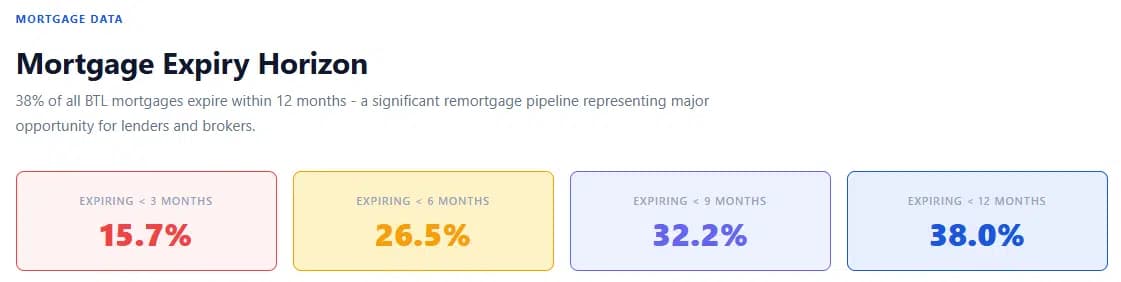
- Pipeline: Lendlord market intelligence shows a large share of BTL mortgages expire within 12 months, so remortgage planning is mainstream, not niche.
Don't wait on the next BoE move
BTL calculator
Run your remortgage numbers while Bank Rate is steady
Use the UK buy-to-let mortgage calculator to stress-test affordability, compare monthly payments, and see how a 2-year versus 5-year fix can change your maximum loan on the same rent.
Open the BTL calculatorWhat the 3.75% hold really means for landlords
A Bank Rate hold is planning certainty, not a promise that your mortgage price stays frozen. On 30 July 2026 the MPC kept Bank Rate at 3.75%, with a split vote that still leaves room for later rises. For landlords, the useful response is to model today's remortgage, not to pause every decision until September.
Fixed buy-to-let rates track swap markets and lender appetite as much as Bank Rate. That is why the productive question after a hold is: what max loan and monthly payment do I get on my current rent if I act now?
Step 1: remortgage with ICR and payment certainty
Start with PRA-style affordability, then check the monthly payment you can actually live with. Enter monthly rent, borrower type (individual or limited company), tax band where relevant, and a realistic product rate. The buy to let mortgage calculator applies Interest Coverage Ratio stress testing so you see maximum loan before you fall in love with a headline rate.
Next, open the payments tab and compare interest-only with capital-and-interest on the same loan amount. Interest-only can free cash flow for portfolio growth; repayment builds equity faster. Either way, you leave the hold with a plan instead of a guess.
What to do after a 3.75% hold
Step 2: the 5-year fix that can raise your max loan
Here is the remortgage math many landlords miss after a rate hold: product length can change borrowing power more than waiting for a 0.25pp cut. On the affordability calculator, toggle between a 2-year fixed and a 5-year fixed. Lendlord's tool notes that 5-year fixes often use a lower stress rate, which can increase the maximum loan on identical rental income.
That does not mean every landlord should take five years. It means you should quantify the trade-off: more borrowing capacity and longer rate certainty versus less frequent remortgage flexibility. Run both terms, then compare monthly payments on the loan size each term actually supports.
| Check | Why it matters | Tool |
|---|---|---|
| Monthly rent (realistic) | Drives ICR max loan | Affordability + optional Rent Estimator |
| Individual vs Ltd Co | Changes ICR / underwriting path | Affordability borrower type |
| 2-year vs 5-year fix | Stress rate can change max loan | Affordability product term |
| Interest-only vs repayment | Cash flow vs equity build | Monthly Payment Calculator |
| Today's market rate assumption | Hold does not freeze fixed pricing | Interest rate field (~5.5% 5yr BTL context on calculator) |
Worked example: same rent, different product term
Keep the rent fixed and only change product term so the lesson is clean. Imagine a limited-company single let with £1,500 monthly rent. First calculate maximum loan on a 2-year fix at a current market rate. Then switch to a 5-year fix and recalculate. If the stress rate falls, max loan often rises even though Bank Rate did not move.
Finally, drop each max-loan figure into the payments calculator. You will see whether the higher loan still produces acceptable monthly cash flow on interest-only or repayment. That is the positive remortgage play after a hold: certainty to plan, plus a term switch that can unlock capacity.
When to stop calculating and talk to a lender panel
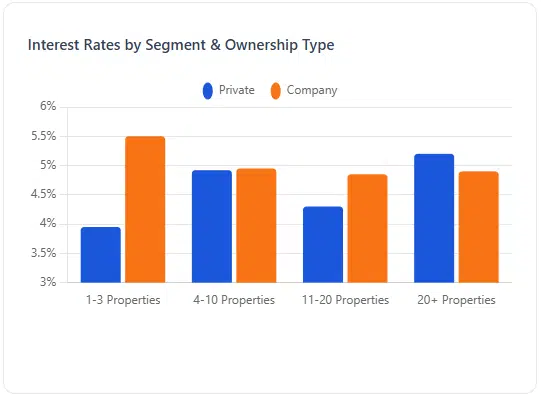
The calculator is for illustration; live products decide the real outcome. Once you know the loan size and payment band that work, compare live buy-to-let options across lenders and submit a remortgage enquiry with clean figures. Portfolio landlords should also watch expiry concentration so several deals do not hit the reversion rate in the same quarter.
Remortgage next step
Turn calculator results into a remortgage enquiry
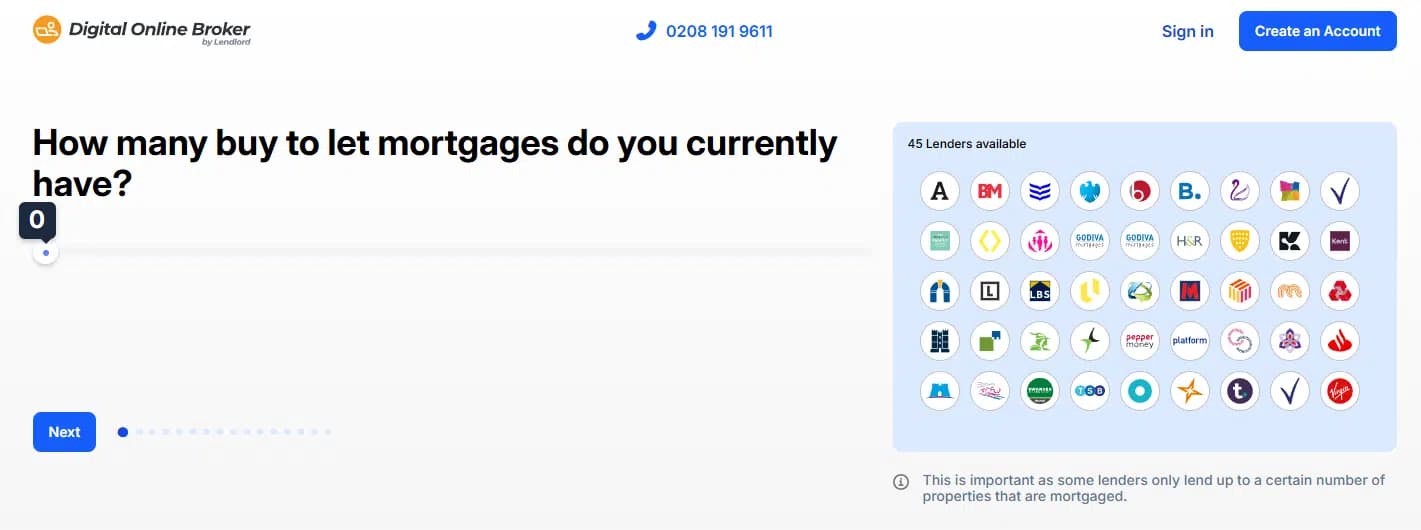
When your ICR and payment numbers look right, start an online buy-to-let remortgage enquiry and match options across specialist lenders.
Start a remortgage enquiry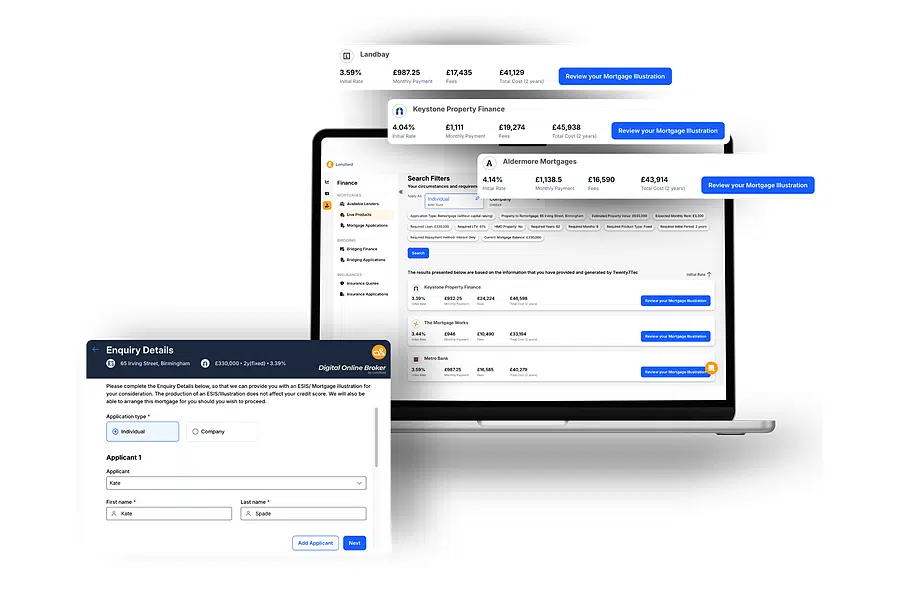
How lenders calculate BTL borrowing
Frequently asked questions
Does a Bank Rate hold mean my buy-to-let mortgage rate stays the same?
No. Bank Rate is only one input. Fixed buy-to-let deals are priced off swap rates and lender margins, so fixes can rise even when the Bank holds. Re-run affordability and payments when your product is near expiry. Start with Lendlord's UK buy-to-let mortgage calculator.
Why can a 5-year fixed buy-to-let loan borrow more than a 2-year fix?
Many lenders apply a lower stress rate on longer fixes, which can raise the maximum loan on the same rent under PRA-style ICR tests. Always compare both terms on the same rental income. Model it in the affordability calculator.
Should I wait for a rate cut before I remortgage?
Usually no if your deal ends soon. A hold can give planning certainty, but waiting for a cut that may not arrive can leave you on a higher reversion rate. Compare today's max loan and monthly cost now, then speak to a broker. Use the BTL calculator, then start a remortgage enquiry.
What figures should UK landlords enter into a buy to let mortgage calculator?
Enter realistic monthly rent, borrower type (individual or limited company), tax band where relevant, product term, and a current market interest rate. Then check interest-only versus repayment payments. Lendlord's buy to let mortgage calculator covers affordability, payments, yield and stamp duty in one place.
Plan your remortgage while Bank Rate is steady
Re-run affordability, compare monthly payments, and test 2-year versus 5-year borrowing power on the same rent. Then match live products when the numbers work. Open the UK buy-to-let mortgage calculator or compare mortgage options with Lendlord.
A rate hold is a planning window. Use it.
Calculate your remortgage nowRelated Lendlord tools and guides

Expert insight from Simmy Kaur, Director of Buy to Let Mortgages · Financial Reporter's 30 Under 30 2025 · Last updated July 2026
Director of Buy to Let Mortgages at Lendlord. Recognized by Financial Reporter's 30 Under 30 2025 for excellence in BTL finance, advising landlords on mortgages, remortgages, portfolio lending, and lender comparisons.