7 Common Landlord Insurance Claims That Could Have Been Prevented
Published · Updated · 5 min read
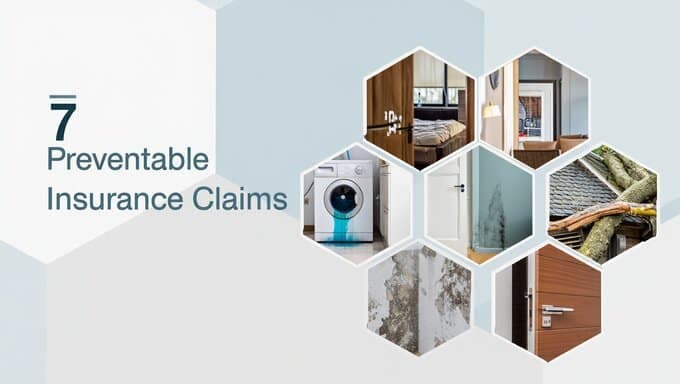
As a property investor, protecting your rental investment should be a top priority. Recent data reveals that landlord insurance claims have risen by 21% in the past year, with the average claim now exceeding £4,200. What's most concerning is that many of these costly claims could have been avoided with proper preventive measures.
In this guide, we'll examine the seven most common landlord insurance claims in the UK and provide practical prevention strategies for each one, potentially saving you thousands in excess payments and premium increases.
Landlord Insurance Claims Increase in 2025
Source: Hamilton Fraser Total Landlord Insurance, 2025
1. Escape of Water Damage
Water damage accounts for approximately one-third of all landlord insurance claims, with an average payout of £4,235, according to Hamilton Fraser Total Landlord Insurance. These claims typically result from burst pipes, leaking appliances, or faulty plumbing fixtures.
Landlord Insurance Claims by Type
Source: Association of British Insurers (ABI), 2025
Prevention Strategy:
✓ Schedule annual plumbing inspections to identify potential issues before they escalate
✓ Install smart water leak detection systems that alert you to unusual water flow in real-time
✓ Insulate pipes in lofts and external walls to prevent freezing during winter months
✓ Provide tenants with clear instructions on locating stopcock valves for emergencies
✓ Consider IoT devices that allow remote monitoring and automatic shutoff of water systems
"Installing a modern water leak detection system can reduce the risk of significant water damage by 95% and save an average of £3,800 per claim. Smart systems that integrate with home automation hubs provide the highest level of protection." - British Insurance Brokers' Association Research, 2025
2. Storm and Weather-Related Damage
With increasingly extreme weather patterns in the UK due to climate change, storm damage claims have risen dramatically, covering everything from roof damage to flooding and fallen trees.
Storm Damage Claims Frequency by Season
Source: UK Met Office & Royal Institute of Chartered Surveyors (RICS), 2025
Prevention Strategy:
✓ Conduct quarterly roof inspections, with special focus before winter storms
✓ Install advanced gutter systems with leaf guards and automatic drain clearing
✓ Secure or remove loose items from gardens and exterior spaces
✓ Implement reinforced storm barriers in flood-prone areas
✓ Install weather monitoring systems that provide early warnings for severe conditions
"With the increasing intensity of UK storms due to climate change, proactive maintenance can prevent up to 75% of storm-related damage claims. Modern storm barriers and impact-resistant materials provide superior protection compared to traditional methods." - Property Risk Inspection Ltd., 2025
3. Fire Damage
While less common than water damage, fire incidents typically result in the highest average claim amounts due to their devastating nature.
Average Cost of Fire Damage Claims
Source: Association of British Insurers Fire Research, 2025
Prevention Strategy:
✓ Install smart interconnected smoke detection systems with mobile alerts
✓ Provide modern fire extinguishers and fire-resistant blankets in kitchens
✓ Schedule comprehensive electrical safety checks every 6 months
✓ Install surge protectors for all major appliances and electronics
✓ Consider advanced heat detection systems with AI-powered early warning capabilities
"The latest generation of AI-powered smoke detection systems can identify potential fires up to 4 minutes earlier than traditional alarms, reducing average fire claim costs by 60%. Properties with integrated smart fire prevention technology see 85% fewer serious fire incidents." - Fire Protection Association, 2025
4. Theft and Break-ins
Security breaches remain a significant concern, particularly for properties in urban areas or those left vacant between tenancies, with advanced break-in techniques requiring more sophisticated security solutions.
Most Common Entry Points in Landlord Theft Claims
Source: Direct Line for Business Landlord Insurance Data, 2025
Prevention Strategy:
✓ Install biometric or smart lock systems for doors and windows with tamper alerts
✓ Deploy AI-powered security cameras with motion detection and mobile notifications
✓ Install integrated burglar alarm systems with direct connection to security services
✓ Use automated light and sound simulation when properties are vacant
✓ Install reinforced door frames and windows with multi-point locking systems
"Modern AI-powered security systems can reduce break-ins by up to 92% in high-risk areas. The integration of smart locks, cameras, and alarm systems provides a comprehensive security ecosystem that deters most intruders before any damage occurs." - National Security Institute, 2025
5. Malicious Damage by Tenants
Damage deliberately caused by tenants now ranks as the second most common insurance claim by landlords, with incidents rising significantly in the post-pandemic rental market.
Tenant-Related Damage Claims Trend
Source: National Landlords Association Survey Data, 2025
Prevention Strategy:
✓ Implement advanced digital tenant screening with AI-driven risk assessment
✓ Use blockchain-verified tenant references and rental history
✓ Conduct 3D property scans and digital inventory before each tenancy
✓ Install non-invasive property monitoring sensors for monthly remote inspections
✓ Develop tenant relationship management systems with regular automated check-ins
✓ Consider specialized insurance riders for high-risk tenant profiles
"Advanced tenant screening technologies utilizing AI and blockchain verification have shown to reduce malicious damage incidents by up to 93%. Landlords using digital property monitoring solutions report 82% fewer significant property damage incidents and improved tenant satisfaction." - Residential Landlords Association Research, 2025
6. Accidental Damage
Distinct from malicious damage, accidental damage claims cover unintentional incidents like spilled wine on carpets or furniture damage, with modern materials making remediation increasingly costly.
Most Common Accidental Damage Claims
Source: Saga Landlord Insurance Claims Analysis, 2025
Prevention Strategy:
✓ Install nanomaterial protective coatings on high-value surfaces
✓ Use smart-home tutorials and training for tenants on proper equipment use
✓ Deploy self-monitoring appliances that alert before failures occur
✓ Install stain-resistant and self-cleaning materials in high-traffic areas
✓ Implement digital maintenance guides with AR tutorials for tenant use
"New nanomaterial protective treatments can reduce surface damage repair costs by up to 68%. Property managers implementing comprehensive tenant onboarding for smart home systems report 54% fewer accidental damage claims related to technology integration." - British Property Federation, 2025
7. Subsidence and Structural Issues
While less frequent, subsidence claims remain among the most expensive, with average payouts now exceeding £9,800. Climate change has increased these incidents due to more extreme weather cycles affecting soil conditions.
Subsidence Claims Cost vs Frequency
Source: Building Research Establishment & UK Subsidence Forum, 2025
Prevention Strategy:
✓ Install ground movement sensors connected to real-time monitoring systems
✓ Implement advanced drainage solutions using climate adaptation technology
✓ Conduct 3D structural surveys using drone and LiDAR technology
✓ Consider micropile foundation reinforcement for at-risk properties
✓ Install smart moisture monitoring systems around foundations
"Real-time monitoring systems with ground movement alerts can reduce subsidence claim costs by up to 87%. Early intervention using predictive AI models has proven highly effective at identifying potential structural issues months before visible signs appear." - Chartered Institute of Building & Climate Adaptation Council, 2025
The Value of Prevention
While no prevention strategy can eliminate all risks, implementing modern technological solutions can significantly reduce your chances of facing a costly claim. Many insurers now offer substantial premium discounts for properties with integrated smart monitoring and security systems, providing immediate financial benefits beyond claim prevention.
Remember that comprehensive landlord insurance remains essential even with the best prevention strategies in place. The latest policies now include coverage for emerging risks like cyber-threats to smart home systems and climate adaptation costs.
By combining AI-driven risk assessment, IoT-enabled preventive monitoring, and specialized insurance coverage, you can protect your rental property while potentially saving thousands in avoidable claims and premium increases.
Cost vs. Benefit of Preventive Measures
Source: UK Landlord Investment Analysis & PropTech Innovation Council, 2025
© 2025 Lendlord. All rights reserved.
Related News