Autumn Budget 2025: Navigating Tax Changes and Adapting Your Property Investment Strategy
Published · Updated · 12 min read

With rumours of new National Insurance on rental income, tighter Capital Gains Tax rules and a Stamp Duty overhaul, UK landlords should prepare for major shifts when the Chancellor delivers the Autumn Budget on 26 November 2025. This comprehensive guide examines the expected tax changes and explores which investment strategies-from buy-to-let and flipping to BRRR and incorporation-may prove most resilient.
By Elli EdIntroduction
As the UK government prepares to unveil the Autumn Budget on 26 November 2025, landlords and property investors are bracing for what could be the most significant tax reforms affecting the property sector in recent years. While specific measures will only be confirmed upon the budget's release, multiple sources indicate that several proposals are under serious consideration by the Treasury.
This comprehensive guide examines the potential tax changes on the horizon and explores which property investment strategies-from buy-to-let and flipping to BRRR and incorporation-may prove most resilient in navigating these changes.
Key Statistics: Potential Tax Impact on UK Landlords
Likely Measures Affecting Landlords & Investors
1. National Insurance Contributions (NICs) on Rental Income
The government is reportedly considering charging NICs on rental income, aligning landlords' tax obligations more closely with those of self-employed individuals. According to various sources including RSM UK, Fidelity International, and Property Reporter, the Treasury is contemplating imposing an 8% NIC levy on rental profits.
For detailed information about the 8% National Insurance Tax and its implications, landlords should prepare for significant changes to their tax obligations.
Financial Impact: This change could generate approximately £2–3 billion annually for the Treasury. For landlords, this represents a significant additional tax burden, with estimates suggesting a 10% reduction in net returns for affected landlords. All landlords earning rental income above the NIC threshold would be impacted, particularly those with multiple properties or high rental yields.
Buy-to-Let Deal Analysis: 30 Saint Mary Axe, London EC3A 8BF
Using Lendlord's comprehensive Buy to Let Calculator, we've analyzed a prime London property to demonstrate how the proposed 8% National Insurance on rental income could impact your investment returns.
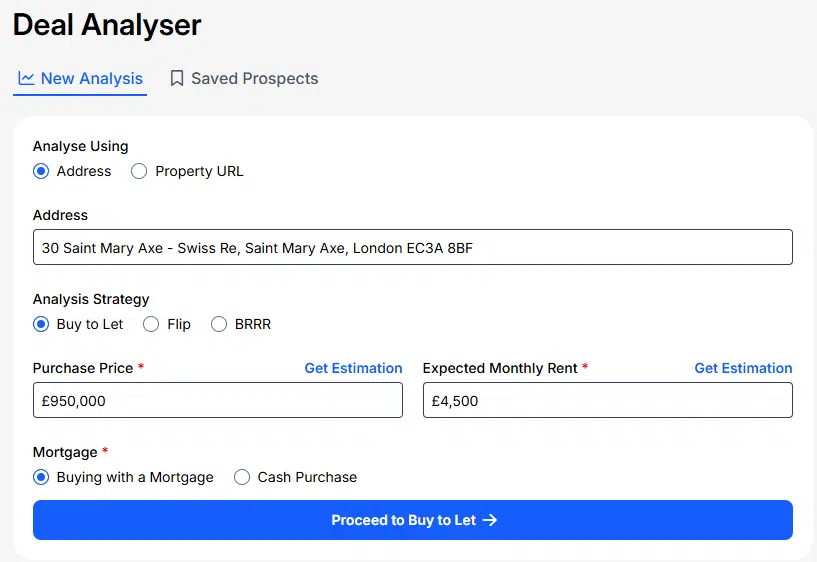
Figure 1: Comprehensive buy-to-let deal analysis showing projected returns, cash flow, and ROI for 30 Saint Mary Axe, London EC3A 8BF

Figure 2: Market comparables analysis demonstrating property valuation and rental yield benchmarks for the area
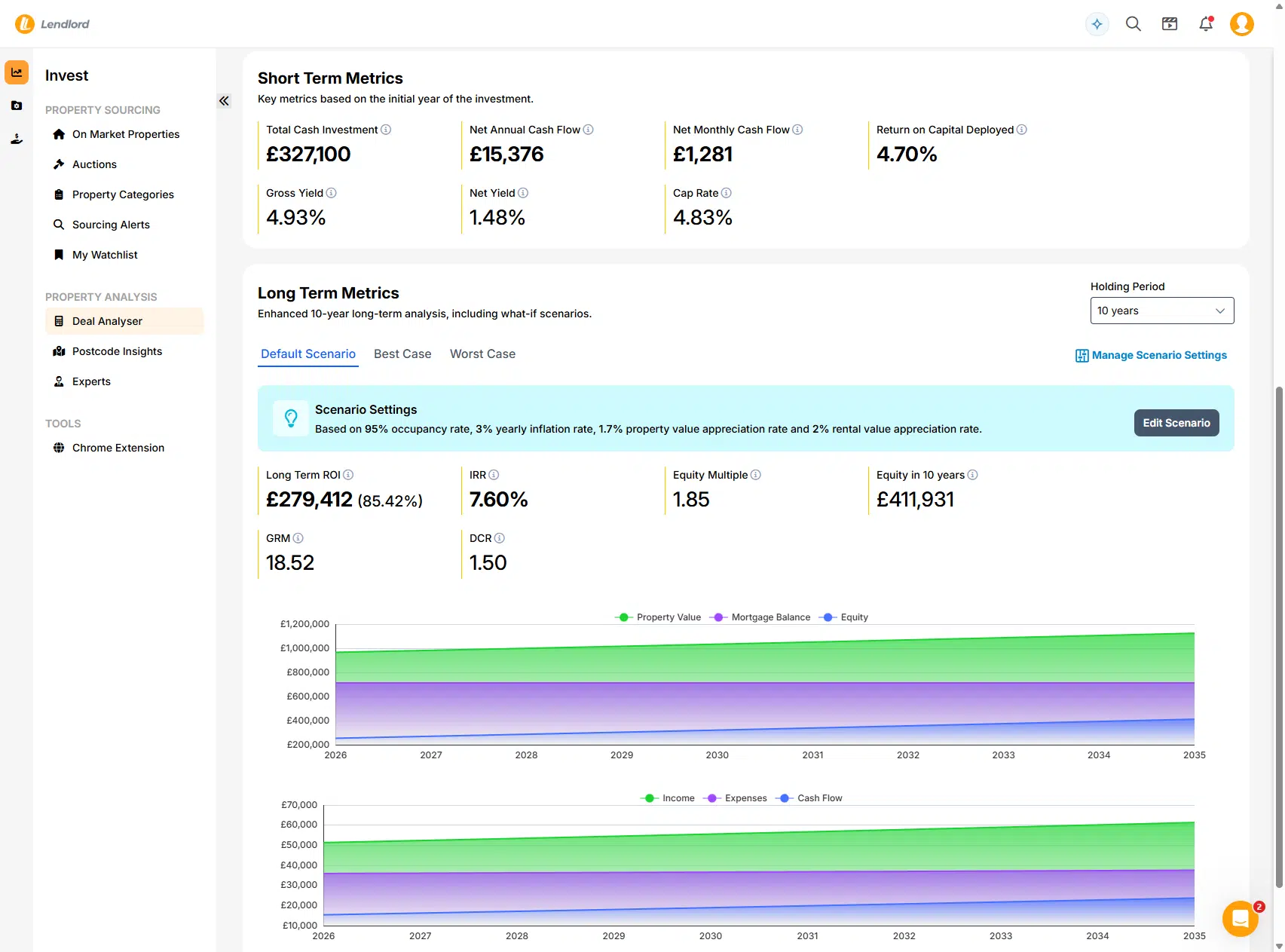
Figure 3: Short-term financial projections showing monthly cash flow and annual profitability metrics
This analysis demonstrates how critical it is to model various tax scenarios before making investment decisions. The calculator helps you understand the impact of potential 8% NICs, increased CGT rates, and annual property taxes on your projected returns.
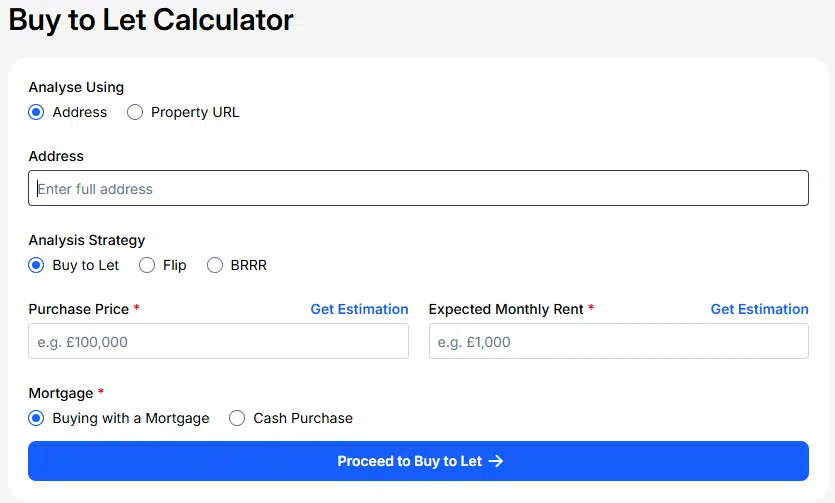
Calculate Your Buy to Let Returns
Use Lendlord's Buy to Let Calculator to analyze your rental property investment, estimate rental yields, cash flow, and make informed investment decisions in seconds.
Try Free Calculator →✓ Free to use•✓ Instant results•✓ No sign-up needed
2. Overhaul of Property Taxes: Stamp Duty Land Tax (SDLT) Reform
Discussions are underway about replacing the existing SDLT system with an annual property tax or property-value-based tax, especially for homes valued above certain thresholds (e.g., £500,000+). According to sources such as Enact and UK Property Accountants, this shift would transition the tax burden from a one-time payment at purchase to a recurring annual charge, potentially replacing both SDLT and council tax with a single annual levy.
SDLT Reform Impact Analysis
| Property Value | Current SDLT (One-time) | Proposed Annual Tax (Estimated) | 10-Year Total |
|---|---|---|---|
| £500,000 | £15,000 | £2,000/year | £20,000 |
| £750,000 | £27,500 | £4,500/year | £45,000 |
| £1,000,000 | £43,750 | £7,500/year | £75,000 |
| £2,000,000 | £153,750 | £20,000/year | £200,000 |
Financial Impact: This reform could significantly affect property valuations and market liquidity, disproportionately impacting homeowners and landlords in high-value areas (particularly London and the South East). Property owners with homes valued over £500,000, landlords holding premium properties, and buy-to-let investors would all face significant impact.
3. Tightening of Capital Gains Tax (CGT) Reliefs
According to sources including Enact, the government is considering aligning CGT rates more closely with income tax bands, potentially raising the top rate from 24% to 45%, further reducing or restricting CGT exemption allowances, and tightening reliefs for property sales, including restrictions on Private Residence Relief for properties above a certain value (e.g., £1.5 million).
Financial Impact: These changes would result in significantly higher tax bills on property disposals, reduced net proceeds for landlords selling properties, and may affect the viability of "flip" strategies (buy, renovate, sell). Landlords planning to sell properties, investors who renovate and sell properties, and high-net-worth individuals with properties valued over £1.5 million would all be significantly impacted.
For comprehensive guidance on Exit Tax implications and planning strategies, property investors should consult with tax professionals.
Property Flip Analysis: Abbey Road, London
Fun Fact: Abbey Road is world-famous as the location where The Beatles recorded their iconic 1969 album "Abbey Road," featuring the legendary zebra crossing that has become a cultural landmark.
Using Lendlord's Property Flip Calculator, we've analyzed a property flip scenario to show how higher CGT rates (potentially increasing from 24% to 45%) could affect your profit margins.
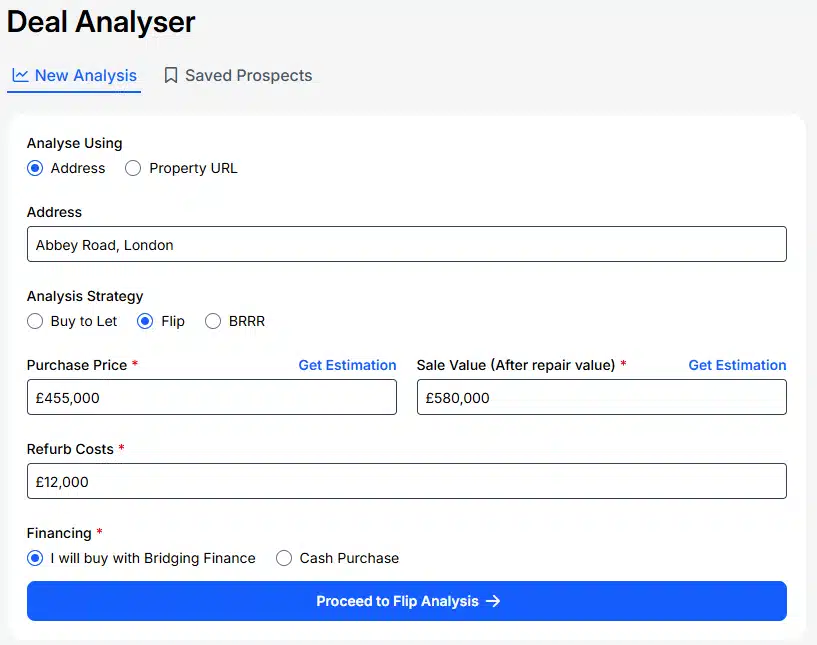
Figure 4: Lendlord Property Flip Calculator interface showing renovation costs, projected sale price, and profit calculations
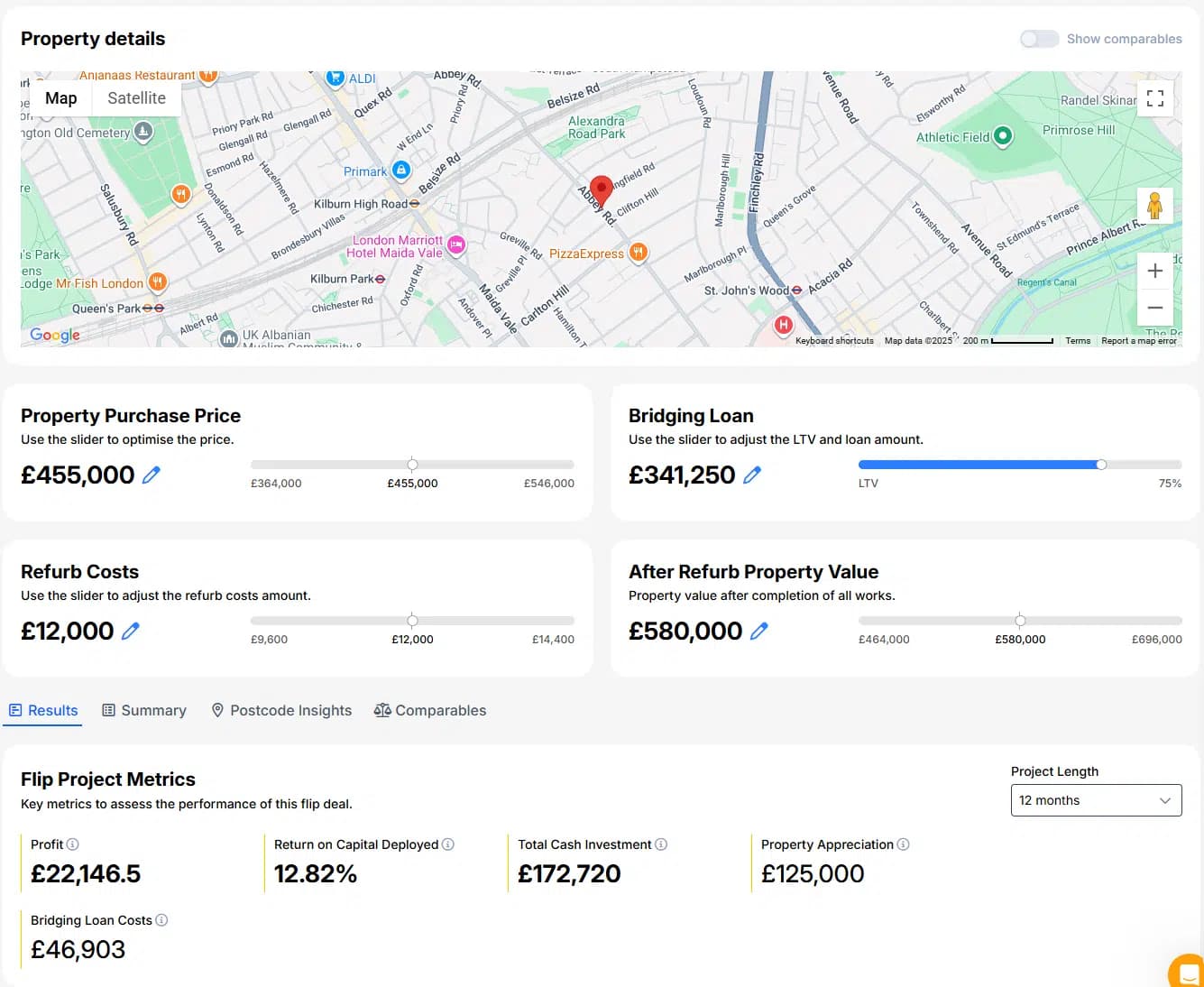
Figure 5: Detailed flip analysis for Abbey Road property demonstrating impact of higher CGT rates (24% to 45%) on net profit margins
This analysis highlights the importance of substantial value creation through renovation when CGT rates potentially increase from 24% to 45%. The calculator helps you determine whether a flip remains viable after accounting for higher exit taxes.
4. Increased Tax Burden on Higher-Value Properties ("Mansion Tax")
According to sources such as Saffery, proposals include an annual charge of 1% on the value of properties exceeding £2 million (e.g., a £5 million property could face an annual tax charge of £30,000). Additionally, there are proposals for removing the CGT exemption provided by Private Residence Relief on the sale of main residences valued over £1.5 million.
Financial Impact: This would create an increased annual tax burden for owners of premium properties and reduced net proceeds on sale of high-value properties. Property owners with homes valued over £2 million, landlords holding premium rental properties, and high-net-worth individuals would face significant new tax obligations.
5. The Effect on Yields and Investment Viability
With the combination of potential new taxes and charges, landlords may face higher running costs (annual property taxes, potential NICs on rental income), higher exit costs (increased CGT rates, reduced reliefs), and lower net yields as costs increase and the gap between rental income and net profit narrows.
Projected Yield Impact Analysis
Based on expert analysis, here's how different tax scenarios could affect typical buy-to-let yields:
| Scenario | Current Yield | With 8% NICs | With NICs + Annual Tax | With All Changes |
|---|---|---|---|---|
| £500k Property (5% yield) | 5.0% | 4.6% | 4.1% | 3.5% |
| £750k Property (4.5% yield) | 4.5% | 4.1% | 3.4% | 2.8% |
| £1m Property (4% yield) | 4.0% | 3.7% | 3.0% | 2.3% |
Impact of Tax Changes on Property Yields - Before and After
Chart 1: Comparison of net property yields before and after proposed tax changes. Shows significant yield reduction across all property value ranges, with higher-value properties experiencing the most substantial impact.
Financial Impact: According to sources such as Menzies LLP, lower net yields may make property investment less attractive compared to other asset classes. All landlords would be affected, but particularly those with high-value properties, multiple properties, properties in premium locations, or tight profit margins.
6. Regulatory and Compliance Burdens
The Renters' Rights Act 2025 is set to introduce further changes, including the abolition of 'no-fault' evictions (Section 21 notices), introduction of rolling periodic tenancies, enhanced tenant protections, and potentially stricter property standards and maintenance requirements.
For detailed information about the New UK Tenant Laws and their implications for landlords, stay informed about upcoming regulatory changes.
Financial Impact: These changes would result in increased operational costs for landlords, reduced flexibility in managing tenancies, and may require investment in property improvements to meet new standards. All landlords in the private rental sector would be affected, particularly those who rely on Section 21 for portfolio management or smaller landlords with limited resources for compliance.
What This Means Practically for You
1. Financial Modelling and Scenario Planning
If you're a landlord or investor, you need to model for higher tax or charge scenarios. For NICs on rental income, calculate the impact of an 8% NIC on your rental profits (e.g., £50,000 annual rental profit would add £4,000 to your tax bill). For increased CGT on disposal, model scenarios with CGT rates at 45% instead of 24% (on a £200,000 gain, the difference could be £42,000). For new annual property taxes, estimate annual charges on properties over £500,000 or £2 million.
Cumulative Financial Impact of Tax Changes
Chart 2: Stacked bar chart showing cumulative annual tax burden by property value. Demonstrates how 8% NICs, annual property taxes, and mansion tax combine to create significantly higher costs for premium properties (£2m+).
Consult with your accountant or tax advisor, use property investment calculators updated for potential new tax scenarios, and stress-test your current profitability against various tax increase scenarios.
2. Review Your Holding Structure
Evaluate whether your current holding structure remains optimal. Personal ownership may become less attractive if NICs are introduced on rental income, while company/SPV structures may offer advantages if corporate tax rates remain lower than combined income tax and NICs. Corporate structures may provide NIC mitigation, but have their own tax implications (corporation tax, dividend tax). Professional advice is essential before making structural changes, especially before the Budget announcement.
3. Evaluate Your Property Portfolio
Assess how proposed changes may affect different parts of your portfolio. Premium properties valued over £500,000 or £2 million may face additional annual taxes. High-value areas such as London and the South East may face disproportionate impact. Consider whether to sell high-value properties before new taxes take effect, restructure holdings to minimise exposure, or focus on lower-value properties that may be less affected. Evaluate each property's current yield, projected yield after potential tax changes, and exit strategy timing.
4. Keep Costs Under Review and Stay Informed
With possible additional taxes or higher compliance costs, your margin of error shrinks. Ensure rents are set at sustainable levels, review and optimise mortgage arrangements, and build contingency reserves for unexpected costs. Calculate your net yield after all costs (including potential new taxes) and compare property investment returns to alternative investments.
Monitor official sources including government announcements, HMRC guidance, and Treasury statements. The key date to watch is 26 November 2025 when the Autumn Budget will be announced. Prepare and model various scenarios before then, and review confirmed measures and their implications after the announcement.
Ready to Navigate the Tax Changes?
Start analyzing your property investments with Lendlord's comprehensive calculators and stay ahead of the Autumn Budget 2025 changes.
Get Started FreeInvestment Strategies: Which Approaches May Cope Better with Tax Changes?
As landlords and property investors face the prospect of significant tax changes, many are reassessing their investment strategies. Industry experts suggest that certain approaches may be more resilient or better positioned to navigate the evolving tax landscape. Here's what the experts are saying about different property investment strategies:
Traditional Buy-to-Let (BTL) Strategy
Traditional buy-to-let investments are already facing significant headwinds, and the proposed Autumn Budget 2025 changes would add further pressure: increased SDLT surcharges (3% to 5%), higher CGT rates (potentially 24% to 45%), Section 24 restrictions on mortgage interest deductibility, and a potential 8% levy on rental profits.
According to property investment specialists, traditional buy-to-let held personally is becoming increasingly challenging. However, incorporation (holding properties through a limited company) may offer some mitigation. Companies can fully deduct mortgage interest as a business expense, avoiding Section 24 restrictions, and corporation tax rates (19–25%) may be lower than combined income tax and NICs.
Verdict: Traditional BTL is under pressure, but company structures may offer some resilience.
Property Flipping Strategy
Property flipping involves purchasing properties, renovating them to increase value, and selling them at a profit within a relatively short timeframe. Since properties are sold rather than rented, investors avoid potential NICs on rental income, and shorter holding periods may mitigate exposure to long-term annual property taxes.
However, flipping faces significant challenges: if CGT rates increase from 24% to 45%, this would significantly erode profits (e.g., on a £100,000 gain, the tax difference would be £21,000). Higher acquisition costs (5% surcharge) can erode margins, especially on lower-value flips.
Verdict: Marginally better than BTL for avoiding rental income taxes, but significantly impacted by higher CGT rates. Success depends on substantial value creation through renovation.
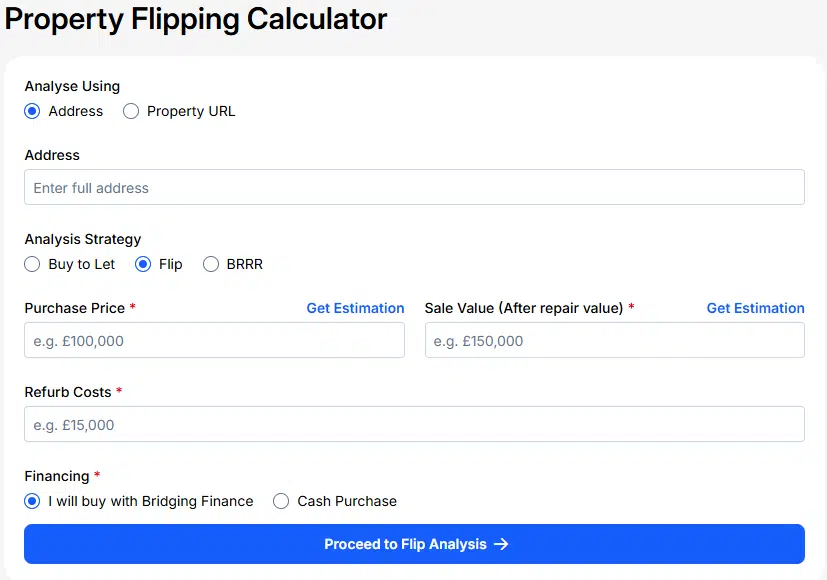
Calculate Your Property Flip Returns
Use Lendlord's Property Flipping Calculator to analyze your deal, estimate profits, and make informed investment decisions in seconds.
Try Free Calculator → Free to use • Instant resultsBRRR (Buy, Refurbish, Rent, Refinance) Strategy
The BRRR strategy involves buying a property (often below market value), refurbishing it to increase value, renting it out to generate income, and refinancing to extract equity for further investments.
According to property investment experts, BRRR may offer several advantages: significant value increases through renovation can offset higher CGT when properties are eventually sold, extracting equity allows portfolio expansion without additional capital, and investors can defer CGT liabilities by focusing on rental income and refinancing. When held in a company structure, BRRR properties can benefit from full mortgage interest relief and potentially lower corporation tax rates.
However, BRRR still faces challenges: if introduced, the 8% levy would affect rental profits, properties over £500,000 would face recurring charges, and higher CGT rates would apply when properties are eventually sold.
Verdict: Potentially more resilient than traditional BTL, especially when combined with company structures. The focus on value creation and refinancing provides flexibility.
BRRR Analysis: Oxford Street, London
Fun Fact: Oxford Street is one of Europe's busiest shopping streets, stretching 1.2 miles and home to over 300 shops. It attracts over 200 million visitors annually, making it a prime location for property investment.
Using Lendlord's Property BRRR Calculator, we've analyzed a BRRR strategy to demonstrate how this approach can help navigate tax changes through value creation and refinancing.
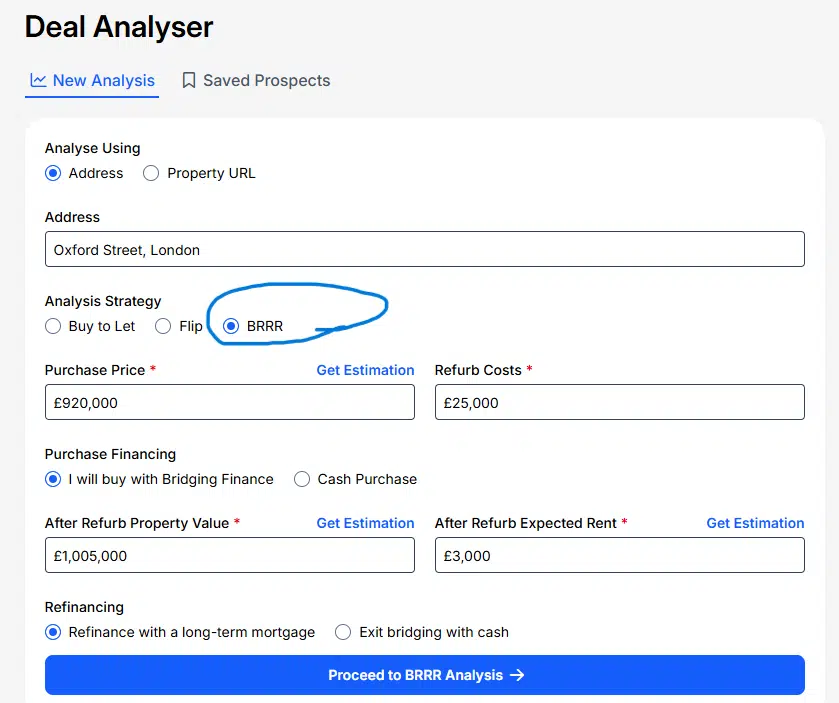
Figure 6: BRRR strategy analysis showing buy, refurbish, rent, and refinance calculations for Oxford Street property
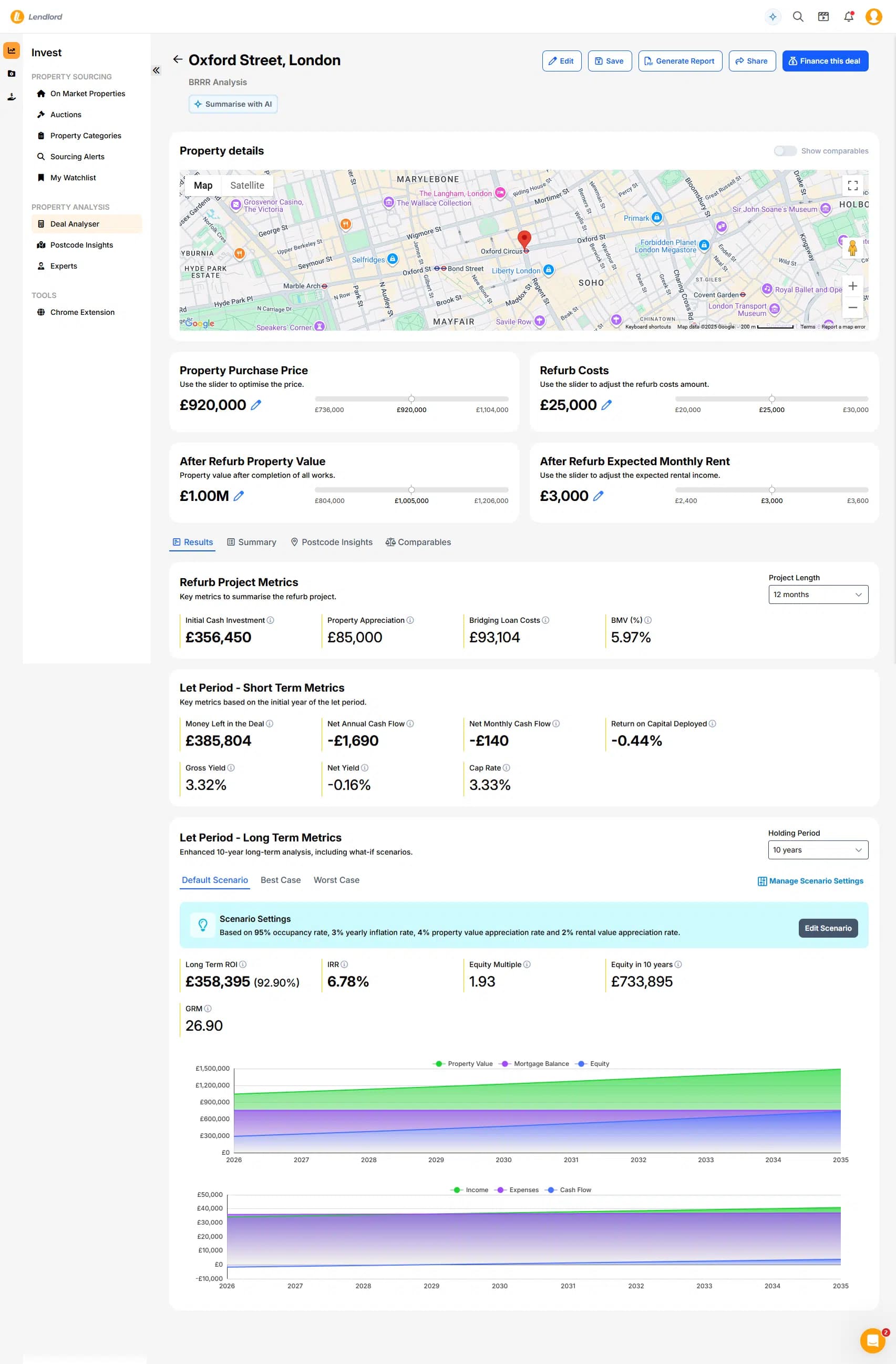
Figure 7: Comprehensive BRRR deal breakdown demonstrating how refinancing can extract equity while deferring CGT liabilities
This analysis shows how the BRRR strategy, especially when combined with incorporation, can provide resilience against tax changes. The calculator demonstrates how refinancing can help you grow your portfolio while deferring CGT liabilities.
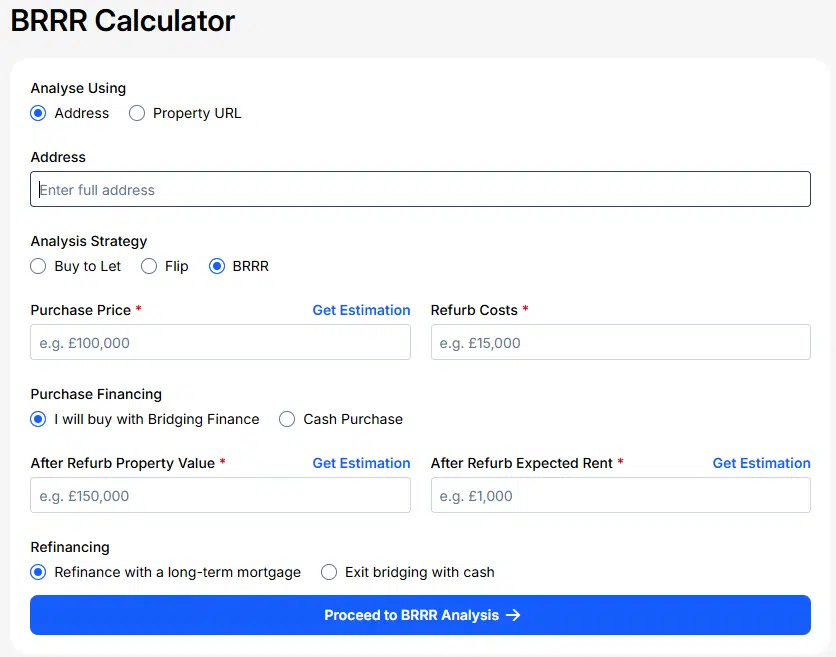
Calculate Your BRRR Returns
Use Lendlord's BRRR Calculator to analyze your Buy, Rehab, Rent, Refinance strategy, estimate returns, and make informed investment decisions in seconds.
Try Free Calculator →Free to use • Instant results
Incorporation: Operating Through a Limited Company
Holding investment properties through a limited company (SPV – Special Purpose Vehicle) rather than personally offers several potential advantages: full mortgage interest deductibility (avoiding Section 24 restrictions), potentially lower corporation tax rates (19–25%) compared to combined income tax and NICs, and potential NIC mitigation if NICs are introduced on personal rental income.
Tax Structure Comparison - Personal vs Company
Chart 3: Bar chart comparing effective tax rates between personal ownership (48%: 40% income tax + 8% NICs) and company structure (25% corporation tax). Illustrates the significant tax advantage of incorporation for higher-rate taxpayers.
However, incorporation has challenges: moving existing properties into a company triggers CGT and SDLT, company mortgages may have higher interest rates, extracting profits involves dividend tax, and companies require annual accounts and compliance filings.
Tax advisors consistently recommend that incorporation should be seriously considered, especially for higher-rate taxpayers, landlords with multiple properties, and those planning to expand portfolios. Professional advice is essential, as the benefits depend on individual circumstances.
Verdict: Highly recommended by experts as a potential mitigation strategy, especially for larger portfolios and higher-rate taxpayers.
Strategy Resilience Comparison
| Strategy | NICs Impact | CGT Impact | Annual Tax Impact | Overall Resilience |
|---|---|---|---|---|
| BRRR + Incorporation | Low (Company structure) | Medium (Deferred) | Medium | High |
| BTL + Incorporation | Low (Company structure) | High (On sale) | High | Medium-High |
| Property Flipping | None (No rental) | Very High (45% rate) | Low (Short hold) | Medium |
| Traditional BTL (Personal) | Very High (8% levy) | High (On sale) | High | Low |
Expert Recommendations Summary
Based on industry expert analysis, here's the strategic hierarchy for coping with potential tax changes:
1. Most Resilient: BRRR Strategy + Incorporation combines value creation, refinancing flexibility, and tax-efficient structures.
2. Moderately Resilient: Property Flipping avoids rental income taxes but faces higher CGT; works best with substantial value-add. Traditional BTL + Incorporation can mitigate some tax burdens.
3. Most Challenged: Traditional BTL (Personal Ownership) faces the full impact of NICs, annual property taxes, and CGT increases.
Key Expert Advice: Professional consultation is essential before making structural changes. Model various scenarios to understand the impact on your specific situation, and be prepared to adapt strategies as tax changes are confirmed. Consider timing, as some changes may be time-sensitive (e.g., incorporating before anti-avoidance rules).
Analyze Your Property Investments Today
Use Lendlord's professional-grade calculators to model how the Autumn Budget 2025 changes could impact your portfolio. Get instant insights into buy-to-let, flipping, and BRRR strategies.
Start Analyzing NowConclusion
The Autumn Budget 2025 on 26 November 2025 has the potential to introduce the most significant tax changes affecting UK landlords and property investors in recent years. The combination of potential NICs on rental income, SDLT reform, CGT tightening, mansion tax proposals, and increased regulatory burdens could fundamentally reshape the property investment landscape.
The key message for landlords and property investors is: understand the changes and adapt your strategy now.
Successfully navigating the Autumn Budget 2025 requires a two-pronged approach: first, understanding the tax changes and their implications for your portfolio; and second, evaluating and potentially adapting your investment strategy to maintain profitability. As we've explored, certain strategies-such as BRRR combined with incorporation, or transitioning to company structures-may prove more resilient than traditional buy-to-let approaches held personally.
By engaging in financial modelling, reviewing holding structures, evaluating portfolios, and staying informed, you can position yourself to respond quickly and effectively to whatever measures are announced. The landlords who thrive will be those who not only understand the tax changes but also adapt their investment strategies accordingly.
Stay Ahead of the Changes
Join thousands of property investors using Lendlord to analyze deals, model tax scenarios, and make informed investment decisions. Get started today with our comprehensive property investment tools.
Sign Up FreeThis article is based on publicly available information and speculation ahead of the Autumn Budget 2025. Specific measures will only be confirmed upon the Budget announcement on 26 November 2025. This information does not constitute financial, tax, or legal advice. Landlords and property investors should consult with qualified professionals before making any decisions based on potential tax changes.