Section 21 Deadline Aftermath: What Section 8 Data Shows So Far
Published · Updated · 6 min read

The 31 July 2026 court deadline for legacy Section 21 claims has passed. July data from Landlord Action shows possession instructions up 28% year on year, with almost a third racing to issue before the cutoff. Early Section 8 cases split roughly 39% rent grounds, 30% intent to sell (Ground 1A) and 8% landlord occupation (Ground 1) - but issuing on time does not bypass court delays or evidential tests.
The Section 21 deadline for issuing legacy possession claims passed on 31 July 2026. For landlords who still had a valid pre-Renters Rights Act notice, that date was the last chance to start court proceedings without moving to a Section 8 ground. Early data from July now shows how possession work is shifting - and why paperwork discipline matters more than ever.
At a glance
- Deadline: Landlords with a valid pre-1 May Section 21 notice had until 31 July 2026 to issue court proceedings.
- July surge: Landlord Action reports possession instructions up 28% year on year, with almost a third tied to the Section 21 cutoff.
- Section 8 snapshot: Rent grounds ~39%, intent to sell (Ground 1A) ~30%, landlord occupation (Ground 1) ~8%.
- Reality check: Issuing a claim on time does not bypass court delays or evidential tests.
- Next step: Align notices and paperwork with the Section 8 process under the Renters Rights Act.
Tenancies are changing
Possession readiness
Track notices, documents and tenant communications before you serve
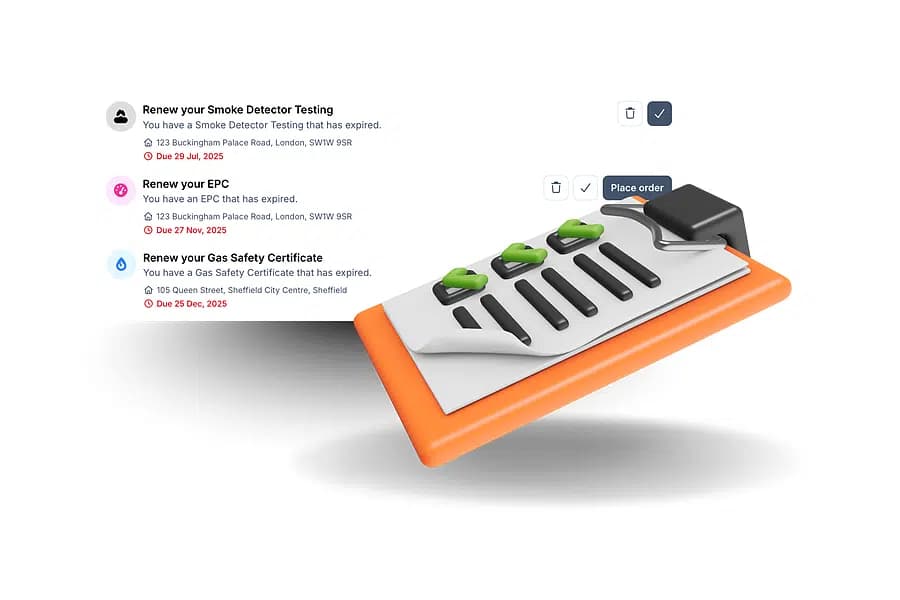
Section 8 is evidence-led. Keep rent schedules, prescribed documents and notice dates in one workspace so your claim file is ready if a case is challenged.
Open the Renters Rights Act hubWhat the 31 July deadline actually closed
Under the Renters Rights Act transitional rules, landlords who served a valid Section 21 notice before 1 May 2026 could issue possession proceedings until 31 July 2026, or until the notice expired if that came first. After that window, the old no-fault route is closed for new claims. If you did not issue in time, you cannot resurrect that notice - you must assess whether a revised Section 8 ground applies and whether you can prove it.
That distinction matters because many landlords treated 31 July like a filing formality. In practice it was a hard procedural gate. For background on how Section 21 was phased out, see our Section 21 abolition guide.
July possession instructions: the first hard numbers
Tenant eviction specialist Landlord Action reported a 28% rise in possession instructions in July 2026 compared with July 2025. The firm describes it as one of its busiest months for enquiries outside the spikes seen when the Renters Rights Act took effect in spring. More than 35% of enquiries converted into live cases.
Almost one third of July instructions involved landlords trying to progress Section 21 claims before the court deadline. Paul Shamplina, founder of Landlord Action, said many landlords left action until the final days - and instructing a solicitor immediately before 31 July did not automatically mean a claim could still be issued.
+28%Year-on-year rise in landlord possession instructions reported for July 2026 (Landlord Action)Early Section 8 mix: rent, sale and occupation
Among new possession cases recorded in July, rent-related Grounds 8, 10 and 11 featured in about 39% of files. Ground 1A - where the landlord intends to sell - appeared in about 30%. Ground 1, used when the landlord or a close family member intends to occupy the property, accounted for about 8%. A further 29% involved other grounds, and some cases relied on more than one.
It is early data from one specialist firm, not a national court statistics release. But it is the first directional read on how landlords are behaving after Section 21 abolition for new routes. The pattern fits expectations: arrears-led possession remains common, while sale-motivated exits show up strongly where Ground 1A is available.

| Ground type | Share of new cases | Typical use |
|---|---|---|
| Grounds 8, 10, 11 (rent) | ~39% | Rent arrears and persistent late payment |
| Ground 1A (sale) | ~30% | Landlord intends to sell the dwelling |
| Ground 1 (occupation) | ~8% | Landlord or family member to live in the property |
| Other grounds | ~29% | Case-specific statutory routes |
Shamplina warns that selecting a ground is not a straight swap for Section 21. Each route has conditions, notice requirements and evidential tests. Our Section 8 eviction process guide walks through the post-RRA workflow in more detail.
Issuing on time was only half the battle
Landlords who met the 31 July issue deadline still face listing delays, evidence hearings and enforcement bottlenecks. Shamplina notes that courts in many areas remain understaffed and already carrying heavy caseloads. That makes document quality at issue stage more important - weak exhibits slow cases even when the notice date was valid.
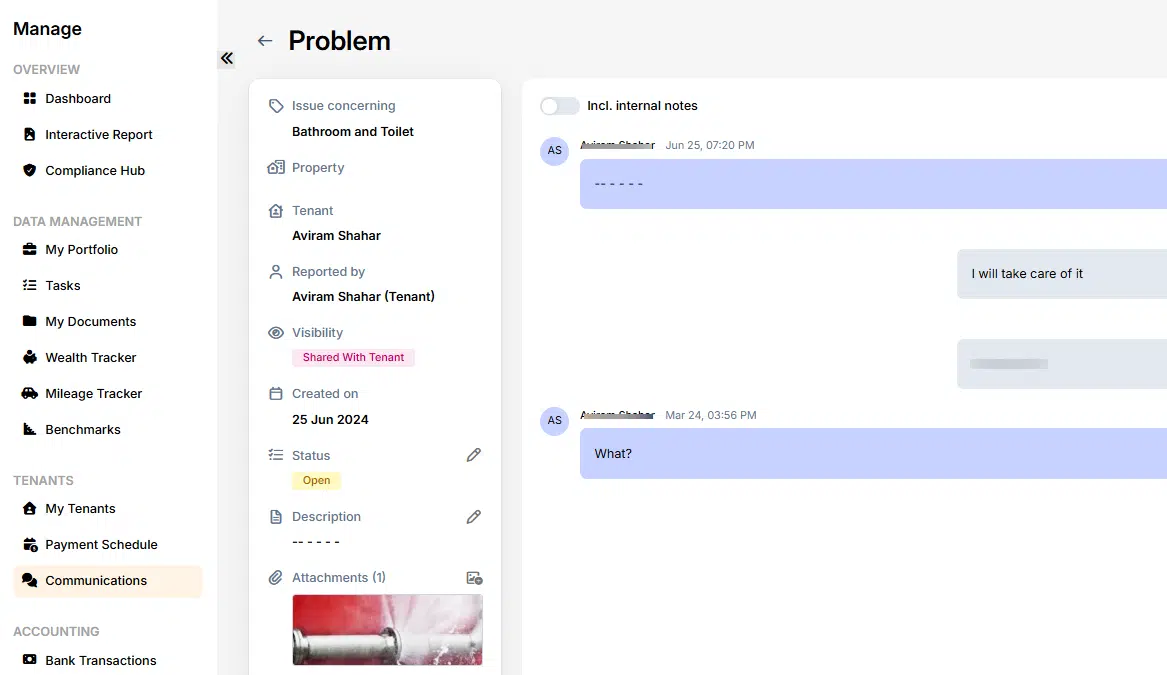
Build each file as if a district judge will ask for the rent ledger, prescribed information, How to Rent evidence, deposit protection records and any agent correspondence. If you have not yet completed legacy tenant duties, review the Renters Rights Act information sheet guide and store proof alongside the possession pack.
What landlords should do now
- Audit open cases. Confirm whether a Section 21 claim was issued before 31 July and track court progress. Do not assume service of a notice alone protects your position.
- Map future exits to real grounds. If you plan to sell, move in, or recover arrears, identify the correct Section 8 route early and take advice before serving.
- Fix recurring arrears processes. With rent grounds leading early data, automated rent tracking and reminder trails reduce both loss and evidential gaps.
- Refresh tenancy templates. New lettings should use assured periodic wording. Start from a free periodic tenancy agreement template rather than recycling pre-RRA ASTs.
- Keep compliance in one place. Use document workflows so notices, certificates and tenant acknowledgements sit next to possession papers.
New lettings
Issue periodic agreements aligned with current law
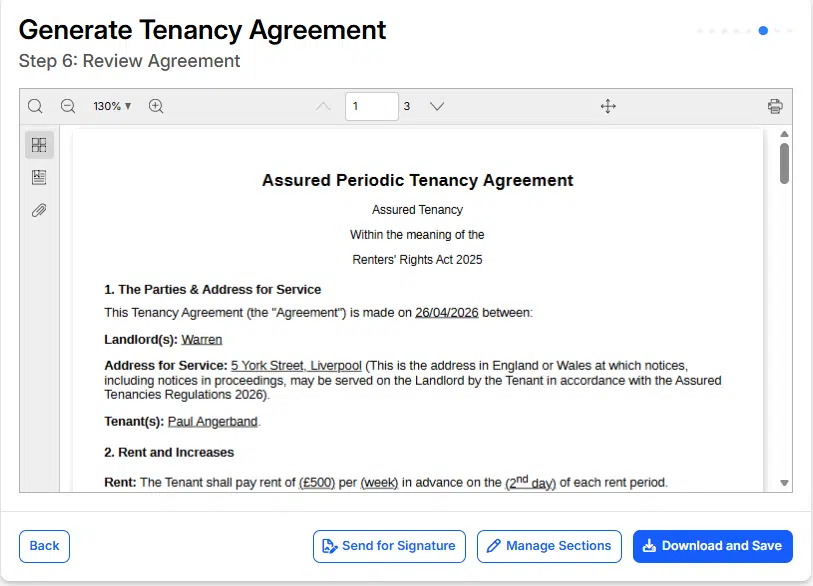
If possession planning starts at the tenancy setup stage, you reduce legacy wording that still references abolished routes.
Build a periodic tenancy agreementWhat this means for portfolio strategy
The July spike confirms that regulatory deadlines move landlord behaviour sharply - but they do not simplify it. Some landlords accelerated exits while Section 21 remained available for legacy notices. Others are now learning that Section 8 requires stronger facts, longer notice horizons in some grounds, and patience with court timelines.
Investors planning disposals should stress-test void periods and legal timelines before they serve. Landlords staying in the market should treat possession as a last resort with a documented trail - not a paperwork shortcut. Track duties and tenant records in the Renters Rights Act compliance hub so your next case starts from evidence, not panic.
Prepare your next possession file properly
Review Section 8 routes, store notices and compliance documents together, and keep tenant communications auditable before you serve.
Manage Renters Rights Act complianceFrequently asked questions
Can I still use Section 21 after 31 July 2026?
Only if you served a valid Section 21 notice before 1 May 2026 and issued possession proceedings by 31 July 2026 (or before the notice expired, if earlier). New no-fault Section 21 routes are abolished under the Renters Rights Act. If you missed the deadline, you must rely on a revised Section 8 ground that genuinely applies.
Which Section 8 grounds are landlords using most?
Early July data from possession specialists shows rent-related Grounds 8, 10 and 11 in about 39% of new cases, Ground 1A (intent to sell) in about 30%, and Ground 1 (landlord or family occupation) in about 8%, with other grounds in the remainder. Some claims rely on more than one ground.
Does issuing a claim before 31 July guarantee repossession?
No. Meeting the court issue deadline was only the first step. Claims still move through listing, evidence, hearing and, where needed, enforcement. Courts remain under pressure, so landlords should keep notices, rent ledgers and tenancy files organised from day one.
Is selling up enough reason to regain possession now?
Ground 1A can apply when a landlord intends to sell, but it has its own notice periods and evidential tests. It is not a like-for-like replacement for Section 21. Take advice and read the full Section 8 route before you serve.

Expert insight from Aviram Shahar, Co-Founder and CEO of Lendlord · PropTech entrepreneur · Last updated August 2026
Official data sources
- Landlord Action / industry reporting on July 2026 possession instructions and Section 8 ground usage (August 2026).
- Landlord Today and The Negotiator coverage of the 31 July 2026 Section 21 court deadline (August 2026).
- GOV.UK - Renters Rights Act 2025 guidance on possession grounds and transitional arrangements.
- Lendlord Renters Rights Act compliance and tenancy template tools (August 2026).