How to Serve the Renters Rights Act Information Sheet Legally?
Published · Updated · 10 min read

The Renters Rights Act 2025 mandates that all landlords provide an official Information Sheet to their existing tenants. Property investors must complete this action by the legal deadline to avoid significant financial penalties from local authorities. Serving this document correctly ensures your portfolio remains compliant during the transition to the new rental legislative framework.
Lendlord provides the expertise and digital tools required to manage these complex compliance tasks with total precision. The Ministry of Housing, Communities and Local Government requires specific delivery methods to satisfy legal standards. Failure to follow these precise steps could invalidate future possession notices or lead to heavy fines.
This guide outlines the exact process for distributing the Information Sheet to protect your investments and maintain professional standards. You must act before the transition period concludes to ensure your rental business remains fully operational and legally protected.
A Concise Summary of the Service Process
To serve the Renters Rights Act Information Sheet legally, you will distribute physical or digital documents using government-approved delivery methods. Compliance requires adherence to the following core criteria:
- Final Deadline: 31 May 2026
- Approved Formats: Physical paper copy or direct PDF email attachment
- Mandatory Recipients: Every individual tenant named on the agreement
- Prohibited Methods: Website URLs and hyperlink-only messages
Valid service requires a clear audit trail to prove the tenant received the specific version of the document. This process ensures that all tenants understand their rights under the new Assured Periodic Tenancy structure.
View this post on InstagramA post shared by Sean Land | Property | Financial Literacy (@seanland_1)
The Essential Steps for Legal Compliance
Following these specific steps ensures that property portfolios remain compliant with the updated Ministry of Housing, Communities and Local Government standards:
- 1 Portfolio audit of existing agreements
- 2 Retrieval of official government templates
- 3 Selection of valid delivery channels
- 4 Individualised tenant distribution
- 5 Digital record keeping via Lendlord
- 6 Evidence collection for proof of service
- 7 Formalisation of verbal agreements
Identify every existing tenancy agreement
Landlords must first audit their entire property portfolio to identify tenancies created before 1 May 2026. Tenancy agreements created before May 2026 are typically Assured Shorthold Tenancies that will transition into the new Assured Periodic Tenancy framework. The law requires you to provide the Information Sheet to these specific tenants to explain their updated rights. You should categorise your properties by their current agreement type to ensure no tenant is overlooked during this transition. This initial audit is the foundation of your 2026 compliance strategy for the Renters Rights Act.
Landlords who fail to identify these tenancies risk missing the mandatory service deadline of 31 May 2026. Every property in your portfolio requires individual attention to ensure the correct documentation reaches the correct people. You should prioritise tenancies that are approaching their renewal dates or those on rolling periodic terms. Clear categorisation helps you manage the workload of serving documents across multiple properties simultaneously. This step prevents administrative errors that could lead to costly civil penalties from your local housing authority.
Download the official government document
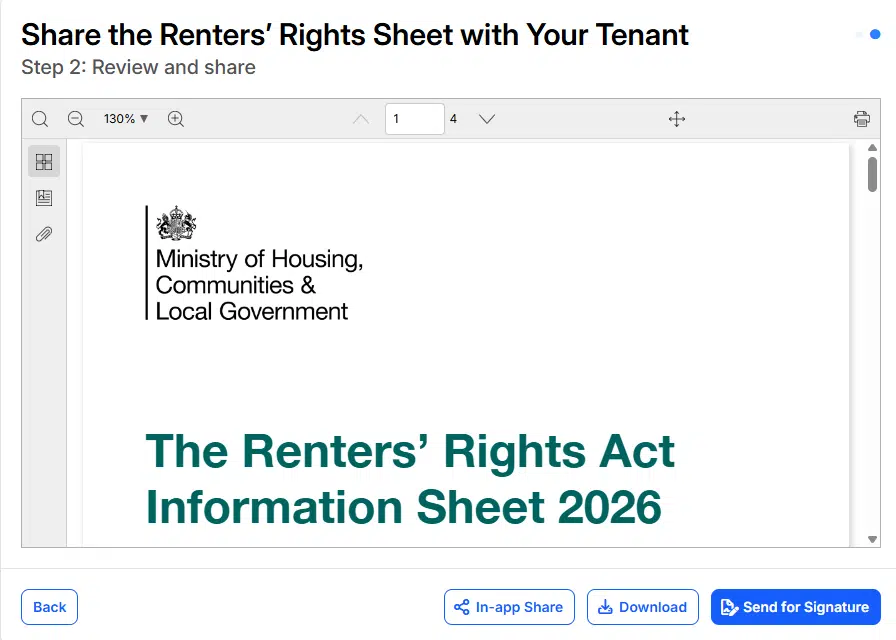
Landlords must obtain the official Information Sheet 2026 directly from the Ministry of Housing, Communities and Local Government website. The Renters Rights Act Information Sheet 2026 is a standardised template that landlords are not permitted to edit or alter in any way. The sheet contains vital information regarding rent increases, pet requests, and the abolition of no-fault evictions. Using an outdated version or a self-drafted summary will result in a failure to comply with the law. You should check for the most recent version of the PDF before beginning the distribution process.
The government produces this sheet to ensure all tenants in England receive consistent information about their legal protections. It covers the transition from Assured Shorthold Tenancies to the new system of rolling periodic tenancies. Providing the official version ensures that you satisfy the statutory requirements set out in the Renters Rights Act 2025. You should save a master copy of this file in your digital records for easy access. This ensures that every tenant receives the exact same high-quality information required by the new regulations.
Avoid the invalid website link trap
Warning: The Renters Rights Act 2025 explicitly states that providing a URL link to a website does not constitute legal service of the document. You must serve the Information Sheet as a physical paper copy or as a direct attachment to an email.
A link is considered invalid because the content of a webpage can change without the knowledge of the tenant. Direct attachments or printed versions provide a static record of the information provided at a specific point in time. This distinction is a critical detail that many landlords might overlook during the busy transition period.
If you choose to use email, you must ensure the PDF is attached to the message itself. You should also confirm that your tenancy agreement allows for the service of notices via electronic communication. If the agreement does not specify email service, you must provide a physical copy to remain legally compliant. Serving a link instead of a document could lead to a fine of up to £7,000 for a first offence. Always prioritise the delivery of the file itself to ensure your compliance remains beyond legal challenge.
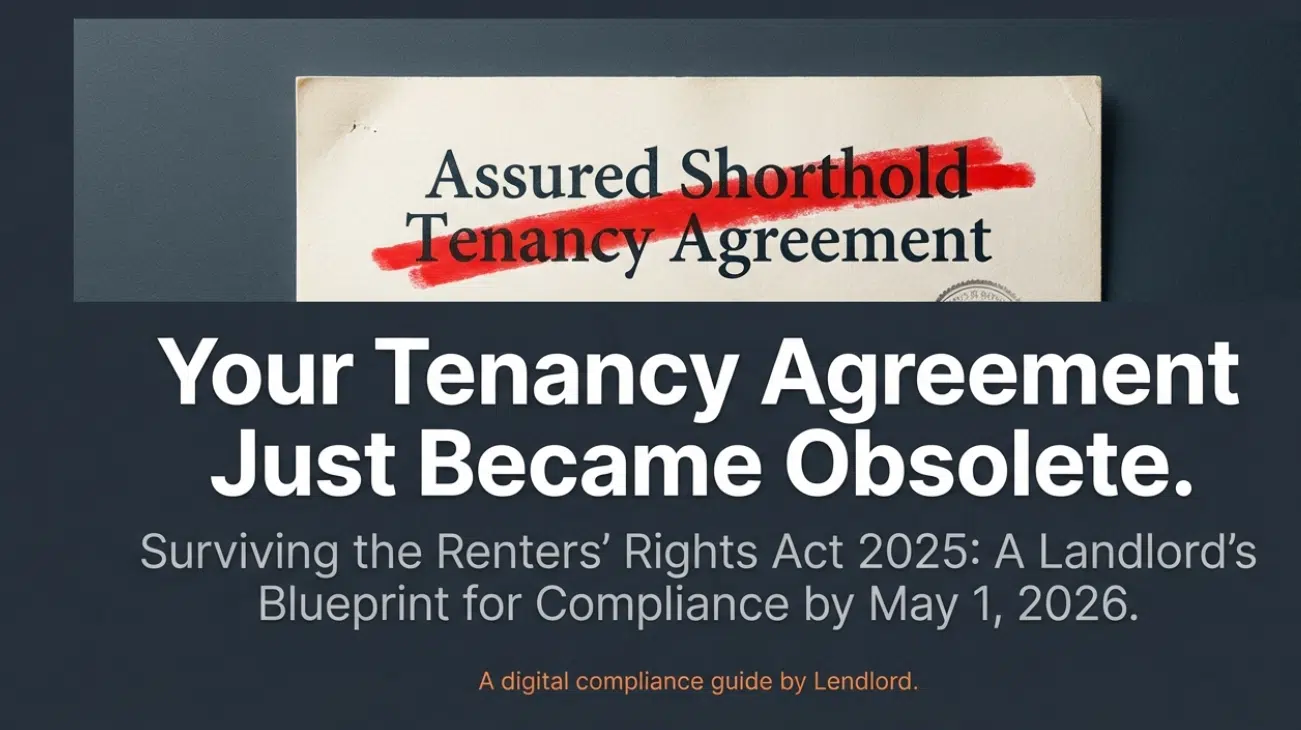
@theanxiousinvestor Replying to @The Anxious Investor From 1 May 2026, several core clauses in a standard tenancy agreement will no longer have legal effect. Fixed terms, rent review clauses, Section 21 notice provisions, and even the name "Assured Shorthold Tenancy" are all being simultaneously overridden by the Renters' Rights Act 2025. On 20 March 2026, the government published the Renters' Rights Act Information Sheet 2026 - a 4-page document that landlords and letting agents are legally required to give to every existing tenant. It explains, in the government's own words, that much of what your current tenancy agreement says is no longer enforceable. Fail to deliver it by 31 May 2026, and you face a civil penalty of up to £7,000. The challenge for landlords is not just delivering the document - it is proving that each tenant actually received it. #landlord#lendlord#buytolet#rent#money♬ She knows - ℒ𝒶𝓎💋
Serve every named tenant individually
Landlords are legally required to serve the Information Sheet to every individual named on the tenancy agreement. It is not sufficient to provide a single copy to a lead tenant in a joint tenancy arrangement. Each person living in the property under the contract must receive their own copy of the document. This ensures that all parties are equally informed of their rights regarding rent increases and the new Section 13 rules. Failing to serve even one tenant can jeopardise the legal standing of your entire agreement.
For digital service, you should send an individual email to every tenant using the contact details provided in the contract. For physical service, you should hand-deliver or post individual copies addressed to each person. This method demonstrates that you have taken all reasonable steps to inform every resident of the legislative changes. It also protects you if one tenant claims they were never notified of the new periodic tenancy terms. Individual service is a hallmark of professional property management and a requirement for full legal compliance.
Use Lendlord to streamline this process
Lendlord offers a centralised platform where landlords can store compliance documents and track service dates for every tenant. You can upload the official Information Sheet to your Lendlord account and associate it with specific property records. The platform allows you to record exactly when and how the document was served to each individual resident. This digital record serves as a vital audit trail if a local authority ever questions your compliance status. Using Lendlord reduces the administrative burden of managing multiple deadlines across a large property portfolio.
The Lendlord system can also send you reminders as the 31 May 2026 deadline approaches for your existing tenancies. You can use the platform to generate proof of service reports that summarise your compliance activities for each property. This organised approach ensures that you never miss a critical date or forget a specific tenant. Lendlord helps you transition from Assured Shorthold Tenancies to the new framework with confidence and accuracy. By using these tools, you can focus on growing your portfolio while the software manages your regulatory obligations.
Secure a robust proof of service
Property owners must create a reliable evidentiary trail to prove that the Information Sheet was delivered to tenants. For physical delivery, you should obtain a witness statement or use a tracked postal service with a signature. If you deliver the document in person, you can ask the tenant to sign a covering letter acknowledging receipt. For digital delivery, you should request a read receipt or a simple reply from the tenant confirming they opened the file. This evidence is your primary defence against claims of non-compliance or potential legal disputes.
Store these records safely alongside your tenancy agreements and other essential property documents. A clear audit trail is necessary to avoid the escalating fines that reach up to £40,000 for repeat offenders. Local authorities will require this proof if they perform a spot check on your portfolio compliance. Having organised evidence demonstrates that you are a responsible landlord who takes the Renters Rights Act seriously. This proactive documentation strategy is essential for protecting your long-term financial interests and professional reputation.
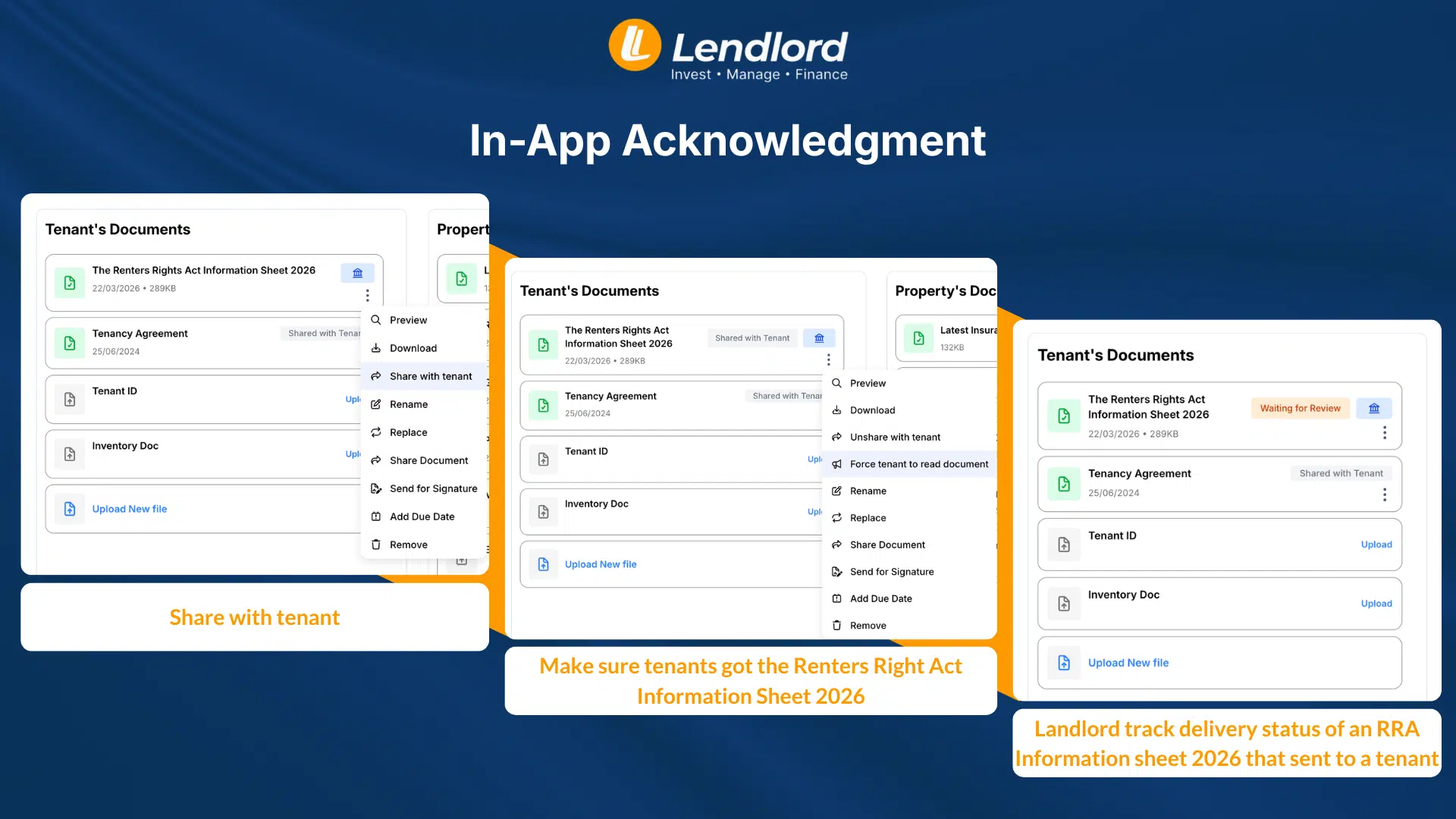
Tenancy Acknowledgement of Receiving the Renters Rights Act Information Sheet 2026
Get your tenants to formally acknowledge receipt of the Information Sheet through Lendlord's compliance platform.
Get Tenant Acknowledgement - Sign Up FreeIssue a written statement for verbal agreements
If a landlord manages a tenancy without a written agreement, they must provide a Written Statement of Terms instead of just the Information Sheet. This document must outline the basic terms of the tenancy alongside the mandatory information required by the new law. Verbal agreements are still subject to the Renters Rights Act and require the same level of compliance. You must ensure that these tenants receive a full written account of their rights and responsibilities by the deadline. This step bridges the gap for informal arrangements that must now be formalised under the new system.
The Written Statement of Terms serves a similar purpose to the Information Sheet but provides more detail for unwritten contracts. You must include details about the rent amount, payment dates, and the names of all parties involved. This document ensures that both the landlord and the tenant have a clear reference for the tenancy terms. Failing to provide this statement for verbal agreements carries the same legal risks as failing to serve the Information Sheet. You should treat these tenancies with the same level of administrative rigour as your formal written contracts.
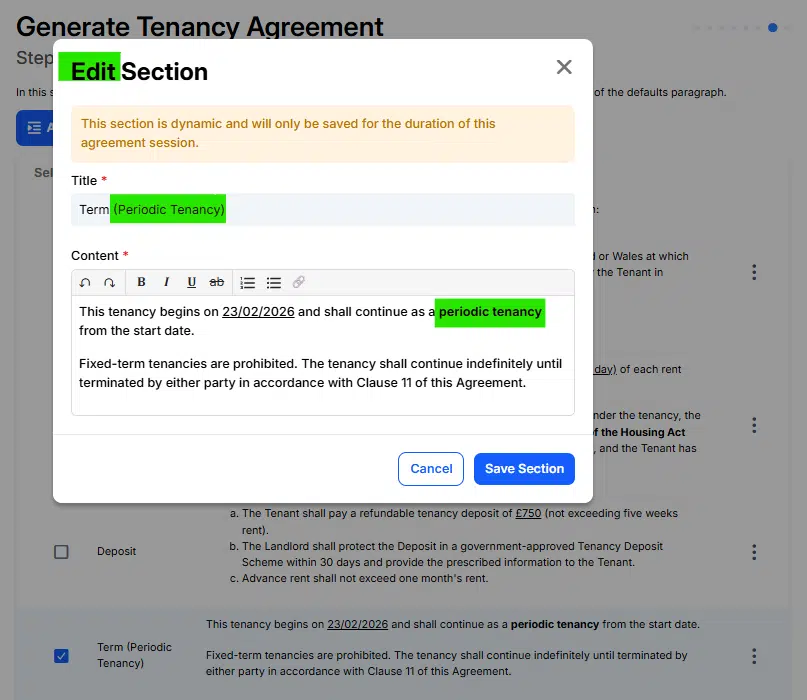
Download the official government PDF that you are legally required to serve to every existing tenant.
Tenancy Agreement TemplateGenerate a free, solicitor-backed tenancy agreement that is fully compliant with the Renters Rights Act 2025.
Frequently Asked Questions About Compliance
This section addresses common concerns regarding the Renters Rights Act 2025 and the transition to the new legislative framework:
- Financial penalties: Up to £40,000 for non-compliance
- Delivery methods: Direct PDF or physical formats
- Rent increases: Mandatory Section 13 procedures
What is the final deadline to serve the Information Sheet?
The hard deadline for serving the Renters Rights Act Information Sheet to existing tenants is 31 May 2026. Lendlord recommends completing this task well in advance to avoid any last-minute administrative issues. You must ensure all documents are delivered and recorded before this date to remain compliant.
What are the fines for failing to serve the document?
Landlords can face an initial civil penalty of up to £7,000 for failing to serve the Information Sheet correctly. Lendlord helps you avoid these costs by providing tracking tools to ensure every tenant receives the mandatory documentation. Repeat offenders may face much higher fines reaching up to £40,000.
Can I send the Information Sheet as a link in a text message?
No, sending a website link is not a legally valid method for serving the Information Sheet. Lendlord advises landlords to use direct PDF attachments in emails or printed paper copies for all residents. You must provide a static version of the document to satisfy the requirements of the Renters Rights Act.
Who needs to receive the Information Sheet in 2026?
Every tenant on an agreement created before 1 May 2026 must receive the official Information Sheet. Lendlord allows you to filter your portfolio to identify which tenancies require this specific document during the transition period. This includes all tenants currently on Assured Shorthold Tenancies that are becoming periodic.
How do rolling tenancies change under the new Act?
All tenancies will become periodic, meaning they roll from month to month without a fixed end date. This change removes the concept of a fixed term and allows tenants to give notice at any time. You must explain these new rolling terms to your tenants using the official Information Sheet.
What are the new rules for rent increases under Section 13?
Rent increases must now follow the Section 13 procedure and can only occur once every twelve months. Landlords are required to give tenants at least two months of notice before any price change takes effect. This standardised process replaces any existing rent review clauses found in older tenancy agreements.
What is the difference between a Written Statement and the Information Sheet?
The Information Sheet is for written agreements, while the Written Statement of Terms is for tenancies without a written contract. Lendlord provides guidance on which document is appropriate for each specific tenancy in your property portfolio. Both documents are mandatory for ensuring your tenants understand their rights under the new legislation.