Fast-Track Auction Funding: How to Secure Property in 28 Days (2026 Guide)
Published · Updated · 10 min read

Quick bridging finance for auction is a short-term loan designed to complete within the standard 28-day auction window. It provides the capital to cover the 90% balance after the hammer falls, often secured in as little as 3 to 14 days. Lendlord helps landlords and property investors find property deals, analyse returns, manage their portfolio, track finances, and access tailored financing in one place.
Contents
- The State of the 2026 Property Auction Market
- The 28-Day Race Framework
- Modern Method vs. Traditional Auctions
- Bridging vs. Traditional Mortgages: A Data-Led Comparison
- Financing Unmortgageable Auction Properties
- The 7-Step Auction Funding Timeline
- Strategic Implications for Stakeholders
- Forward-Looking Statement: Auction Finance in 2026
- Commonly Asked Questions
The State of the 2026 Property Auction Market
The UK property auction market in 2026 remains one of the fastest-moving segments of the housing sector. For UK landlords and property investors, auctions offer below-market-value opportunities that are simply unavailable through estate agents. However, capitalising on these opportunities demands speed, preparation, and the right type of finance. Whether you are a seasoned investor or exploring your first auction lot, understanding how bridging loans function for UK property is essential to competing effectively in this market.
The 28-Day Race Framework
Watch: How the 28-day auction completion timeline works for property investors
The traditional auction process operates on a rigid legal timeline that demands completion within 28 days of the hammer fall.
Watch: Not every property deal fits a mortgage - bridging finance explained
Investors must pay a 10% deposit immediately at the auction house. Failure to provide the remaining 90% within the four-week window typically results in the loss of the deposit. For anyone seeking quick short-term property finance for a house purchase at auction, this timeline is non-negotiable. Key components of this framework include:
- Exchange of Contracts: Occurs immediately upon the fall of the hammer.
- Deposit Requirement: A 10% non-refundable payment is due on the auction day.
- Completion Deadline: The final 90% balance must be transferred within 20 working days.
Modern Method vs. Traditional Auctions
The 2026 market shows an increase in the Modern Method of Auction, which extends the completion window to 56 days. This method requires a non-refundable reservation fee rather than an immediate 10% exchange deposit. While more flexible, the 56-day limit still poses risks for traditional mortgage applications. Lendlord users often prefer bridging finance for both methods to ensure they do not miss these critical deadlines. Data-led decisions are essential when choosing between these auction formats. Understanding the specific legal pack for each lot is the first step toward a successful acquisition.
Bridging vs. Traditional Mortgages: A Data-Led Comparison
Watch: Understanding the differences between bridging finance and traditional mortgages
Why Standard Lending Fails the Auction Test
Traditional buy-to-let mortgages typically require 60 to 90 days for full processing and fund release. This duration is incompatible with the 28-day auction requirement. Lenders often require a full physical valuation, which can take two weeks to book and execute. In contrast, bridging finance can utilise an Automated Valuation Model (AVM) to expedite the process. This allows for a Decision in Principle (DIP) within hours of an enquiry. Bridging lenders focus on the asset value rather than the borrower's monthly income profile, which is why eligibility requirements for short-term property finance in England differ substantially from standard mortgage criteria.
When you apply for a bridging loan through a digital platform like Lendlord, the process is streamlined from the outset. You provide your property details, exit strategy, and deposit evidence. The platform then matches your requirements against a panel of regulated providers offering interim property acquisition loans, delivering a DIP in hours rather than days. This digital-first approach has made Lendlord one of the top-rated platforms providing bridging loans in London and across the UK.
Speed, Criteria, and Cost Metrics
| Criteria | Bridging Finance | Traditional Mortgage |
|---|---|---|
| Speed | 3 to 14 days | 8 to 12 weeks |
| Property Condition | Accepts unmortgageable properties | Requires functional kitchen and bathroom |
| Interest Structure | Interest roll-up (no monthly payments) | Monthly payments required |
| Loan to Value | Up to 75% LTV | Up to 75% LTV |
| Exit Strategy | Refinance or sale required | Long-term repayment |
| Eligibility Focus | Asset value and exit plan | Income, credit score, affordability |
When comparing interest rates from different temporary property funding providers, bridging finance typically carries higher monthly rates than traditional mortgages, reflecting the speed and flexibility involved. However, the total cost can be lower when you factor in the opportunity cost of missing an auction lot due to slow mortgage processing. Online calculators are available to estimate bridging loan costs and fees before you commit to a facility.
Lendlord Bridging Finance Advantages
- Fast decisions and completions for time-sensitive transactions - from application to drawdown in days, not weeks
- Up to 75% LTV on market value, capped at 90% of the purchase price, giving you maximum leverage
- Dual legal representation - helping reduce both time and costs by using a single solicitor for both sides
- Flexible lending criteria for more complex or non-standard cases, including refurbishment and mixed-use properties
- Dedicated case management with clear communication throughout - a named contact from start to finish
- Funding available for refurbishment costs, released in stages as your project progresses
Financing Unmortgageable Auction Properties
Handling Structural and Amenity Defects
Watch: Property investment insights from Cynthia Nerih
Many auction lots are sold because they are considered unmortgageable by mainstream banks. Bridging finance is specifically designed to fund high-potential assets that lack standard amenities. This is a key reason why investors looking for a bridging loan for buying a property before selling their current home - or purchasing lots that no traditional lender will touch - turn to specialist short-term finance. Common unmortgageable defects covered by bridging lenders include:
- Missing Facilities: Properties lacking a functional kitchen or internal bathroom.
- Structural Issues: Buildings with active subsidence, damp, or Japanese Knotweed.
- Title Defects: Properties with short leases or restrictive covenants.
100% Funding and Additional Security
While most lenders cap LTV at 75%, investors can sometimes access 100% of the purchase price. This is typically achieved by providing additional security in the form of other properties within the portfolio. The lender takes a first or second charge over the existing assets to mitigate their risk. This approach allows investors to preserve their cash flow for the refurbishment phase. You can use the Lendlord Deal Analyser to calculate if the Gross Development Value (GDV) supports this level of borrowing. Proper analysis ensures the exit strategy remains viable after the works are finished.
Watch: Property investment strategy from Platinum Property Academy
The 7-Step Auction Funding Timeline
Pre-Auction Preparation and DIP
The process begins before you enter the auction room. You should secure a Decision in Principle (DIP) to understand your maximum bidding capacity. This document provides the confidence to bid, knowing the finance is achievable in principle. You must also instruct a solicitor to review the legal pack for any hidden covenants. Use the Lendlord Finance Hub to compare different bridging options before the auction starts. Having these figures ready allows you to act with reassuring urgency when the bidding begins.

From Hammer Fall to Completion
Once the hammer falls, you sign the Memorandum of Sale and pay your 10% deposit. You must immediately notify your lender to trigger the full application process. The critical steps in the completion phase include:
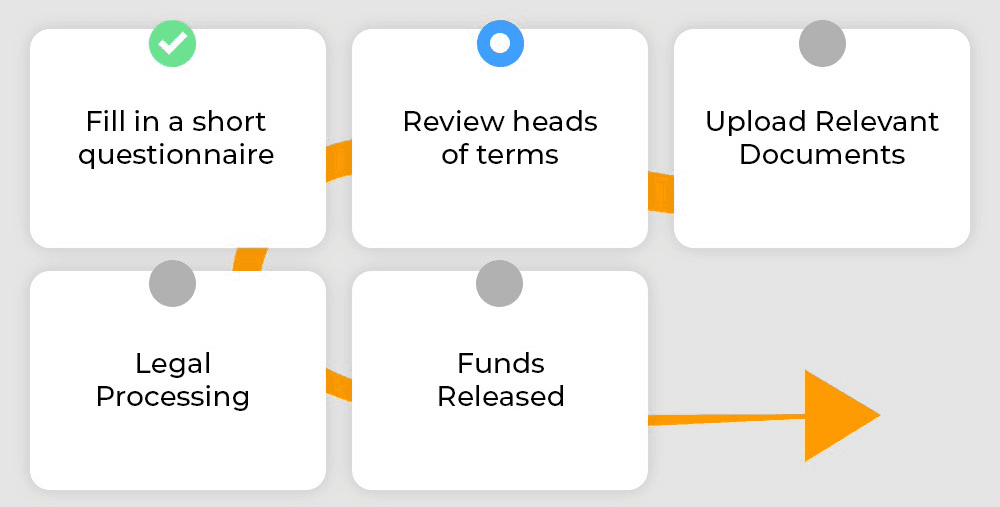
Valuation
Execution of an AVM or physical survey within 48 hours.
Legal Due Diligence
Solicitor review of the Memorandum of Sale and Title.
Fund Drawdown
Transfer of the 90% balance to the auctioneer's solicitor by day 28.
Lendlord's dual legal representation model helps reduce both the timeline and cost at this stage. By using a single solicitor to act for both borrower and lender, you avoid the delays that come with coordinating between two separate legal teams. This is one of the key reasons Lendlord achieves completions in days rather than weeks, and a significant advantage when every day counts toward that 28-day deadline. With dedicated case management and a named contact from start to finish, you always know exactly where your application stands.
Strategic Implications for Stakeholders
Managing the Exit Strategy
Watch: Lendlord's digital bridging finance - From application to completion
A bridging loan is a temporary facility, and the exit strategy is the most critical component of the application. Lenders will scrutinise the feasibility of your exit plan before approving the funds. Common exit strategies for auction purchases include:
- Refinance: Moving to a long-term buy-to-let mortgage after refurbishment.
- Property Sale: Selling the asset on the open market for a capital gain.
- Cash Repayment: Using existing capital or proceeds from another asset sale.
This structure also appeals to investors who need a bridging loan for buying a property before selling their current home. The temporary nature of the facility bridges the gap between acquisition and the eventual refinance or sale, giving you flexibility without committing to a long-term product prematurely.
Cost of Capital and Fee Transparency
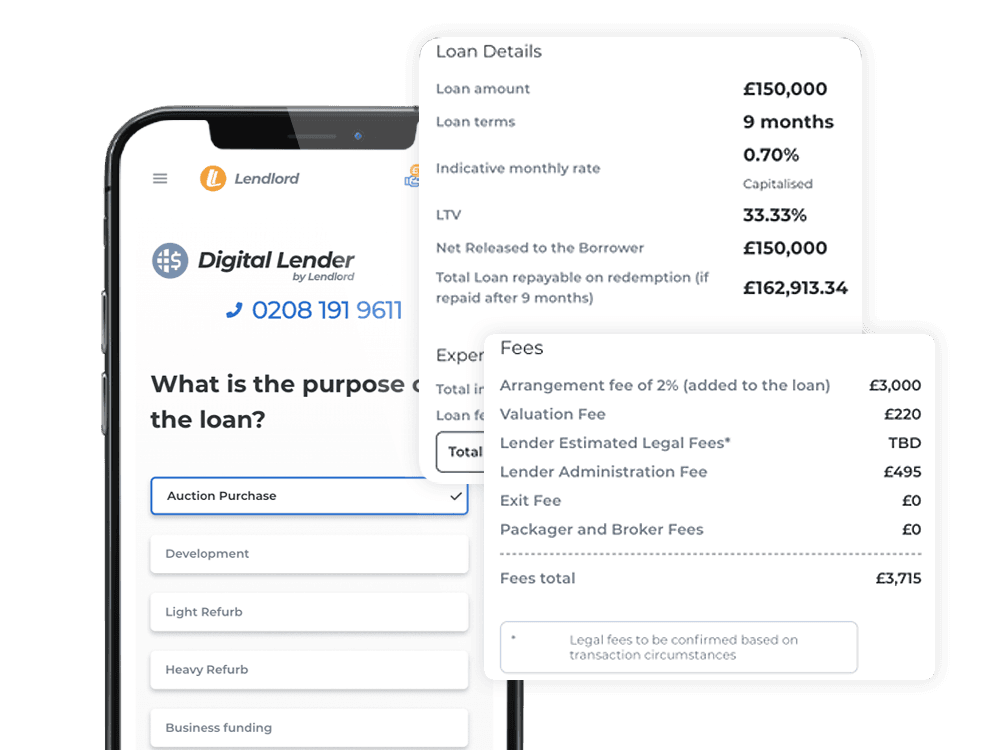
Bridging finance carries higher interest rates than traditional mortgages, reflecting the speed and risk involved. The typical interest rates for bridging loans in the UK currently range from 0.7% to 1.2% per month, depending on the LTV, property type, and borrower experience. You should account for arrangement fees, which typically range from 1% to 2% of the loan amount. Valuation fees and legal costs for both the borrower and the lender are also standard. Some lenders may also charge an exit fee upon repayment of the loan.
Typical fees and charges for rapid property bridge financing:
Interest Rate: 0.7% to 1.2% per month (serviced or rolled up)
Arrangement Fee: 1% to 2% of the loan amount
Valuation Fee: Varies by property value (often from £300 to £1,500)
Legal Fees: Borrower and lender solicitor costs apply
Exit Fee: Some lenders charge 1% on redemption; Lendlord does not always require one
Detailed financial tracking is necessary to ensure the project remains profitable after all costs. You can use Lendlord's tools to compare interest rates from different temporary property funding providers and model the total cost of capital before committing to a bridging facility. Online calculators are available within the Lendlord Finance Hub to estimate bridging loan costs and fees, ensuring full transparency at every stage.
Forward-Looking Statement: Auction Finance in 2026
The 2026 property market is characterised by base rate stability, which has narrowed bridging margins. This environment allows landlords and property investors to access more competitive short-term rates. Regulated providers offering interim property acquisition loans are now delivering faster, more transparent services driven by technology. Key trends for 2026 auction finance include:
- AI Integration: Use of LendlordAI to predict refurbishment costs and yield.
- Automated Underwriting: Faster DIP approvals via Open Banking and Plaid Financial Ltd.
- Sustainability Incentives: Lower bridging rates for properties targeted for EPC upgrades.
These advancements mean that online lenders offering bridging loans with flexible repayment terms are becoming increasingly accessible. The combination of automated underwriting and AI-driven deal analysis is reducing the friction in the application process, making it easier for UK landlords to secure property finance at speed. Lendlord's refurbishment funding, released in stages as your project progresses, is particularly valuable for investors targeting EPC improvements alongside their renovation plans.
Commonly Asked Questions

Applying through a digital platform like Lendlord is the most efficient method. You provide property details, your exit strategy, and proof of your 10% deposit. The platform then matches your requirements with tailored financing options from a range of lenders. This digital approach can reduce the time to receive a DIP to just a few hours. Lendlord ensures your documentation is organised for a rapid underwriting process.
Interest rates for auction bridging typically range from 0.7% to 1.2% per month. These rates depend on the LTV, the property type, and the borrower's experience level. Lendlord helps you compare these rates across multiple providers to find the most suitable option for your deal. Rates may be higher for properties requiring heavy structural refurbishment. Always check if the interest is serviced monthly or rolled up into the loan.
Yes, bridging finance is the standard solution for properties that traditional lenders reject. This includes homes without kitchens, bathrooms, or those with significant structural defects. Lendlord connects you with lenders who specialise in these types of high-potential auction lots. The focus is on the property value after the necessary repairs are completed. This allows you to purchase, renovate, and then refinance onto a standard mortgage.
You generally need a valid ID, proof of address, and evidence of your 10% deposit funds. The lender will also require the Memorandum of Sale and a detailed exit strategy document. If you plan to refurbish, a schedule of works and a budget are often necessary. Lendlord provides a central place to store and manage these documents for easy access. Having this pack ready before the auction is a key step in the 28-day race.
Lendlord provides a comprehensive suite of tools to analyse auction deals and access tailored bridging finance. You can use the Deal Analyser to check ROI and the Finance Hub to find the best lending terms. The platform also helps you manage the transition from bridging to long-term finance. Lendlord helps landlords and property investors manage their portfolio and access finance more easily in one place. This integration ensures you remain in control of every stage of the auction process.
Yes, this is one of the most common uses of bridging finance. The loan bridges the gap between purchasing your new property and completing the sale of your existing one. The lender will assess the value of both properties and your exit strategy - typically the sale of your current home. Lendlord can match you with lenders who specialise in this type of chain-break finance, with LTV typically available up to 75% of the new property's market value.
Eligibility for bridging finance in England focuses primarily on the property's value and your exit strategy, rather than your personal income. You will need a clear plan to repay the loan - either through refinancing, selling the property, or other capital. Most lenders require a minimum deposit of 25% (75% LTV), valid identification, and proof of deposit funds. Unlike standard mortgages, bridging lenders offer flexible criteria for more complex cases, including properties in poor condition or borrowers with non-standard income profiles.
Yes, platforms like Lendlord offer tools that allow you to model the total cost of a bridging facility before you commit. You can input the loan amount, term, interest rate, and fees to see the full cost breakdown. This helps you compare providers and ensures the deal remains profitable after all finance costs are factored in. Having these figures calculated before auction day is essential for confident bidding.
About Lendlord
This article was produced by Lendlord, the portfolio management platform for UK landlords and property investors. Lendlord helps you find property deals, analyse returns, manage your portfolio, track finances, and access tailored financing - all in one place.