HMRC Nudge Letters Hit Landlords: £104m Recovered (2026)
Published · Updated · 6 min read
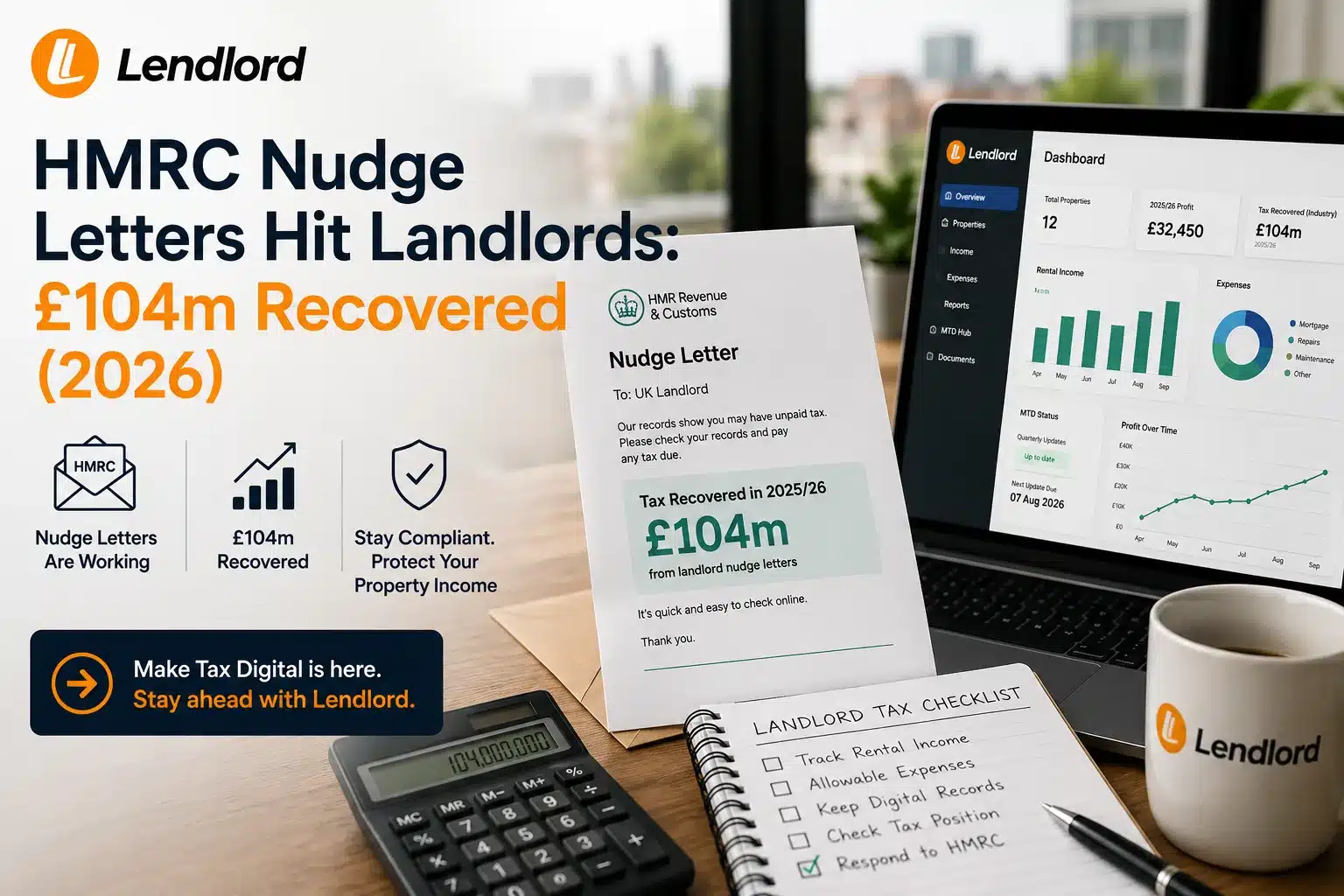
HMRC recovered about £104.3 million from landlord tax disclosures in 2025/26, the third consecutive year above £100 million, according to Freedom of Information data analysed by Price Bailey. Most cases are now prompted by nudge letters after Land Registry matching, and many involve accidental landlords with modest undeclared liabilities rather than large portfolio fraud.
This briefing is for UK landlords and property investors who want a clear read on the HMRC landlord tax crackdown dominating trade press on 28-29 July 2026. You will see the headline figures, how nudge letters work, why “phantom profit” still trips people up, and how digital records and Making Tax Digital reduce the chance of an expensive surprise.
Short: MTD deadline 7 August
At a glance
- Yield: HMRC recovered about £104.3m from landlord disclosures in 2025/26 (Price Bailey FOI).
- Volume: 11,511 voluntary disclosures, the highest since 2018/19.
- Average: £9,063 per disclosure, down from £13,713, signalling more smaller cases.
- Method: Most disclosures are prompted by HMRC nudge letters after Land Registry data-matching.
- Campaign total: Let Property Campaign has recovered about £674m since 2013/14.
- Next deadline: Many landlords also face the first MTD quarterly update by 7 August 2026.
Connect to HMRC
Authorise HMRC-ready software before a nudge letter lands
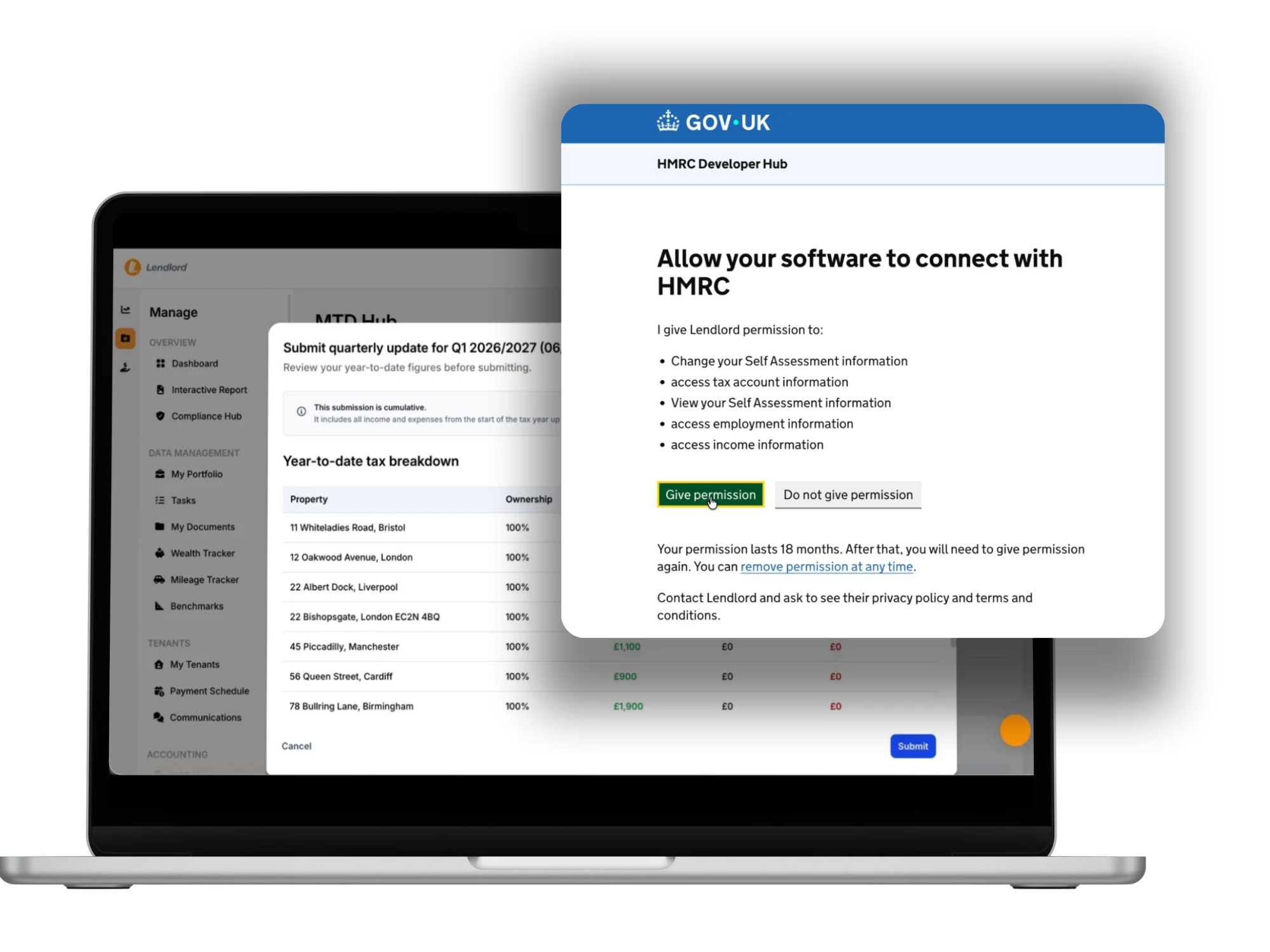
Connect Lendlord to HMRC, review year-to-date rental figures, and keep disclosure evidence organised in one place.
Connect your MTD HubWhat the £104m FOI figures show
HMRC's landlord compliance yield stayed above £100 million for a third year, with about £104.3 million recovered in 2025/26. Disclosures rose to 11,511, while the average take fell to £9,063. That combination points to wider coverage of smaller and accidental cases, not only big undeclared portfolios.
The FOI data obtained by Price Bailey covers Let Property Campaign disclosures plus related compliance work such as non-responder follow-up and discovery assessments. Since 2013/14 the campaign has generated about £674 million. Lifetime disclosures of 111,843 still represent under 5% of the UK's estimated 2.4 million private landlords, so HMRC still has a large pool to work through.
£104.3m recovered from landlord tax disclosures in 2025/26 · 11,511 cases · average £9,063 (Price Bailey FOI, reported July 2026)
| Metric | Figure |
|---|---|
| Tax recovered (2025/26) | About £104.3m |
| Voluntary disclosures | 11,511 |
| Average per disclosure | £9,063 (was £13,713) |
| Let Property Campaign lifetime | About £674m since 2013/14 |
| Compare: 2019/20 recovery | £36.8m |
How HMRC nudge letters and Land Registry matching work
Most voluntary disclosures are now prompted by nudge letters, according to Price Bailey tax investigations partner Andrew Park. HMRC matches Land Registry ownership, especially multiple residential titles, against declared rental income, then writes to owners asking them to check their tax position.
That process catches people who never thought of themselves as “landlords”: someone who kept a flat after moving in with a partner, inherited a house, or let a UK home while living abroad. Park's phrase for the trend is blunt: data-matching has become relentless, and HMRC is casting the net wider into modest rental cases.
Phantom profit: why taxable profit can appear without cash
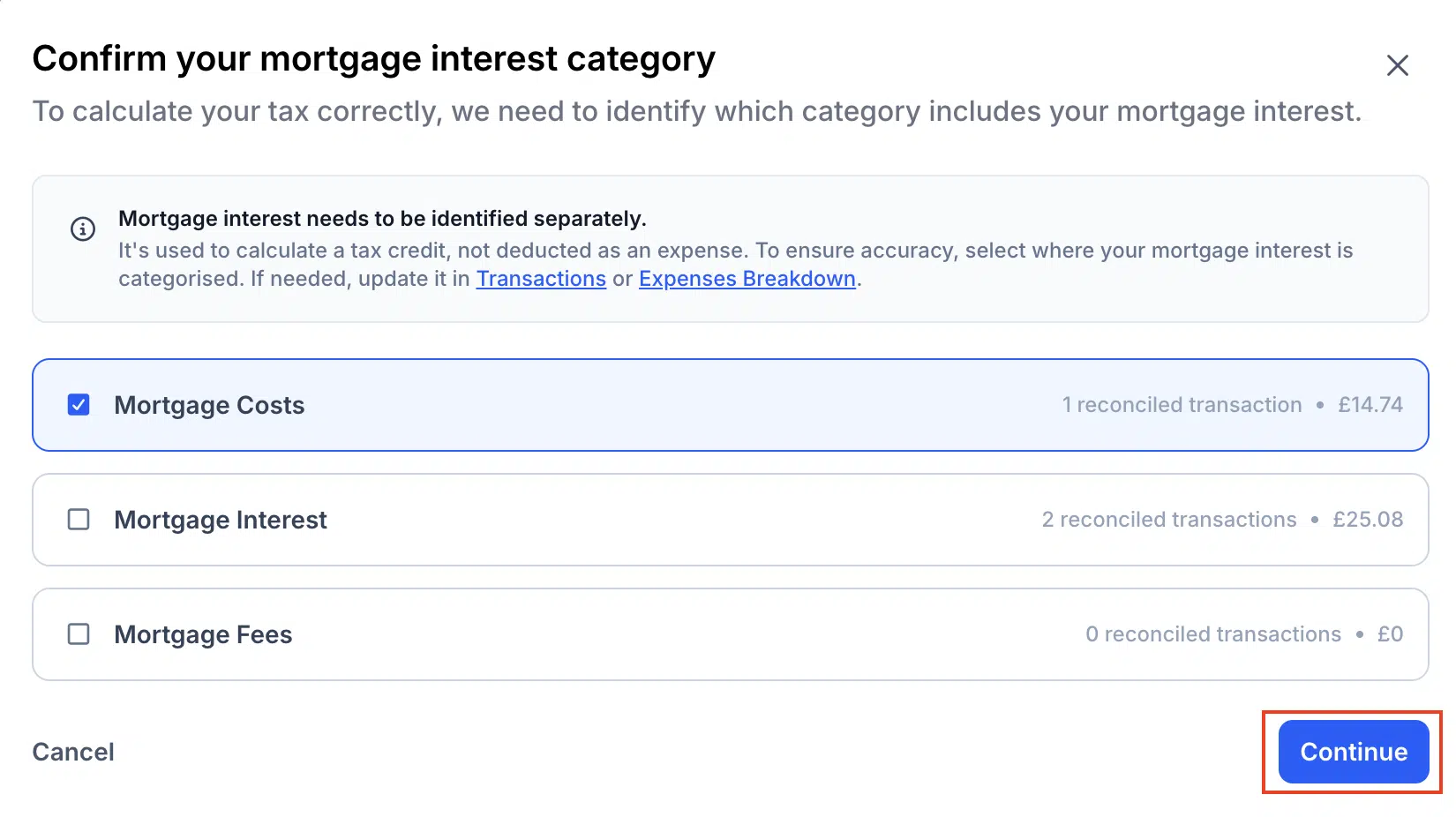
Phantom profit is one of the main reasons landlords under-declare without intending to. Individual landlords can no longer deduct full mortgage interest before calculating taxable property profits. They receive a 20% tax credit instead. The result: a tax computation that shows profit even when the bank account feels tight.
Other common traps called out in the same coverage include capital versus revenue spending (a like-for-like kitchen replacement may be deductible, while a major upgrade may be capital), the £3,000 annual CGT exemption, higher Capital Gains Tax rates on property disposals after October 2024, and company structures that restore interest deductibility but introduce 19% to 25% corporation tax and extraction complexity.
Watch: MTD with HMRC's Director
What UK landlords should do now
Treat tax hygiene as portfolio risk management, especially if you own more than one residential title or have ever received rent without a clean Self Assessment trail.
If you have not had a nudge letter
Review every property you own for periods of rental. Check whether interest, repairs and capital works were classified correctly. If you find a gap, unprompted disclosure through the Let Property Campaign is usually cleaner than waiting for HMRC to write first.
If a nudge letter arrives
Do not ignore it. Gather bank statements, tenancy records, interest certificates and expense invoices, then speak to a tax adviser promptly. Prompted disclosures after a letter typically attract less favourable penalty terms than unprompted ones.
Build digital records before the next HMRC ask
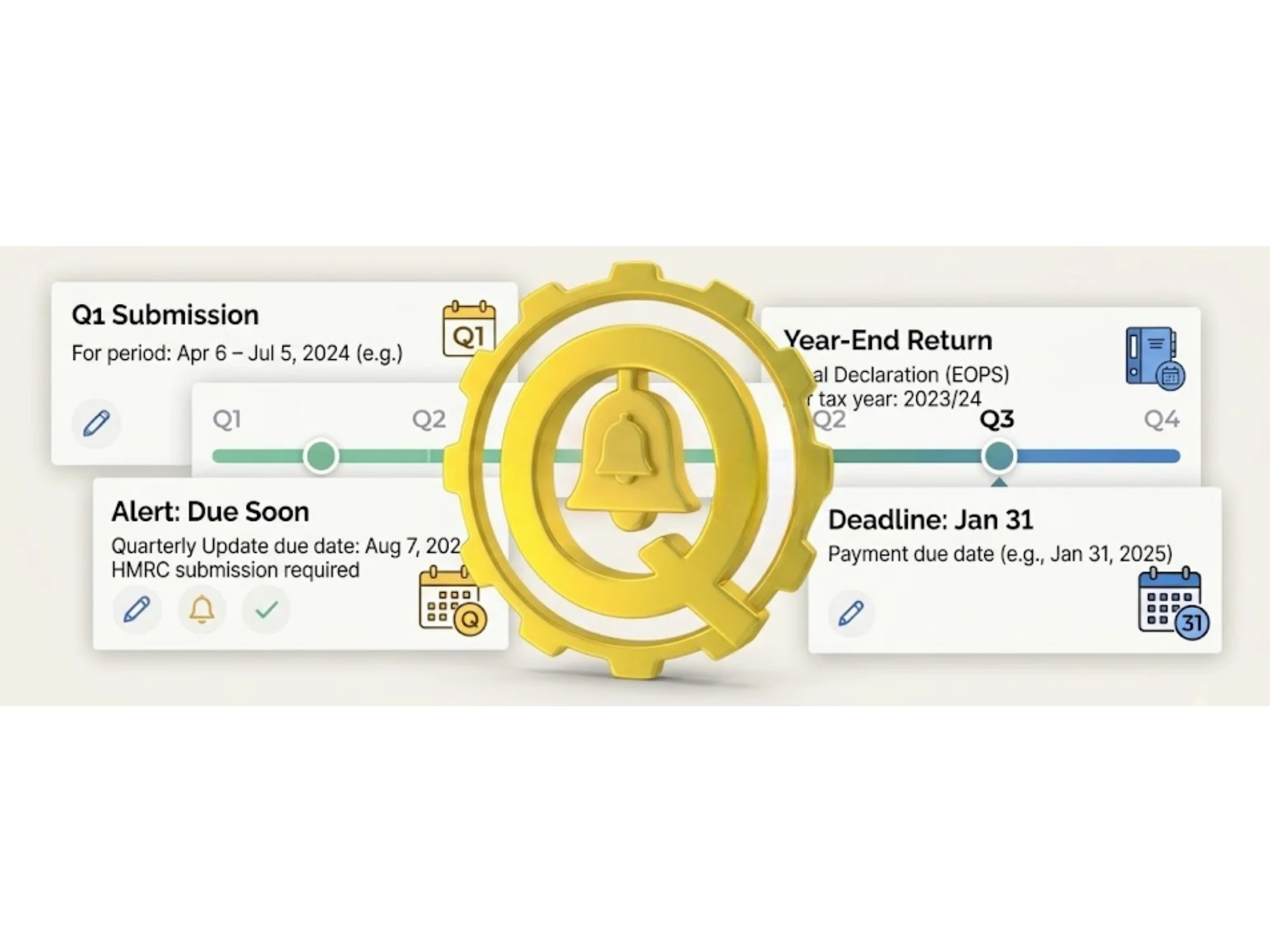
From April 2026, Making Tax Digital for Income Tax requires quarterly updates where combined gross property and self-employment income exceeds £50,000, with the first update due by 7 August 2026 for many landlords. Clean categorisation of rent and expenses is the practical defence against both MTD friction and disclosure stress.
Quarterly updates
Track HMRC deadlines and submit quarterly updates

Lendlord MTD software helps landlords monitor upcoming quarterly submissions and manage Making Tax Digital from one Hub.
Start your quarterly updateShort: MTD 26/27 quarterly updates
Frequently asked questions
What is an HMRC landlord nudge letter?
An HMRC nudge letter asks you to check whether rental income or capital gains on property have been declared correctly. Many are triggered by Land Registry ownership matching against Self Assessment. Do not ignore it. Keep digital income and expense records in HMRC-recognised software such as Lendlord's MTD Hub.
What is the Let Property Campaign?
The Let Property Campaign is HMRC's route for landlords to disclose undeclared or under-declared property tax, often on better penalty terms than waiting for a formal investigation. Lifetime yield through the campaign is now around £674 million. Review your filings before a nudge letter arrives.
What is phantom profit for landlords?
Phantom profit is when tax rules show a taxable profit even though cash flow feels weak, usually because full mortgage interest is no longer deductible for individual landlords (replaced with a 20% tax credit). Model taxable profit separately from bank balance, and keep clean interest and expense categorisation for MTD.
How does Making Tax Digital link to this crackdown?
MTD for Income Tax requires quarterly digital updates for landlords and sole traders with qualifying income over £50,000 from April 2026. Clean digital books reduce disclosure risk and make the first quarterly update (due 7 August 2026 for many) easier. Use HMRC-approved MTD software to keep records submission-ready.
Get HMRC-ready records on Lendlord
Keep rental income, expenses and quarterly updates in one HMRC-recognised workspace so a nudge letter, disclosure file or MTD deadline does not start from a shoebox of statements. Create your free Lendlord account and use the MTD Hub to stay submission-ready.
Submit to HMRC
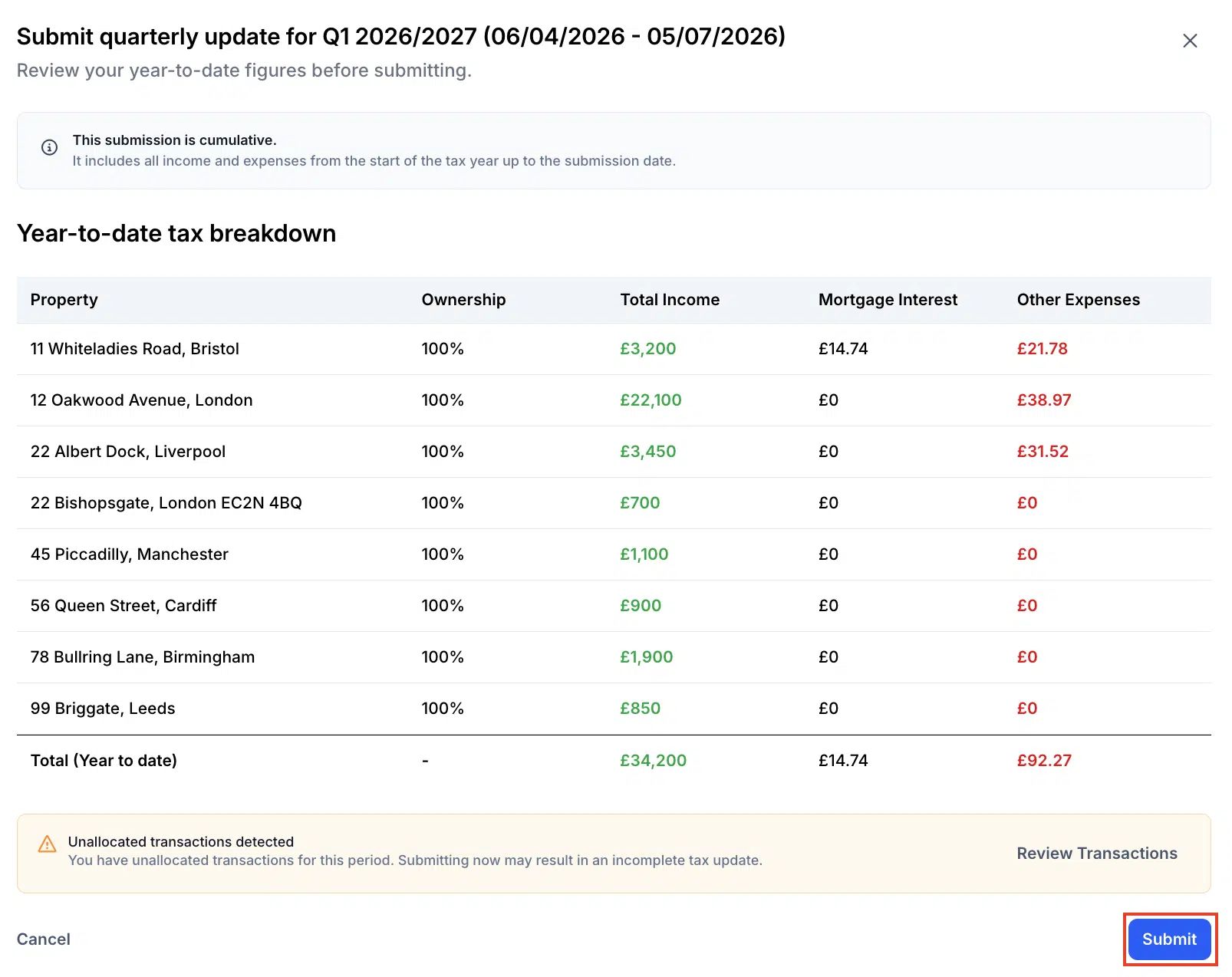
Review year-to-date figures, then submit straight to HMRC
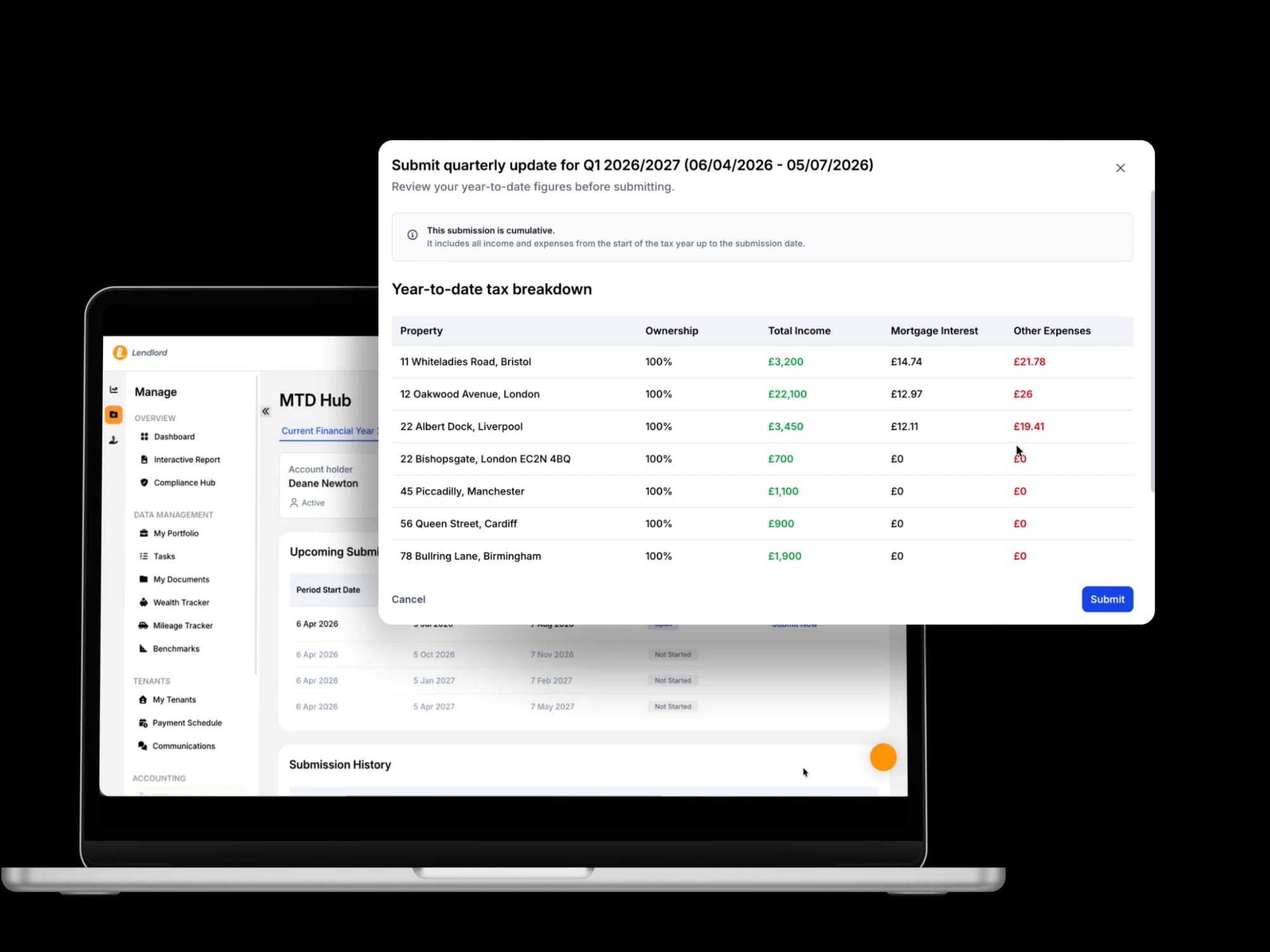
Check cumulative rental income, mortgage interest and expenses in the MTD Hub before you send your update to HMRC.
Open the MTD HubRelated Lendlord guides

Expert insight from Aviram Shahar, Co-Founder and CEO of Lendlord · PropTech entrepreneur · Last updated July 2026
Co-Founder and CEO of Lendlord, a PropTech entrepreneur focused on landlord taxation, stamp duty, capital gains, and 2026 compliance for residential investors.