Fast-Track Auction Funding: How to Secure Property in 28 Days (2026 Guide)
Published · Updated · 6 min read

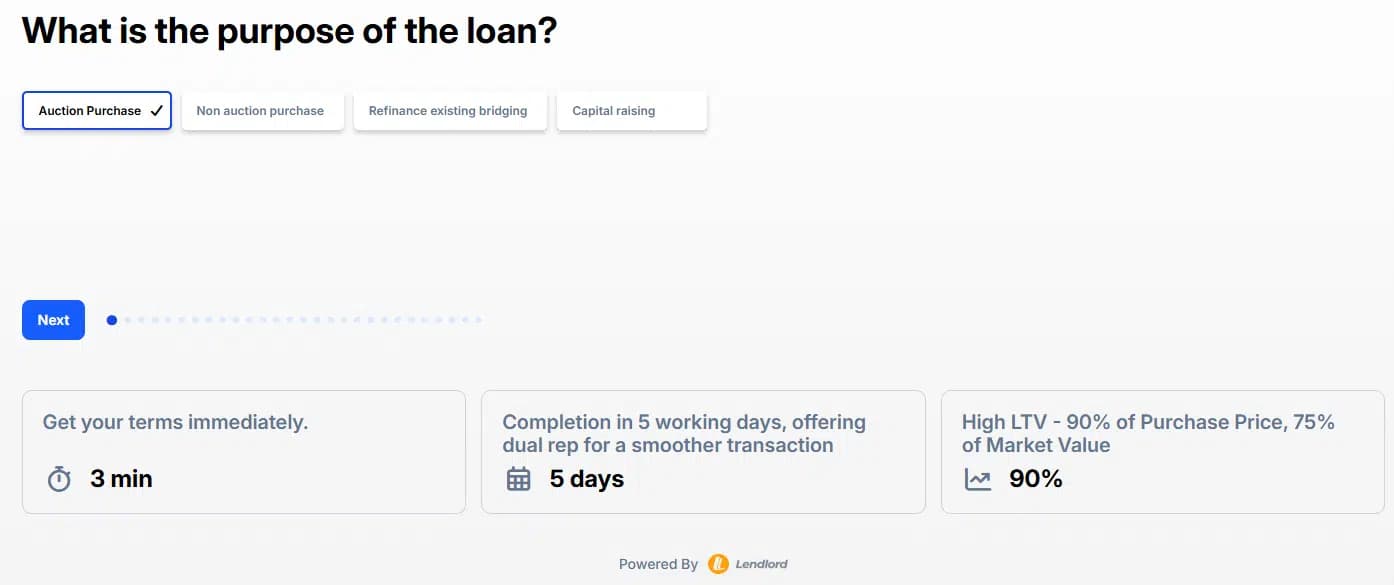
Quick bridging finance for auction is a short-term loan designed to complete within the standard 28-day auction window. It provides the capital to cover the 90% balance after the hammer falls, often secured in as little as 3 to 14 days. Lendlord helps landlords and property investors find property deals, analyse returns, manage their portfolio, track finances, and access tailored financing in one place.
In this article
The State of the 2026 Property Auction Market
The 28-Day Race Framework
The traditional auction process operates on a rigid legal timeline that demands completion within 28 days of the hammer fall. Investors must pay a 10% deposit immediately at the auction house. Failure to provide the remaining 90% within the four-week window typically results in the loss of the deposit. Key components of this framework include:
- Exchange of Contracts: Occurs immediately upon the fall of the hammer.
- Deposit Requirement: A 10% non-refundable payment is due on the auction day.
- Completion Deadline: The final 90% balance must be transferred within 20 working days.
Modern Method vs. Traditional Auctions
The 2026 market shows an increase in the Modern Method of Auction, which extends the completion window to 56 days. This method requires a non-refundable reservation fee rather than an immediate 10% exchange deposit. While more flexible, the 56-day limit still poses risks for traditional mortgage applications. Lendlord users often prefer bridging finance for both methods to ensure they do not miss these critical deadlines. Data-led decisions are essential when choosing between these auction formats. Understanding the specific legal pack for each lot is the first step toward a successful acquisition.
Bridging vs. Traditional Mortgages: A Data-Led Comparison
Why Standard Lending Fails the Auction Test
Traditional buy-to-let mortgages typically require 60 to 90 days for full processing and fund release. This duration is incompatible with the 28-day auction requirement. Lenders often require a full physical valuation, which can take two weeks to book and execute. In contrast, bridging finance can utilise an Automated Valuation Model (AVM) to expedite the process. This allows for a Decision in Principle (DIP) within hours of an enquiry. Bridging lenders focus on the asset value rather than the borrower's monthly income profile.
Speed, Criteria, and Cost Metrics
- Exit Strategy: Bridging requires a clear repayment plan, such as a refinance or a property sale.
Financing Unmortgageable Auction Properties
Handling Structural and Amenity Defects
Many auction lots are sold because they are considered unmortgageable by mainstream banks. Bridging finance is specifically designed to fund high-potential assets that lack standard amenities. Common unmortgageable defects covered by bridging lenders include:
- Missing Facilities: Properties lacking a functional kitchen or internal bathroom.
- Structural Issues: Buildings with active subsidence, damp, or Japanese Knotweed.
- Title Defects: Properties with short leases or restrictive covenants.
100% Funding and Additional Security
While most lenders cap LTV at 75%, investors can sometimes access 100% of the purchase price. This is typically achieved by providing additional security in the form of other properties within the portfolio. The lender takes a first or second charge over the existing assets to mitigate their risk. This approach allows investors to preserve their cash flow for the refurbishment phase. You can use the Lendlord Deal Analyser to calculate if the Gross Development Value (GDV) supports this level of borrowing. Proper analysis ensures the exit strategy remains viable after the works are finished.
The 7-Step Auction Funding Timeline
Pre-Auction Preparation and DIP
The process begins before you enter the auction room. You should secure a Decision in Principle (DIP) to understand your maximum bidding capacity. This document provides the confidence to bid, knowing the finance is achievable in principle. You must also instruct a solicitor to review the legal pack for any hidden covenants. Use the Lendlord Finance Hub to compare different bridging options before the auction starts. Having these figures ready allows you to act with reassuring urgency when the bidding begins.
From Hammer Fall to Completion
Once the hammer falls, you sign the Memorandum of Sale and pay your 10% deposit. You must immediately notify your lender to trigger the full application process. The critical steps in the completion phase include:
Valuation Execution of an AVM or physical survey within 48 hours. Legal Due Diligence Solicitor review of the Memorandum of Sale and Title. Fund Drawdown Transfer of the 90% balance to the auctioneer's solicitor by day 28.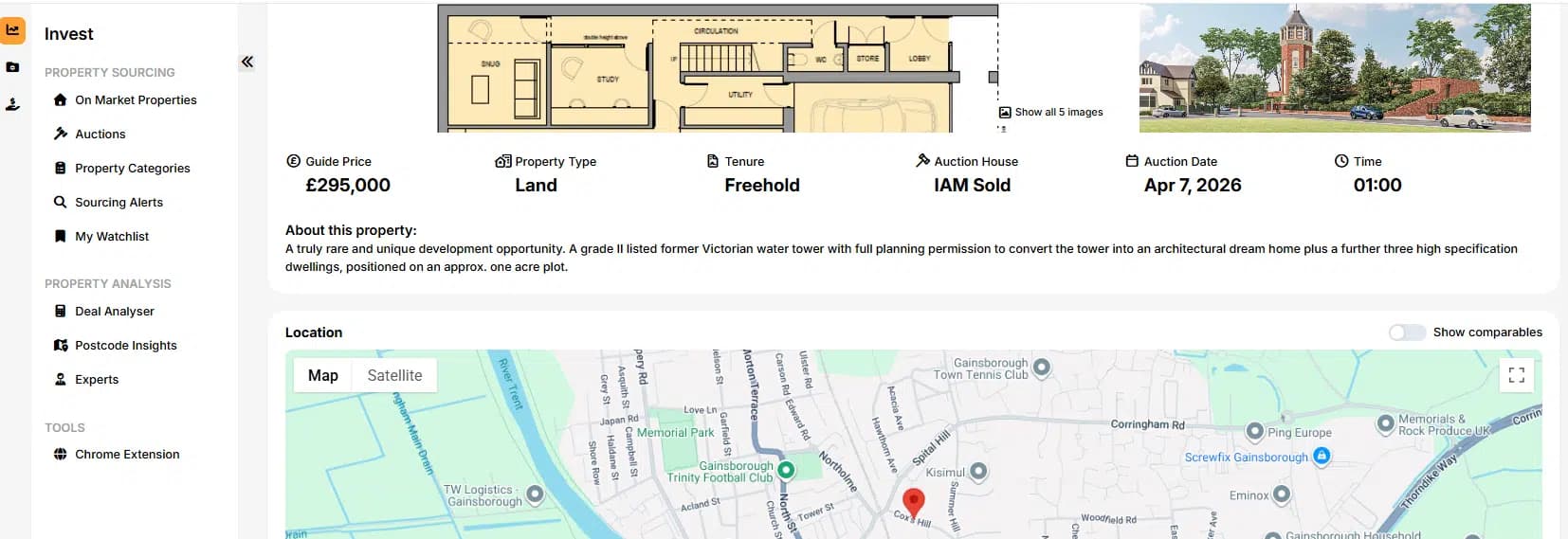
Strategic Implications for Stakeholders
Managing the Exit Strategy
A bridging loan is a temporary facility, and the exit strategy is the most critical component of the application. Lenders will scrutinise the feasibility of your exit plan before approving the funds. Common exit strategies for auction purchases include:
- Refinance: Moving to a long-term buy-to-let mortgage after refurbishment.
- Property Sale: Selling the asset on the open market for a capital gain.
- Cash Repayment: Using existing capital or proceeds from another asset sale.
Cost of Capital and Fee Transparency
Bridging finance carries higher interest rates than traditional mortgages, reflecting the speed and risk involved. You should account for arrangement fees, which typically range from 1% to 2% of the loan amount. Valuation fees and legal costs for both the borrower and the lender are also standard. Some lenders may also charge an exit fee upon repayment of the loan. Detailed financial tracking is necessary to ensure the project remains profitable after all costs. Always verify the total cost of capital before committing to a bridging facility.
Forward-Looking Statement: Auction Finance in 2026
The 2026 property market is characterised by base rate stability, which has narrowed bridging margins. This environment allows landlords and property investors to access more competitive short-term rates. Key trends for 2026 auction finance include:
🤖AI IntegrationUse of LendlordAI to predict refurbishment costs and yield. Learn more about AI-powered tools and bridging finance.⚡Automated UnderwritingFaster DIP approvals via Open Banking and Plaid Financial Ltd.🌱Sustainability IncentivesLower bridging rates for properties targeted for EPC upgrades.Commonly Asked Questions
How do I apply for a bridging loan quickly and efficiently?
Applying through a digital platform like Lendlord is the most efficient method. You provide property details, your exit strategy, and proof of your 10% deposit. The platform then matches your requirements with tailored financing options from a range of lenders. This digital approach can reduce the time to receive a DIP to just a few hours. Lendlord ensures your documentation is organised for a rapid underwriting process.
What are the typical interest rates for short term auction finance?
Interest rates for auction bridging typically range from 0.7% to 1.2% per month. These rates depend on the LTV, the property type, and the borrower's experience level. Lendlord helps you compare these rates using bridging loan calculators across multiple providers to find the most suitable option for your deal. Rates may be higher for properties requiring heavy structural refurbishment. Always check if the interest is serviced monthly or rolled up into the loan.
Can I get a bridging loan for an unmortgageable property?
Yes, bridging finance is the standard solution for properties that traditional lenders reject. This includes homes without kitchens, bathrooms, or those with significant structural defects. Lendlord connects you with lenders who specialise in these types of high-potential auction lots. The focus is on the property value after the necessary repairs are completed. This allows you to purchase, renovate, and then refinance onto a standard mortgage.
What documents do I need for a bridging loan application?
You generally need a valid ID, proof of address, and evidence of your 10% deposit funds. The lender will also require the Memorandum of Sale and a detailed exit strategy document. If you plan to refurbish, a schedule of works and a budget are often necessary. Lendlord provides a central place to store and manage these documents for easy access. Having this pack ready before the auction is a key step in the 28-day race.
How does Lendlord help with auction finance?
Lendlord provides a comprehensive suite of tools to analyse auction deals and access tailored bridging finance. You can use the Deal Analyser to check ROI and the Finance Hub to find the best lending terms. The platform also helps you manage the transition from bridging to long-term finance. Lendlord helps landlords and property investors manage their portfolio and access finance more easily in one place. This integration ensures you remain in control of every stage of the auction process.
ICO registration reference: ZA561346
Lendlord provides you with regulated account information services as an agent of Plaid Financial Ltd. Information provided is general in nature and rules can change. Users should confirm the latest position for their circumstances as professional advice may be needed. AI outputs from LendlordAI are for informational support and users should independently verify important decisions. AI does not replace professional, legal, tax, or financial advice.