Exit Tax UK 2025: Complete Guide for Property Investors
Published · Updated · 13 min read

As property investors navigate the complex landscape of UK taxation, one question looms large: Is there an Exit Tax in the United Kingdom? While the UK currently does not impose a formal exit tax on individuals who emigrate, recent discussions and proposals from leading think tanks have brought this issue to the forefront. This comprehensive guide examines the current status of Exit Tax in the UK, explores potential implications for property investors, and provides strategic insights for those managing UK property portfolios.
Understanding Exit Tax: What It Means for Property Investors
An Exit Tax is a levy imposed on individuals who relocate abroad, typically calculated on unrealised capital gains at the time of departure. This mechanism prevents high-net-worth individuals from avoiding capital gains tax by simply moving to a jurisdiction with more favourable tax regimes. Countries such as Australia, the United States, Canada, and Japan have implemented various forms of exit taxation to prevent what is often termed "tax flight."
For property investors, the implications are significant. If an Exit Tax were introduced in the UK, investors would potentially face tax obligations on unrealised gains from their UK property holdings when emigrating, regardless of whether they have sold those assets. This represents a fundamental shift from the current system, where UK residents can avoid Capital Gains Tax on UK assets by emigrating for more than five years.
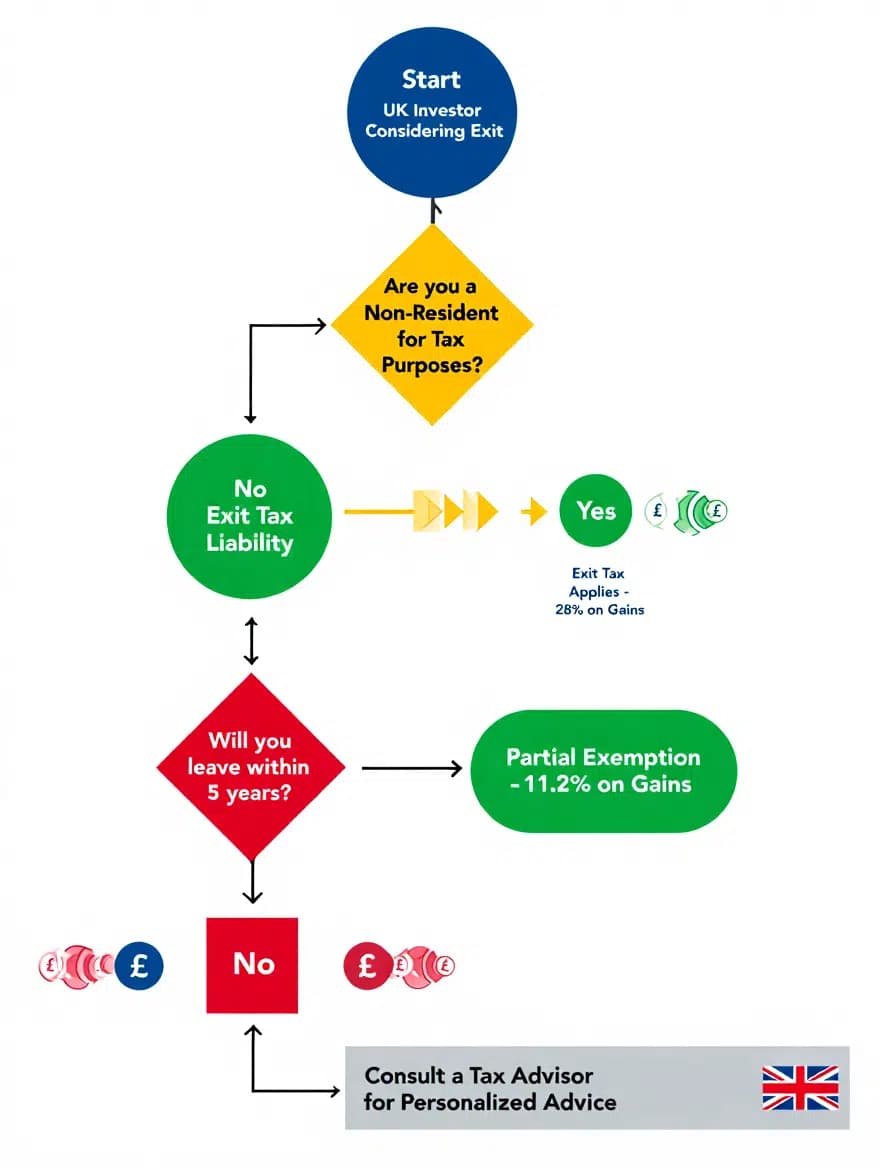
Global Exit Tax Landscape
The Current Status of Exit Tax in the United Kingdom
No Exit Tax Currently: What This Means for Investors
As of November 2025, the United Kingdom does not impose a formal Exit Tax on individuals or businesses relocating abroad. This means that UK residents can potentially avoid UK Capital Gains Tax on their UK assets by emigrating for more than five years. For property investors, this creates a significant planning opportunity, though it must be balanced against other tax considerations such as Non-Resident Capital Gains Tax (NRCGT) and Stamp Duty obligations.
The absence of an Exit Tax has made the UK an attractive destination for international property investors, but it has also facilitated what some economists describe as "tax flight" among high-net-worth individuals. This dynamic has sparked intense debate among policymakers, think tanks, and tax experts about whether the UK should join other major economies in implementing exit taxation.
@mitchthetaxman An exit tax has been proposed in the latest budget prediction #exittax#budget#rachelreeves#uktax#tax original sound - Mitch The Tax Man
Recent Proposals and Debates
Leading think tanks have been vocal advocates for introducing an Exit Tax in the UK. The Resolution Foundation has championed an "Australian-style" exit charge that would levy Capital Gains Tax on unrealised gains when high-net-worth individuals leave the UK. This proposal aims to address concerns about wealthy individuals relocating to avoid UK tax obligations on their accumulated gains.
The Institute for Fiscal Studies has echoed these calls, suggesting a one-off levy on asset uplifts to stem the outflow of wealthy emigrants. The data supporting these concerns is compelling: between 2017 and 2023, the UK experienced a cumulative net loss of 16,500 millionaires as high-net-worth individuals relocated abroad, often to jurisdictions with more favourable tax treatment.
Millionaire Exodus from the UK (2017-2023)
Despite these recommendations, HM Treasury has indicated as of July 2025 that implementing an Exit Tax is not currently a priority. However, experts note that pressure may mount if Capital Gains Tax rates rise further, potentially prompting fresh debate on whether departing millionaires should face a final tax bill before leaving UK tax jurisdiction.

Stay Ahead of Tax Changes
Manage your property portfolio with confidence. Lendlord.io helps you track tax obligations, calculate liabilities, and stay informed about regulatory changes.
Start Free TrialExisting Tax Obligations for UK Property Investors
While there is currently no Exit Tax in the UK, property investors must navigate a complex web of existing tax obligations. Understanding these taxes is crucial for effective portfolio management and strategic planning, particularly in anticipation of potential regulatory changes.
Capital Gains Tax (CGT) on UK Property
Non-UK residents are subject to Capital Gains Tax on the sale or disposal of UK land and property, including both residential and commercial assets. As of April 2025, the applicable CGT rates are 18% for basic rate taxpayers and 24% for higher or additional rate taxpayers. This represents an increase from previous rates, reflecting the government's focus on property investment taxation.
Non-resident individuals must report and pay CGT on UK property disposals within 60 days of the transaction's completion. The annual CGT exemption for the 2025/26 tax year stands at £3,000, providing some relief for smaller disposals. However, this exemption is significantly lower than in previous years, increasing the tax burden on property sales.
Capital Gains Tax Rates Comparison (2024-2025)
| Tax Year | Basic Rate | Higher/Additional Rate | Annual Exemption |
|---|---|---|---|
| 2024/25 | 18% | 28% | £6,000 |
| 2025/26 | 18% | 24% | £3,000 |
Non-Resident Capital Gains Tax (NRCGT)
Introduced in April 2019, Non-Resident Capital Gains Tax subjects gains made by non-UK resident corporate investors on disposals of UK real estate to UK corporation tax. This applies whether the disposal is direct or indirect through UK property-rich companies, defined as entities where 75% or more of the gross value of assets derive from UK real estate.
As of April 2025, the corporation tax rate stands at 25%, creating a significant tax burden for non-resident corporate property investors. This mechanism ensures that even when property is held through corporate structures, UK tax obligations are maintained, preventing the use of corporate vehicles to avoid UK property taxation.
Stamp Duty Land Tax (SDLT) Considerations
Non-resident individuals face an additional 2% surcharge on top of standard Stamp Duty rates when purchasing property in England and Northern Ireland. This surcharge applies to both residential and commercial properties, significantly increasing acquisition costs for international investors.
The SDLT rates for buy-to-let investors as of April 2025 are structured progressively, with rates ranging from 5% on properties up to £125,000, scaling up to 17% for properties above £1.5 million. When combined with the 2% non-resident surcharge, total SDLT obligations can reach 19% for high-value properties, representing a substantial barrier to entry for international property investment.
SDLT Split Example on £500k Investment (Standard 10% + 2% Surcharge)Illustrative split for mid-band purchase; actual SDLT bands apply progressively.SDLT Rates for Buy-to-Let Investors (April 2025)
| Property Value | Standard Rate | Non-Resident Surcharge | Total Rate |
|---|---|---|---|
| Up to £125,000 | 5% | +2% | 7% |
| £125,001 - £250,000 | 7% | +2% | 9% |
| £250,001 - £925,000 | 10% | +2% | 12% |
| £925,001 - £1.5 million | 15% | +2% | 17% |
| Above £1.5 million | 17% | +2% | 19% |
Calculate Your Buy to Let Returns
Use Lendlord's Buy to Let Calculator to analyze your rental property investment, estimate rental yields, cash flow, and make informed investment decisions in seconds.
Try Free Calculator → Free to use • Instant resultsIncome Tax on Rental Income
Rental income from UK properties is subject to UK income tax, regardless of the owner's residency status. Non-resident landlords must register with HMRC and may need to submit annual self-assessment tax returns. This creates ongoing compliance obligations that property investors must manage throughout their ownership period.
Recent changes to the 8% National Insurance Tax on rental income have further complicated the tax landscape for property investors, adding another layer of taxation that must be factored into investment returns and cash flow projections.
Potential Implications of an Exit Tax for Property Investors
If an Exit Tax were introduced in the UK, the implications for property investors would be profound. The most significant change would be the requirement to pay tax on unrealised gains when emigrating, rather than only when assets are sold. This would fundamentally alter tax planning strategies and investment timelines for property investors.
Impact on Investment Strategies
Property investors might need to accelerate disposal timelines, selling properties before emigrating to realise gains under current CGT rules rather than facing an Exit Tax on unrealised gains. This could create market pressure as multiple investors seek to exit simultaneously, potentially affecting property values and market liquidity.
Alternatively, investors might restructure their holdings through corporate vehicles or trusts to mitigate potential Exit Tax exposure. However, such strategies would need to be implemented well in advance of any emigration, as retroactive application of exit tax rules could limit effectiveness.
Potential Exit Tax Impact Scenarios
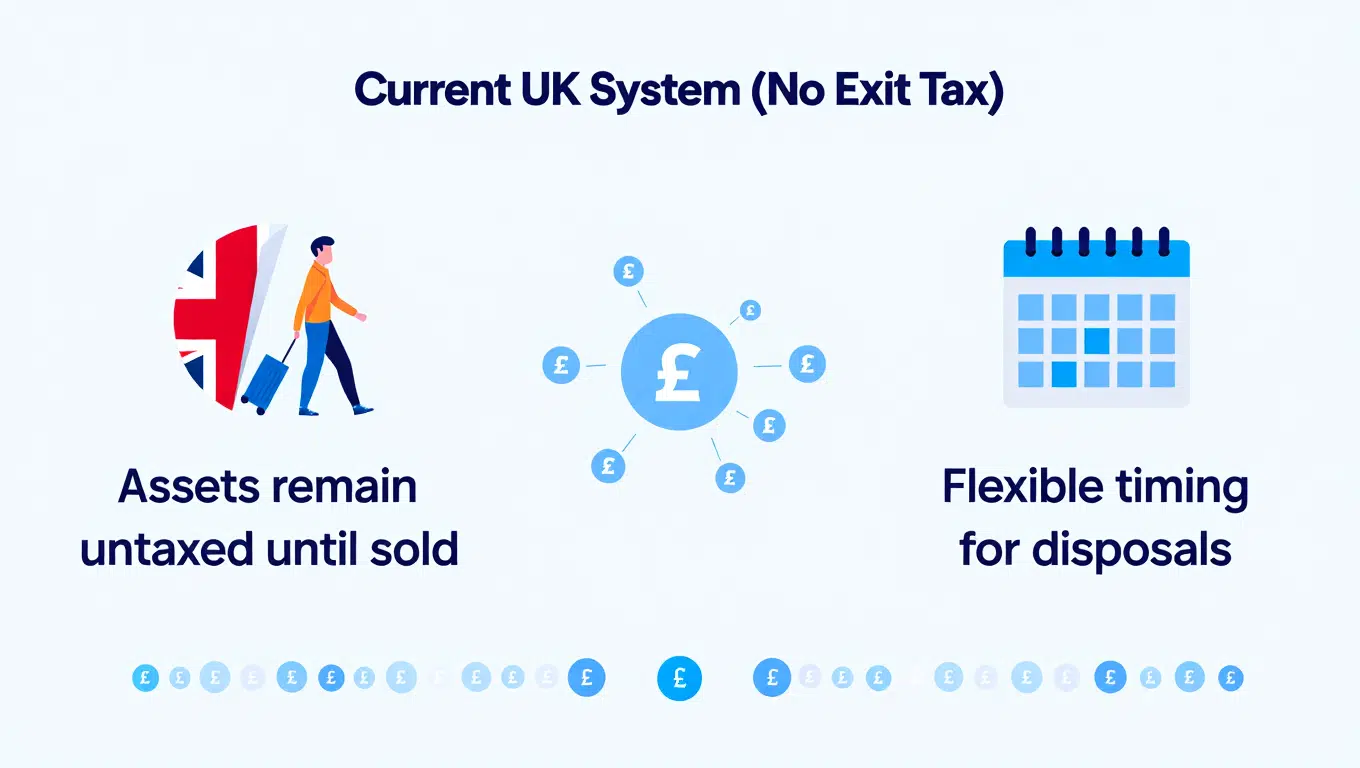
Current System (No Exit Tax)
Investors can emigrate without immediate tax on unrealised gains. Tax only applies when assets are sold, allowing for strategic timing of disposals.
With Exit Tax
Investors face immediate tax on unrealised gains upon emigration, regardless of whether assets are sold. This creates upfront tax obligations and reduces flexibility.
Key Insight: The introduction of an Exit Tax would eliminate the current five-year emigration window strategy, forcing investors to make more immediate decisions about their UK property holdings.Market Implications
The introduction of an Exit Tax could reduce international investment in UK property, as the tax cost of exiting the market would increase. This might particularly affect high-net-worth individuals who view property investment as part of a broader portfolio diversification strategy across multiple jurisdictions.
Conversely, the prospect of an Exit Tax might encourage some investors to accelerate their UK property investments before such measures are implemented, potentially creating a temporary surge in market activity. Understanding these dynamics requires careful monitoring of policy developments and expert tax advice.
@brickweaver UK POTENTIAL MANSION TAXES has the prime and central London market feeling queasy till Reeves clarifies come budget day #ukpropertyinvestment#ukproperty#londontiktok#ukpropertyprices#wealthtax♬ original sound - Brickweaver
Optimize Your Property Tax Strategy
Calculate your potential tax liabilities, track regulatory changes, and plan your property portfolio with confidence using Lendlord.io's comprehensive tax management tools.
Try Lendlord.io FreeTax Planning Strategies for Property Investors
Given the current absence of an Exit Tax and the potential for future implementation, property investors should adopt proactive tax planning strategies. These approaches can help optimise tax positions under current rules while preparing for potential regulatory changes.
Timing of Property Disposals
Strategic timing of property disposals can significantly impact tax liabilities. Investors considering emigration should evaluate whether disposing of properties before leaving the UK would be more advantageous than potentially facing an Exit Tax on unrealised gains. This requires careful analysis of current CGT rates, expected future rates, and the timing of any proposed Exit Tax implementation.
The current five-year window for avoiding UK CGT through emigration provides flexibility, but this could disappear if an Exit Tax is introduced. Investors should consider this timeline when planning major life changes or business relocations that might involve leaving UK tax jurisdiction.
Calculate Your Property Flip Returns
Use Lendlord's Property Flipping Calculator to analyze your deal, estimate profits, and make informed investment decisions in seconds.
Try Free Calculator → Free to use • Instant resultsUtilising Tax Allowances and Reliefs
Property investors should maximise available tax allowances and reliefs, including the annual CGT exemption of £3,000. While this exemption has been reduced, it still provides valuable tax relief for smaller disposals. Married couples and civil partners can effectively double this exemption through careful ownership structuring.
Business Asset Disposal Relief (formerly Entrepreneurs' Relief) may also be available in certain circumstances, potentially reducing CGT rates to 10% on qualifying gains up to £1 million. However, this relief has been significantly restricted in recent years, requiring careful qualification planning.
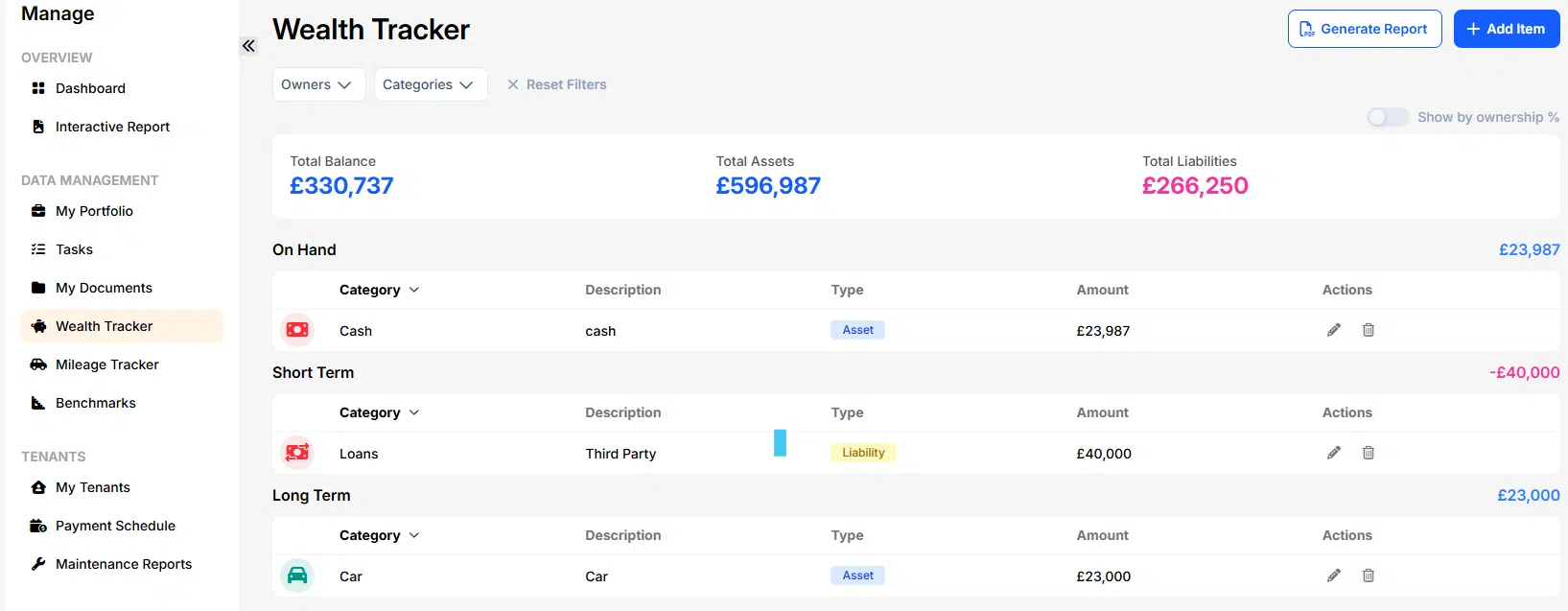
Tax Planning Timeline for Property Investors
Corporate Structures and Trust Planning
For larger property portfolios, corporate structures or trusts may offer tax planning opportunities. However, these must be carefully structured to avoid unintended tax consequences, particularly with NRCGT rules that apply to property-rich companies. Professional tax advice is essential when considering such structures.
It's important to note that any restructuring should be undertaken well in advance of potential emigration, as last-minute changes may not provide effective tax mitigation if Exit Tax rules are implemented with retroactive elements or anti-avoidance provisions.
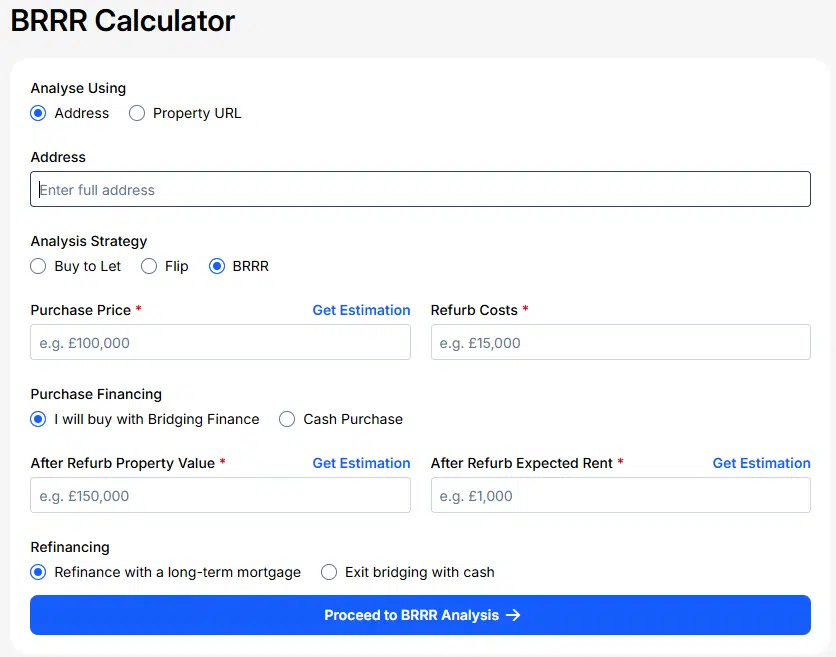
Calculate Your BRRR Returns
Use Lendlord's BRRR Calculator to analyze your Buy, Rehab, Rent, Refinance strategy, estimate returns, and make informed investment decisions in seconds.
Try Free Calculator → Free to use • Instant resultsHow Lendlord.io Helps Property Investors Navigate Tax Complexity
Managing property tax obligations in the UK requires comprehensive tracking, accurate calculations, and staying informed about regulatory changes. Lendlord.io provides property investors with the tools and insights needed to navigate this complex landscape effectively.
Automated Tax Calculations
Lendlord.io's platform automatically calculates Capital Gains Tax, Stamp Duty obligations, and income tax on rental income based on current rates and regulations. This eliminates manual calculation errors and ensures investors have accurate tax projections for their property portfolios.
The platform's tax calculators account for all relevant factors, including property value, purchase date, ownership structure, and residency status. This comprehensive approach helps investors understand their full tax obligations and identify opportunities for tax optimisation.
Regulatory Change Tracking
Staying informed about tax law changes is crucial for effective property investment management. Lendlord.io monitors regulatory developments, including proposals for Exit Tax implementation, and provides timely updates to users. This proactive approach ensures investors can adapt their strategies in response to changing tax landscapes.
When significant changes occur, such as the recent adjustments to CGT rates or the introduction of new surcharges, Lendlord.io automatically updates calculations and notifies users of potential impacts on their portfolios. This real-time responsiveness helps investors make informed decisions quickly.
Portfolio Management and Reporting
Effective tax planning requires comprehensive portfolio visibility. Lendlord.io provides centralised property portfolio management, allowing investors to track all their UK property holdings in one platform. This holistic view enables more strategic tax planning and better understanding of overall portfolio performance.
Custom tax reports can be generated for specific scenarios, such as calculating potential Exit Tax liabilities if such measures were introduced, or projecting CGT obligations for planned property disposals. These analytical capabilities support informed decision-making and strategic planning.
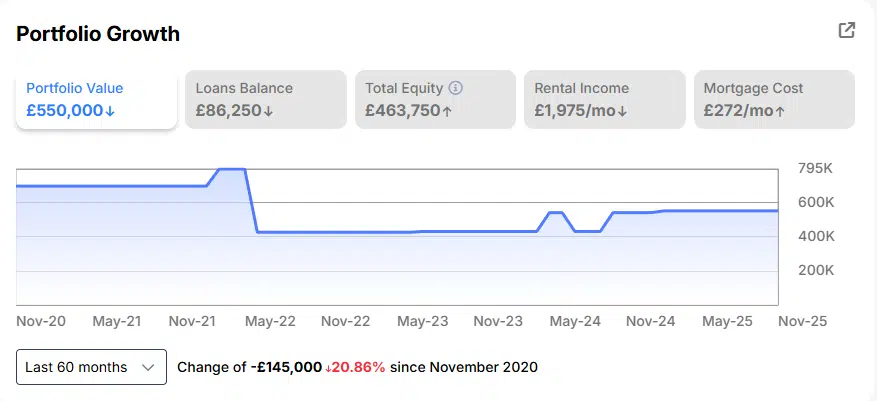
Lendlord.io Tax Management Features
Automated Calculations
CGT, SDLT, and income tax calculations based on current rates
🔔Change Alerts
Real-time notifications about tax law changes and proposals
📈Portfolio Analytics
Comprehensive view of all property holdings and tax obligations
📋Custom Reports
Scenario analysis and tax planning reports tailored to your needs
Key Insight: Centralised tax management through Lendlord.io helps property investors stay compliant, optimise tax positions, and prepare for potential regulatory changes like Exit Tax implementation.Practical Scenario: Preparing for Potential Exit Tax
Consider a property investor with a portfolio of three UK residential properties, each with significant unrealised gains. Under current rules, this investor could emigrate and potentially avoid UK CGT on these gains after five years. However, if an Exit Tax were introduced, they would face immediate tax obligations on unrealised gains upon emigration.
Using Lendlord.io, this investor could model both scenarios, calculating potential tax liabilities under current rules versus potential Exit Tax implementation. This analysis would inform decisions about timing of emigration, property disposals, and portfolio restructuring. The platform's scenario analysis tools enable investors to prepare for multiple potential outcomes, reducing uncertainty and supporting strategic planning.
Ready to Optimize Your Property Tax Strategy?
Join thousands of property investors who use Lendlord.io to manage their portfolios, calculate taxes accurately, and stay ahead of regulatory changes.
Get Started TodayThe Future of Exit Tax in the UK: What to Watch
While HM Treasury has indicated that Exit Tax implementation is not currently a priority, several factors suggest this could change. Rising CGT rates, ongoing pressure from think tanks, and the continued outflow of high-net-worth individuals may eventually tip the balance toward Exit Tax introduction.
Property investors should monitor several key indicators: announcements from HM Treasury or HMRC regarding tax policy reviews, publications from think tanks like the Resolution Foundation and Institute for Fiscal Studies, and broader discussions about wealth taxation in the UK. The upcoming general election and potential changes in government could also accelerate or delay Exit Tax proposals.
"The absence of an Exit Tax creates a significant planning opportunity for property investors, but this window may close if proposals gain political traction. Staying informed and planning proactively is essential."
- UK Property Tax ExpertKey Dates and Developments to Monitor
Investors should pay particular attention to annual Budget announcements, which typically occur in the spring or autumn. These events often include significant tax policy changes and could potentially introduce Exit Tax measures. The Autumn Statement and Spring Budget are particularly important moments for tax policy announcements.
Additionally, consultations and discussion papers from HM Treasury provide early signals about potential policy directions. These documents typically invite stakeholder input before final decisions are made, offering investors opportunities to understand and potentially influence policy development.
Exit Tax Implementation Timeline Factors
| Factor | Current Status | Potential Impact |
|---|---|---|
| HM Treasury Priority | Not a priority (July 2025) | Low immediate likelihood |
| Think Tank Pressure | Active advocacy | Medium-term possibility |
| Millionaire Exodus | 16,500 net loss (2017-2023) | Long-term pressure |
| CGT Rate Increases | Recent rate changes | Could accelerate proposals |
| Political Changes | Election cycles | Uncertain timing |
Conclusion: Navigating Exit Tax Uncertainty
The UK's current absence of an Exit Tax provides property investors with planning flexibility, but this situation may not persist indefinitely. Proposals from leading think tanks, data on wealth migration, and evolving tax policy discussions suggest that Exit Tax could become a reality in the future.
For property investors, the key is to stay informed, plan proactively, and utilise tools and resources that help navigate tax complexity. Understanding current tax obligations, including CGT, NRCGT, and Stamp Duty, provides a foundation for effective tax planning regardless of whether Exit Tax is eventually introduced.
Platforms like Lendlord.io offer property investors comprehensive tax management capabilities, from automated calculations to regulatory change tracking. These tools become particularly valuable when facing uncertainty about future tax policy, enabling investors to model different scenarios and adapt strategies as needed.
As the debate over Exit Tax continues, property investors should maintain awareness of developments while focusing on optimising their current tax positions. Whether Exit Tax becomes reality or remains a proposal, effective tax planning and portfolio management remain essential for successful property investment in the UK.
For those navigating the complexities of 8% National Insurance Tax on rental income, understanding New UK Tenant Laws, and managing overall property tax obligations, staying informed and utilising professional tools is more important than ever.
Take Control of Your Property Tax Management
Start your free trial of Lendlord.io today and gain access to comprehensive tax calculation tools, regulatory updates, and portfolio management features designed for UK property investors.
Start Your Free Trial