England v Croatia: Why Property Investors Should Be Deal-Ready Before the Market Gets Distracted
Published · Updated · 9 min read

Right, England v Croatia is about to dominate every pub debate, radio phone-in and MOTD highlights package in the country. For most people it is a football story. For landlords and property investors, it is also a blunt reminder: the pitch does not stop spinning just because the nation has gone matchday mad. Deals are rarely won in injury time. They are won in pre-season, when bridging finance is scoped, the legal pack has had a proper VAR check, refurbishment numbers have been stress-tested and your exit strategy is match-fit.
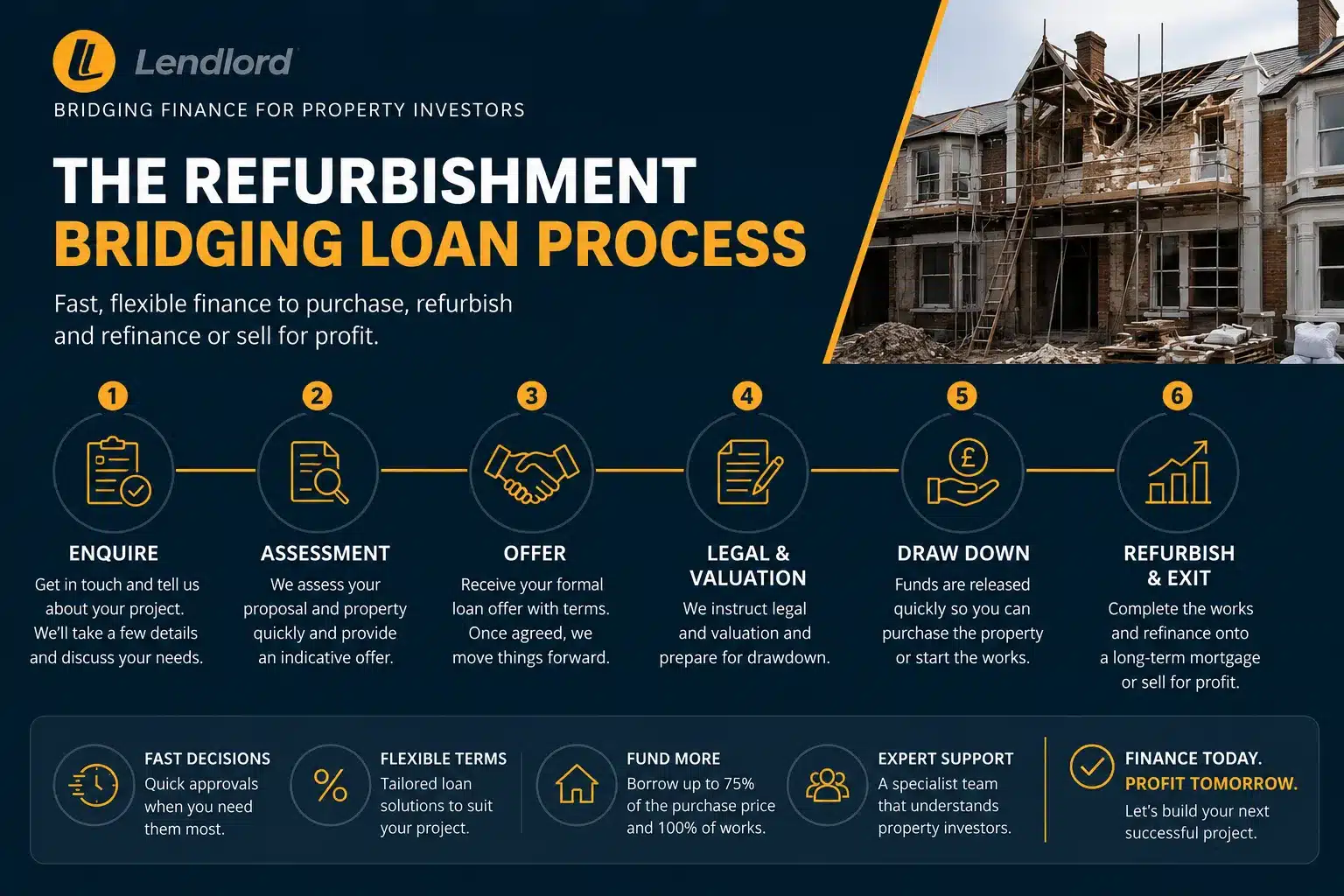
That is especially true if you are buying at auction, bridging a purchase, or trying to beat another bidder to the signing before they get their boots on. When the wider market is glued to the telly, the investor with squad depth already in place is the one who can play a quick counter-attack on the right lot.
Distraction does not kill deals. Turning up without a warm-up does.
A football match does not make your property deal collapse. But it does expose a classic amateur error: only getting serious when the referee is already looking at his watch.
That is a relegation-scrap habit in property investment.
Auction purchases run to tight completion deadlines. Bridging finance can shift quickly, but only when the borrower, lender, solicitor and valuer are all on the same team sheet with the paperwork they need. Refurb projects can look like a tap-in on paper and turn into a scrappy midfield battle when costs, timings or planning assumptions have not been checked.
The real question is not whether rival buyers are distracted by pundit chat. It is whether you are match-fit when they are still in the pub.
Before the pressure kicks in, landlords need clarity on five things:
- What you are buying
- How you are funding it
- What legal issues could delay completion
- What work the property needs
- How you will exit the loan or investment
If any of those answers are vague, the deal is not ready. You are not in the squad. You are still on the bench with your boots unlaced.
Why auction buyers need to prepare before the hammer drops
Auction stock can offer genuine opportunity, but it strips away the luxury of playing it safe. Once the hammer falls, you are usually committed. That means your prep happens before the bid, not after full-time when you are replaying what went wrong.
For investors, the legal pack is your pre-match scouting report. It can flag title issues, restrictions, lease problems, planning concerns, tenancy complications, access rights and other details that affect both value and whether the lender will even pick you in the starting XI.
A landlord who bids first and checks later is playing offside on purpose. It is unnecessary risk with a yellow card waiting.
The same goes for finance. Hoping a bridge will appear because the lot looks tasty is like assuming a last-minute loan signing on deadline day with no medical and no shirt number sorted. Lenders still want the borrower profile, security, valuation, condition and exit route nailed down.
In a competitive auction room, the strongest buyer is not always the one waving the biggest fee. It is the one who knows exactly how they complete. They have done the warm-up. They are not hoofing it long and hoping.

Read our full auction finance guide for the 28-day completion timeline and pre-bid checklist. Think of it as your tactical briefing before kick-off.
Got an auction fixture coming up?
See how Lendlord funds auction purchases - rates from 0.75% pm, completion in as little as 5 days, direct lender. No last-minute panic signings required.
Explore Bridging LoansBridging finance rewards readiness, not a hoof-ball panic
Bridging finance gets sold as fast finance. Fair enough. But speed does not come from hoofing it long when the clock is ticking. It comes from keeping your shape before the pressure arrives.
A lender can move quickly when the deal is clear. That usually means documents are ready, the valuation route is straightforward, the solicitor was engaged early and the exit makes sense on one page of A4.
The quickest bridging cases tend to have fewer surprises. Clean sheets, if you like.
A simple purchase with a clear valuation, light refurbishment and a realistic buy-to-let refinance exit is usually easier to underwrite than a heavy refurb with uncertain costs and a resale value that lives entirely in pundit optimism.
That does not mean complex deals cannot be funded. It means they need more prep, more evidence and more time on the training ground. See our refurbishment bridging guide for tranche drawdowns and GDV exits.
Some investors treat bridging like a substitute brought on in the 89th minute to rescue a deadline. Smarter operators treat it as part of the game plan from day one.
Before you bid on a lot, check these three things - your due diligence warm-up for auction investors
The legal process is where most deals lose pace
Plenty of investors obsess over how fast the lender can complete. Fair shout. But legal delays are often what actually kill momentum, like a soft penalty conceded when you thought you had control of the ball.
The lender may be ready to go, but if the legal pack is thin, the title is messy, your solicitor is slow or key documents are missing, the deal still stalls. You are stuck in the tunnel while everyone else plays on.
Experienced investors do not only ask, "How quickly can the lender complete?"
They also run through the checklist like a gaffer before a cup tie:
- Has the legal pack been reviewed?
- Are there any title defects?
- Are there planning or licensing issues?
- Is the property tenanted?
- Are there lease restrictions?
- Is the solicitor experienced with bridging or auction transactions?
- Are there any third-party consents required?
These are not admin trivia. They decide whether you complete on time or get caught cold when injury time arrives.
Refurb assumptions need to be realistic, not pub-talk optimistic
Plenty of deals look tasty because of the uplift after works. But uplift only counts if the refurb plan is match-fit, not built on MOTD-level hype.
Light refurbishment can be straightforward: decoration, flooring, kitchen upgrades, bathroom work, minor repairs. Heavy refurbishment is a different fixture entirely. Structural work, planning, building control, contractor risk, bigger costs, longer timelines.
That matters for funding. A lender wants to know the works fit the borrower's experience, budget and exit plan. No fantasy football numbers.
Before you commit, ask yourself like a proper analyst, not a radio caller:
- Is this genuinely light refurbishment or something more complex?
- Have I priced the works properly?
- Do I have contingency?
- Can the works be completed within the loan term?
- Will the property be mortgageable after the works?
- Is the expected valuation uplift realistic?
- What happens if the sale or refinance takes longer than planned?
The best investors are not the loudest in the pub. They are the most prepared on the pitch.
Your exit strategy is the captain's armband
In bridging finance, the exit is not a footnote in the programme notes. It is the whole game plan.
A lender needs to know how the loan gets repaid. For landlords and property investors, the usual routes are sale, refinance onto buy-to-let, refinance onto a commercial facility, or repayment from another planned capital source.
Your exit should be simple enough to explain in one sentence at half-time.
Match-fit exit: "We are buying below market value, completing light refurbishment, increasing the rent, and refinancing onto a buy-to-let mortgage within six months."
Bench-warmer exit: "We will improve the property and decide later whether to sell or refinance."
Claire - Senior Bridging Specialist, LendlordA vague exit creates doubt. A clear exit creates confidence. If your exit depends on higher rents, higher resale values, planning approval, a quick sale or a future lender taking a kinder view, test those assumptions before you sign. Do not leave it to VAR after the whistle.
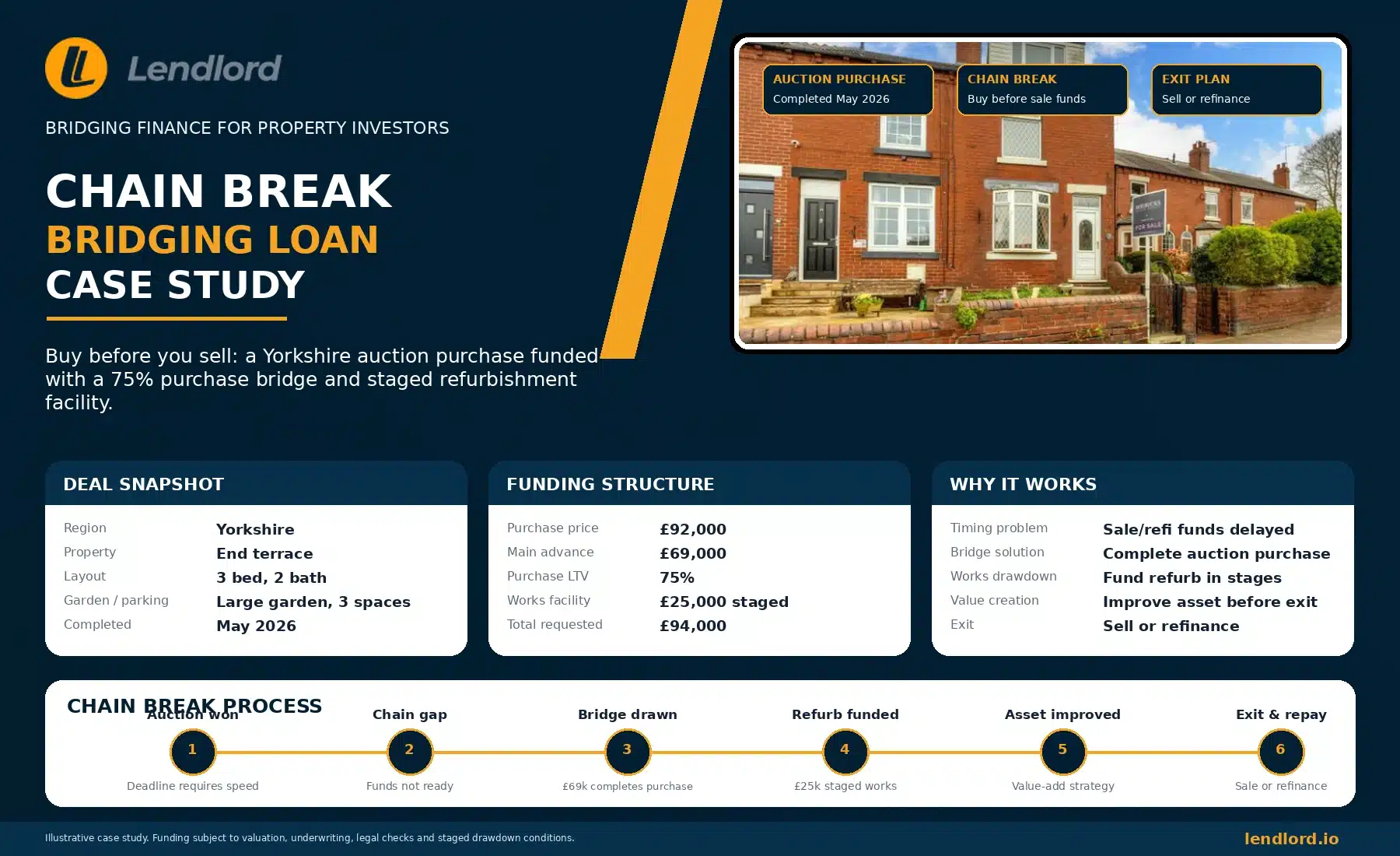
When sale or refinance funds are delayed, a chain break bridge can keep your onward purchase on track - but only if the exit is credible. No point parking the bus if you have no route to full-time.
When the market is watching the match, prepared investors pick up the points
England v Croatia is a handy hook, but this is bigger than one fixture.
Markets are full of distractions: elections, rate speculation, bank holidays, major sporting events, tax deadlines, policy announcements, summer slowdowns. Some buyers park the bus. Some sellers go quiet. Some brokers and solicitors are harder to reach. Some investors lose focus entirely.
Prepared investors use those windows well. They scout opportunities while rivals are glued to the screen. They move when a seller wants certainty. They bid with confidence because legal and funding positions are already sorted. They do not make emotional last-minute signings because the numbers were done weeks ago.
Distraction does not automatically hand you a deal. But it can reward the investor who kept their shape when everyone else got caught up in the occasion.
Your pre-deadline team sheet
Before you commit to a time-sensitive purchase, work through this like a proper pre-match briefing.
1. Review the legal pack early
Do not leave legal review until after you have emotionally committed. The legal pack can change the whole risk profile. That is your VAR moment - use it before kick-off, not after.
2. Confirm the valuation route
Know whether the lender wants a desktop valuation, automated valuation, drive-by or full inspection. The route affects both speed and certainty. No point celebrating a bid if the numbers will not stack.
3. Be honest about the works
Separate cosmetic refurb from heavy refurb. Price the works properly and allow for delay. Fantasy squad-building never survives contact with a real contractor.
4. Prepare borrower documents
Lenders move faster when ID, proof of funds, asset and liability statements, company documents and experience details are ready. Squad registered. Shirt numbers sorted.
5. Choose the right solicitor
A solicitor unfamiliar with bridging or auction finance can slow an otherwise strong case. You want someone who knows this fixture, not a debutant thrown in cold.
6. Define the exit clearly
Sale, refinance or another repayment route should be realistic, documented and commercially sensible. Your set-piece plan, not a hopeful punt from the halfway line.
7. Know your maximum bid
Do not let auction-room adrenaline push you beyond your numbers. A good deal at one price becomes a howler at another. Hold your nerve.
Model your deal before the final whistle
Use the bridging calculator to stress-test rate, fees and total cost against your exit timeline. Know your xG before you take the shot.
Bridging CalculatorGet Your Instant QuoteProperty deals are won before the pressure moment
The sharpest property investors do not rely on last-minute momentum. They build options before they need them. Pre-season work, not injury-time miracles.
That is the real takeaway from England v Croatia. While much of the market is watching the match, serious landlords should be asking whether their next deal is actually ready to play.
- Is the legal position clear?
- Is the funding route realistic?
- Is the refurbishment plan properly costed?
- Is the exit strong enough?
- Is the completion timeline achievable?
If the answer is yes, distraction in the wider market might hand you a chance to pick up points while rivals are elsewhere.
If the answer is no, the problem is not the football. The problem is preparation. You got caught cold.
Property deals do not wait for full-time. The investors who win are usually the ones who were match-fit before the pressure started.
The bridging platform trusted by Jamie York
Buying at auction or facing a tight completion deadline?
Get your bridging route clear before the deal goes to injury time. Speak to Lendlord about your auction timeline, valuation route, refurb plan and exit strategy before you bid. No hoof-ball required.
Get Your Instant QuoteView Bridging LoansReviewed by Claire - Senior Bridging Specialist12+ years in property finance - CeMAP qualifiedAbout Lendlord
Lendlord is a UK PropTech platform that helps property investors source, analyse, fund, and manage property deals in one place. As a direct bridging lender, Lendlord provides bridging loans from £30k-£3M at rates from 0.75% pm, with completions from 5 days and no broker fees.
Commercial Property Awards 2026 Finalist. Property Reporter Awards 2022 Winner.
This article is informational and does not constitute financial advice. Your property may be repossessed if you do not keep up repayments or repay the loan at the end of the term.