After Your First MTD Update: What to Fix Before 7 November
Published · Updated
4 min read

Your first Making Tax Digital quarterly update was due on 7 August 2026. Some landlords filed cleanly. Others left gaps: missing rent weeks, repairs still in a spreadsheet, or mortgage interest sat in the wrong category.
Your next deadline is 7 November 2026. That second update covers 6 July to 5 October 2026 on standard periods. Soft landing removes penalty points for late quarterly updates in 2026/27, but the filing is still mandatory.
This page is the cleanup before you click submit. The August filing walkthrough in the MTD Hub still maps connect, review, and submit. Use the repair list and cumulative check below for the gaps Q1 left behind.
Before 7 November
Review year-to-date totals before you submit Q2
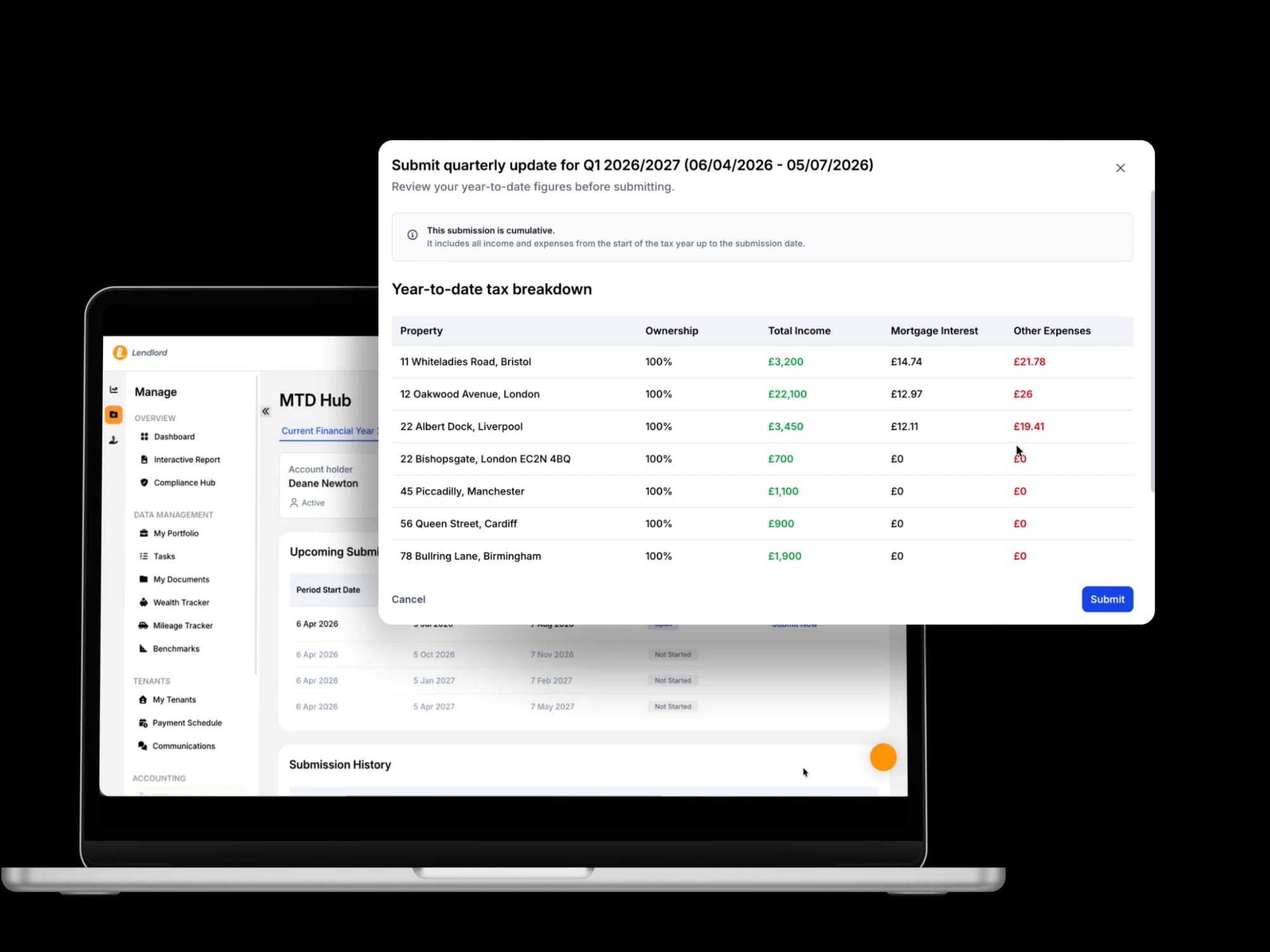
Open the MTD Hub, check cumulative rent and costs against your bank feed, then submit when the period is complete.
Open MTD Hub and check your totalsDeadlines and soft-landing rules last checked September 2026 against HMRC MTD for Income Tax guidance.
What 7 November actually covers
Think of Q2 as the second checkpoint in a four-update year, not a fresh start. A quarterly update is a digital summary of income and expenses for HMRC. It is not a tax bill. Balancing payments and payments on account stay on their usual dates.
| Update | Period covered | Deadline |
|---|---|---|
| Q1 | 6 April to 5 July 2026 | 7 August 2026 |
| Q2 | 6 July to 5 October 2026 | 7 November 2026 |
| Q3 | 6 October 2026 to 5 January 2027 | 7 February 2027 |
| Q4 | 6 January to 5 April 2027 | 7 May 2027 |
Source: HMRC Making Tax Digital campaign, quarterly updates timeline.
If you use calendar update periods, the dates inside each box shift, but the November deadline still sits on 7 November 2026. Confirm which basis your software uses before you submit.
Soft landing is not a free pass
For 2026/27, HMRC will not issue penalty points for late quarterly updates. That is the soft landing.
The filing is still mandatory. You still must keep digital records and send the updates. Miss them and you block the later digital tax return path. Treat November as a real deadline even without a fine this year.
Soft landing buys time on points. It does not buy you messy books. Fix the records now, while Q2 is still open.John Noble, Qualified Accountant and Property Tax Strategist
Post-Q1 repair list before you touch Q2
Spend one focused hour on the gaps Q1 exposed. Do this in your digital records first, then in the Hub.
- Match every rent receipt from April to early October to a bank line.
- Move repairs, insurance, and agent fees out of personal folders into tagged digital expenses.
- Check mortgage interest sits in the categories your software will send to HMRC.
- Confirm the portfolio owner NINO and HMRC connection still work after Q1.
- If Q1 never went in, file it first, then prepare the cumulative Q2 figures.
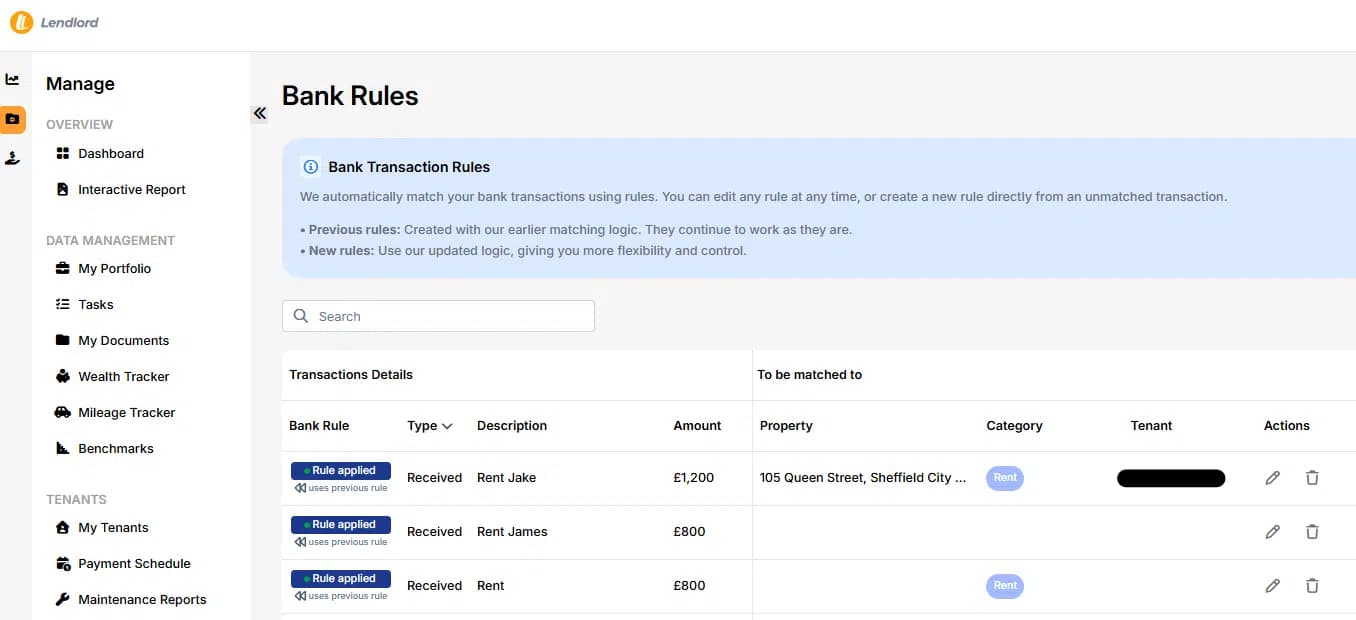
If you still need a clean digitised baseline, see why the 2024-25 tax return is a critical MTD document as a side guide. For who was in scope on the first deadline, see the Q1 scope and late-filing notes.
How cumulative Q2 numbers go wrong
Your second update is year-to-date. Errors from Q1 do not vanish when November arrives. Fix missing rent, repairs, and mortgage interest in your digital records before you submit, or the year-to-date totals stay wrong.
June rent parked in a personal account
A landlord filed Q1 with £18,400 rent and £4,200 allowable costs. In July they found £1,100 of June rent parked in a personal account, never tagged.
Without a correction, Q2 year-to-date rent starts £1,100 light. Every later update inherits that hole. Fix the June line in digital records, then submit Q2 with the corrected cumulative totals.
Anonymised worked example. Figures are illustrative.
What to do in the weeks before 7 November
From early October, freeze new edits on the closed period once transactions stop. Review the Hub totals against your bank. Submit when you are sure nothing else will clear into that window.
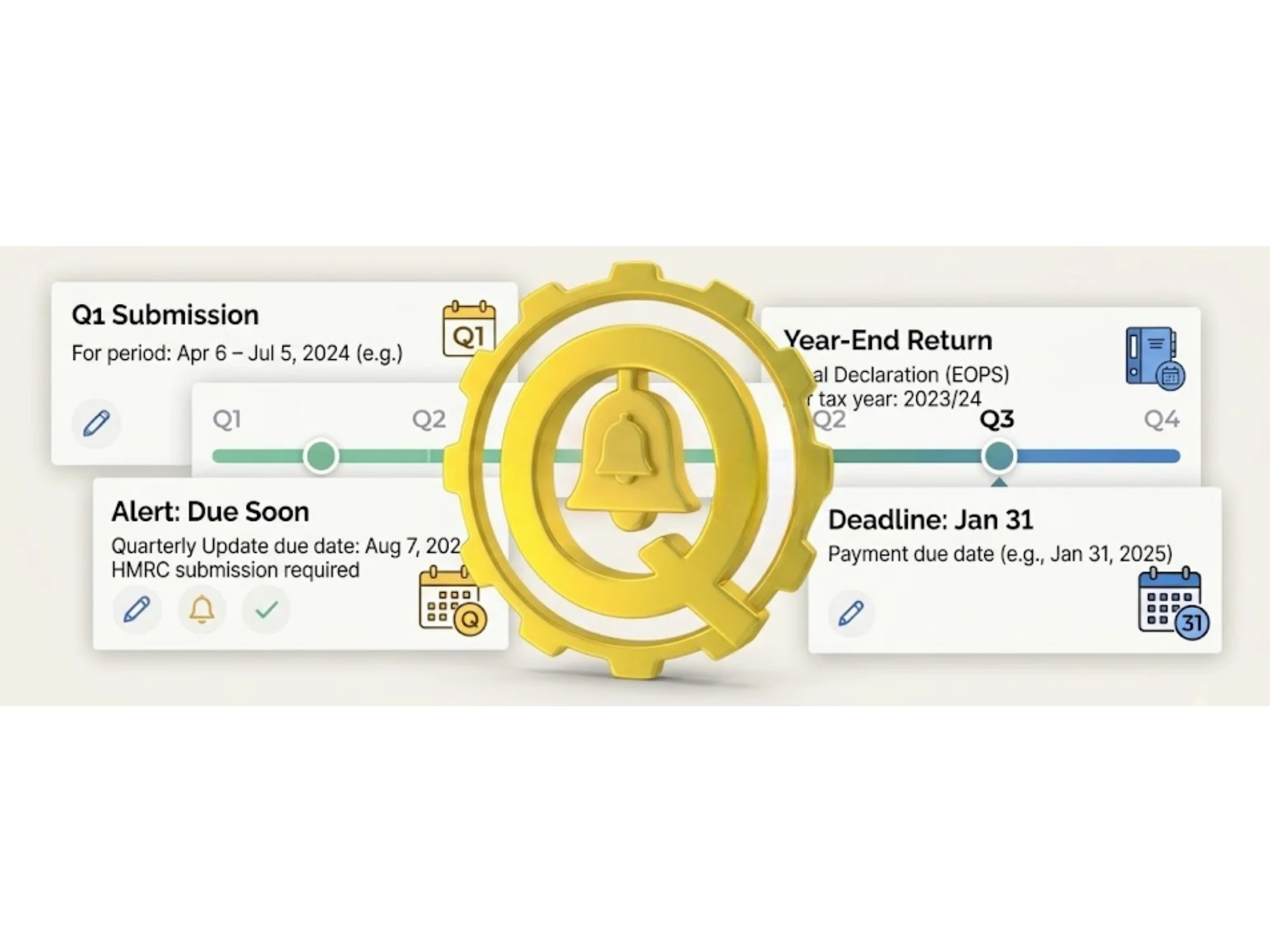
Keep the Hub walkthrough for submission day. This article is the cleanup before you click submit.
Deadlines on this page use HMRC standard quarterly periods for 2026/27. Calendar-period software shifts the dates inside each box. The 7 November 2026 filing date stays put. Confirm which basis your software uses.
Clean the post-Q1 gaps, then send the 7 November update from software that already talks to HMRC.
Start free and open the MTD Hub
Expert insight from John Noble, Qualified Accountant and Property Tax Strategist · Guest contributor · Founder, Noble One Accountants · Last updated September 2026
John treats Q2 as a records problem first. Soft landing buys time on points. It does not buy messy books. Fix the June rent and the mortgage-interest tags now, or the year-to-date file stays wrong through May.
Official data sources
- HMRC Making Tax Digital campaign: quarterly updates timeline
- GOV.UK: penalties for Making Tax Digital for Income Tax (soft landing for 2026 to 2027 quarterly updates)
- GOV.UK: using Making Tax Digital for Income Tax