Landlord Possession Claims Rose 6% After the Renters Rights Act. Completed Repossessions Did Not.
Published · Updated
5 min read
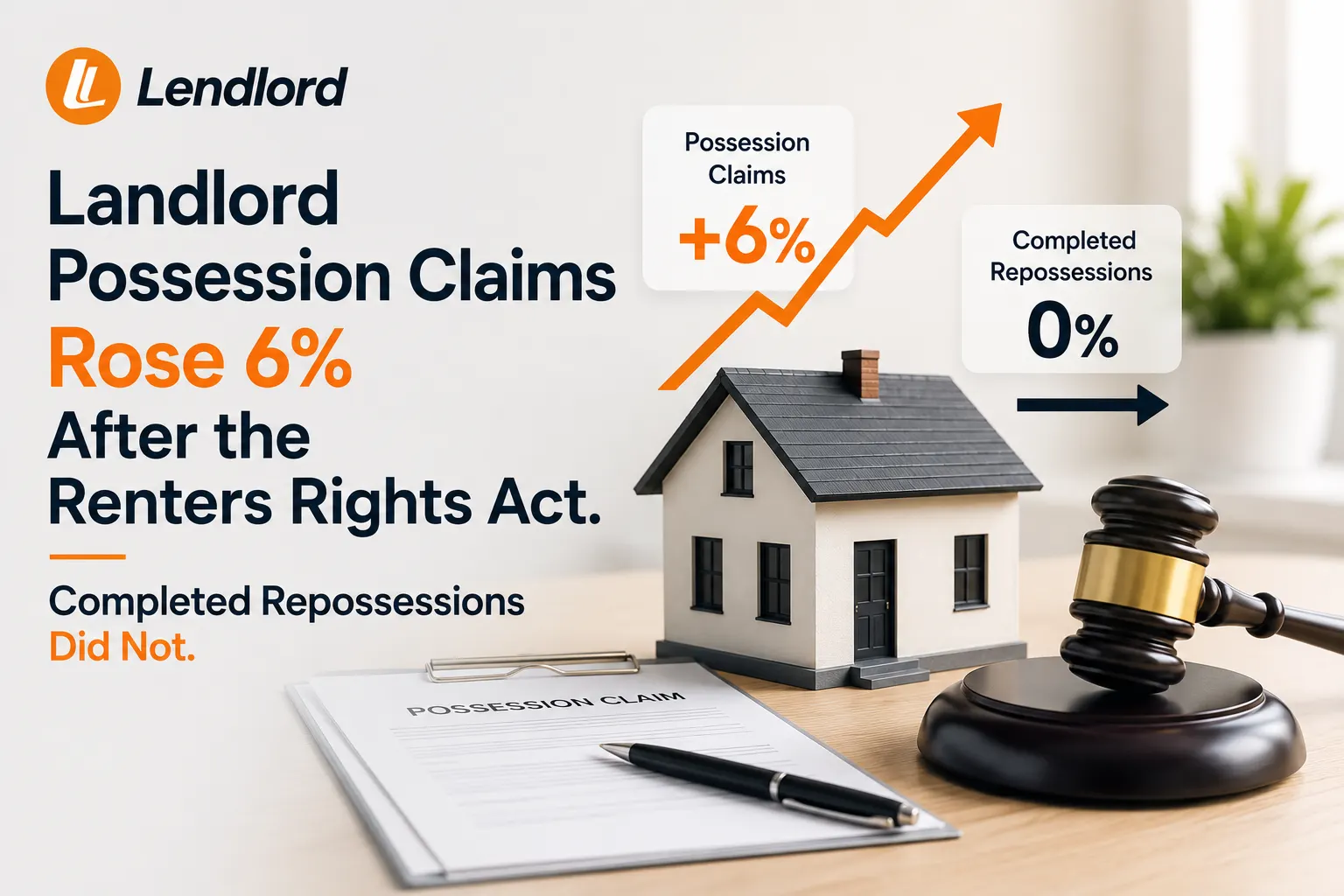
Ministry of Justice figures for April to June 2026 show landlord possession claims in England and Wales rose 6% year on year to 23,635. Bailiff-led repossessions fell 3% to 6,560. It is the first quarter that includes two months after the Renters Rights Act started on 1 May. More claims are being filed. Fewer are ending in a completed repossession.
That gap matters. Under the Act, Section 21 is gone. Every possession case needs a Section 8 ground and evidence. Claims can stall when rent ledgers, certificates, notices, or tenant records are incomplete. This post unpacks the MoJ numbers and the records landlords should keep before they instruct a solicitor.
At a glance
- Claims: 23,635 landlord possession claims in Apr-Jun 2026 (+6% YoY).
- Repossessions: 6,560 bailiff-led repossessions (-3% YoY).
- Warrants: Down to 9,715 from 10,349 a year earlier.
- Accelerated claims: Up 16%; private landlord claims up 5%.
- Context: First quarter covering post-1 May Renters Rights Act trading.
- Action: Treat Section 8 as an evidence process: rent trail, documents, and communications in one place.
Proof of service still matters
Renters Rights Act
Share the Information Sheet and keep the proof
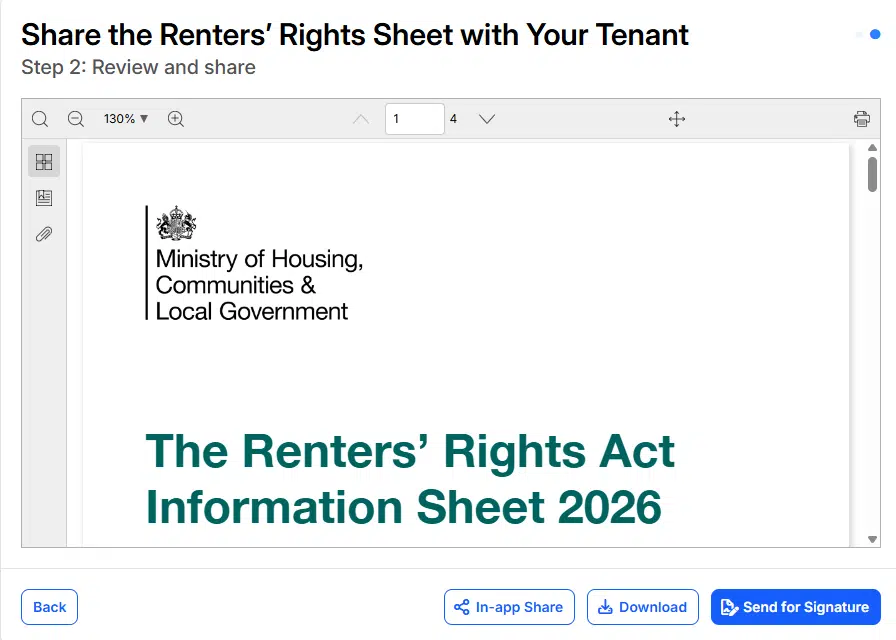
Missing or unproven statutory paperwork can weaken a later possession claim. Store and share the Information Sheet on each tenancy.
Open the Information Sheet toolWhat the MoJ numbers actually say
The April to June 2026 possession statistics cover the first two months of the Renters Rights Act. Landlord claims rose from 22,352 to 23,635 year on year. Orders were broadly flat. Warrants fell. Bailiff repossessions slipped from 6,767 to 6,560.
Accelerated claims climbed 16%. Private landlord claims rose 5%. Social landlord claims fell 3%. London alone accounted for 7,793 landlord claims, about a third of the England and Wales total.
Ministers say it is too early to pin the shift on the Act alone. Landlords should still read the pattern as a stress test. More cases are entering the system. Fewer are finishing as a bailiff repossession in the same window.
| Measure | Apr-Jun 2026 | Change YoY |
|---|---|---|
| Landlord possession claims | 23,635 | +6% |
| Warrants | 9,715 | Down from 10,349 |
| Bailiff repossessions | 6,560 | -3% |
| Accelerated claims | , | +16% |
Why claims can rise while repossessions fall
A claim is the start of a court process. A completed repossession is the end. Between those points sit notice periods, hearings, orders, warrants, and bailiff slots.
After 1 May 2026, landlords must use Section 8 grounds. That means proving rent arrears, breach, sale, occupation, or another listed ground. Weak files get adjourned, withdrawn, or delayed. The MoJ data is consistent with a system that is busy at the front and slower at the exit.
For a plain process map, see our Section 8 eviction process under the Renters Rights Act. The practical takeaway is simple: evidence quality now decides speed more than the old no-fault route ever did.
What landlords should have ready before Section 8
Treat possession as a file, not a form. Before you serve notice or instruct a solicitor, check you can show:
- A clear tenancy agreement and any written statement of terms.
- Proof that required certificates and prescribed information were given.
- Rent schedule, arrears balance, and payment chase history for Ground 8 style cases.
- Inventory, photos, and repair quotes if you rely on damage or deterioration.
- Warnings, complaints, and dated messages for anti-social behaviour grounds.
- Proof of Information Sheet delivery where that duty applies.
An incomplete file is one reason a claim can sit in the system without becoming a repossession. Use a free Renters Rights Act inventory template at move-in so condition evidence exists before you need it.
Rent trails and tenant messages are now court-critical
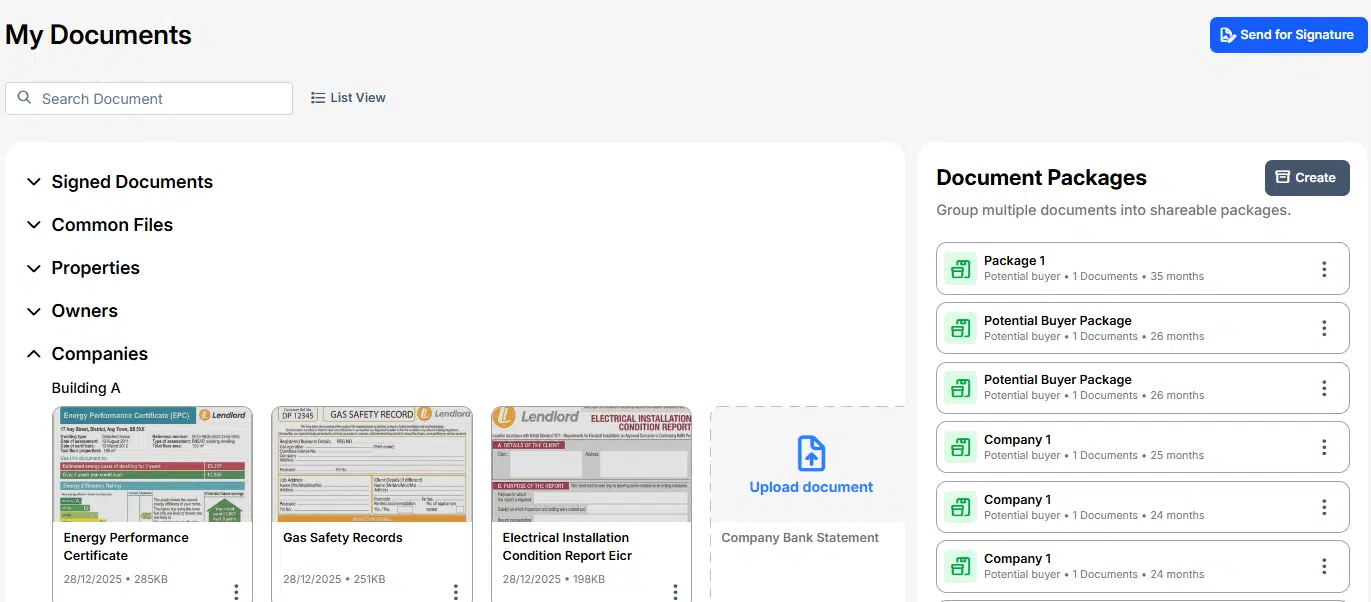
Rent arrears remain a common possession ground. Courts expect a clean rent history, not a spreadsheet rebuilt the night before the hearing. Record each due date, payment, and arrears balance as it happens.
The same rule applies to warnings and repairs. Scattered WhatsApp threads are hard to disclose and easy to challenge. A single landlord-tenant channel with exportable history is easier to hand to a solicitor.
If you still need to confirm Information Sheet service, follow the seven-step Information Sheet service guide and keep acknowledgement on file.
What this means for portfolio landlords
Longer court routes increase void and cash-flow risk even when the ground is strong. That is why professional landlords are standardising onboarding, certificates, and communication now rather than after a dispute starts.
May 2026 data already pointed to adjustment rather than collapse. For the early market read, see our Renters Rights Act one month on guide. The MoJ quarter adds the court layer: volume is up, completed exits are not matching it one for one.
Use the next 90 days to audit every tenancy file. Fix missing certificates. Confirm Information Sheet proof. Export rent ledgers. Align your solicitor pack before you need a hearing date.
Tenancy operations
Keep the evidence trail on every tenancy

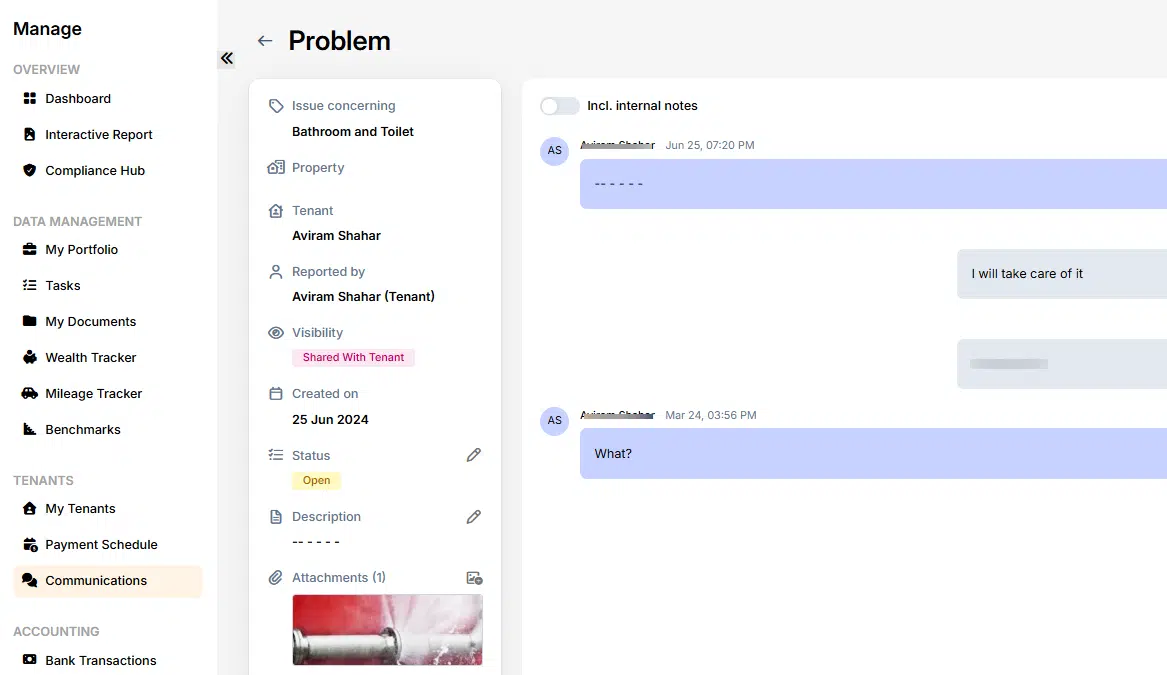
Centralise agreements, documents, and tenant contact so Section 8 files are built over months, not the week before court.
Start free on LendlordFrequently asked questions
Do higher possession claims mean more landlords are winning in court?
No. A claim is a filing. The MoJ figures show more claims and fewer bailiff repossessions in the same quarter. Outcomes depend on grounds, evidence, court capacity, and enforcement timing.
Can landlords still use Section 21 in England?
No. From 1 May 2026, Section 21 no-fault eviction is abolished for relevant private tenancies in England. Possession relies on Section 8 grounds with supporting evidence.
Why might a claim fail to become a repossession?
Common reasons include defective notices, missing certificates or deposit compliance, weak rent or incident evidence, tenant defences, adjournments, and delays between order, warrant, and bailiff appointment.
What should I organise first if I expect a Section 8 case?
Start with the tenancy agreement, rent ledger, safety certificates, Information Sheet proof, inventory, and a dated communication log. Then take advice from a solicitor before you serve notice.

Expert insight from Aviram Shahar, Co-Founder and CEO of Lendlord · PropTech entrepreneur · Last updated August 2026
Official data sources
Primary figures and reporting used in this article:
- Landlord Knowledge summary of MoJ Apr-Jun 2026 possession statistics (published 24 August 2026).
- GOV.UK mortgage and landlord possession statistics collection.
- GOV.UK guide to the Renters Rights Act.
This article is informational and is not legal advice. Confirm live court forms, grounds, and notice periods with a qualified adviser before you act.