Landlords Are Winning 10%+ Off Asking Again: How to Model the Deal Before You Bid
Published · Updated
6 min read

Hamptons July 2026 data shows landlords paid 88.7% of asking on average, with 56% of investor offers at least 10% below ask. Model yield on the price you expect to pay, not the portal headline, before you bid.
Buy-to-let investors are negotiating hard again. Hamptons analysis of July 2026 purchases shows landlords paid an average of 88.7% of the initial asking price. More than half of investor offers were at least 10% below ask, the highest share since April 2020. That is an opportunity, but only if you run the numbers on the price you actually pay, not the headline on the portal.
Rightmove's August index adds context: newly listed asking prices fell 2% in August, the steepest August drop since 2018. Meanwhile new-let rents are growing again. The window favours prepared, chain-free buyers who can model yield before they celebrate a discount.
At a glance
- July 2026: landlords paid 88.7% of asking on average (about 11.3% off)
- Deep offers: 56% of investor bids were 10%+ below ask (63% for cash buyers)
- Acceptance: 27% of those deep offers agreed, up from 18% a year earlier
- Rents: new lets up 1.9% YoY in July, fastest growth in 19 months
- Hotspots: South East 70%, South West 60% of offers 10%+ under ask
Run the numbers before you bid
Deal analysis
Model yield before you chase a 10% discount

A headline discount only works if rent and finance still stack at the price you expect to pay.
Open the Deal AnalyserWhy investors have leverage again
When the wider market slows, landlord purchases often rise. In July, investors accounted for 14.1% of home purchases in Great Britain, above the 12.4% year-to-date average. They are chain-free, often cash-backed, and can complete without fragile onward chains. In a market where certainty has become valuable, that status is worth real money off the asking price.
Hamptons lead analyst David Fell noted that sellers on the market for several months are becoming more pragmatic, particularly for leasehold flats where demand is weaker. In July, 41% of discounted offers to leasehold sellers were accepted.
| Buyer type | Share of offers 10%+ below ask (July 2026) |
|---|---|
| Cash-backed landlords (England & Wales) | 63% |
| All investor offers | 56% |
| First-time buyers | 25% |
| Home movers | 27% |
Where discounts are widest (and where they are not)
Not every region offers the same negotiating room. Southern England outside London shows the deepest investor bids, while London sellers remain comparatively stubborn even in a tough market.
| Region | Investor offers 10%+ below ask |
|---|---|
| South East | 70% |
| South West | 60% |
| North East | 32% |
| London | 16% |
Holiday-let heavy areas in the South West are part of the story: more stock and motivated sellers can mean sharper bids. Before you target a region, check local rent growth and void risk, not just how far below ask you might get.
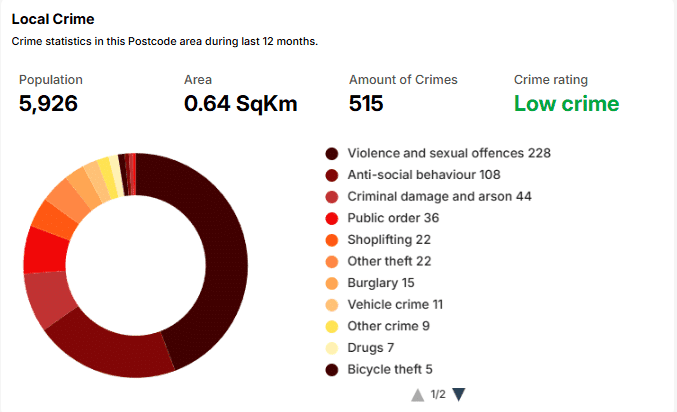
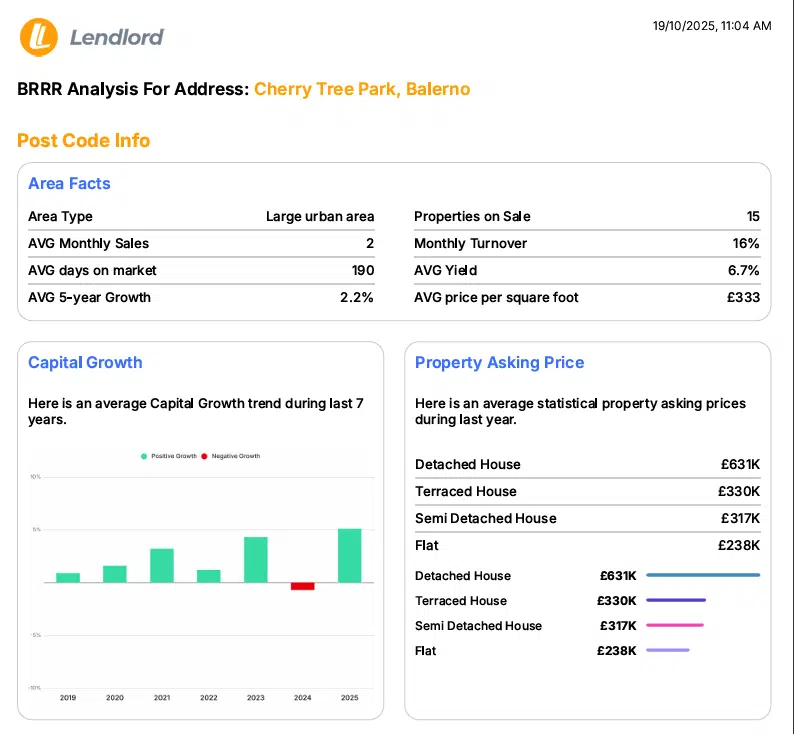
Use the Lendlord Deal Analyser Chrome extension on live listings, then open Postcode Insights to compare rent and area metrics. A discount in the wrong postcode is still a bad deal.
Rents are rising again: the other side of the equation
Discounts on purchase only matter if income supports the finance. Hamptons reported 1.9% year-on-year growth on newly let homes in July, the fastest pace in 19 months, taking average new lets above £1,401 per month.
Separately, Pegasus Insight's Q2 2026 Landlord Trends survey found 63% of landlords describing tenant demand as very strong or quite strong. That is up from 58% in Q1 and the first quarterly rise in two years. Demand is recovering while many landlords remain net sellers, which is why Fell describes rent growth as a counterweight to higher borrowing costs.
A 10% discount on a £400,000 listing saves £40,000 on day one. Model whether that saving still leaves a workable net yield once mortgage rates sit above 5%, stamp duty is included, and voids are realistic.
Model the negotiated price, not the portal headline
The classic mistake is to analyse at the asking price, secure a chunky discount, then discover the deal only worked at the fantasy number. Run three scenarios: asking price, your opening offer, and your walk-away price. Include stamp duty, legal costs, refurb, and mortgage stress at today's rates.
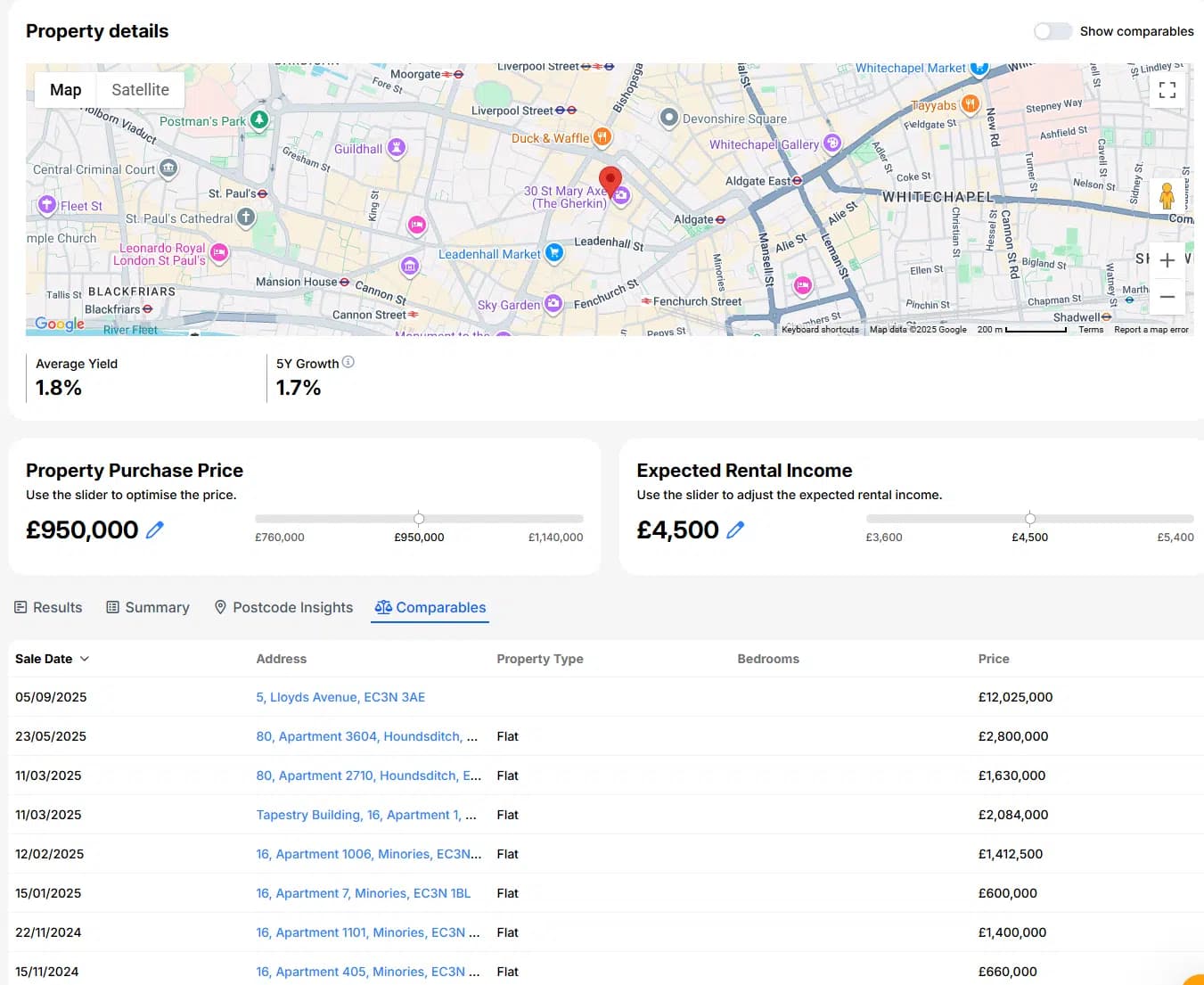
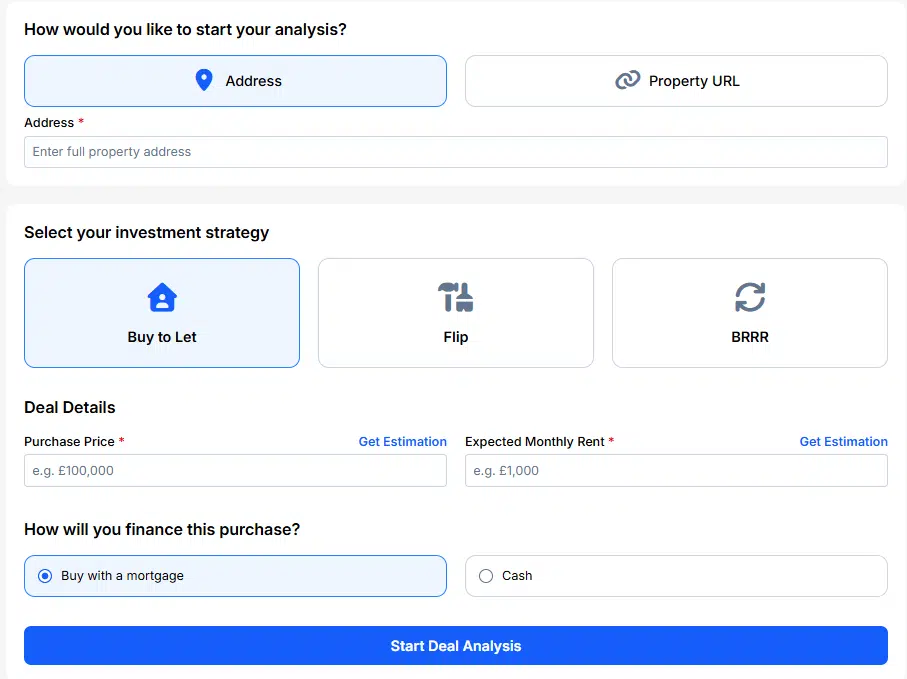
The property deal analyser and UK BTL calculator work together: enter the price you expect to pay, not the listing headline. If net yield only works at 15% off, you know your opening bid before you call the agent.
- Shortlist motivated stock. Long time on market, leasehold flats, holiday-let areas with rising supply.
- Pull postcode rent and comparables. Confirm the income side before you bid aggressively.
- Model at ask, minus 10%, minus 15%. Know your walk-away number before the first call.
- Stress mortgage cost above 5%. Discounts matter most to cash and low-LTV buyers; highly geared deals may still fail.
- Save the analysis. If the seller counters, rerun in minutes rather than guessing.
Property finance and deal analysis
Who benefits most from today's discounts
Cash buyers and landlords with low loan-to-value mortgages capture the Hamptons story most clearly: they can bid deep and still complete quickly. Highly geared investors should treat the discount as one line in the model, not a substitute for yield. If mortgage rates stay above 5%, a 10% price cut may only offset part of the monthly cost increase from 2022 levels.
For landlords comparing a discounted purchase against holding existing stock, see our BoE rate hold and remortgage maths guide if you are remortgaging alongside new acquisitions. For stamp duty on the agreed price, use the UK stamp duty on buy-to-let guide so the surcharge is in the model from the first offer.
Leasehold flats and motivated sellers
The July data highlights leasehold sellers accepting discounted bids at a higher rate than other stock. That can suit investors who understand service charges, ground rent, and resale liquidity. Model those ongoing costs in the Deal Analyser alongside the negotiated capital price. A 12% discount is meaningless if the service charge trend erodes net yield within two years.
Waiting for the right rate?
Frequently asked questions
How much below asking are buy-to-let investors paying in 2026?
Hamptons data for July 2026 shows the average landlord paid 88.7% of the initial asking price, equivalent to about an 11.3% discount. 56% of investor offers were at least 10% below ask.
Where are buy-to-let discounts widest in the UK?
The South East recorded the highest share of deep discounts, with 70% of investor offers at least 10% below asking in July 2026. The South West followed at 60%. London sellers were least likely to accept large discounts.
Should I model a deal on the listing price or my offer price?
Always model on the price you expect to pay, including stamp duty, refurb, and mortgage cost at current rates. A 10% discount on purchase can materially change net yield, but only if rent and finance still stack at the negotiated figure.
Are rents rising while investors negotiate discounts?
Yes. Hamptons reported new-let rent growth of 1.9% year-on-year in July 2026, the fastest pace in 19 months, with average new lets above £1,401 per month. Pegasus Insight also reported tenant demand rebounding in Q2 2026.
Model yield on the price you actually expect to pay. Run ask, minus 10%, and minus 15% before you make your opening offer.
Use the free Deal Analyser
Expert insight from Aviram Shahar, Co-Founder and CEO of Lendlord · PropTech entrepreneur and property investor · Last updated August 2026
Official data sources
Market statistics cited in this article come from the following published research.