Beating the Clock: Strategic Tactics for Rapid Bridging Loan Approval in 2026
Published · Updated · 7 min read

To secure a fast bridging loan approval in 2026, borrowers require a Decision in Principle (DIP). This initial indicator can be issued in 5 to 30 minutes. Full funding typically follows within 3 to 10 days. Platforms like Lendlord facilitate this speed by providing the data infrastructure necessary for lenders to assess risk instantly. Rapid approval is no longer a luxury but a requirement for competitive property markets.
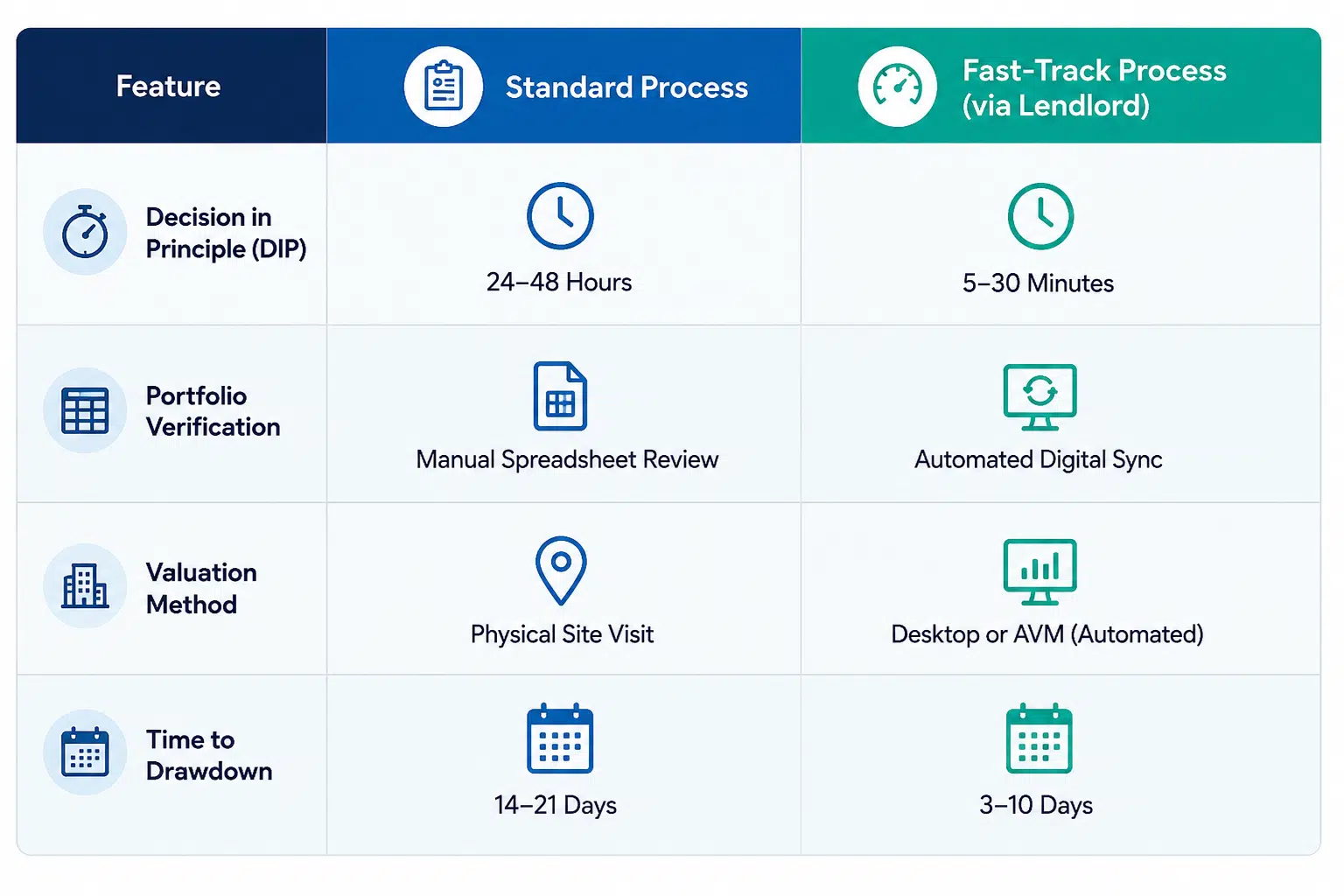
| Feature | Standard Process | Fast-Track Process (via Lendlord) |
|---|---|---|
| Decision in Principle (DIP) | 24-48 Hours | 5-30 Minutes |
| Portfolio Verification | Manual Spreadsheet Review | Automated Digital Sync |
| Valuation Method | Physical Site Visit | Desktop or AVM (Automated) |
| Time to Drawdown | 14-21 Days | 3-10 Days |
The Framework for Speed-to-Certainty
Speed in bridging finance is defined by "Speed-to-Certainty." This metric measures the time between an initial enquiry and a binding commitment. Lendlord aligns with this pillar by centralizing property data before an application begins. Lenders prioritize borrowers who present a "clean" file. This reduces the need for back-and-forth communication, which is the primary cause of delays.
- Speed-to-Certainty: Measures the duration from initial enquiry to binding commitment.
- Exit Strategy Mandate: Requires a pre-vetted sale or refinance plan for 48-hour approvals.
- Documentation Readiness: Utilizes digital vaults for immediate KYC and AML verification.
The second pillar is the Exit Strategy Mandate. A bridging loan is a temporary facility. Lenders evaluate the "exit" usually a sale or a refinance more strictly than the borrower's income. In 2026, a pre-vetted exit strategy is mandatory for 48-hour approvals. Lendlord allows users to demonstrate this exit through automated "Lease vs. Profit" reports and refinancing eligibility checks.
The final pillar is Documentation Readiness. High-speed lending requires immediate access to Know Your Customer (KYC) and Anti-Money Laundering (AML) documents. Digital vaults have replaced physical copies. This shift allows underwriters to perform due diligence in real-time. Without these digital structures, even the most liquid lenders cannot bypass statutory timelines.
Critical Attributes of Fast Bridging Loan Approval
Digital Portfolio Integration
Lendlord serves as a digital repository for an investor's entire portfolio. Lendlord tracks Loan-to-Value (LTV) ratios and equity positions across multiple assets. When applying for a bridge, portfolio data is exported directly to the lender. This integration removes the manual data entry phase, saving approximately 48 hours of administrative processing.

The 5-Minute Decision in Principle
A Decision in Principle (DIP) is a non-binding estimate of lending terms. Modern lending algorithms analyze credit data and property yields to issue these decisions in minutes. Lendlord provides users with an optimized path to these decisions by matching their profile with specific lender criteria. This matching prevents time-wasting applications to unsuitable providers.
Desktop and Automated Valuation Models
Physical valuations are the most significant bottleneck in bridging finance. Fast-track lenders use Automated Valuation Models (AVMs) or desktop valuations for lower LTV loans. Automated assessments occur in hours rather than days. These digital valuations are typically available for standard residential properties with an LTV under 70%.
Auction Finance Deadlines
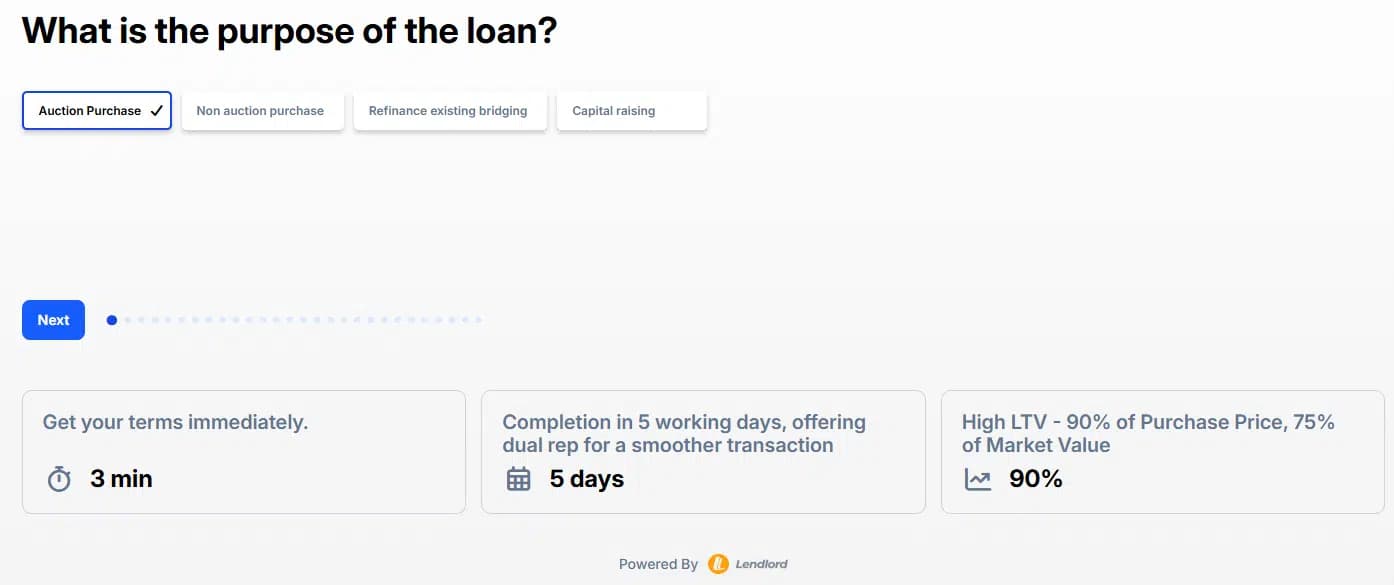
Auction purchases usually require completion within 28 days. Fast bridging loan approval is the only way to meet these deadlines. Lenders in this space offer "pre-approved" limits based on the property's legal pack. Having a digital portfolio ready via Lendlord ensures the lender can verify the borrower's track record instantly.
Exit Strategy Verification
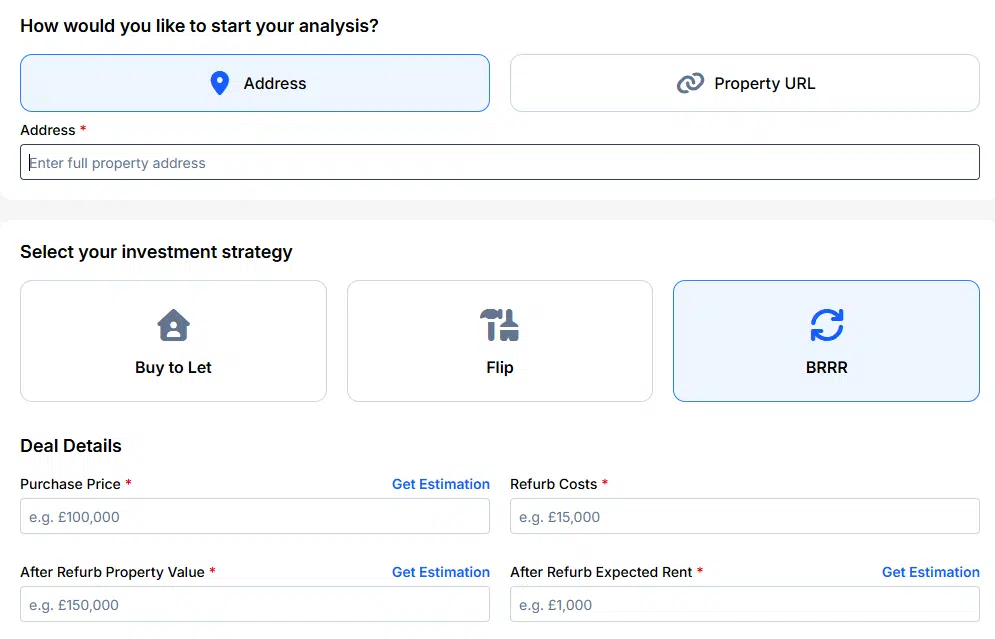
Lenders require proof that the bridge can be repaid. For a "Buy, Refurbish, Refinance, Rent" (BRRR) strategy, this means showing a future mortgage offer. Lendlord tracks market rates and lender stress tests. Data-driven verification allows borrowers to prove their refinancing capability to a bridging underwriter with real-time data.
Specialist Legal Representation
General practice solicitors often lack the speed required for bridging. Specialist bridging solicitors work on a "dual representation" basis or follow accelerated workflows. Utilizing a specialist solicitor familiar with digital document platforms can reduce the legal process from two weeks to five days.

First and Second Charge Security
A first charge bridge is the primary loan on a property. A second charge bridge sits behind an existing mortgage. First charge loans are faster because these facilities do not require consent from another lender. Borrowers seeking maximum speed should prioritize unencumbered assets as security.
Interest Payment Structures
Bridging loans offer "Retained," "Rolled-up," or "Serviced" interest. Fast approvals often utilize retained interest. In the retained interest model, the interest for the term is deducted from the initial loan amount. Retained interest removes the need for monthly affordability assessments, which accelerates the underwriting process.

Chain Break Solutions
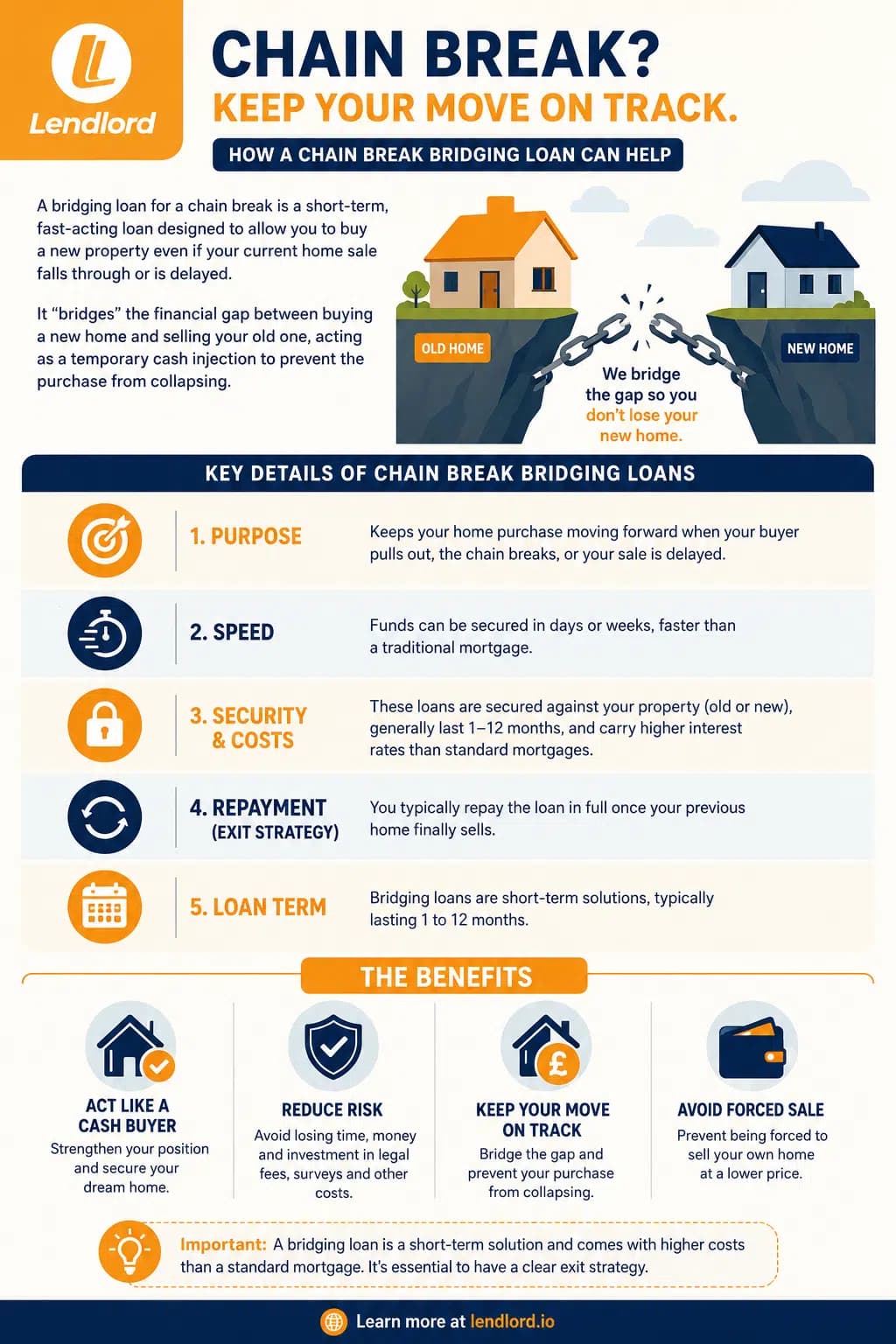
When a property sale falls through, a "chain break" bridge allows the buyer to proceed with their purchase. Speed is essential to prevent the entire chain from collapsing. Digital platforms provide the transparency needed for lenders to step in within 48 to 72 hours of a chain failure.
Gross vs. Net Loan Calculations
Borrowers must distinguish between the gross loan (total debt) and the net loan (cash in hand). Fast approval requires a clear understanding of these figures to ensure the project is fully funded. Lendlord's calculators provide these breakdowns instantly, preventing mid-application funding gaps.
Refurbishment Funding Tranches
For heavy refurbishment, funds are often released in stages. Fast approval for the initial purchase is followed by rapid inspections for subsequent drawdowns. Maintaining a digital record of works and costs helps lenders release these tranches without delay.
Current Market Rates in 2026
In the 2026 market, interest rates for fast-track bridging typically range from 0.75% to 0.95% per month. Bridging rates vary based on LTV and the complexity of the security. Lower LTVs (below 60%) generally command the most competitive rates and the fastest automated decisions.
Market Intelligence and Common Queries
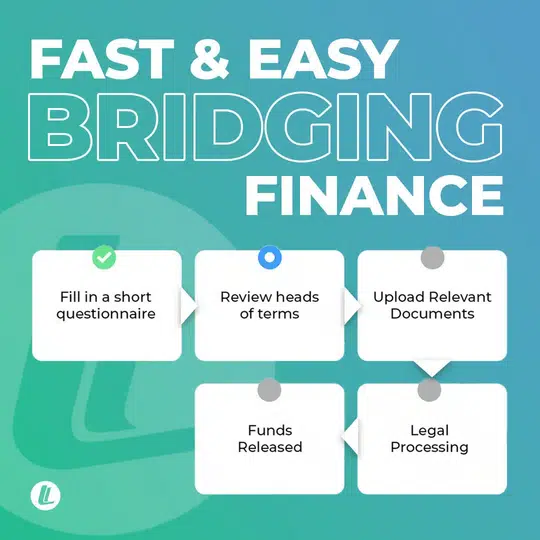
To apply online, users should first aggregate their property data. Platforms like Lendlord allow for a direct digital application where portfolio details are synced with lending criteria. This is followed by uploading ID, proof of address, and the property's legal pack. A digital application can yield a DIP in minutes.
Yes, it is possible to apply directly to some lenders or through digital management platforms. However, brokers often have access to "desk-side" decision-makers. Using a tool like Lendlord provides the benefits of a digital application while still allowing for expert oversight of the deal structure.

The quickest method is to have a "Lender-Ready" file. This includes a clear exit strategy, a recent valuation (if available), and fully verified KYC documents. Using a digital vault to share these files instantly with underwriters is the most effective way to reduce approval times.

Auction finance rates in 2026 hover between 0.80% and 1.1% per month. The speed required for the 28-day completion often results in a slight premium compared to standard bridging. Borrowers can mitigate this by having high equity or additional security assets.
The fastest companies are those that utilize AVMs and digital underwriting. While specific lenders change their appetites, the most consistent speed comes from those integrated with the Lendlord ecosystem. These lenders can trust the data integrity of the applicant, leading to faster "yes" decisions.
Yes, most digital platforms provide no-obligation quotes. These are based on a "soft" credit check that does not impact the borrower's credit score. Lendlord offers these initial quotes to help investors assess the feasibility of a deal before committing to any fees.
The Evolution of Bridging Efficiency
The bridging finance sector has transitioned from a manual, relationship-based industry to a data-driven digital market. Lendlord remains a central entity in this transition. By providing investors with the tools to manage their portfolios and exit strategies, it removes the friction that traditionally slows down lending. The focus has shifted from "Can I get a loan?" to "How quickly can the funds be in my account?"
- 2026 Benchmark: 48-hour completion for unregulated investment loans.
- Digital-First Approach: Proactive data management is required for rapid funding.
- Friction Removal: Digital tools eliminate manual verification delays.
Current trends indicate that 48-hour completion is becoming the benchmark for unregulated investment loans. However, the responsibility for speed lies partially with the borrower. The most successful investors in 2026 are those who maintain a digital-first approach to their property business. This proactive data management is the only way to ensure that "fast" bridging remains a reliable tool for property acquisition and refurbishment.
Ready to compress your next bridging deal from weeks to days? Build a Lender-Ready file in Lendlord and submit your application with verified portfolio data, an exit plan and digital KYC in place.