Anticipation of December BoE Cut Triggers Aggressive Competition in UK Mortgage Market
Published · Updated · 13 min read

Buy-to-Let mortgage rates have dropped below 4% for the first time since the 2022 mini-budget, creating unprecedented opportunities for landlords and property investors.
In recent days, specifically in early December 2025, the UK mortgage market has witnessed a seismic shift. Major high-street lenders including Barclays, NatWest, and Santander have launched aggressive rate cuts in what industry experts are calling a "Rate War." This dramatic movement is fueled by near-certainty that the Bank of England will reduce the Base Rate at its upcoming Monetary Policy Committee meeting on December 18, 2025.
For landlords and property investors, this represents more than just competitive pricing. The return of sub-4% Buy-to-Let products fundamentally transforms portfolio refinancing calculations, cash flow projections, and the viability of property investment strategies that seemed unworkable just weeks ago. With rental income coverage ratios becoming significantly more achievable under stress testing, many portfolio landlords are reconsidering expansion plans they had shelved during the high-rate environment of 2023-2024.
1. The Trigger: Bank of England Base Rate Forecast
The primary catalyst driving this unprecedented mortgage rate competition is not the rate cut itself, but rather the financial market's advance pricing of the decision. This phenomenon, known as "pricing in," occurs when market participants adjust their positions based on expected future events, effectively moving rates before official announcements.
The Monetary Policy Committee is scheduled to convene on Thursday, December 18, 2025. Currently, the Official Bank Rate stands at 4.00%, following gradual reductions implemented throughout late 2024 and mid-2025. However, swap rate markets are now pricing in approximately 90-93% probability of a 0.25% reduction, which would bring the Base Rate down to 3.75%.
Bank of England Base Rate: Historical Trend and December Forecast
Official Economic Context
The Bank of England's room to maneuver stems from a complex macroeconomic picture. First, while Consumer Price Index inflation remains above the 2% target - reported at 3.6% in October 2025 - it has shown signs of stabilizing below the peak levels of previous years. The MPC likely views this as a temporary overshoot driven by energy costs, allowing them to focus on growth.
Second, GDP growth figures paint a concerning picture. The UK economy showed stagnation in Q3 2025, recording only 0.1% growth. This economic fragility creates pressure on the central bank to provide monetary stimulus through lower borrowing costs, particularly as other major economies recover faster. Despite this, the mortgage market has demonstrated resilience, with Q3 2025 gross mortgage advances reaching £80.4 billion, representing an increase of more than 20% compared to the same period in the previous year.
"The convergence of stabilizing (though still elevated) inflation and sluggish growth presents the Bank of England with a critical decision. While their primary mandate focuses on price stability, the threat of recession provides a compelling case to ease monetary policy. For many analysts, the December rate cut is increasingly viewed as inevitable." - Bank of England Market Participants Survey, November 2025Lock in Your Rate Before the Competition Heats Up
With mortgage rates at their lowest point since 2022, portfolio landlords are racing to refinance. Don't let outdated rates drain your cash flow. Discover how much you could save with today's competitive BTL products.
Start Your Application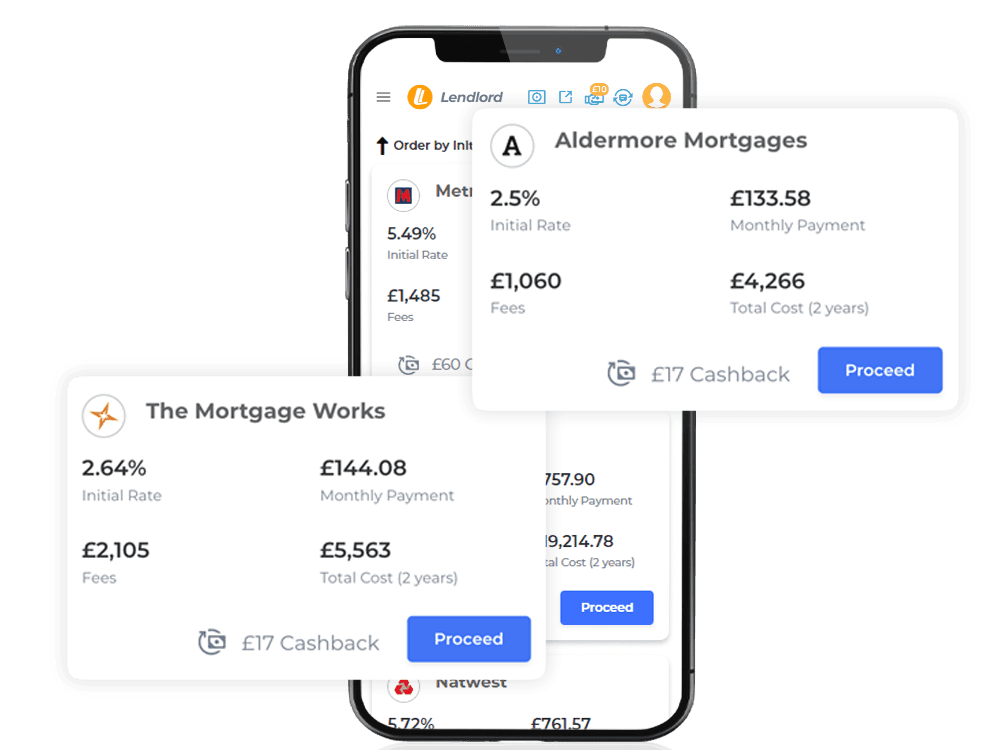
2. The "Rate War": Specific Lender Movements
In early December 2025, the UK's major high-street lenders executed a coordinated yet competitive series of rate reductions. This timing is no coincidence. Lenders operate with access to the same swap rate data and economic forecasts, creating a prisoner's dilemma situation where the first mover gains significant market share, forcing competitors to respond immediately or risk losing broker relationships.
A. Barclays: The Market Mover
Barclays fired the opening salvo on December 8, announcing sweeping reductions across both residential and Buy-to-Let mortgage ranges. As one of the UK's largest lenders with substantial broker distribution, Barclays' pricing decisions carry outsized influence on the broader market. When Barclays moves, the industry follows.
For residential remortgage customers, Barclays launched a 2-year fixed rate at 3.70% for borrowers with 60% Loan-to-Value and willing to pay product fees. However, the truly significant development lies in their Buy-to-Let offerings. For the first time since September 2022, Barclays has breached the psychological 4% barrier for BTL rates.
Specific products for portfolio landlords are now appearing in the 3.85% to 3.95% range, depending on fee structure and LTV bands. For a landlord refinancing a £300,000 property portfolio, the difference between a 5.0% rate and a 3.9% rate represents approximately £3,300 annually in interest savings per property.
B. NatWest: Following with Force
NatWest responded within hours, implementing rate cuts effective December 9 and 10. Their 2-year fixed rate products saw reductions of up to 0.20%, with the lowest 2-year remortgage deal now priced at 3.66% for 60% LTV customers. This represents one of the most competitive rates in the current market, particularly for borrowers with strong credit profiles and significant equity.
Additionally, NatWest has leaned heavily into sustainable lending with enhanced "green mortgage" products. Properties with Energy Performance Certificate ratings of A or B now qualify for rates as low as 3.62% on 5-year fixed terms. This creates a powerful incentive structure for landlords to invest in property improvements, aligning environmental objectives with financial benefits.
C. Santander: The Headline Grabber
Santander entered the competition with perhaps the most eye-catching headline rate: a residential remortgage product at 3.51% for 60% LTV borrowers. While this specific product applies to owner-occupier mortgages rather than Buy-to-Let, it serves as an important market signal. Historically, BTL rates maintain a spread of approximately 0.3% to 0.5% above equivalent residential products to reflect higher risk profiles and different regulatory treatments.
Industry observers expect Santander's BTL division to announce corresponding rate adjustments within 24 to 48 hours. If historical patterns hold, this would suggest BTL products in the 3.8% to 4.0% range becoming available through Santander's intermediary channels by mid-December.
D. Lloyds Bank: Competitive Entry
Lloyds Bank has also entered the competitive landscape with attractive offerings for existing customers. The bank has introduced a 2-year fixed rate at 3.77% for Club Lloyds customers seeking to remortgage, requiring a deposit exceeding 40% (60% LTV) and a £999 product fee. This product demonstrates how banks are using loyalty programs and existing customer relationships to compete in the current market while maintaining risk controls through higher equity requirements.
Major Lender Rate Comparison: 2-Year Fixed Products (60% LTV)
| Lender | Product Type | Rate | Term | LTV | Key Feature |
|---|---|---|---|---|---|
| Barclays | Residential Remortgage | 3.70% | 2-Year Fixed | 60% | Product fee applies |
| Barclays | Buy-to-Let | 3.85% - 3.95% | Various | 60-75% | Portfolio landlord products |
| NatWest | Residential Remortgage | 3.66% | 2-Year Fixed | 60% | 0.20% rate reduction |
| NatWest | Green Mortgage | 3.62% | 5-Year Fixed | 60% | EPC Rating A or B required |
| Santander | Residential Remortgage | 3.51% | 2-Year Fixed | 60% | Market-leading headline rate |
Simplify Your Buy-to-Let Mortgage Journey
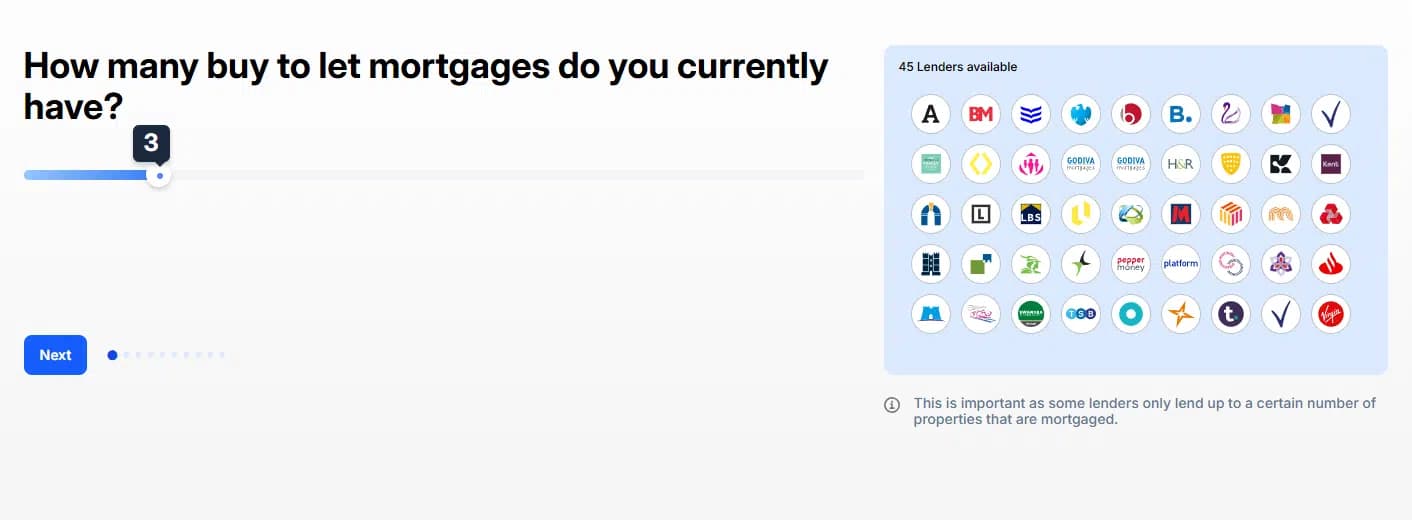
Finding the right mortgage doesn't have to be complicated. With Lendlord's streamlined platform, you can compare hundreds of Buy-to-Let products in minutes and complete your application entirely online.
See How Lendlord Streamlines Your Mortgage Process
3. The Impact on Landlords: The "Sub-4%" Breakthrough
For the last 18 months, Buy-to-Let mortgage rates oscillating between 4.5% and 5.5% have created a challenging operating environment for landlords. The pain point has not simply been the higher absolute cost of borrowing, but rather the difficulty in passing stress tests required by lenders under Prudential Regulation Authority guidelines.
Understanding Stress Testing Requirements
Under PRA Supervisory Statement SS13/16, lenders must verify that rental income covers 125% to 145% of the mortgage payment calculated at a "stress rate." This stress rate is typically either 5.5% or the pay rate plus 2%, whichever is higher. The policy exists to ensure landlords can maintain payments even if interest rates rise or rental income drops temporarily.
When mortgage rates sat at 5.25%, the stress test might be calculated at 7.25% (pay rate plus 2%). For a £200,000 mortgage, this means demonstrating rental income sufficient to cover a theoretical monthly payment of approximately £1,208. In areas with modest rental yields, particularly in London and the South East, this proved prohibitively difficult.
With 5-year fixed BTL rates now available at approximately 3.8%, the stress test calculation transforms dramatically. Using a pay rate of 3.8%, the stress rate becomes 5.8%, requiring rental coverage for a monthly payment of approximately £967. This represents a reduction of over £240 in the monthly rental income requirement, opening up hundreds of properties that were previously unfinanceable.
Cash Flow Transformation
Beyond stress testing, the immediate cash flow implications for existing landlords cannot be overstated. Consider a typical portfolio landlord with ten properties, each financed with £200,000 mortgages on interest-only terms.
Monthly Interest Payment Comparison: £200,000 Mortgage
| Scenario | Interest Rate | Monthly Payment (£200k) | Portfolio (10 Properties) | Annual Saving |
|---|---|---|---|---|
| Previous Rate | 5.25% | £875 | £8,750/month | - |
| Current Rate | 3.75% | £625 | £6,250/month | £30,000 |
| Savings Per Property | - | £250/month | £3,000/year | - |
This £30,000 annual improvement in cash flow represents a transformative shift in portfolio economics. For many landlords operating on thin margins during the 2023-2024 high-rate environment, this could mean the difference between selling properties to maintain liquidity and retaining a portfolio that can now generate positive cash flow.
Moreover, the improved economics make portfolio expansion viable again. Landlords who shelved acquisition plans during the rate spike are now revisiting properties they had identified but couldn't make work financially. As one forum user noted in the Property118 community, "I'm refinancing my HMO portfolio. Was going to sell two units, but at 3.8% the numbers work again. I'm holding."
Calculate Your Potential Savings Today
Stop leaving money on the table with outdated mortgage rates. Our platform instantly compares hundreds of Buy-to-Let products from over 90 lenders, helping you identify the optimal refinancing strategy for your portfolio.
Get Started Now
Experience Lightning-Fast Mortgage Applications
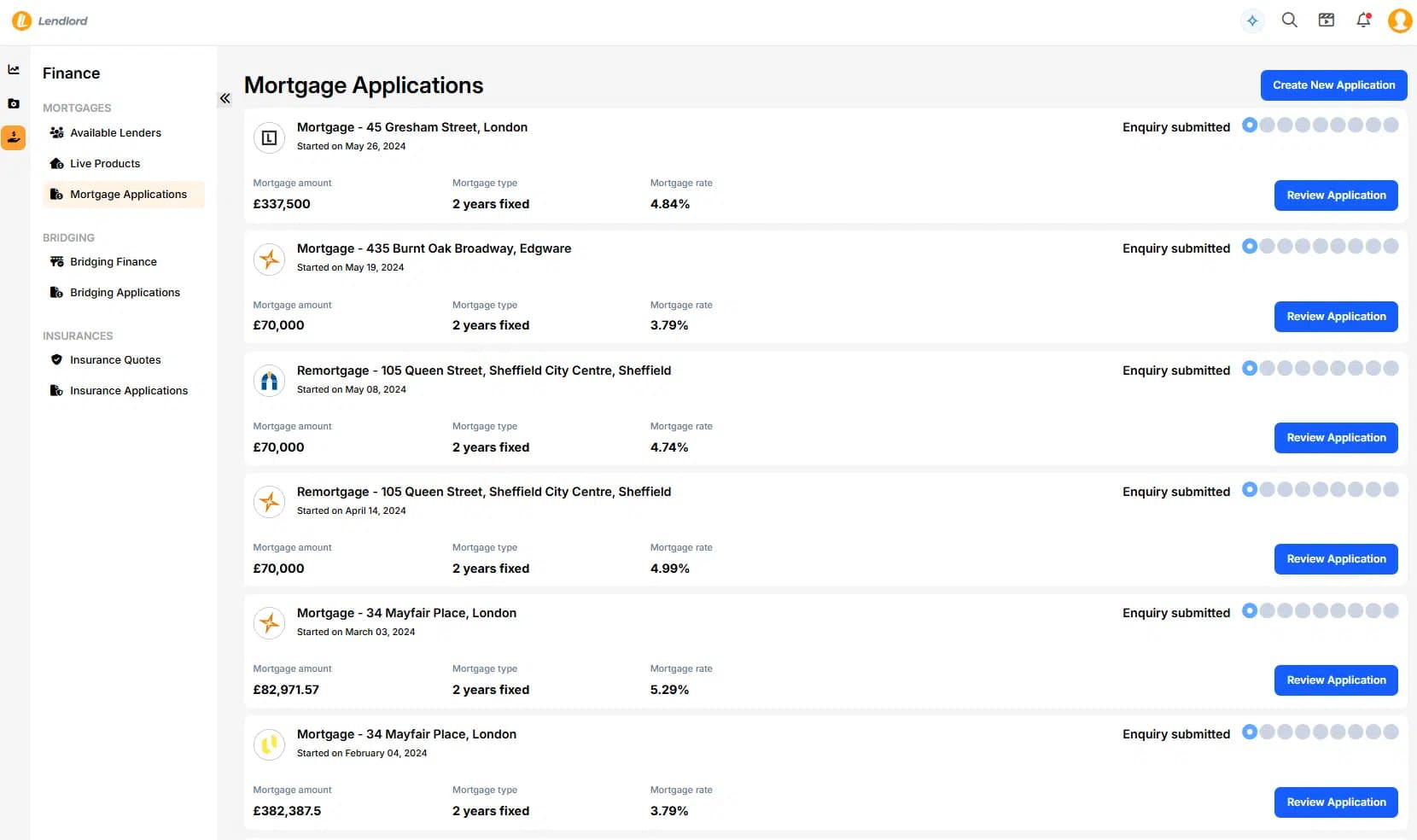
Traditional mortgage applications can take weeks. With Lendlord's digital platform, you'll receive a Decision in Principle within minutes and can complete the entire process without endless paperwork or phone calls.
4. Swap Rates: The Technical Driver Behind the Rate War
While headlines focus on consumer mortgage rates, the underlying mechanism enabling this rate war lies in the wholesale funding markets where banks source their capital. Specifically, the dramatic decline in SONIA swap rates has created the financial breathing room for lenders to cut mortgage rates while maintaining acceptable profit margins.
Understanding SONIA Swap Rates
SONIA, or the Sterling Overnight Index Average, represents the effective overnight interest rate paid by banks for unsecured transactions in the sterling market. Swap rates, in turn, represent the fixed interest rate a bank agrees to pay in exchange for receiving the variable SONIA rate over a specified period. For lenders, these swap rates effectively determine their cost of funds.
As of December 9, 2025, the 2-Year SONIA Swap Rate has traded down to approximately 3.55%. This represents a significant decline from rates above 4.5% observed in early 2024. The compression in swap rates reflects market expectations of sustained lower interest rates through 2026-2027, driven by the Bank of England's anticipated easing cycle.
From Swap Rate to Consumer Rate
Lenders construct their mortgage pricing by adding a margin, or spread, above their funding cost. This margin must cover operational expenses, capital requirements, default risk provisions, and profit. In competitive markets, these margins compress as lenders sacrifice some profitability to gain market share.
The current pricing architecture looks approximately as follows: The 2-Year SONIA Swap Rate sits at 3.55%. Lenders operating in the current aggressive environment are adding margins of just 0.15% to 0.30% for their most competitive products. This arithmetic yields consumer rates in the 3.70% range for residential mortgages and 3.85% to 4.10% for Buy-to-Let products, which carry higher risk weights.
Current 2-Year SONIA Swap Rate3.55%Down from over 4.5% in early 2024, enabling sustainable mortgage rate reductions
Sustainability Analysis: The current mortgage rates are built on solid foundations. Lenders are not engaging in unsustainable loss-leader pricing. The combination of low swap rates and acceptable margins means these rates can persist as long as the Bank of England maintains an accommodative stance.This technical analysis carries important implications for landlords making refinancing decisions. The sustainability of low swap rates suggests that current mortgage rates represent a genuine structural shift rather than a temporary promotional window. Landlords can therefore make long-term strategic decisions with reasonable confidence that the financing environment will remain supportive through at least 2026.
Discover Lenders That Welcome Your Profile
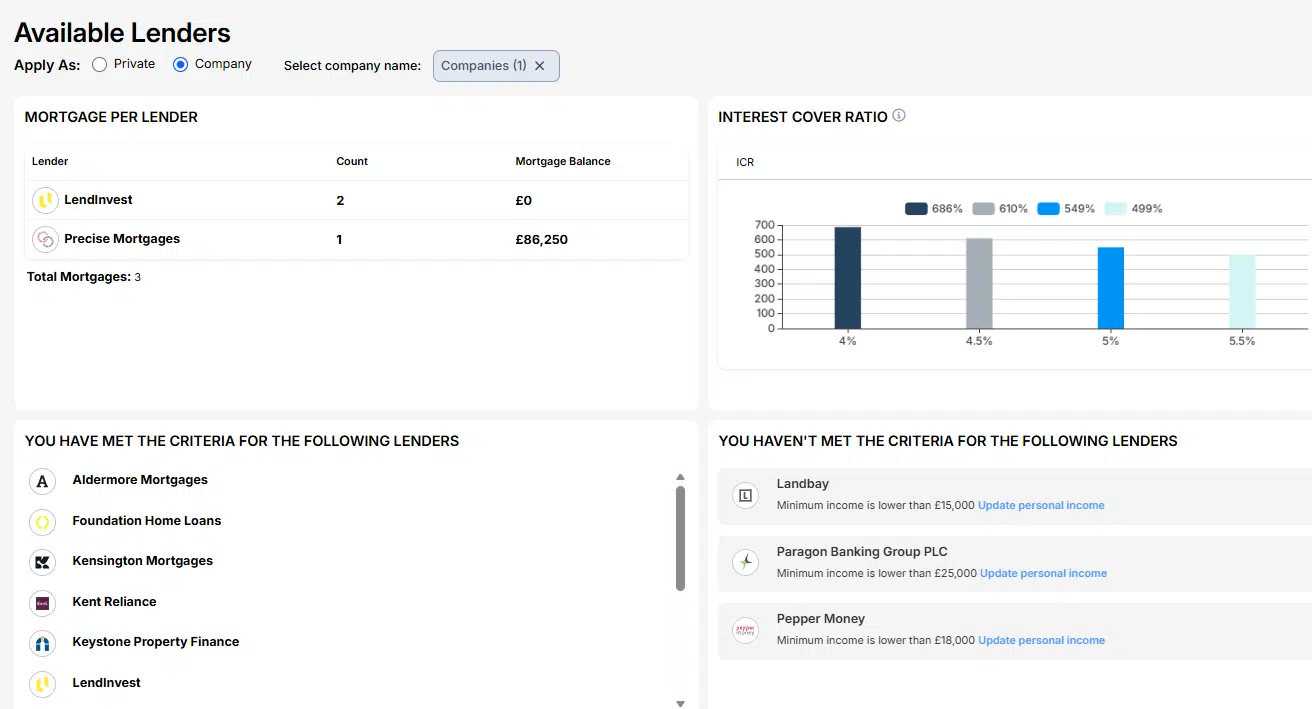
Whether you operate as a private landlord or through a limited company structure, different lenders have varying appetites for different borrower profiles. Our platform instantly identifies which of the 90-plus lenders in our network are available for your specific situation.
5. Investor Sentiment and Expert Commentary
Beyond the raw numbers and technical analysis, the qualitative data emerging from landlord communities and industry experts reveals a significant psychological shift. After nearly two years of defensive portfolio management, characterized by asset sales, debt reduction, and expansion freezes, the mood is turning cautiously optimistic.
Industry Expert Perspectives
Professional mortgage advisers and property market analysts have been quick to recognize the significance of the current rate environment. Industry analysts including City Residential have noted that mortgage rates have fallen to their lowest levels since before the mini-budget, with sub-4% products returning to the market for the first time in over two years.
This sentiment extends beyond simple rate observation. The return of sub-4% products represents psychological validation that the crisis period of 2022-2024 has definitively ended. For many landlords, particularly those who entered the market during the ultra-low rate environment of 2020-2021, the recent high-rate period felt like an existential threat. The current environment suggests a return to more normal operating conditions.
Expert Insights on the Current Market
The "Fix Short" Consensus
Perhaps the most interesting development in landlord forums and professional discussion groups is the emerging consensus around mortgage term strategy. The prevailing wisdom, summarized as "Fix Short," advocates for 2-year fixed rate products over longer 5-year terms, despite the longer products offering only marginally higher rates.
The logic driving this consensus is straightforward. Many investors believe the Bank of England Base Rate will continue its descent, potentially settling in the 3.0% to 3.25% range by 2027. If this trajectory materializes, a landlord who locks in a 5-year fix at 3.9% today might find themselves paying a premium of 0.5% to 0.75% relative to market rates by 2027.
By contrast, selecting a 2-year fix at 3.7% provides immediate cash flow benefits while preserving the optionality to refinance again in early 2027 at potentially even lower rates. The small rate premium for longer-term certainty, typically 0.2% to 0.3%, fails to compensate for the opportunity cost if rates continue falling.
"I'm refinancing my HMO portfolio. Was going to sell two units, but at 3.8% the numbers work again. I'm holding." - Portfolio Landlord, Property118 Forum, December 2025Portfolio Strategy Shifts
The qualitative evidence suggests landlords are moving from defensive to opportunistic positioning. Anecdotal reports from mortgage brokers indicate a surge in remortgage applications as landlords lock in current competitive deals before lender capacity constraints potentially pull these limited-edition products. Simultaneously, acquisition activity is picking up, particularly in the HMO and multi-unit sectors where experienced operators see value.
One particularly notable trend involves landlords who had been gradually reducing leverage during the high-rate period. Many are now reversing course, extracting equity from unmortgaged or lightly-mortgaged properties to fund acquisitions. At 3.8% interest rates, the return on leveraged capital once again exceeds the cost of debt for well-selected properties in decent locations.
Strategic Takeaway: The combination of low rates and improved sentiment creates a window for portfolio repositioning. Landlords who act decisively in Q1 2026 can lock in favorable long-term financing before competition for mortgage capacity increases.Filter Your Way to the Perfect Mortgage
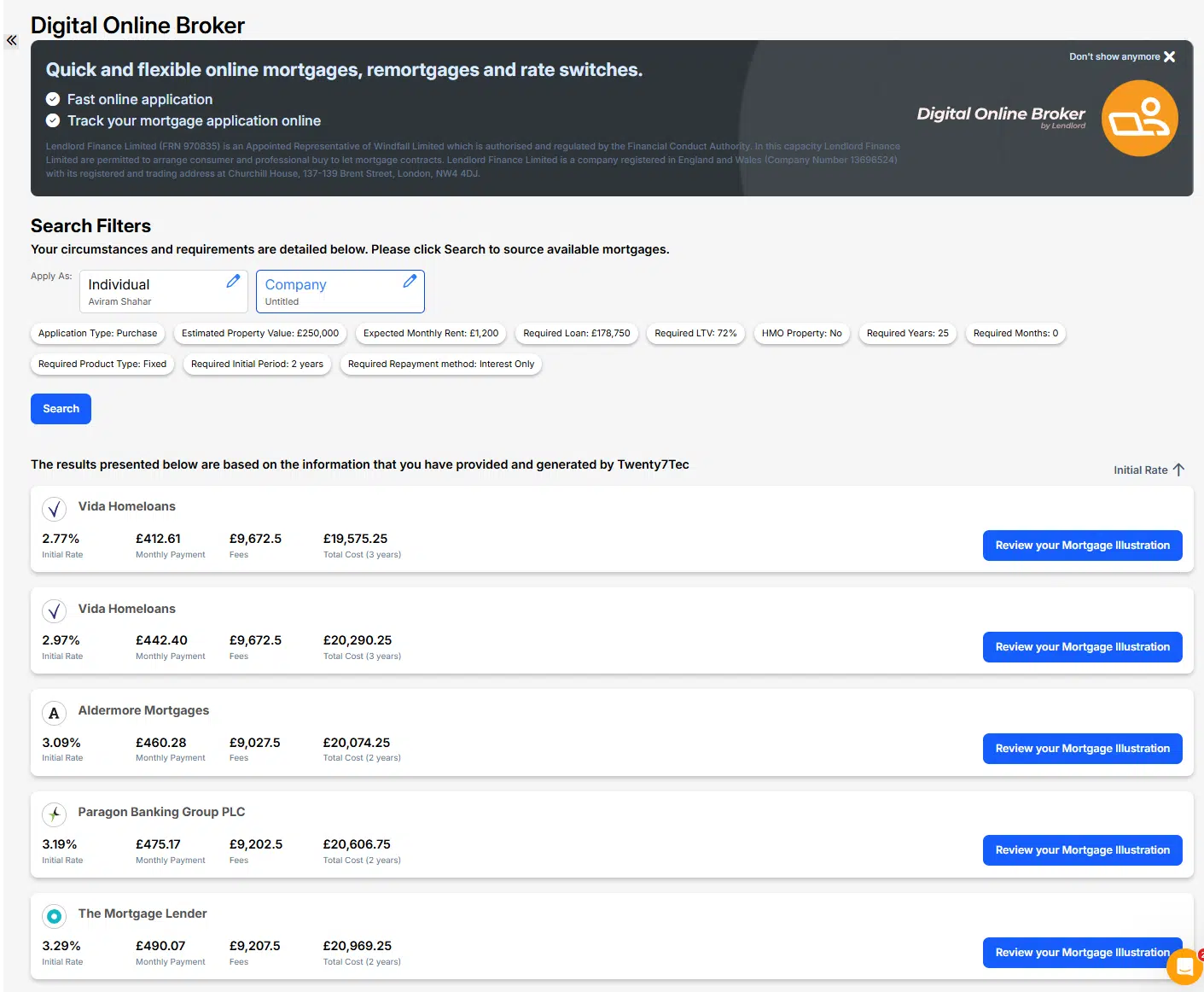
Not all mortgage products are created equal. Our advanced filtering system lets you narrow down dozens of options based on your specific criteria including property type, rental income, existing portfolio size, company or personal ownership, and dozens of other parameters.
Conclusion: A Window of Opportunity
The convergence of factors driving the current UK mortgage rate war represents more than a temporary promotional cycle. The combination of low swap rates, Bank of England easing expectations, and intense lender competition has created a genuinely favorable financing environment for property investors.
For landlords and portfolio investors, the return of sub-4% Buy-to-Let mortgage products fundamentally alters the investment landscape. Properties that were cash flow negative at 5.25% become viable at 3.75%. Stress tests that were insurmountable barriers become manageable hurdles. Portfolio expansion strategies that were shelved become executable again.
However, this window will not remain open indefinitely. As market participants increasingly act on the same information, competition for attractive properties will intensify, compressing yields. Similarly, if mortgage application volumes surge, lenders may reduce their most aggressive pricing simply due to capacity constraints.
It's important to note that while mortgage rates are improving, the UK housing market has experienced some headwinds. A recent RICS survey indicates that new buyer enquiries dropped significantly in November 2025, partly attributed to recent fiscal measures including the announcement of an annual tax on properties valued over £2 million, set to begin in April 2028. This underscores the importance of considering both financing costs and broader market dynamics when making property investment decisions.
The strategic imperative for landlords is clear: evaluate refinancing opportunities immediately, lock in favorable rates where possible, and consider whether portfolio repositioning makes sense before the market fully prices in the new reality. Those who act decisively in December 2025 and January 2026 will likely look back on this period as a pivotal moment in their investment journey.
Action TimelineAct NowCurrent rates represent a 18-month low. Market conditions may tighten as application volumes increase in Q1 2026.